DbcultAccessing Vault...
Cult Review
Senior Film Conservator
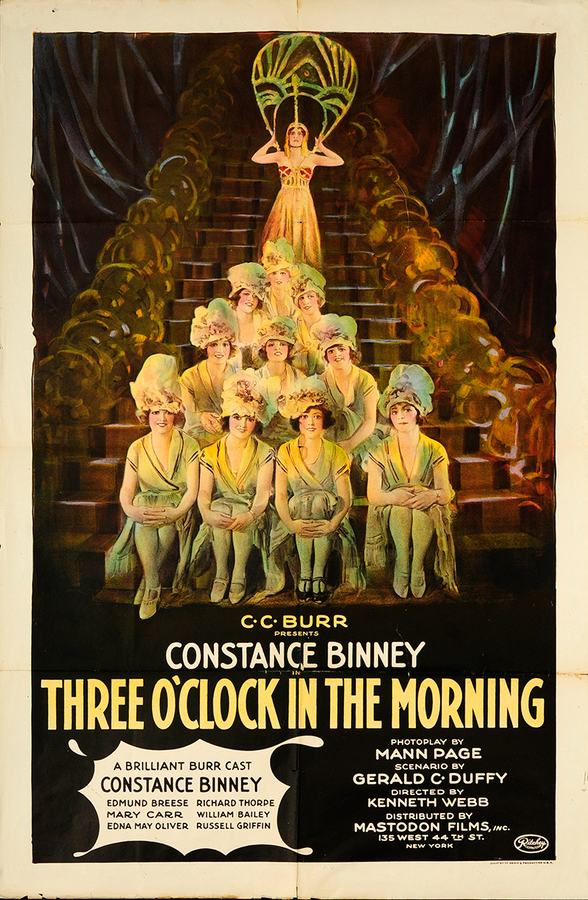
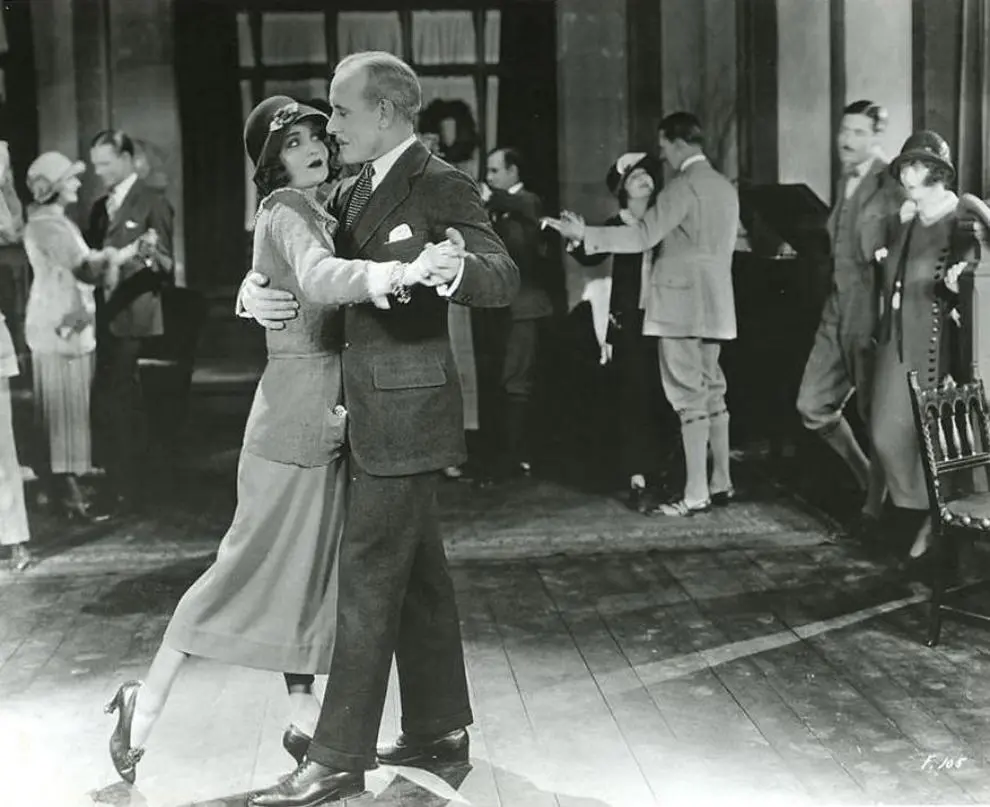
The cinematic landscape of the 1920s was marked by a plethora of films that explored the complexities of the human experience, and Three O'Clock in the Morning is a quintessential example of this trend. Directed by Duncan Mansfield and written by Mann Page and Gerald C. Duffy, this film delves into the life of Elizabeth Winthrop, a young woman who embodies the spirit of rebellion that defined the flapper era.
As the narrative unfolds, Elizabeth's journey is marked by a series of pivotal decisions that ultimately shape her destiny. Her decision to relocate to New York City is a testament to her desire for independence and self-discovery, as she seeks to escape the constraints of her stifling social environment. Upon arrival, she encounters Hugo Von Strohm, a wealthy playboy who becomes enamored with her charms and secures her a job as a chorus dancer. However, as their relationship deepens, Elizabeth begins to discern the ulterior motives behind Hugo's kindness, and she ultimately returns to her family and former fiancé, Clayton Webster.
This film can be seen as a commentary on the societal pressures that women faced during the 1920s, as they navigated the complexities of their own desires and the expectations imposed upon them by their families and communities. In this sense, Three O'Clock in the Morning can be seen as a precursor to other films that explored similar themes, such as The Curse of Greed and Mother, I Need You. The film's portrayal of Elizabeth's struggles and triumphs serves as a powerful reminder of the importance of female agency and autonomy, as women sought to forge their own paths in a society that often sought to constrain them.
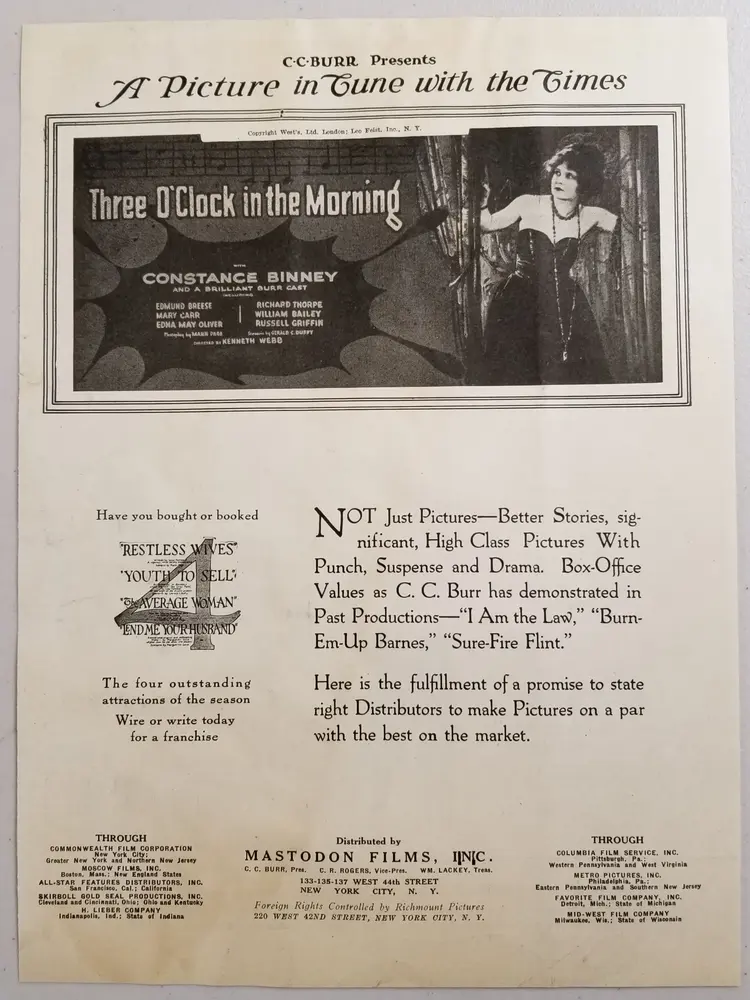
The performances in Three O'Clock in the Morning are noteworthy, with Mary Carr delivering a standout performance as Elizabeth's mother. The chemistry between the lead actors is palpable, and their interactions are imbued with a sense of authenticity that adds depth and nuance to the narrative. The film's cinematography is also deserving of praise, with the use of light and shadow creating a visually stunning backdrop for the story to unfold.
In comparison to other films of the era, Three O'Clock in the Morning holds its own as a compelling and thought-provoking drama. While films like The Jack of Hearts and Idolators explored similar themes of love and rebellion, Three O'Clock in the Morning stands out for its nuanced portrayal of female independence and its commentary on the societal pressures that women faced during the 1920s. The film's exploration of these themes is both poignant and thought-provoking, making it a must-see for fans of classic cinema.
Furthermore, the film's historical context is also noteworthy, as it provides a unique glimpse into the social and cultural landscape of the 1920s. The film's portrayal of the flapper era, with its jazz music and flapper dresses, is a testament to the era's vibrant and dynamic culture. The film's exploration of the tensions between traditional values and modernity is also a commentary on the changing social norms of the time, as women like Elizabeth sought to forge their own paths in a society that often sought to constrain them.
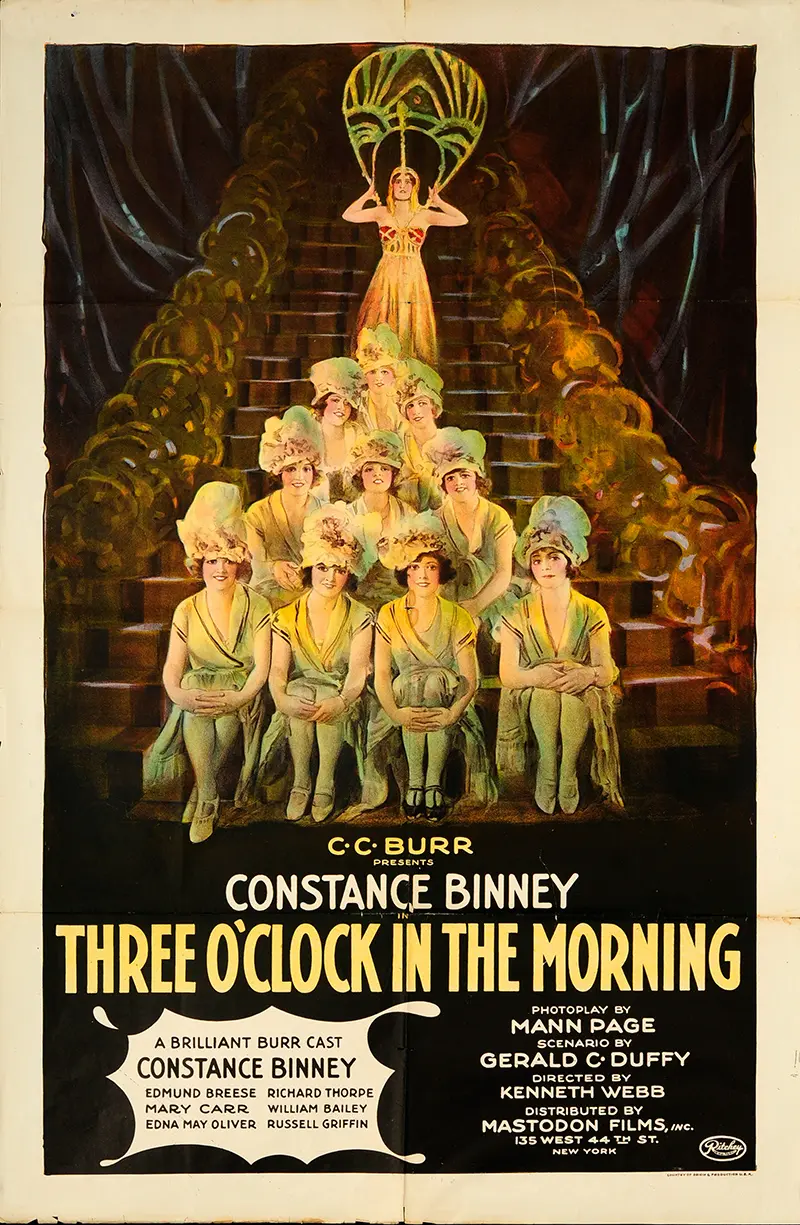
In addition to its historical significance, Three O'Clock in the Morning is also a technically impressive film, with a range of innovative camera techniques and editing styles that add to the overall visual aesthetic of the film. The use of close-ups and long shots creates a sense of intimacy and distance, respectively, and the film's editing is seamless, with a range of cutaways and dissolves that add to the overall pacing and tension of the narrative.
The film's score is also deserving of praise, with a range of jazz and blues numbers that add to the overall atmosphere and mood of the film. The music is perfectly suited to the film's themes and tone, and it adds a sense of authenticity and period detail to the narrative. The film's use of music is also noteworthy, as it is used to convey the emotions and motivations of the characters, and to create a sense of tension and suspense.
In conclusion, Three O'Clock in the Morning is a film that is both a product of its time and a timeless classic. Its exploration of themes such as female independence, rebellion, and self-discovery is both poignant and thought-provoking, and its historical significance is undeniable. The film's technical merits, including its cinematography, editing, and score, are also noteworthy, and they add to the overall visual and aural aesthetic of the film. As a result, Three O'Clock in the Morning is a must-see for fans of classic cinema, and it is a film that will continue to be enjoyed and appreciated for generations to come.
The film's influence can also be seen in other films of the era, such as His Bridal Night and Intrigue, which explored similar themes of love and relationships. The film's use of symbolism and metaphor is also noteworthy, as it adds a sense of depth and complexity to the narrative. The film's exploration of the human condition, with all its complexities and nuances, is both poignant and thought-provoking, and it is a testament to the power of cinema to capture the essence of the human experience.
Overall, Three O'Clock in the Morning is a film that is both a classic of the silent era and a timeless work of art. Its exploration of themes such as female independence, rebellion, and self-discovery is both poignant and thought-provoking, and its historical significance is undeniable. The film's technical merits, including its cinematography, editing, and score, are also noteworthy, and they add to the overall visual and aural aesthetic of the film. As a result, Three O'Clock in the Morning is a must-see for fans of classic cinema, and it is a film that will continue to be enjoyed and appreciated for generations to come.
IMDb 5.5
1931
Community
Log in to comment.