DbcultAccessing Vault...
7/10
Senior Film Conservator
A definitive 7/10 rating for a film that redefined the boundaries of cult cinema. Atesten Gömlek remains a cornerstone of transgressive art.
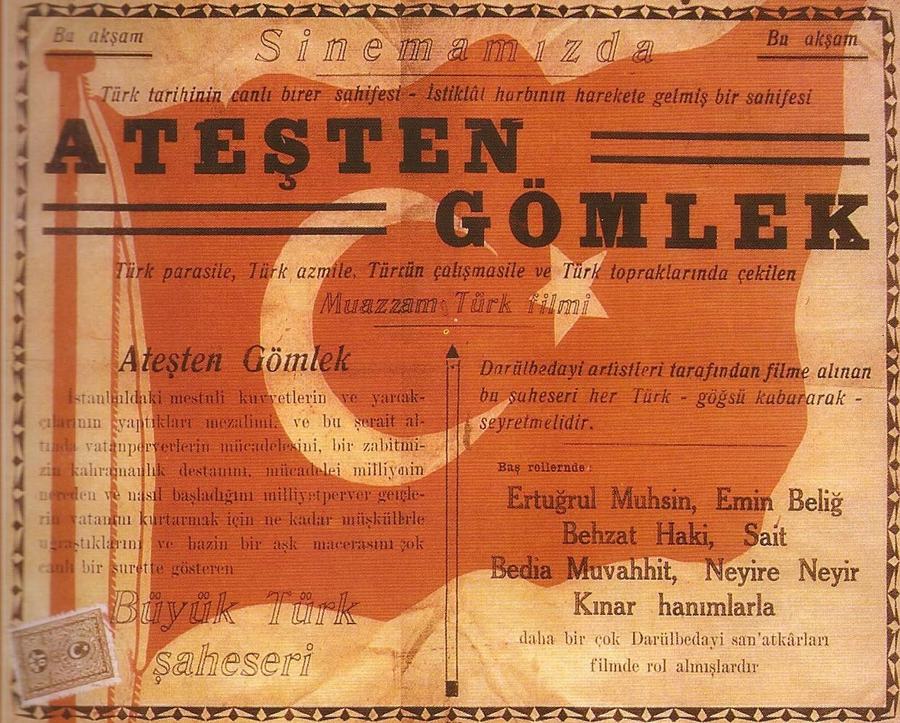
The year 1923 stands as a monolithic pivot in the history of the Near East, marking the birth of a republic from the embers of an empire. Parallel to this geopolitical metamorphosis, Muhsin Ertuğrul’s Atesten Gömlek (The Shirt of Flame) emerged as the definitive celluloid record of a nation’s labor pains. To view this film today is to engage with a sacred artifact, one that discarded the theatrical artifice of the Ottoman past to embrace a gritty, nationalist realism that would define Turkish cinema for decades. Unlike the stylized melodrama found in contemporary works like Istanbul'da Bir Facia-i Ask, Ertuğrul’s direction here is imbued with a sense of urgent, almost documentary-like necessity.
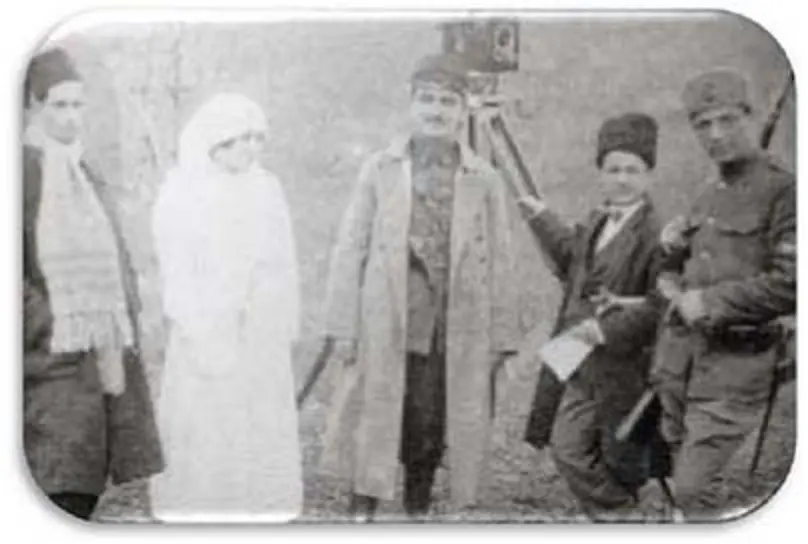
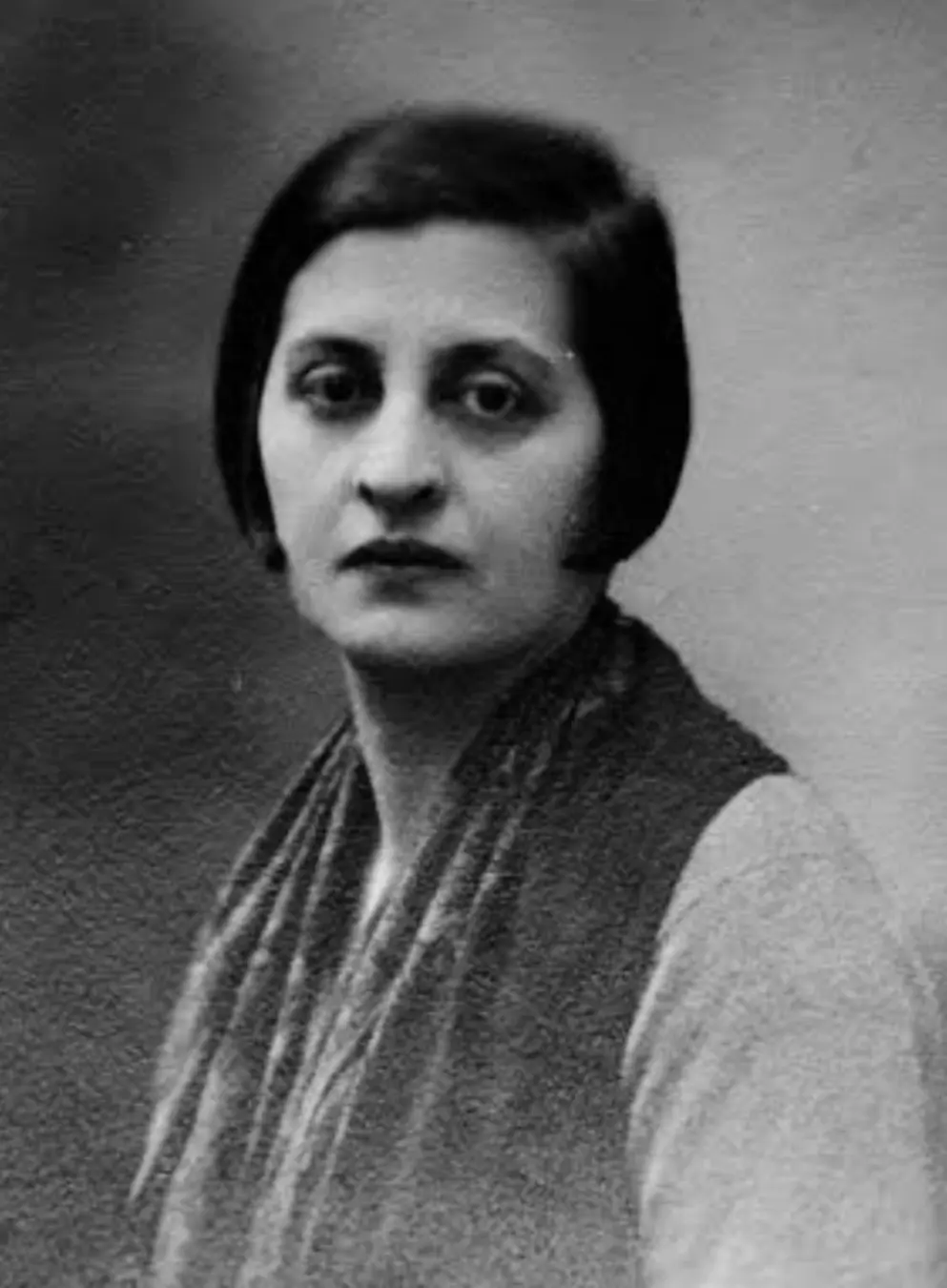
Perhaps the most revolutionary aspect of this production is the presence of Bedia Muvahhit and Neyyire Neyir. In an era where the stage and screen were largely devoid of Muslim Turkish women, their appearance was an act of cultural insurrection. Muvahhit’s portrayal of Ayşe is a masterclass in restrained agony. She does not merely play a victim; she inhabitates a symbol of the land itself—violated, grieving, yet unyielding. Her transition from the domestic ruins of İzmir to the chaotic hospitals of the Anatolian front mirrors the broader societal shift of women entering the public and political sphere. This thematic depth rivals the female-centric narratives of international cinema, such as The World and Its Woman, yet it carries a local weight that is far more visceral.
The visual language of Atesten Gömlek is dictated by the scarcity of its time, yet this lack of artifice becomes its greatest aesthetic strength. The Anatolian landscape is not presented as a pastoral idyll but as a harsh, unforgiving character in its own right. The dust, the heat, and the unrelenting sun create a sensory experience that justifies the title’s metaphor. The "Shirt of Flame" is the burden of patriotism—a garment that burns the wearer but must be donned for the sake of survival. While Western films like Dr. Jekyll and Mr. Hyde were experimenting with internal psychological shadows through expressionism, Ertuğrul was utilizing the external, blinding light of the Turkish plateau to reflect a collective psyche under duress.
"The film functions as a bridge between the oral traditions of epic poetry and the modern mechanics of visual storytelling, turning the struggle for sovereignty into a shared cinematic dream."
The collaboration between Halide Edip Adıvar and Muhsin Ertuğrul ensured that the film maintained its literary integrity. Adıvar, a figure who was herself a soldier and a nurse during the war, provided a script that avoided the hollow jingoism often found in early war films. Instead, the narrative focuses on the interpersonal dynamics between Ayşe, İhsan, and Peyami. Their love triangle is not a trivial romantic subplot but a representation of different facets of the national struggle: the intellectual, the soldier, and the witness. This complexity elevates the film beyond a simple propaganda piece, placing it in conversation with nuanced dramas like The Whirlpool of Destiny.
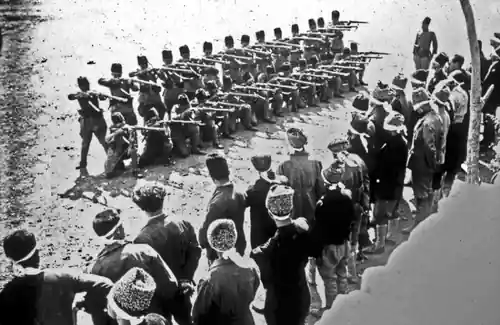
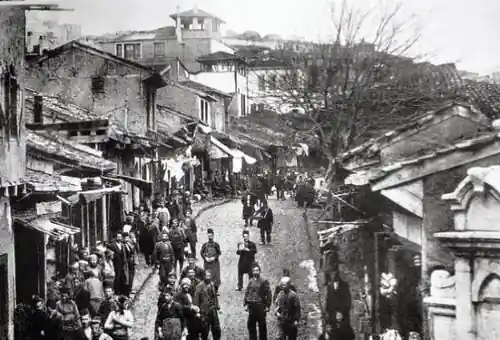
The pacing of the film reflects the erratic rhythm of insurgency. There are moments of quiet contemplation followed by the cacophony of battle. Ertuğrul’s use of extras—many of whom were actual soldiers and citizens who had lived through the events—lends the production an authenticity that no studio backlot could replicate. When we see the demonstrations in Istanbul, we are not looking at staged choreography; we are looking at the reenactment of a collective memory that was still pulsing with life. It is this raw energy that separates the film from more polished, detached productions like The Golden West.
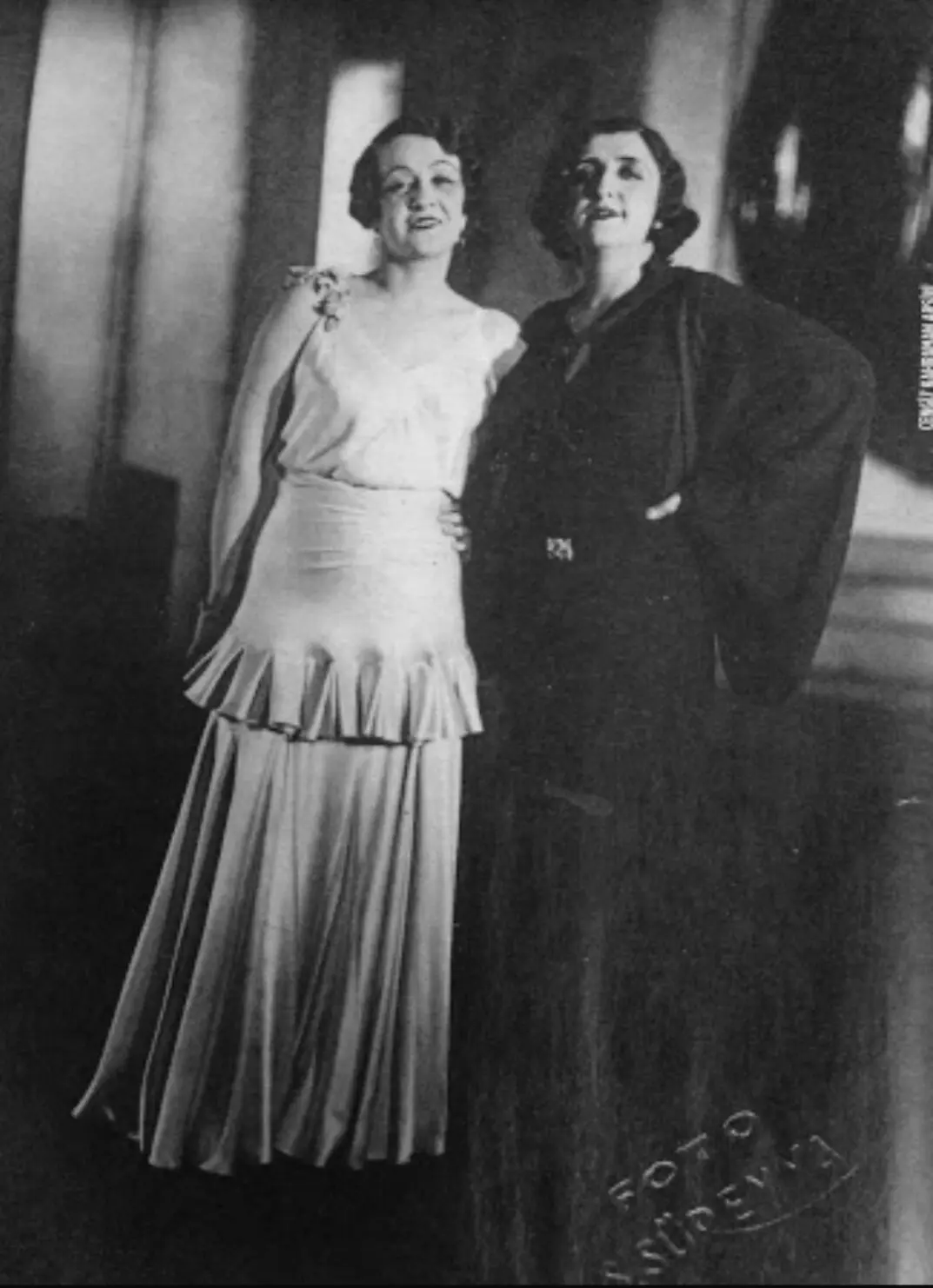
Muhsin Ertuğrul’s dual role as director and actor (playing İhsan) allows for a singular creative vision to permeate the film. His performance is one of stoic intensity, a counterpoint to the more expressive grief of Muvahhit. The chemistry between them is built on shared trauma rather than traditional cinematic romance. This subversion of expectations is crucial; the film posits that in times of national crisis, personal desires are secondary to the survival of the collective. This theme of self-sacrifice is echoed in other contemporary works like A Rosa do Adro, though the stakes in Atesten Gömlek are significantly more existential.
To critique Atesten Gömlek solely on its technical merits—which, given the 1923 context, include flickering frames and rudimentary editing—would be to miss its profound cultural significance. It was the first film to use the actual locations of the war it depicted, and the first to feature Turkish women in leading roles. It broke the monopoly of foreign films and minority-led productions in the late Ottoman era, establishing a template for what Turkish cinema could be: a medium for national self-reflection and myth-making.
In the wider landscape of early 1920s cinema, while Hollywood was refining the star system with films like Torchy in High or the action-packed Hurricane Hutch, Ertuğrul was engaged in something far more fundamental. He was using the camera to define the borders of a new identity. The film’s enduring power lies in its refusal to blink. It stares directly into the sun of the Anatolian revolution and, despite the heat, refuses to turn away. It is a work of immense courage, a testament to the belief that art can not only reflect a revolution but also participate in its completion.
Beyond the politics, there is a metaphysical quality to the film’s depiction of suffering. Ayşe’s journey is a secular hagiography; she is a saint of the resistance, her nursing uniform a habit of the new republic. The film’s refusal to provide a standard "happy ending" underscores its commitment to the reality of the cost of freedom. The blood spilled on the screen is a surrogate for the blood spilled in the trenches of Sakarya and Dumlupınar. This level of gravitas is rarely found in the lighter fare of the era, such as A Suspicious Wife or Truthful Tulliver.
Ultimately, Atesten Gömlek remains an essential viewing experience for anyone seeking to understand the intersection of cinema and nation-building. It is a rough-hewn diamond, its facets reflecting the jagged edges of a history that was still being written as the cameras rolled. It stands as a reminder that cinema, at its most potent, is not just entertainment; it is the fire that tempers the soul of a people. Its echoes can be felt in every subsequent Turkish film that attempts to grapple with the complexities of the Anatolian heartland, making it a foundational text that continues to burn with an undiminished flame.
Related Comparisons: Perdida, Fellow Citizens, Panama and the Canal from an Aeroplane, The Arrival of Perpetua, Kiss Me Quick.
IMDb 6.8
1931
Community
Log in to comment.