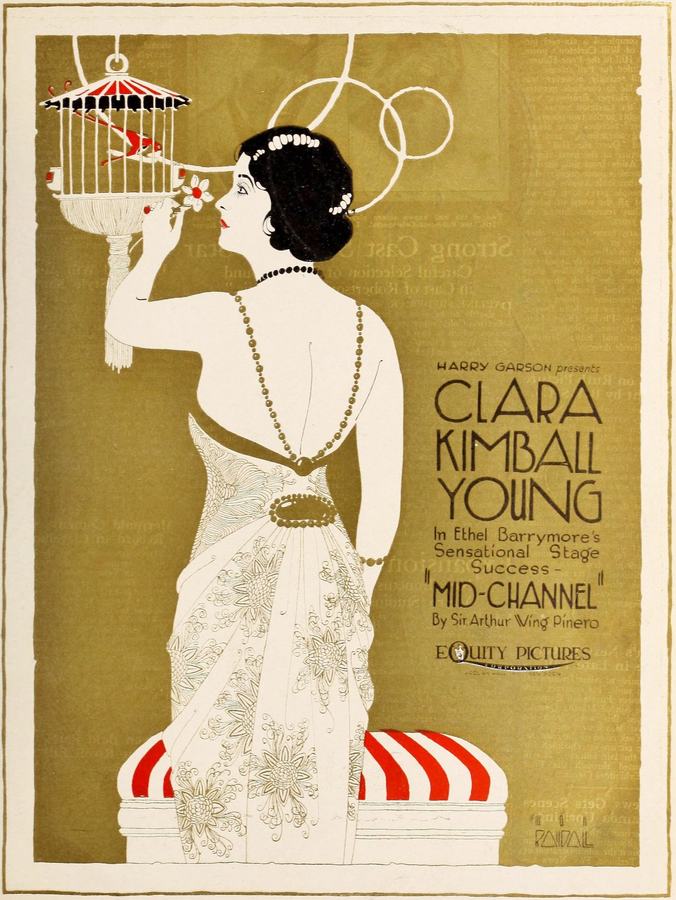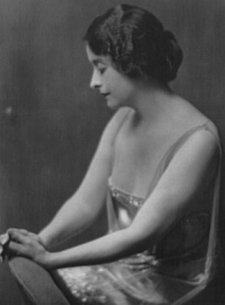
Clara Kimball Young
actress, miscellaneous, producer
- Birth name:
- Clara Kimball
- Born:
- 1890-09-06, Chicago, Illinois, USA
- Died:
- 1960-10-15, Woodland Hills, Los Angeles, California, USA
- Professions:
- actress, miscellaneous, producer
Biography
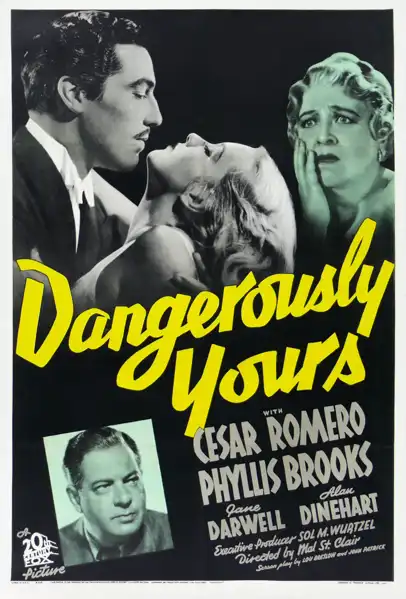
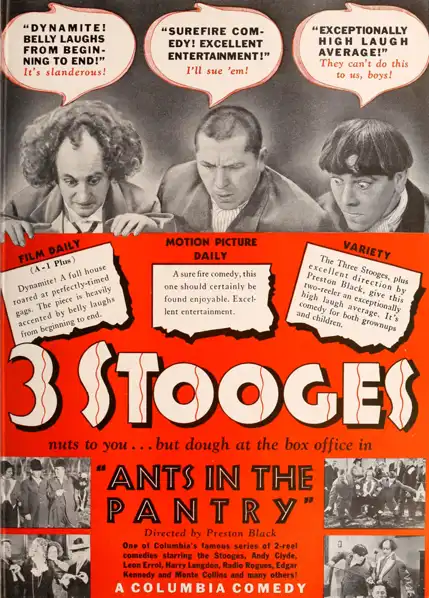
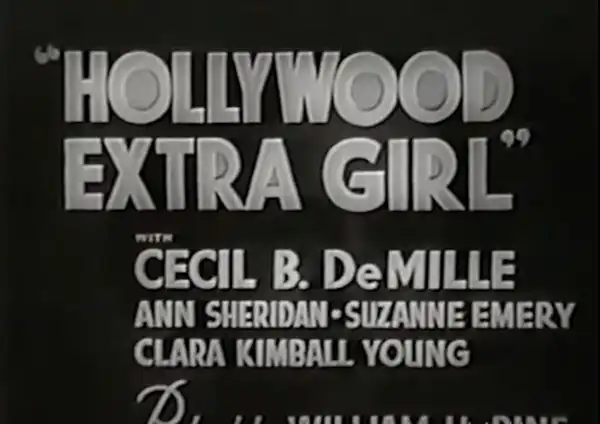
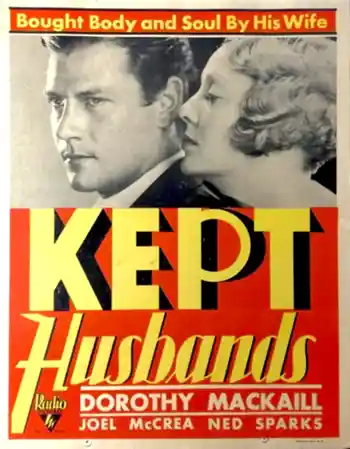
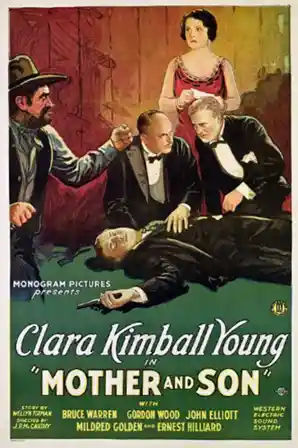
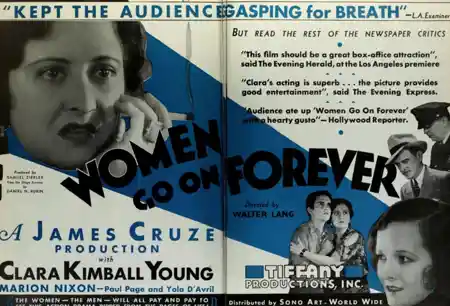
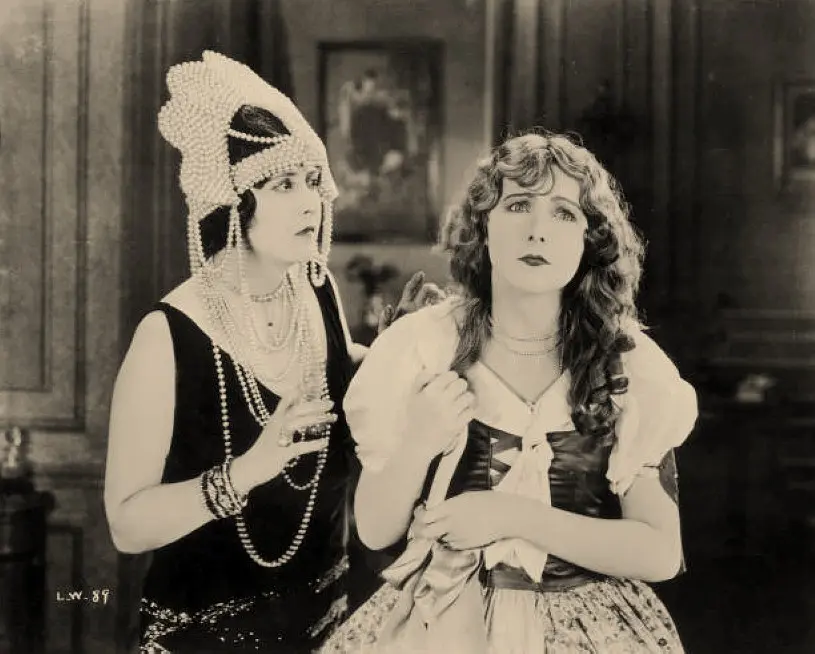
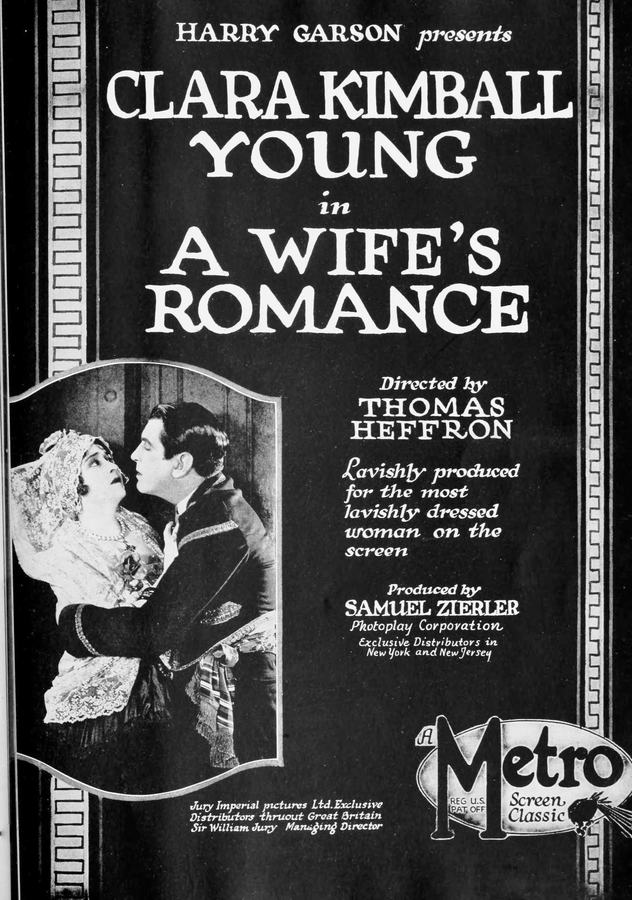
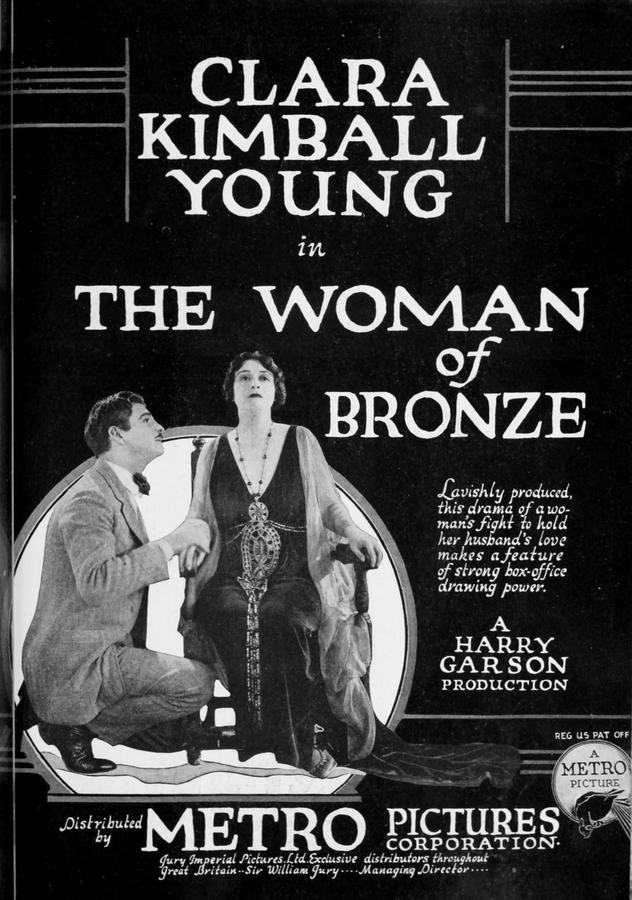
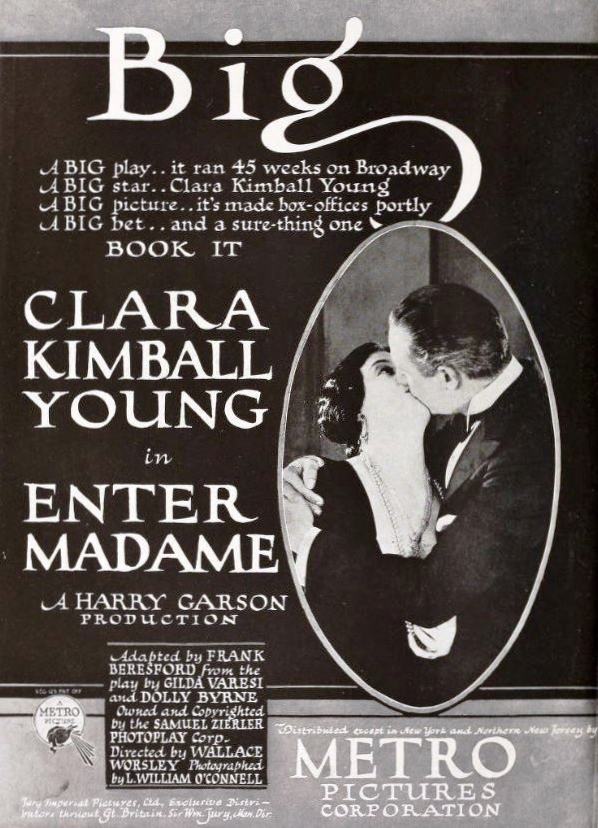
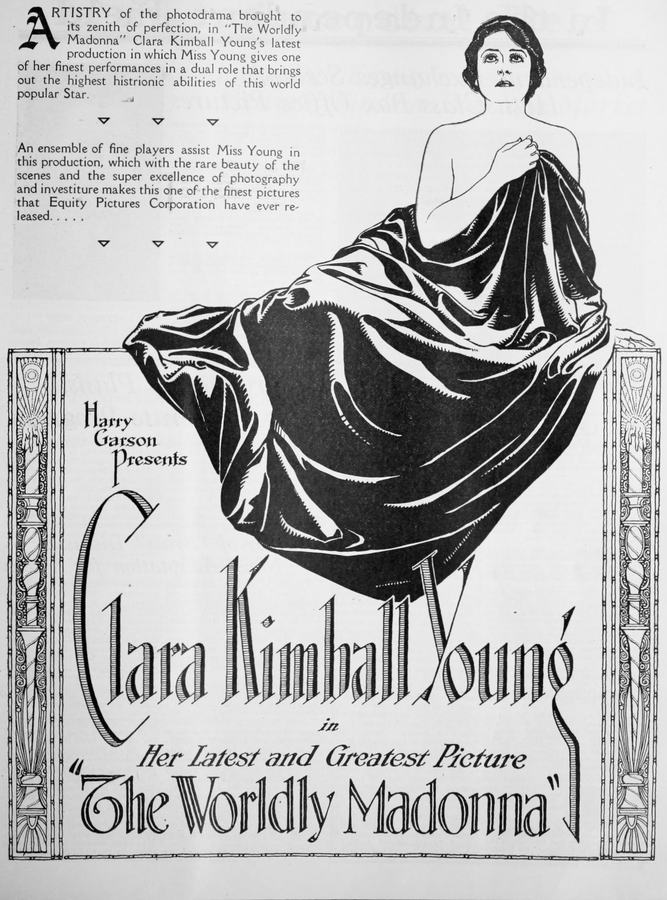
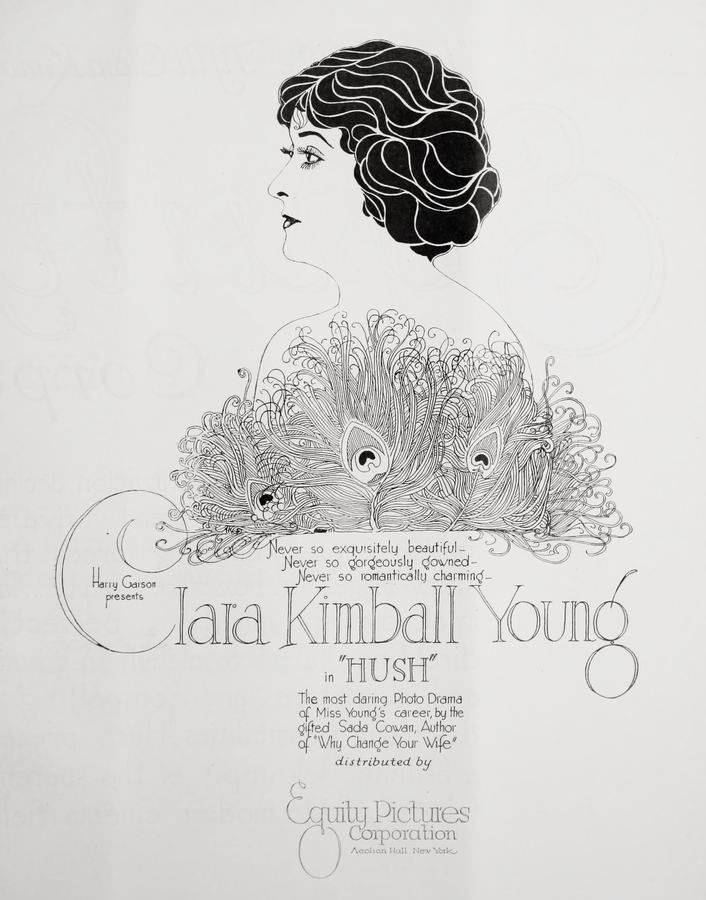
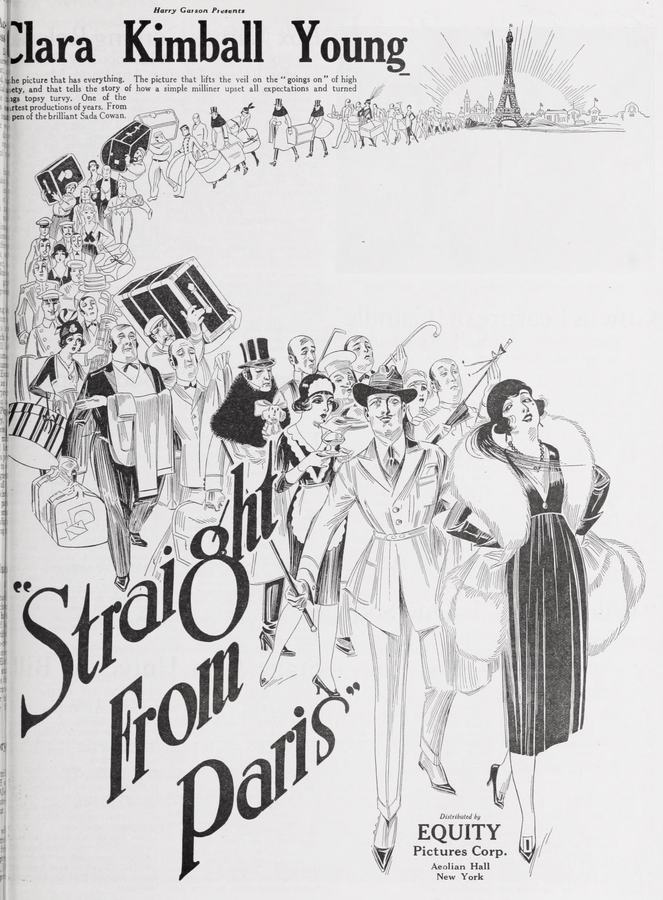
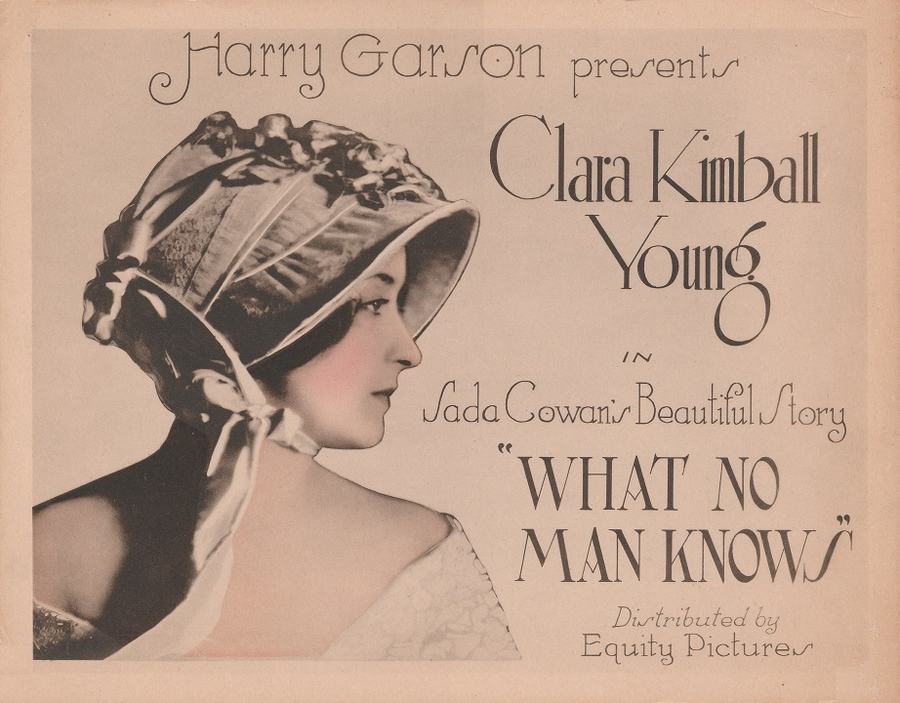
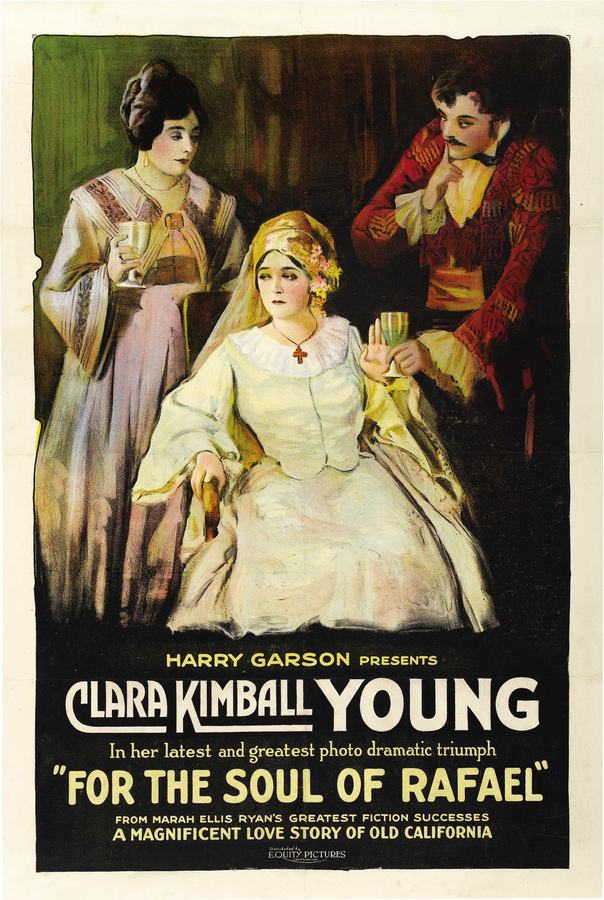
A footlight-scented cradle rocked Clarisa Kimball long before the camera ever found her. Touring the Midwest in 1890 with Holden’s wandering troupe, her parents—Edward and the former Mrs. E. M. Kimball—never paused long enough to register a birth certificate; Chicago is the city she later swore by, but the ink trail stops at the Cook County line. By three she had traded her birth name for applause, toddling onstage as a miniature princess, a lost boy, a flower girl—whatever the evening’s melodrama demanded. St. Francis Xavier Academy tried to plant her in a desk; the prairie wind won, and at sixteen she joined a west-bound stock outfit where a lean leading man named James Young handed her roses and a wedding ring. Vitagraph beckoned between 1909 and 1912, dangling steady work at twenty-five dollars a week—half what she earned on the road—but a contract beats a drought. The studio signed the entire family: Clara, James, even Mama and Papa. One-reelers turned into two-reelers, and the lanky brunette with the generous smile inched up the popularity ladder to seventeenth place in 1913, just below Alice Joyce. Then came *My Official Wife*, a five-reel frost-bitten romance set among the Russian nobility, directed by her husband and released late in 1914. Audiences swooned, pollsters scrambled, and Clara Kimball Young—name officially hyphenated now—leapt to the top of the heap. Enter Lewis J. Selznick, World Film’s velvet-gloved vice president, whispering promises of stardom so bright it would scorch the negative. He signed her personally, scrubbed the dimples, and unveiled a man-eating vamp in *Lola* (1914). The picture minted money; the producer minted gossip. By 1916 James Young sued for alienation of affections; Clara countersued for cruelty; the marriage unraveled on a desertion decree dated April 8, 1919. Meanwhile Selznick, ever restless, had already been ousted from World Film and—three months later—incorporated the Clara Kimball Young Film Corporation with himself as president, treasurer, and gatekeeper. Wardrobes grew heavier, stories steamier: *The Price She Paid*, *The Common Law*, *The Easiest Way*—seven reels of satin and sin. Clara tired of the puppet strings. In June 1917 she sued Selznick for fraud, charging dummy corporations and hidden profits. An injunction gagged her from working anywhere else; she retaliated with newspaper vows to scrub salacious roles from her résumé. Detroit exhibitor Harry Garson—her new off-screen leading man—bankrolled a fresh banner, C. K. Y. Film Corp., quietly underwritten by Adolph Zukor, who was busy knotting silk around Selznick’s own throat. Cameras rolled in California sunshine; *Cheating Cheaters* (1919) proved Clara could still sparkle, but none of the negatives survive. Another court notice, January 11, 1919, announced her emancipation: “All contract relations terminated.” Equity Pictures was born that summer; *Eyes of Youth* rode the crest of a publicity tsunami, featured an unknown Rudolph Valentino, and restored her to the summit she had occupied five years earlier. Selznick struck back, threatening exhibitors, choking bookings, smothering profits. The victory turned Pyrrhic: Garson grabbed the megaphone, directed nine listless features, and watched Clara—now inching into her thirties—age on-screen faster than the calendar allowed. Critics winced; exhibitors shrugged; the post-war recession nudged her company over a cliff in 1922. Zukor dangled a Paramount lifeline if she would abandon Garson; she refused, followed her heart to Commonwealth Pictures, and discovered that flappers had stolen the spotlight. Jazz babies wanted flat-chested, sharp-kneed sprites, not curvaceous Victorians. The last Metro release, *A Wife’s Romance* (1923), landed with a thud; the independently shot *Lying Wives* (1925) closed the silent chapter. Vaudeville circuits, personal appearances, a 1928 marriage to Chicago dentist Arthur Fauman—then the talkies beckoned. RKO’s *Kept Husbands* (1931) gave her a witty supporting turn, but the public remembered only yesterday’s face. Monogram’s *Mother and Son*, Tiffany’s *Women Go on Forever*, bit parts in westerns, a Stooges short—each credit a rung lower. Arthur died in 1937; headlines mourned the fallen queen reduced to extras’ wages. She joked about rattling a tin cup, retired in 1941 with the sigh, “I’ve been working since I was two. Let me rest.” Television’s hunger for content revived her. Silent prints flickered across 1950s screens; fan magazines rediscovered her; CBS hired her as Hollywood correspondent for the original *Johnny Carson Show* (1955-56). A decade later, frail and nearly blind, she entered the Motion Picture Home. Frances Marion visited and heard the last curtain line: “I was worn out from the long journey, but I have found my way home.” Clara Kimball Young died October 15, 1960, and rests at Grand View Memorial Park, Glendale, remembered by several hundred friends and a flickering archive of ghosts.
Filmography
In the vault (33)