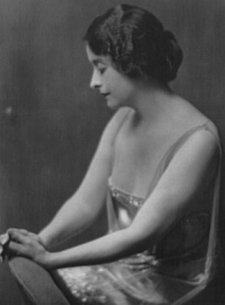
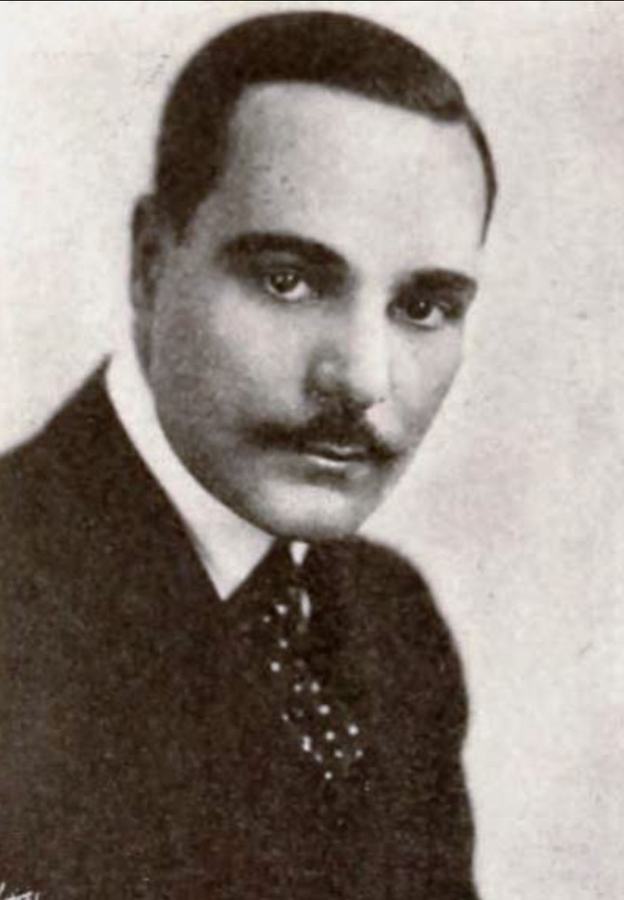
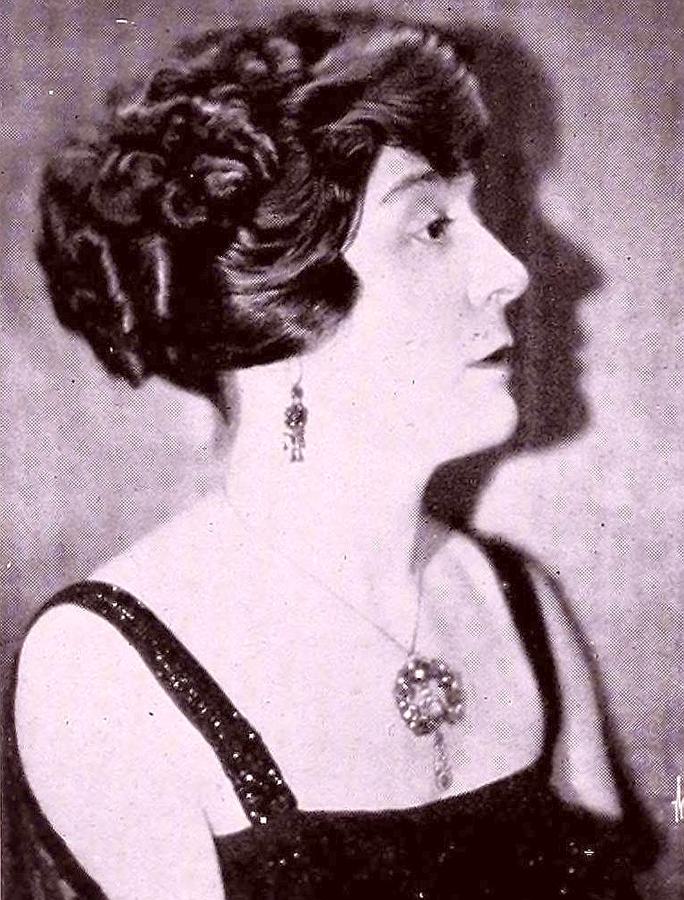
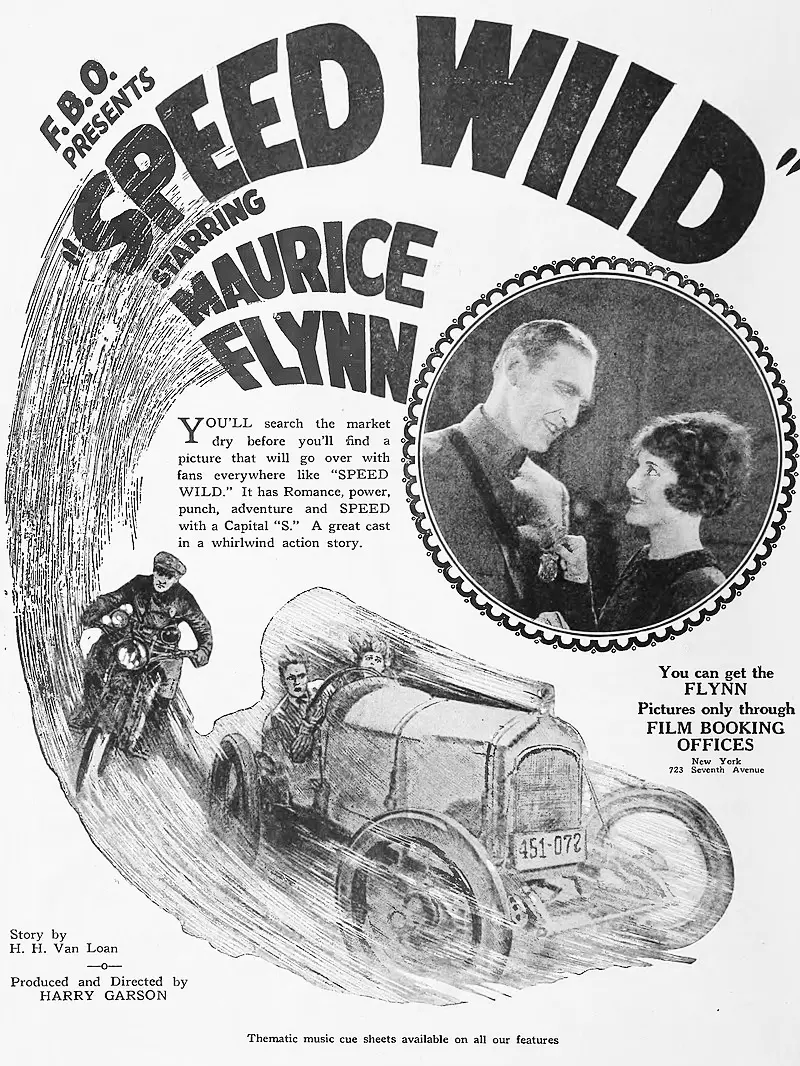
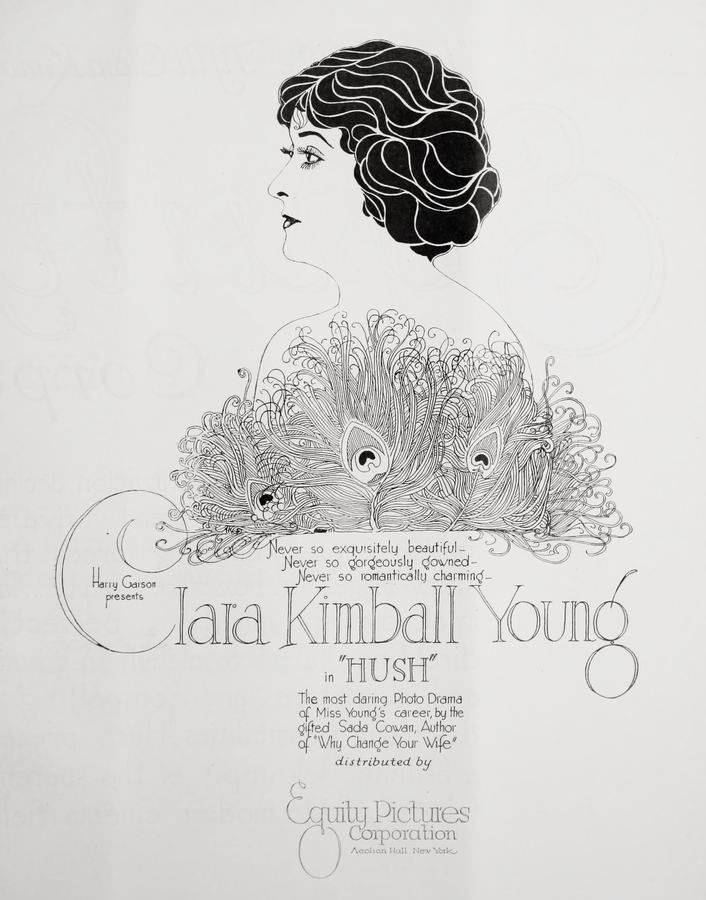
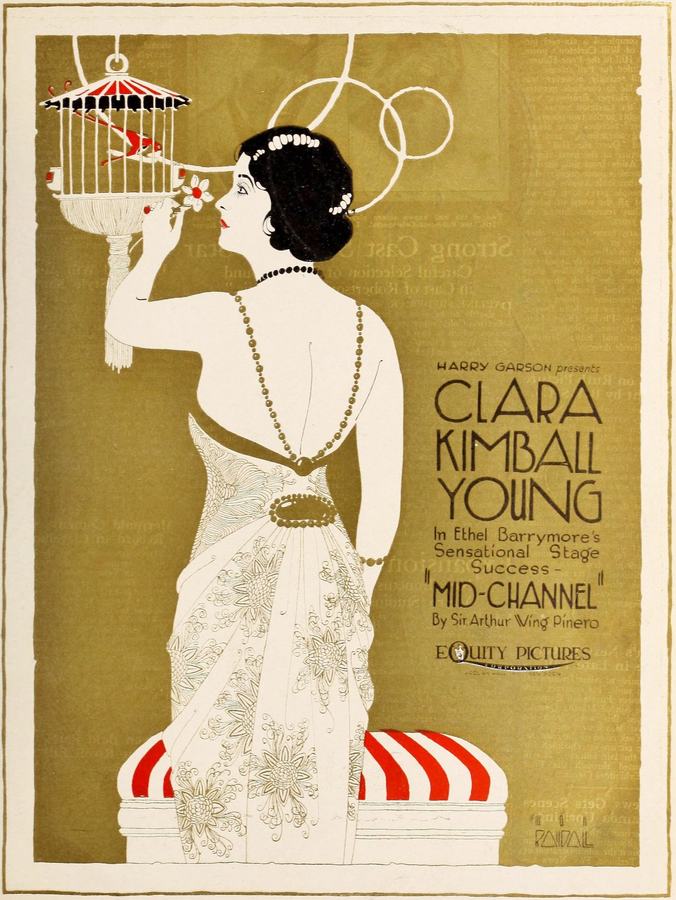
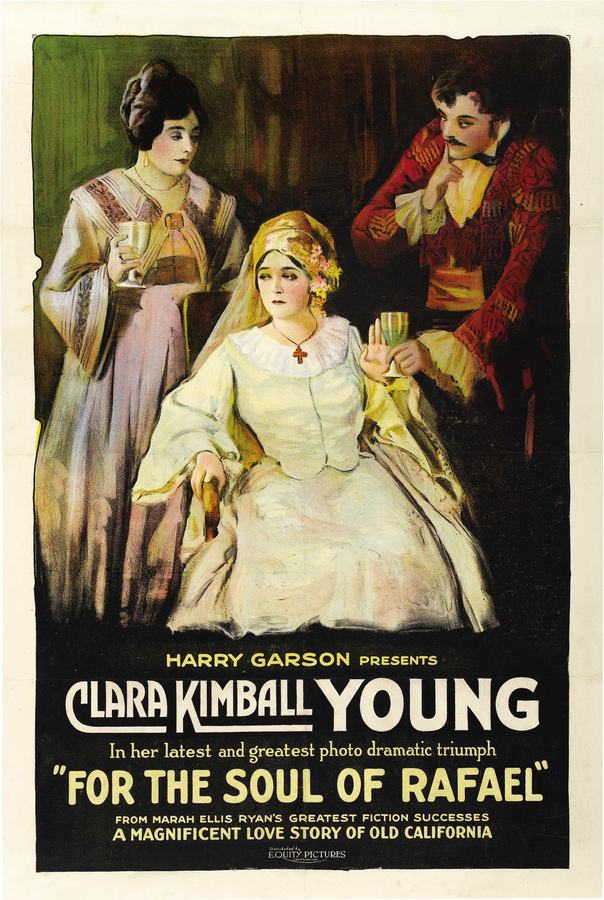
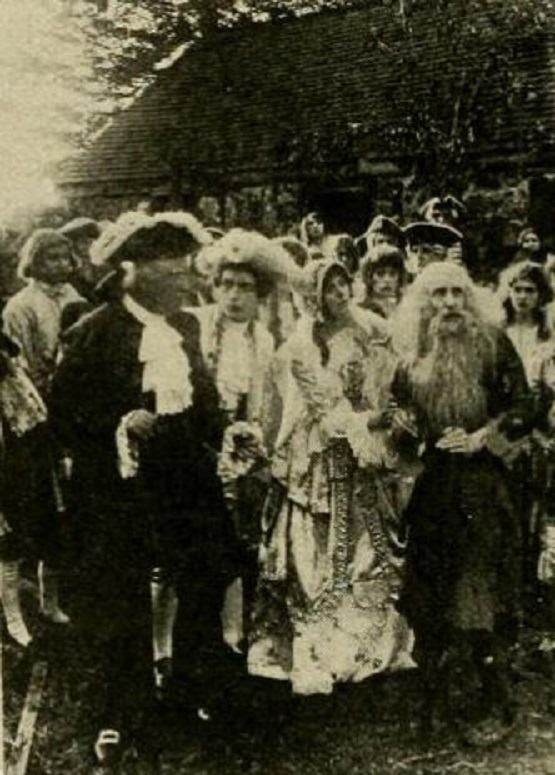
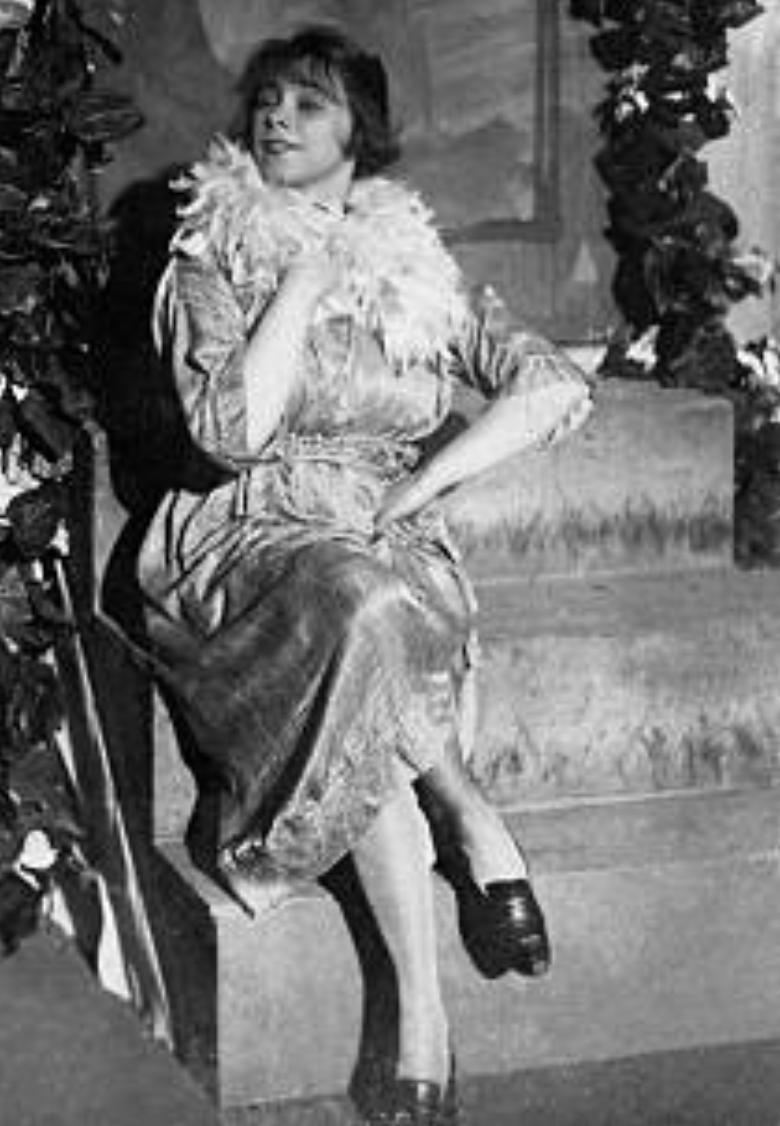
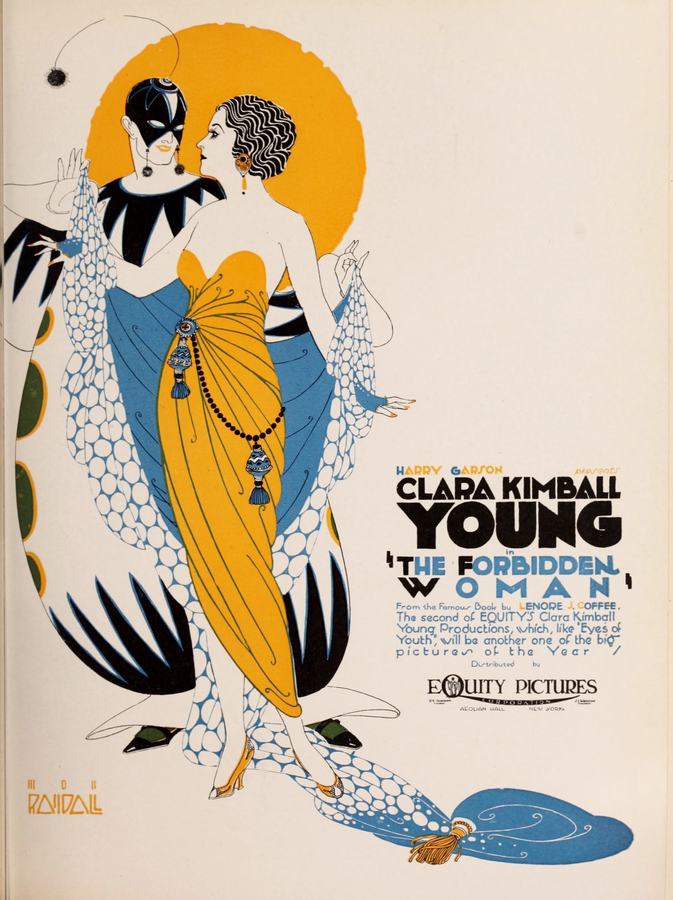
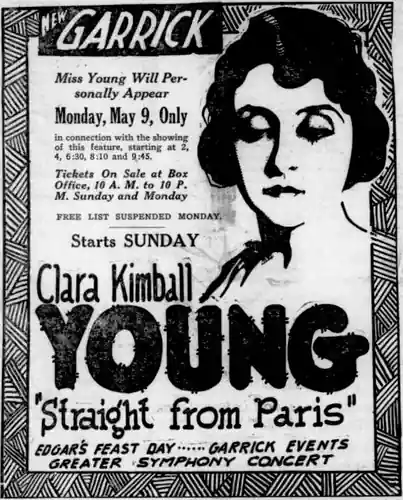
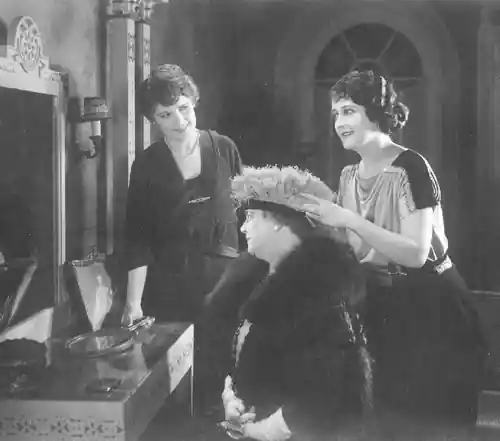
A young man takes a trip to Europe, and when he returns home he brings along the woman he fell in love with and became engaged to. However, his snooty mother finds out that she doesn't come from a "good" family and is, in fact, a clerk in a shoe store, and refuses to sanction the engagement.
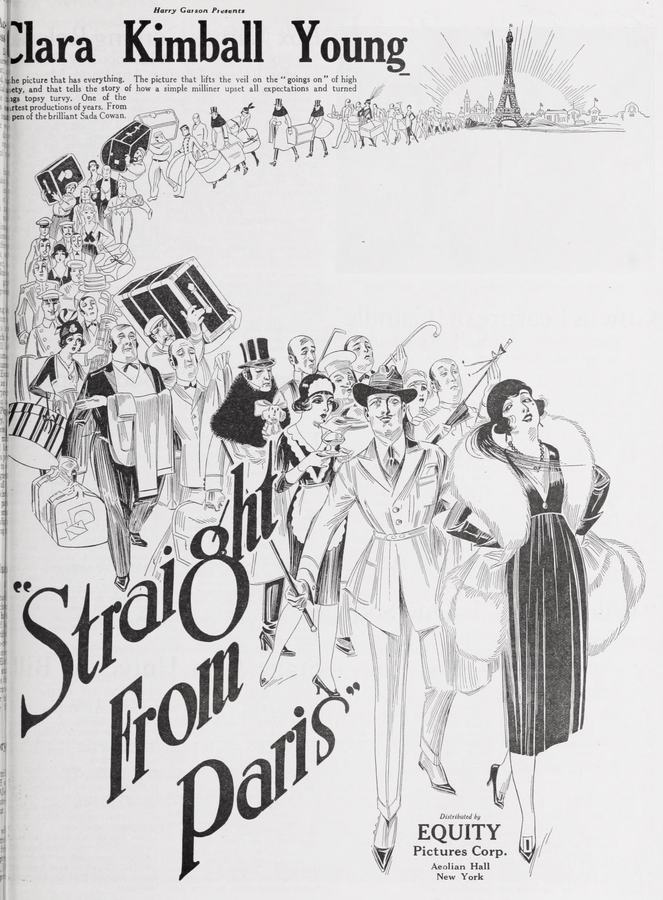
The Mirage of the Continental Muse In the burgeoning landscape of early 1920s cinema, few films captured the anxieties of the American nouveau riche with as much surgical precision as Straight from Paris. Directed by Harry Garson and penned by the formidable Sada Cowan, this silent feature serves as a fascinating art...
production_art
still_frame

Comparing the cinematic DNA and archive impact of two defining moments in cult history.
Harry Garson
Robert N. Bradbury
Community
Log in to comment.
" The Mirage of the Continental Muse In the burgeoning landscape of early 1920s cinema, few films captured the anxieties of the American nouveau riche with as much surgical precision as Straight from Paris. Directed by Harry Garson and penned by the formidable Sada Cowan, this silent feature serves as a fascinating artifact of a time when 'European' was synonymous with 'elevated.' The film operates on a foundational irony: the very sophistication that the American aristocracy craves is often a m..."
Clarissa Selwynne
Sada Cowan
United States
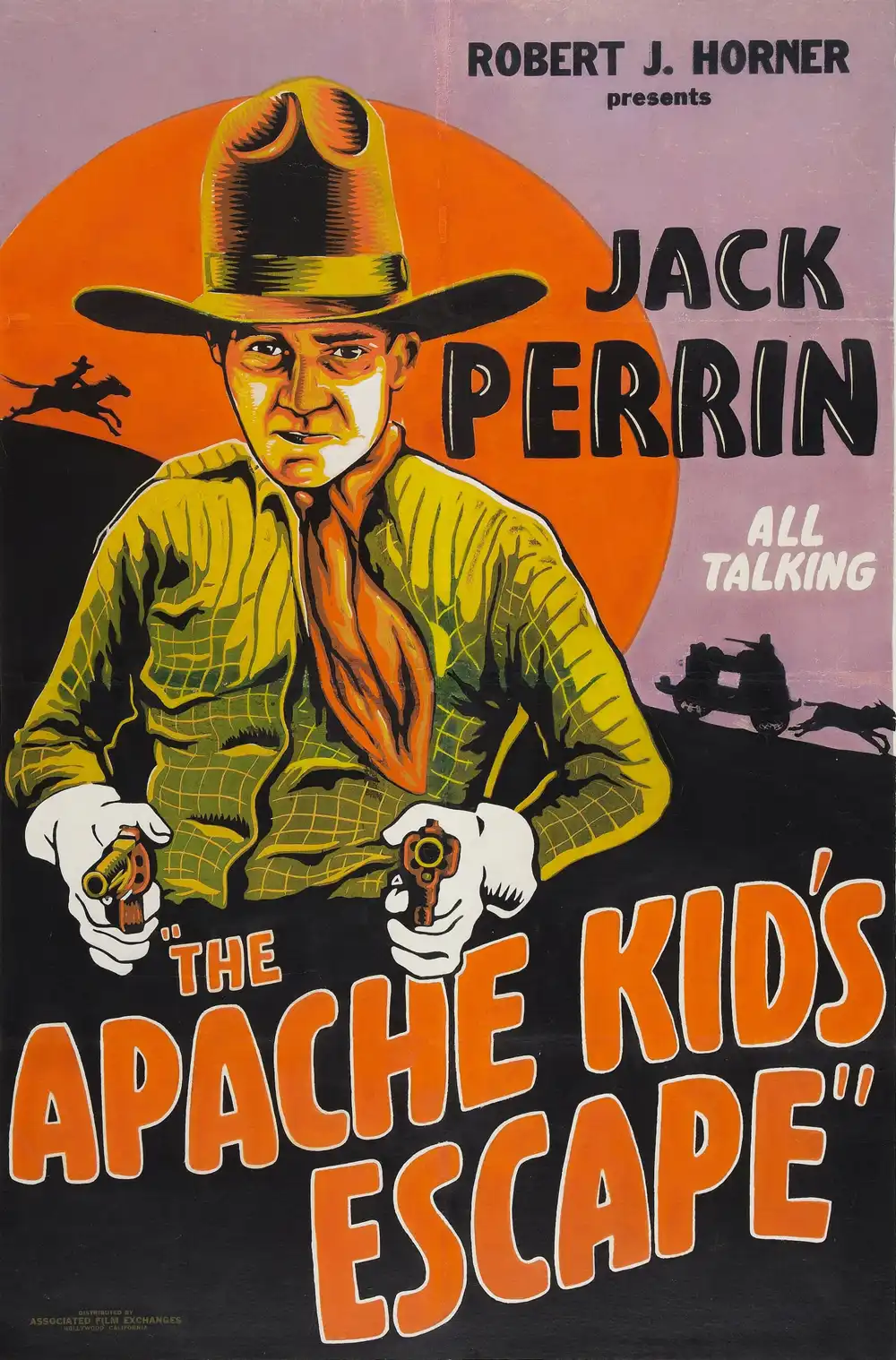
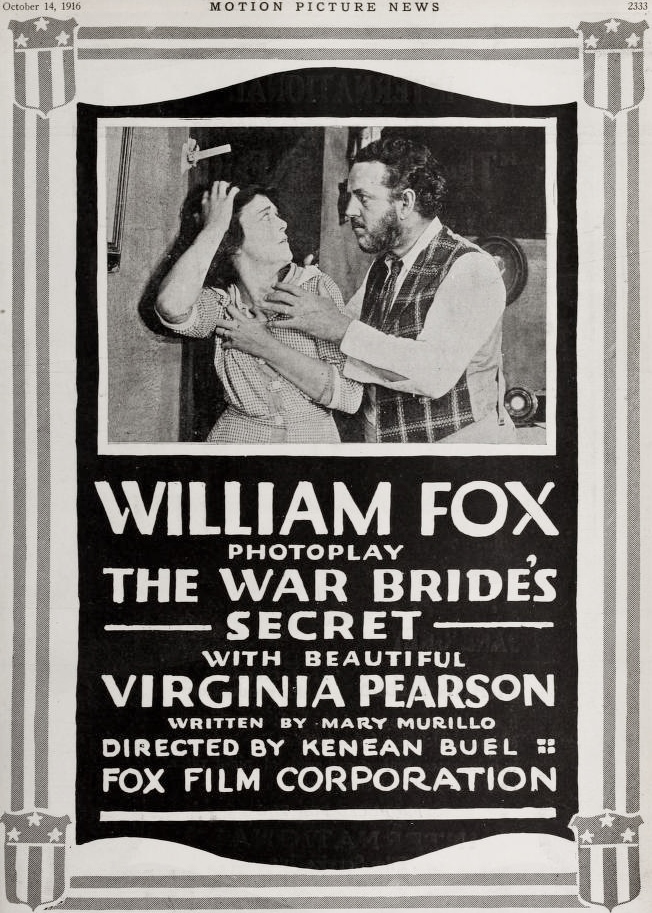
Deep dive into the cult classic
Discover similar cinematic experiences
A Directorial Spotlight on Harry Garson