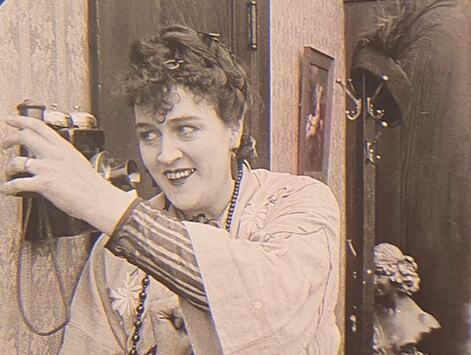
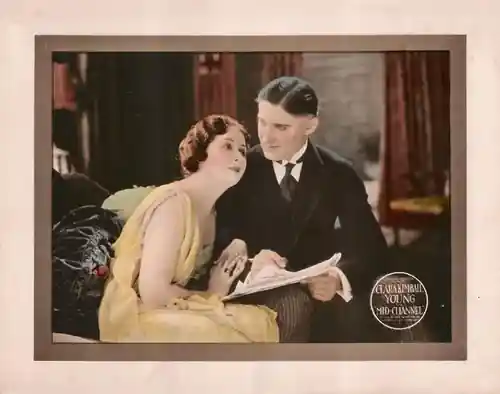
Zoe Blundell, peeved at the seeming negligence of her husband Theodore, retaliates by spending most of her evenings away from home, usually in the company of men. Theodore, not sufficiently impressed with the truth of the old adage, "There is safety in number," takes issue with her, with the result that quarrel after quarrel occurs.
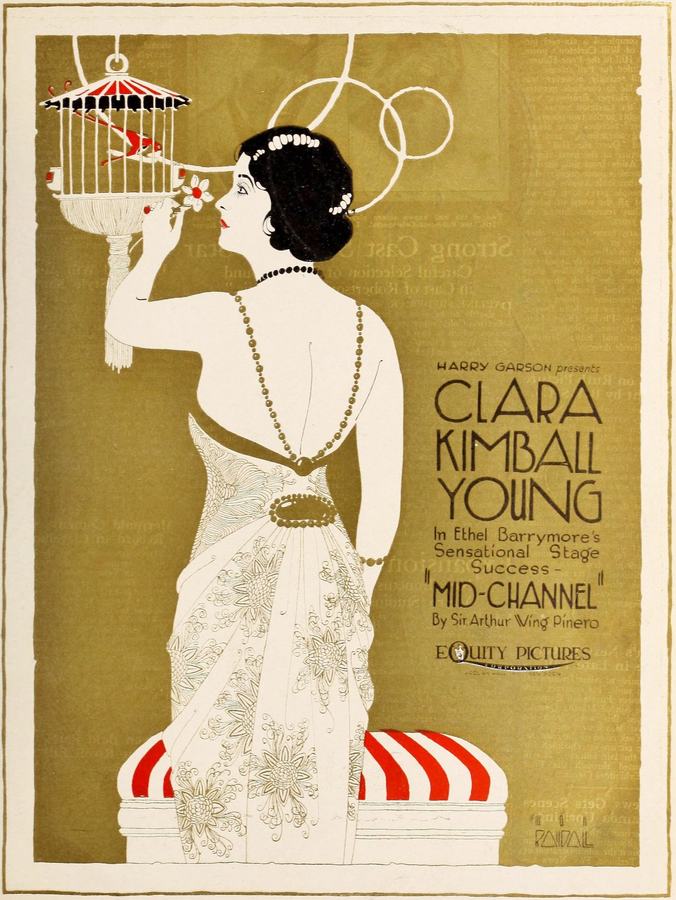
Mid-Channel does not roar—it sighs, a slow exhalation of marital carbon-dioxide that hangs in the chandeliered gloom long after the title card fades. Pinero’s 1909 stage hit, transposed by George Ingleton to the flickering grayscale of 1920, arrives like a bruise under crêpe-de-Chine: delicate, painful, and unfashiona...
production_art
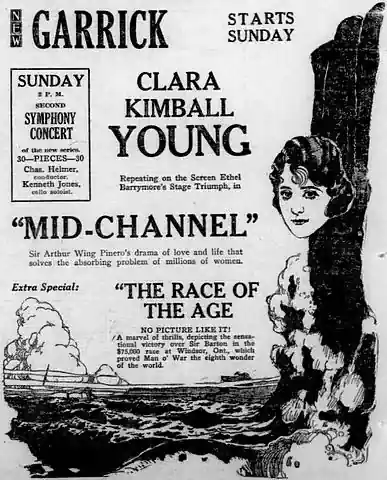
production_art
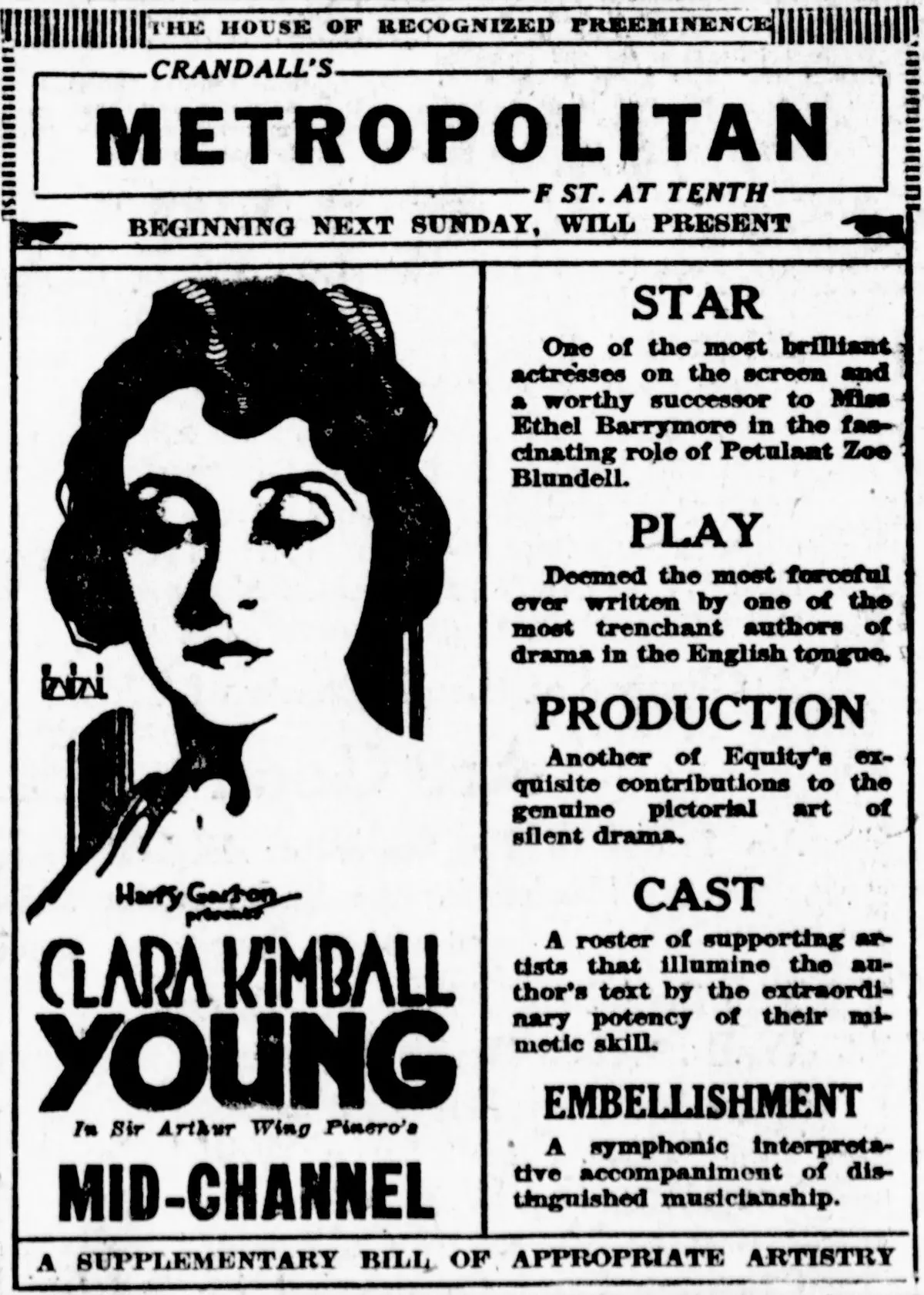
production_art
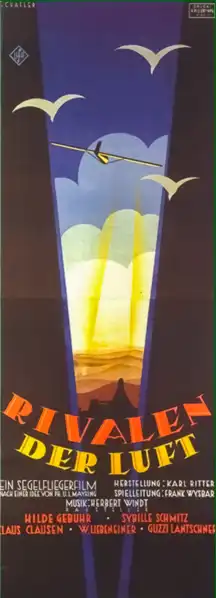
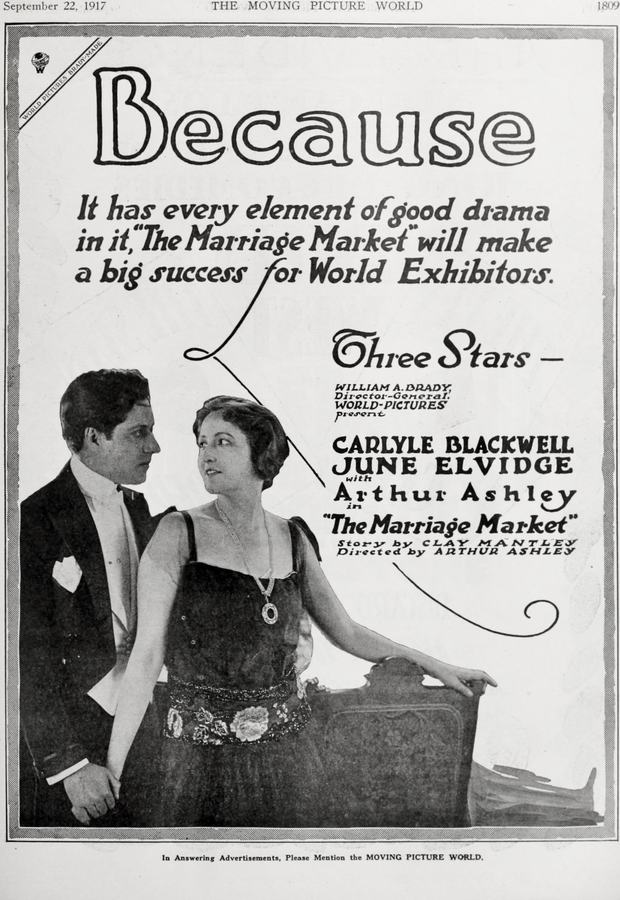
Comparing the cinematic DNA and archive impact of two defining moments in cult history.
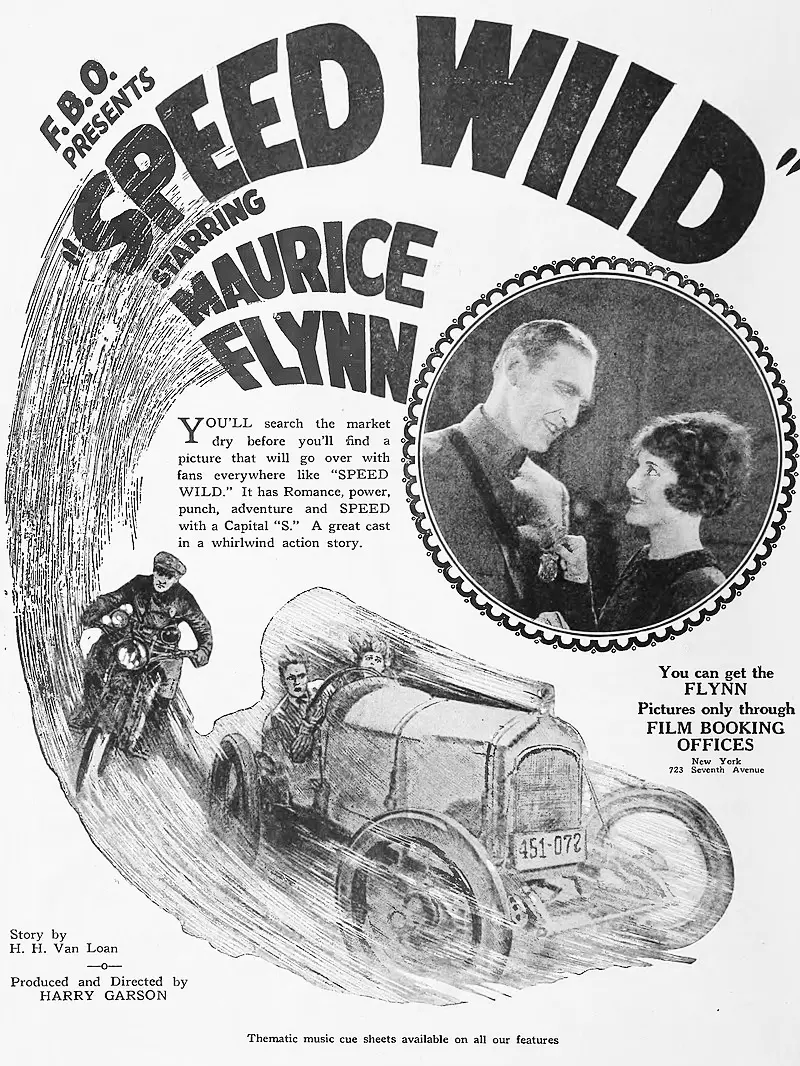
Harry Garson
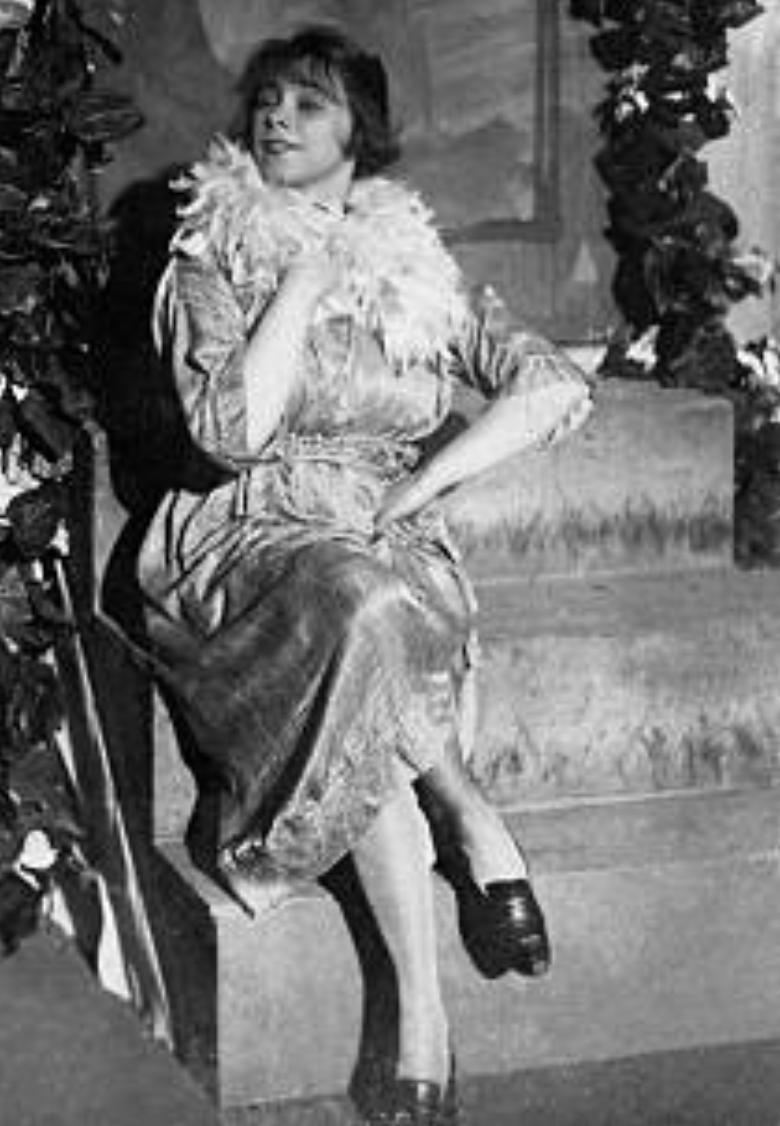
Bruno Ziener
Community
Log in to comment.
" Mid-Channel does not roar—it sighs, a slow exhalation of marital carbon-dioxide that hangs in the chandeliered gloom long after the title card fades. Pinero’s 1909 stage hit, transposed by George Ingleton to the flickering grayscale of 1920, arrives like a bruise under crêpe-de-Chine: delicate, painful, and unfashionably honest about what happens when two people discover that love’s bright currency has been debased by habit. Clara Kimball Young, queen of the vitreous stare, plays Zoe with the ..."
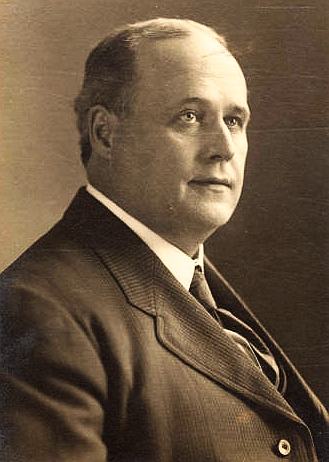
Edward Kimball
Arthur Wing Pinero, George Ingleton
United States
Deep dive into the cult classic
Discover similar cinematic experiences
A Directorial Spotlight on Harry Garson