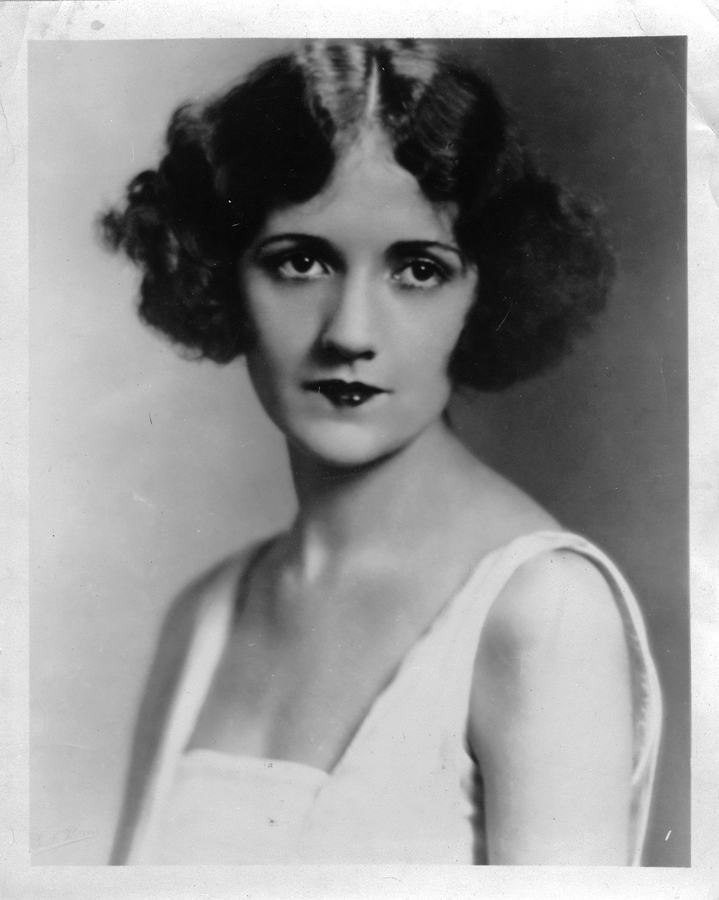
Constance Talmadge
actress, producer
- Birth name:
- Constance Alice Talmadge
- Born:
- 1898-04-19, Brooklyn, New York, USA
- Died:
- 1973-11-23, Los Angeles, California, USA
- Professions:
- actress, producer
Biography
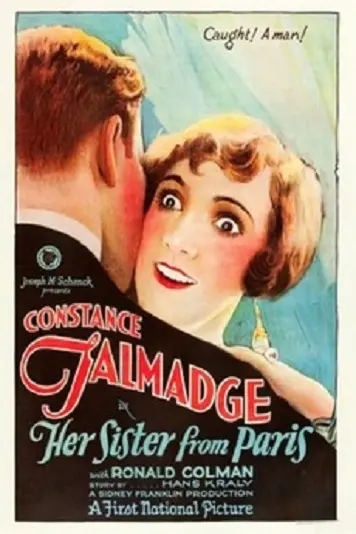
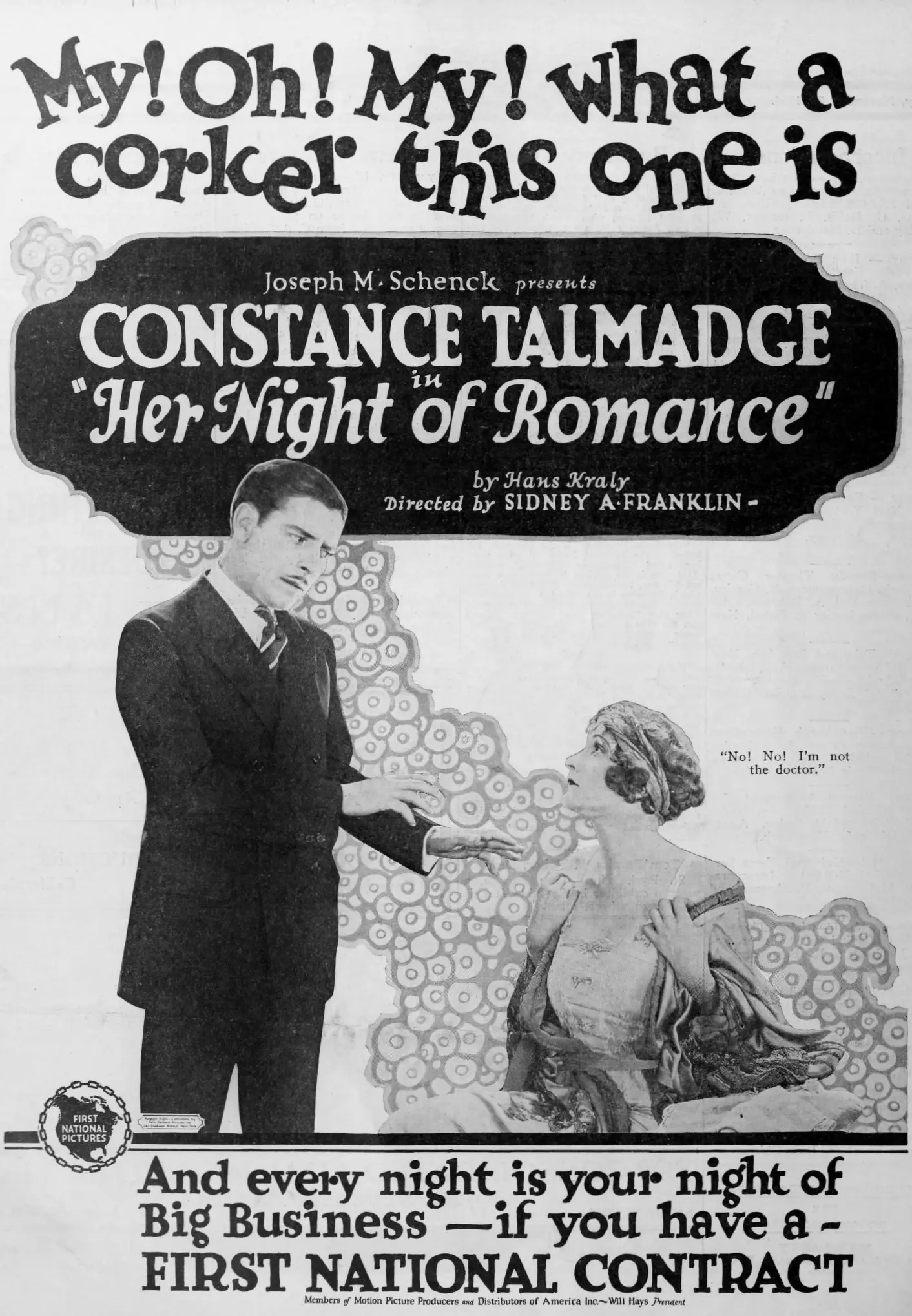
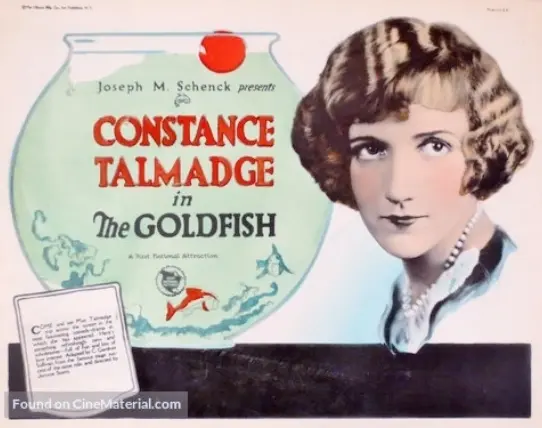
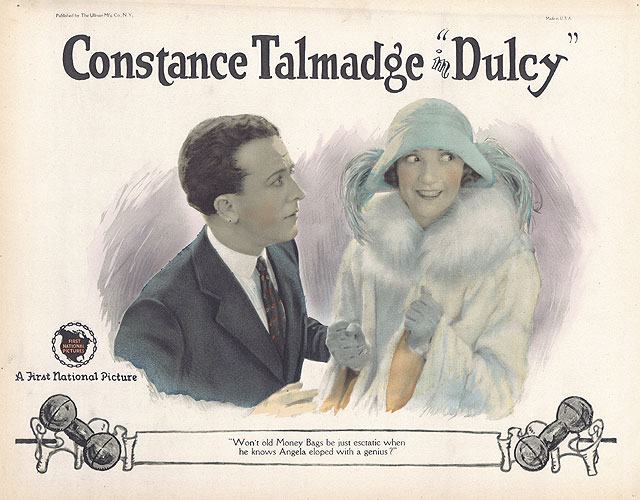
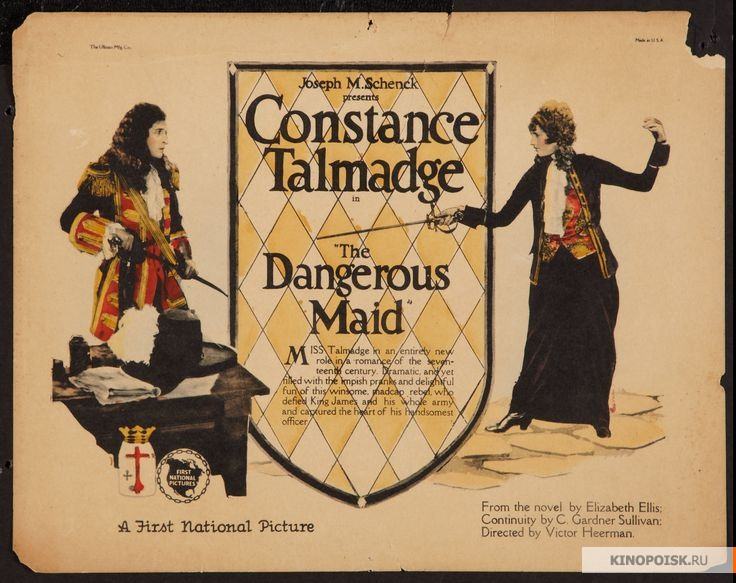
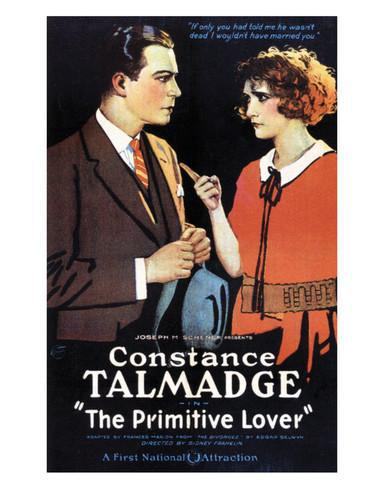
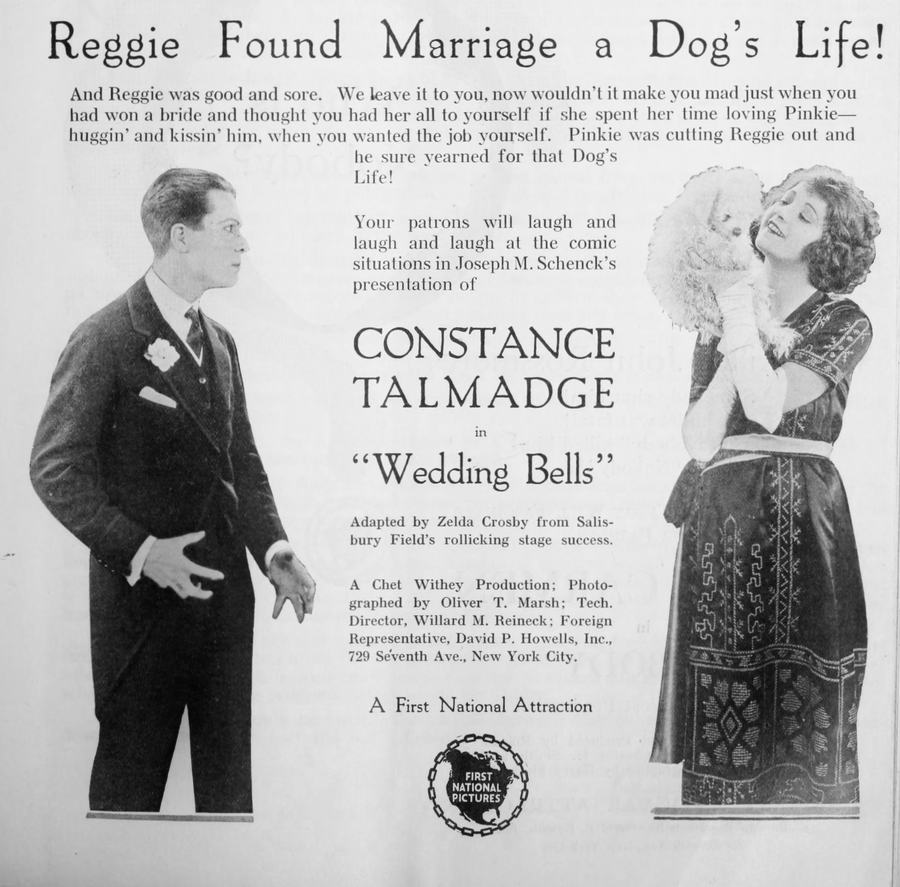
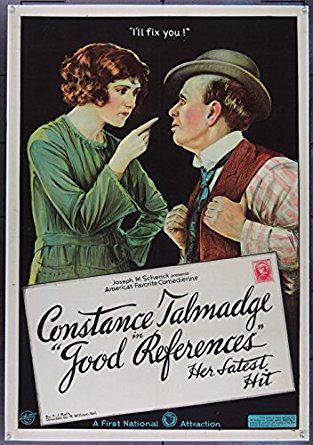
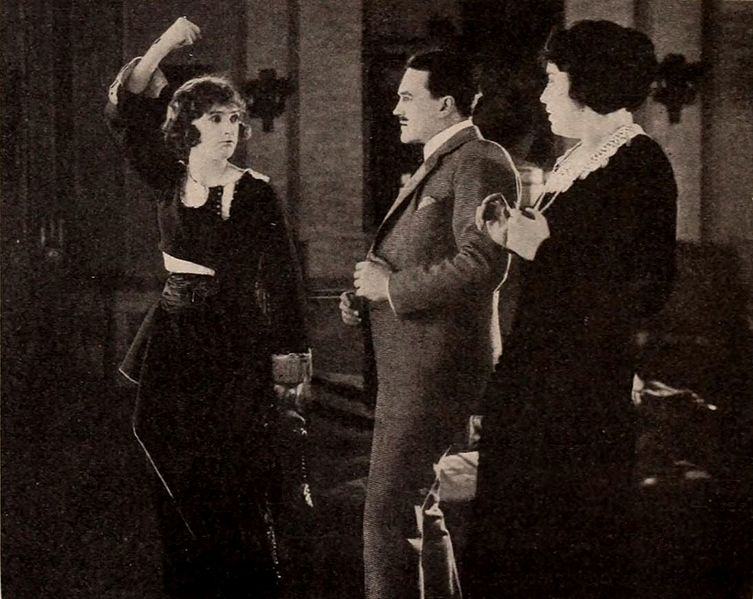
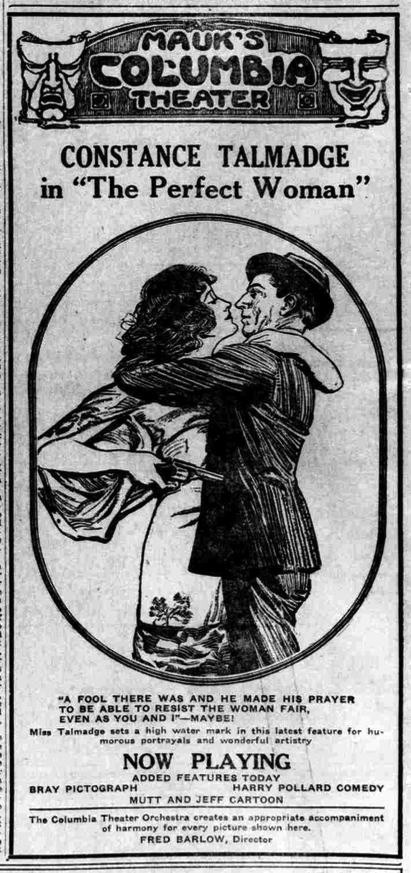
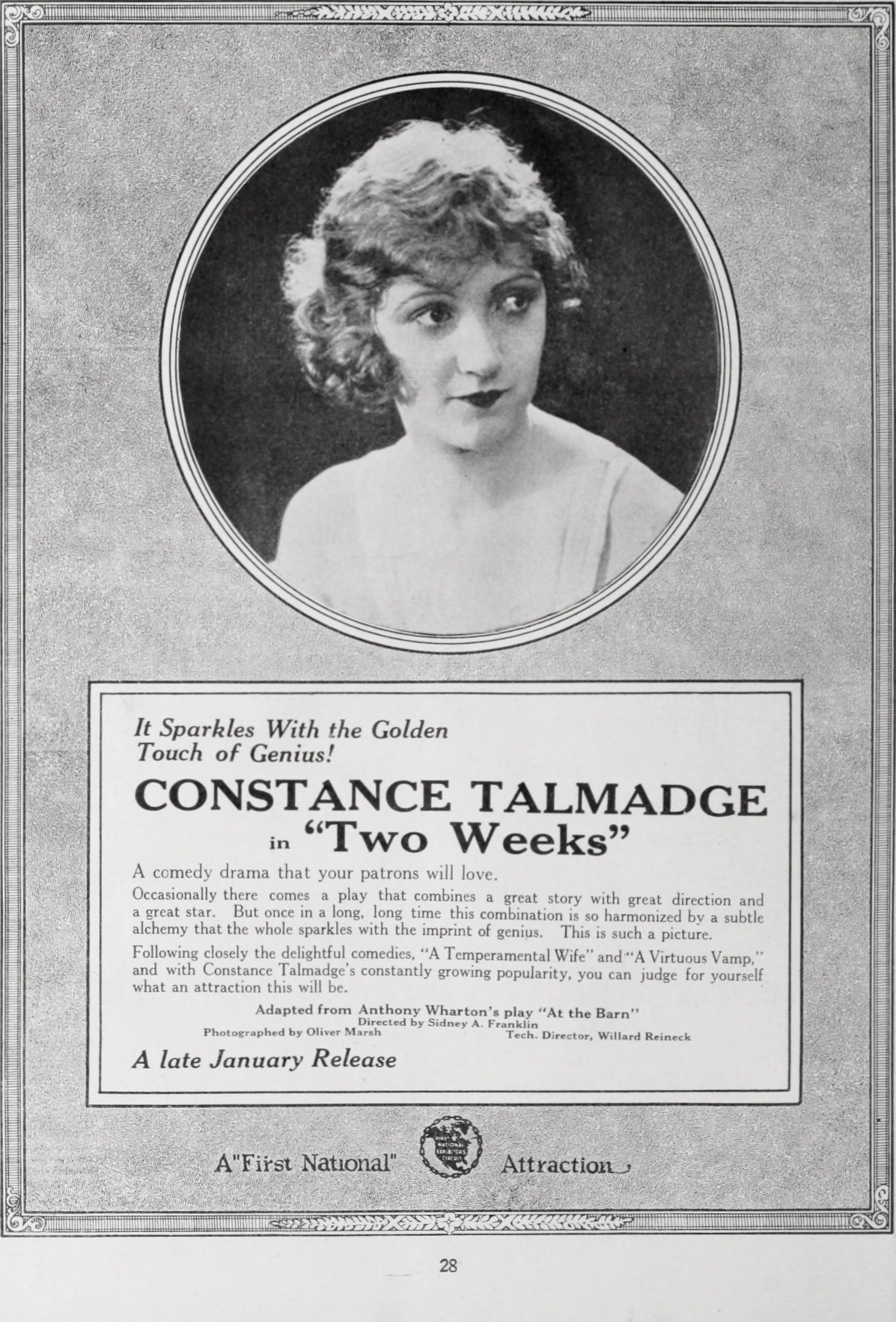
While Norma Talmadge brooded in velvet gloom, Constance streaked across the screen like champagne suds—golden, irrepressible, forever ducking catastrophe in a flounced dress. Peg Talmadge nicknamed her “Dutch” because the child’s round cheeks and stubborn curl mirrored the boy on the biscuit tin, and the label stuck even after Brooklyn’s streets replaced cookie jars. She arrived in the world on April 19, 1898—though the calendar later wobbled between 1897 and 1903 depending on who was counting—just in time for a childhood that read like Dickens with subway tokens: an absent, bottle-bound father, Fred; three small sisters trading hunger for ambition; a mother who decided if men could vanish, daughters could headline. When Norma’s face at Vitagraph started paying the rent, fourteen-year-old Constance barged into the Flatbush studio and demanded her own close-up. They handed her a veil and a pratfall: *In Bridal Attire* (1914), two reels, one take, instant mischief. More shorts followed—usually opposite rubber-limmed Billy Quirk—until D. W. Griffith cast her as the Mountain Girl, all flashing eyes and ammunition sashes in *Intolerance* (1916). Audiences stampeded to see her cock a rifle and a smile in the same frame; when Griffith later carved that storyline into the stand-alone *The Fall of Babylon* (1919), he reshot the ending so she could gallop off alive—public demand trumping artistic tragedy. The Jazz Age found her trading Babylon dust for beaded fringe, trading Griffith for a different Harrison Ford. Together they spun out sparkling urban fairy tales—*A Pair of Silk Stockings* (1918), *Happiness a la Mode* (1919), *Romance and Arabella* (1919), *Wedding Bells* (1921), *The Primitive Lover* (1922)—each one a breeze of flirtation and last-minute embraces. Critics coined the word “Talmadge-esque” to describe the way she could arch one eyebrow and collapse an entire ballroom of pretense. Power followed fame; she incorporated her own company, green-lit scripts, picked directors, and still clocked out for daily tennis. Then sound barged in like a clumsy stagehand. The three Talmadge sisters—Norma’s tremulous soprano, Natalie’s flat alto, Constance’s Brooklyn squawk—proved ill-suited to the new microphones. Rather than wait for the axe, they cashed their chips early, left Hollywood still billing above the title, and let the mythmakers claim they retired “at the summit.” Off-screen she married four times, invested in real estate so cannily that Los Angeles still walks on chunks of her acreage, and gradually folded herself into a quieter life. The same buoyancy that once sold out theatres slid, in private, into the sedative rhythm of a highball glass; the sisters, once inseparable, drifted through the same long corridor of drink. Pneumonia, sharp and sudden, ended the reel on November 23, 1973, in a Los Angeles hospital room. The laughter that had skipped across a thousand silent auditoriums finally faded to blackout—yet every time a modern viewer discovers the Mountain Girl grinning at Babylon’s chaos, Constance Talmadge vaults back onto the wall, forever bright, forever sprinting just ahead of the collapse.
Filmography
In the vault (16)