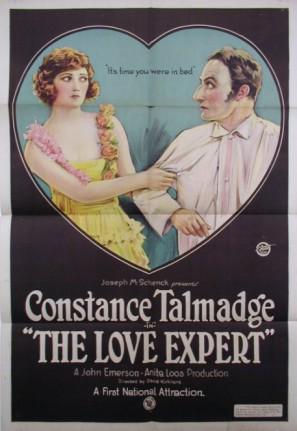
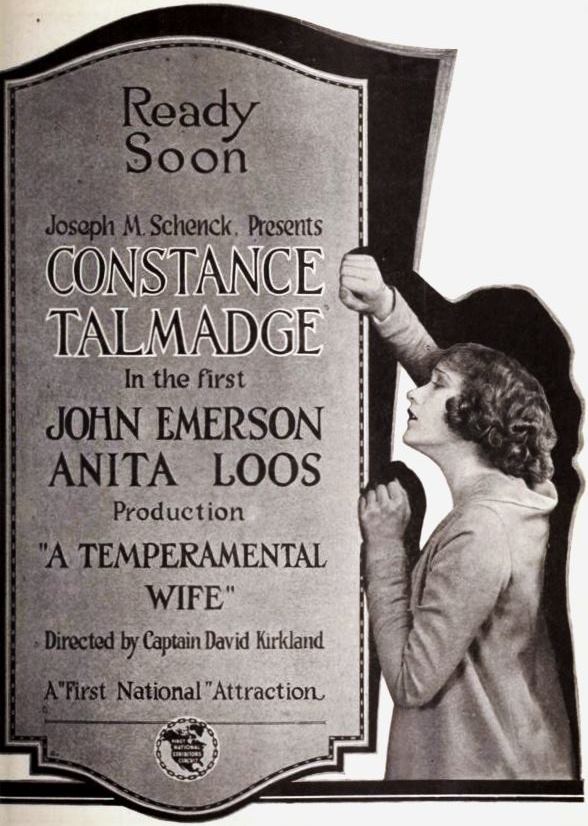
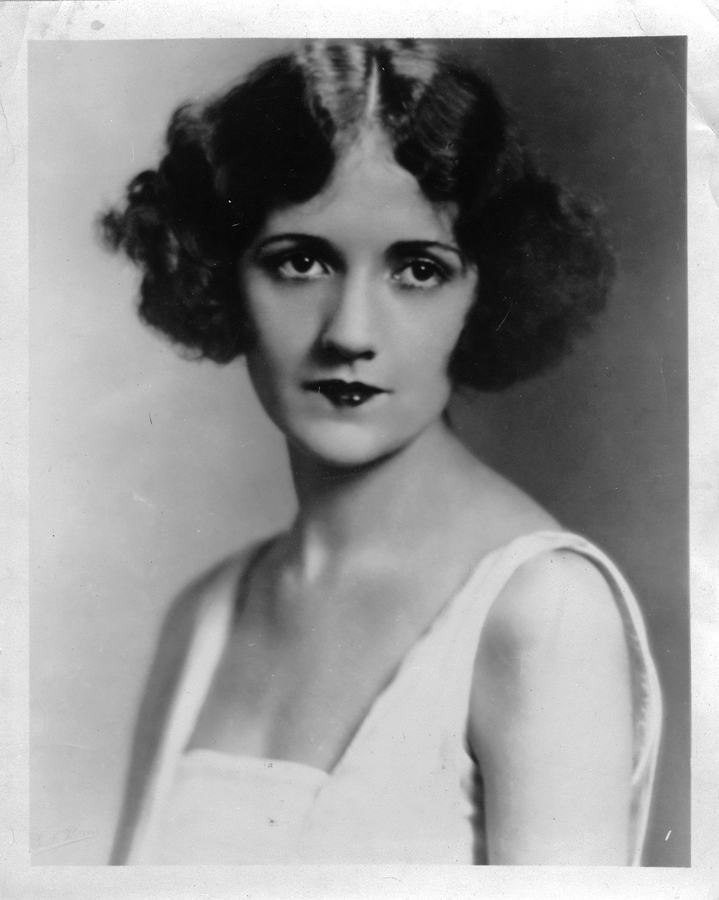
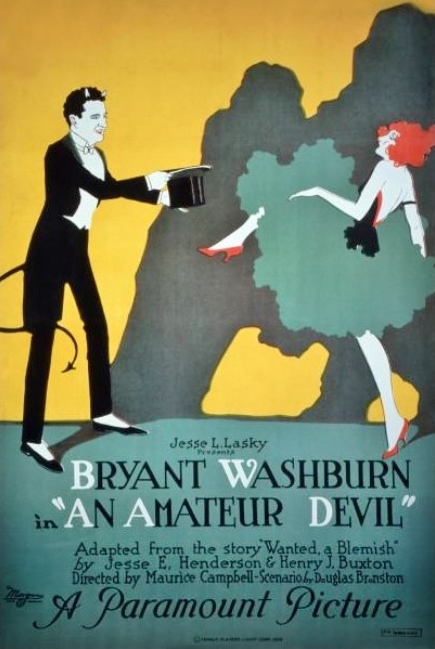
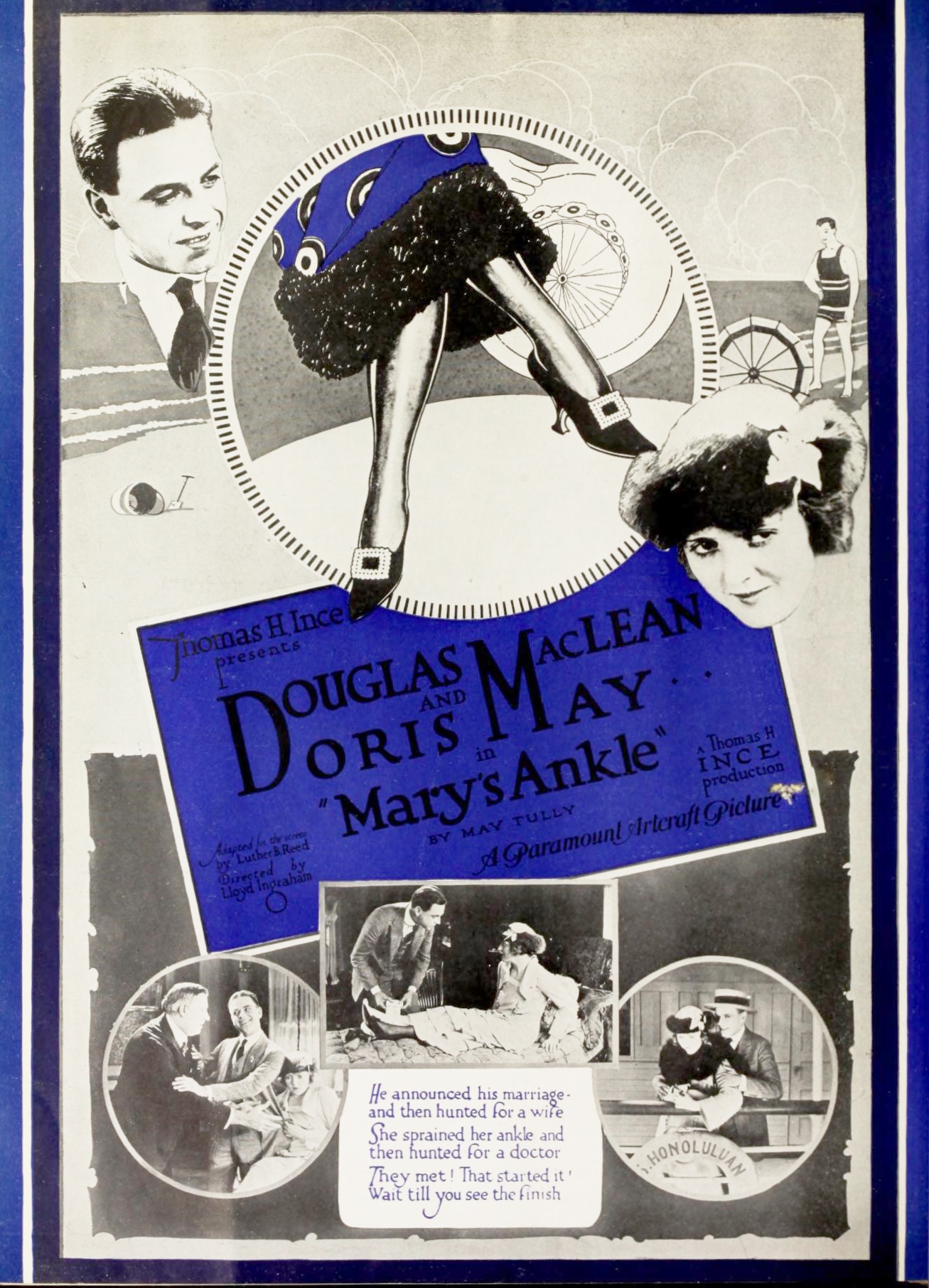
When Mary Blake applies for the position of personal secretary to misogynist James Stanhope, she is judged too attractive to accomplish the job. Mary returns home, makes herself unattractive and is promptly hired.
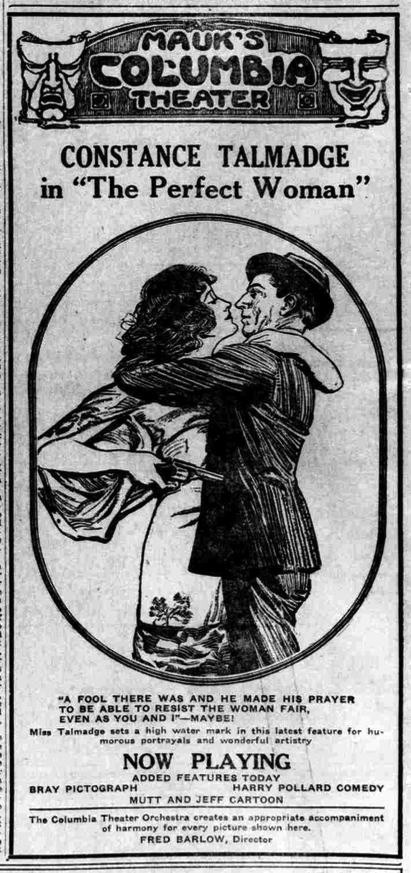
Constance Talmadge detonates 1920s sexism with a wink, a statue, and a time-bomb under the patriarchy. The first time I watched The Perfect Woman I was squatting on a rickety barstool in a Bologna archive, the only spectator in a subterranean vault that smelled of nitrate and espresso ghosts. When the final reel fla...
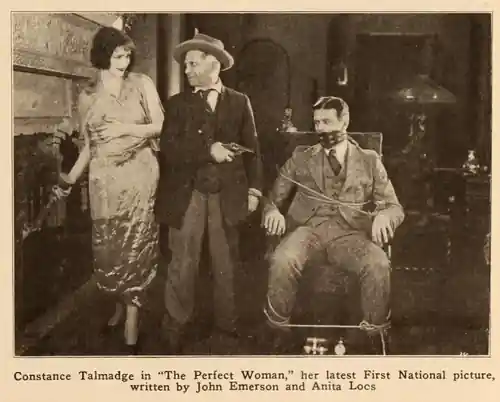
publicity
Comparing the cinematic DNA and archive impact of two defining moments in cult history.
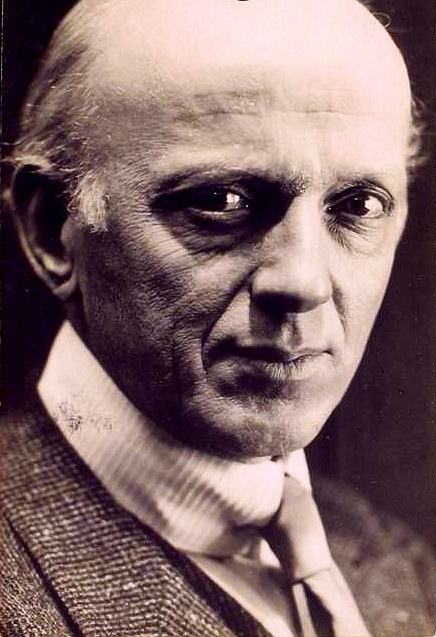
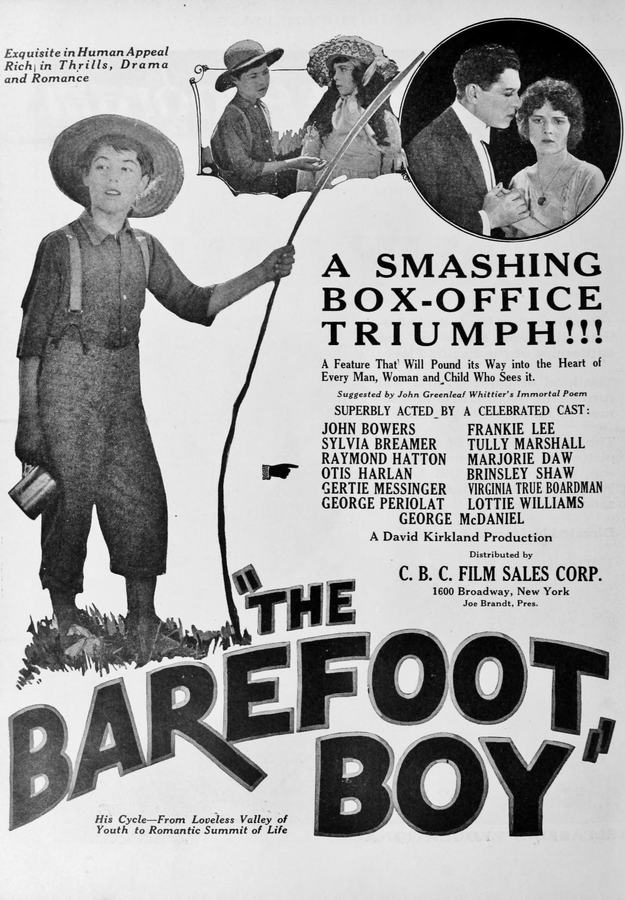
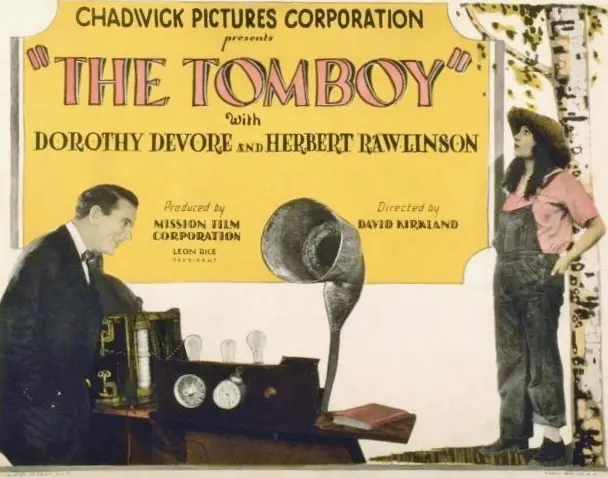
David Kirkland
Richard Smith
Community
Log in to comment.
" Constance Talmadge detonates 1920s sexism with a wink, a statue, and a time-bomb under the patriarchy. The first time I watched The Perfect Woman I was squatting on a rickety barstool in a Bologna archive, the only spectator in a subterranean vault that smelled of nitrate and espresso ghosts. When the final reel flapped against the projector gate, the room seemed to exhale ninety years of withheld applause. Few silents feel this urgently modern; fewer still manage to lampoon male fragility wh..."
Anita Loos, John Emerson
United States
Deep dive into the cult classic
Discover similar cinematic experiences
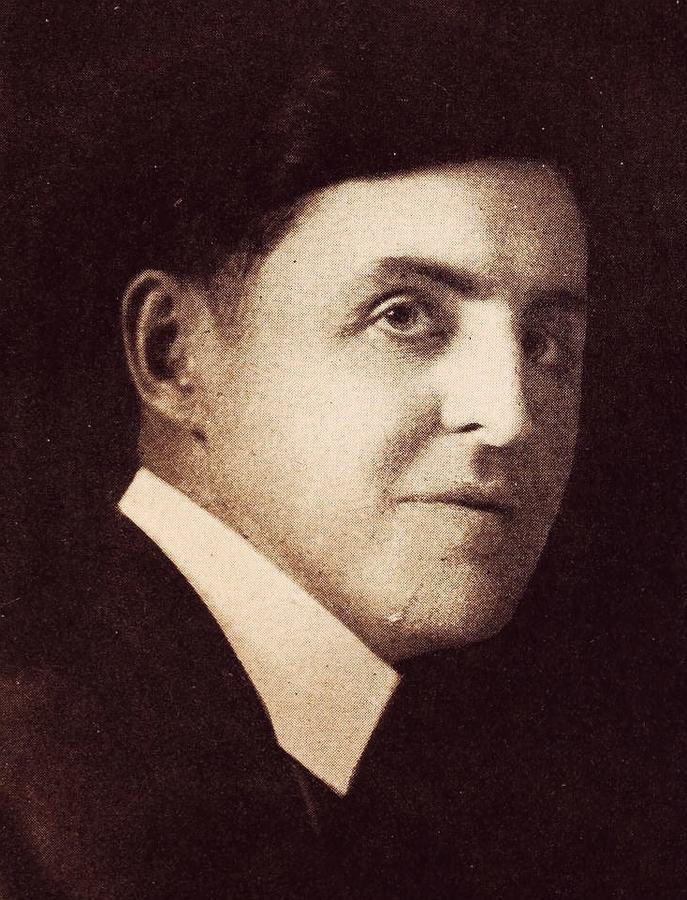
A Directorial Spotlight on David Kirkland