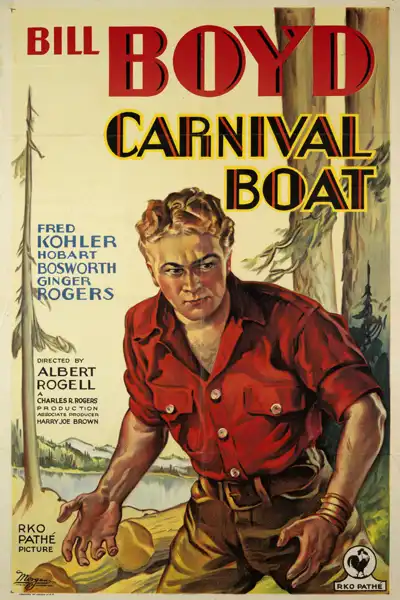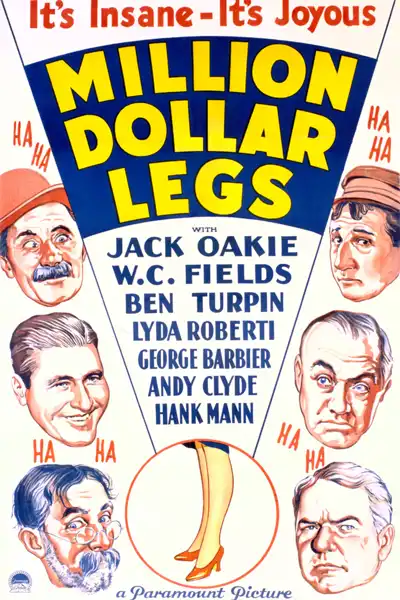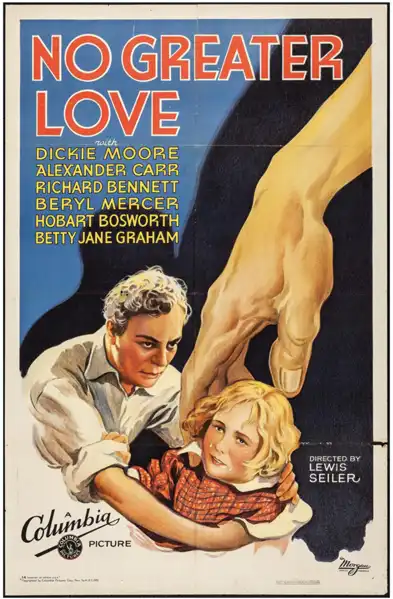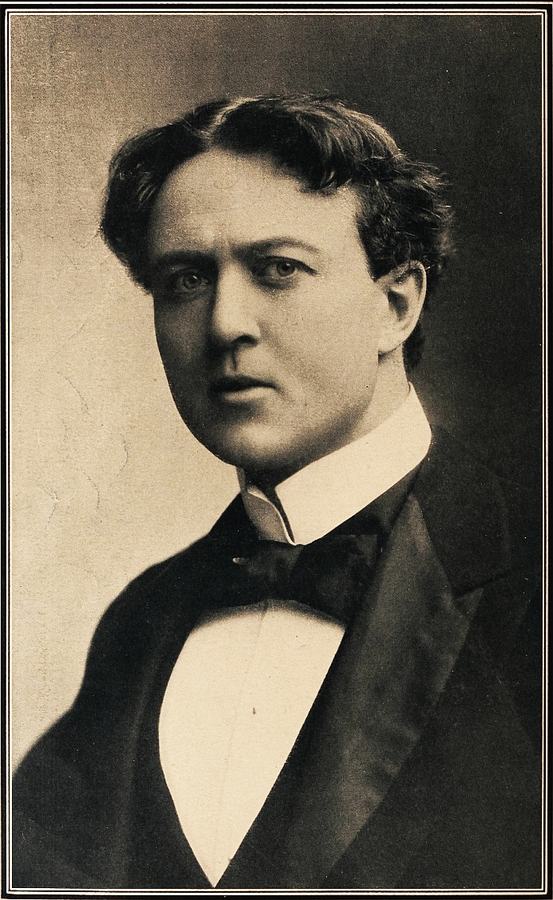
Hobart Bosworth
actor, director, writer
- Birth name:
- Hobart Van Zandt Bosworth
- Born:
- 1867-08-11, Marietta, Ohio, USA
- Died:
- 1943-12-30, Glendale, California, USA
- Professions:
- actor, director, writer
Biography
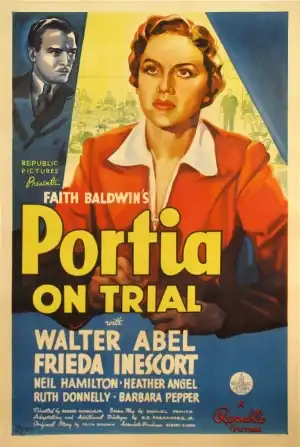
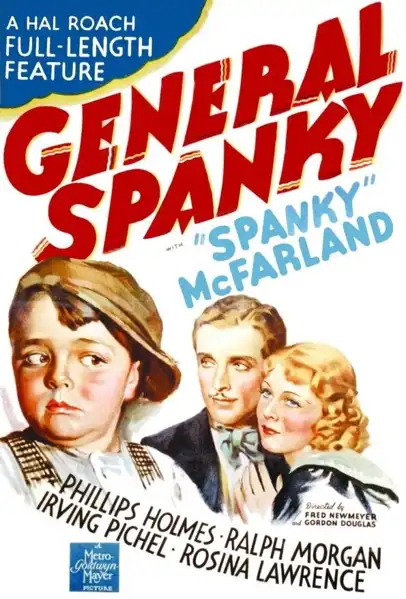
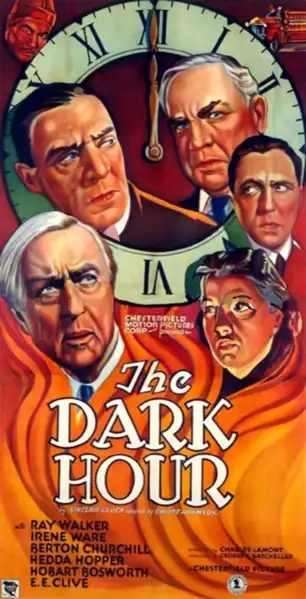
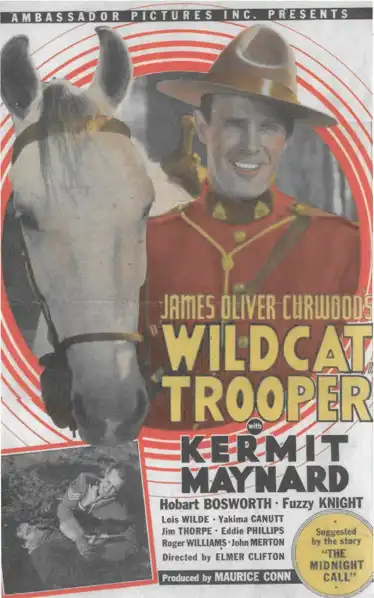
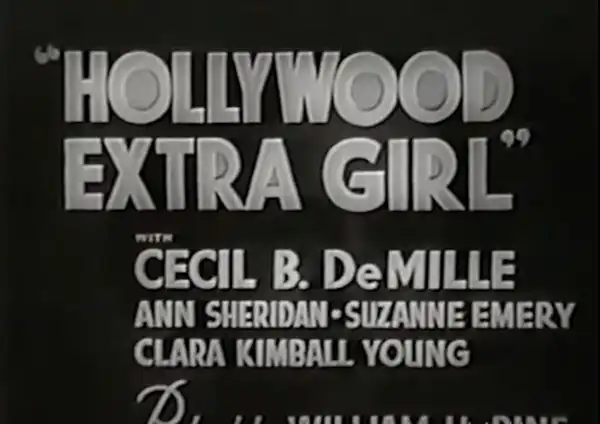
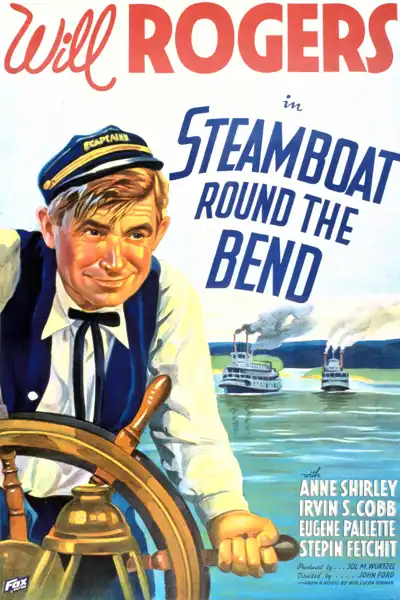
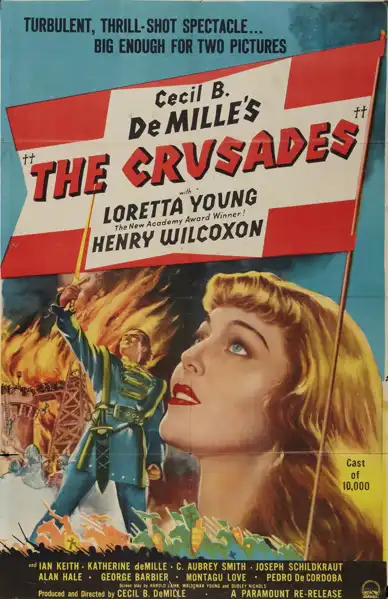
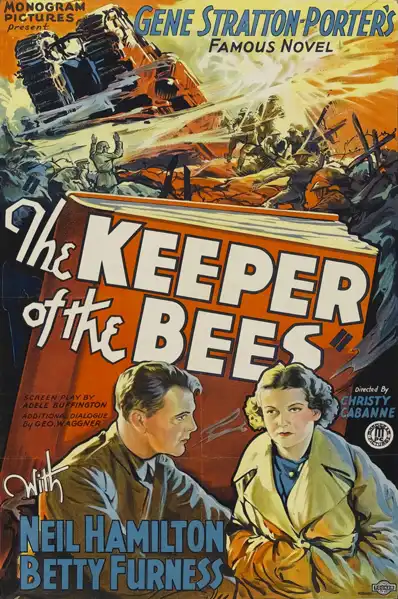
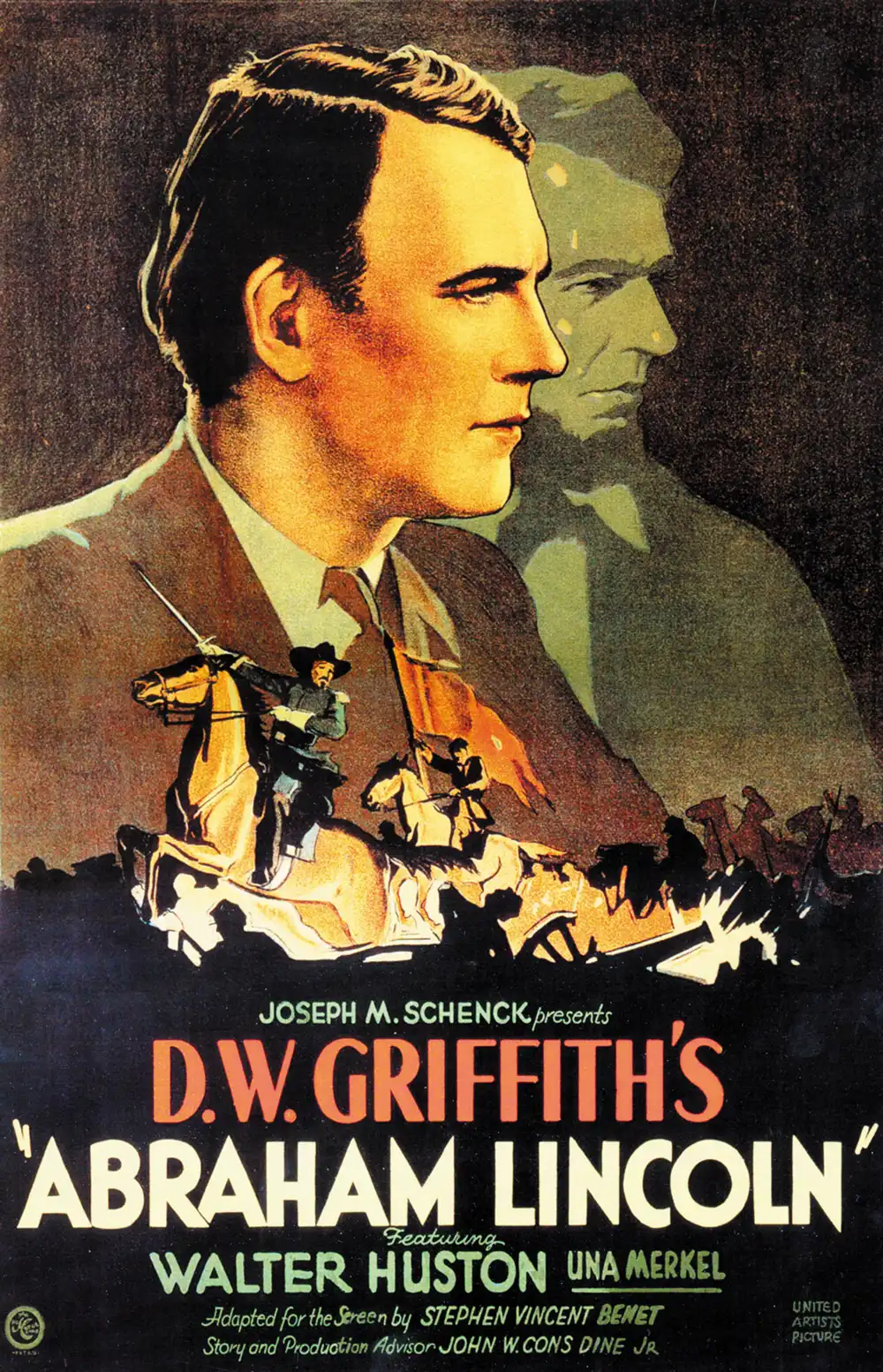
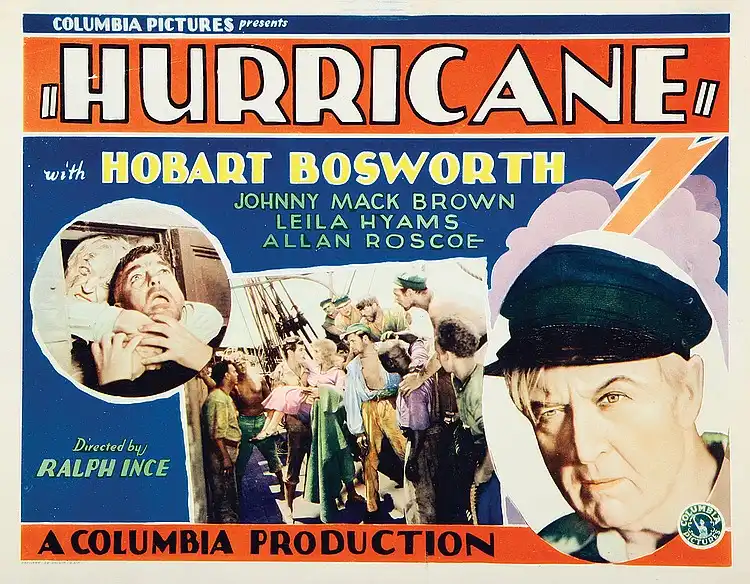
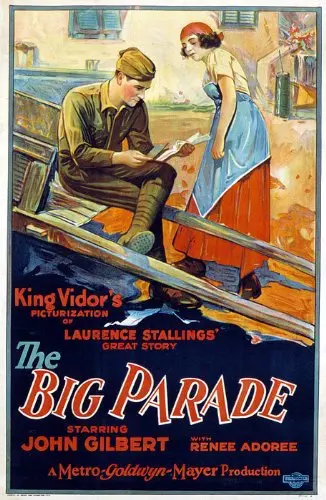
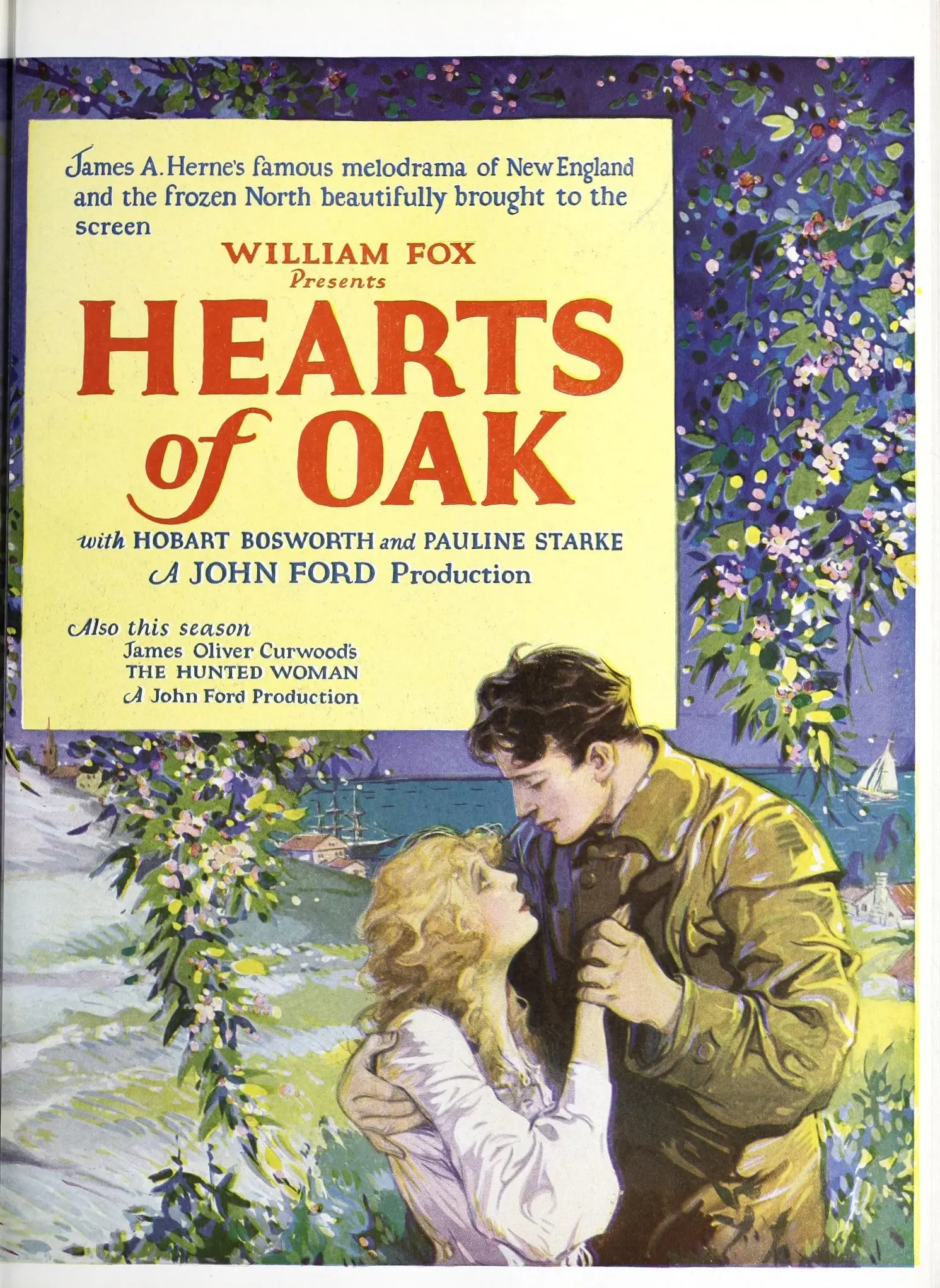
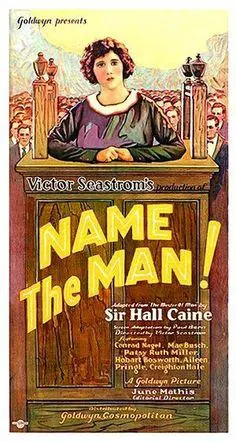
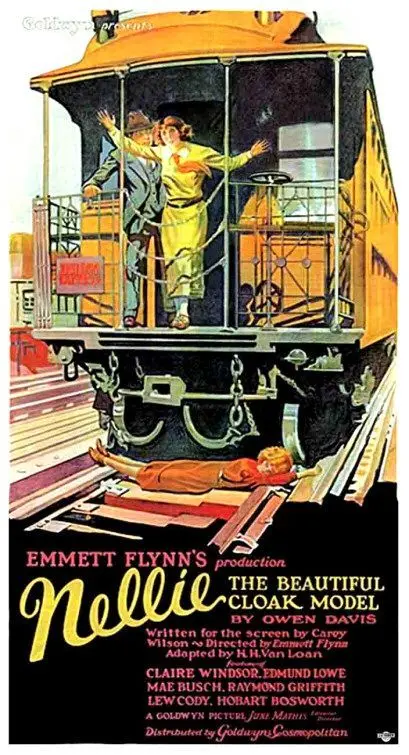
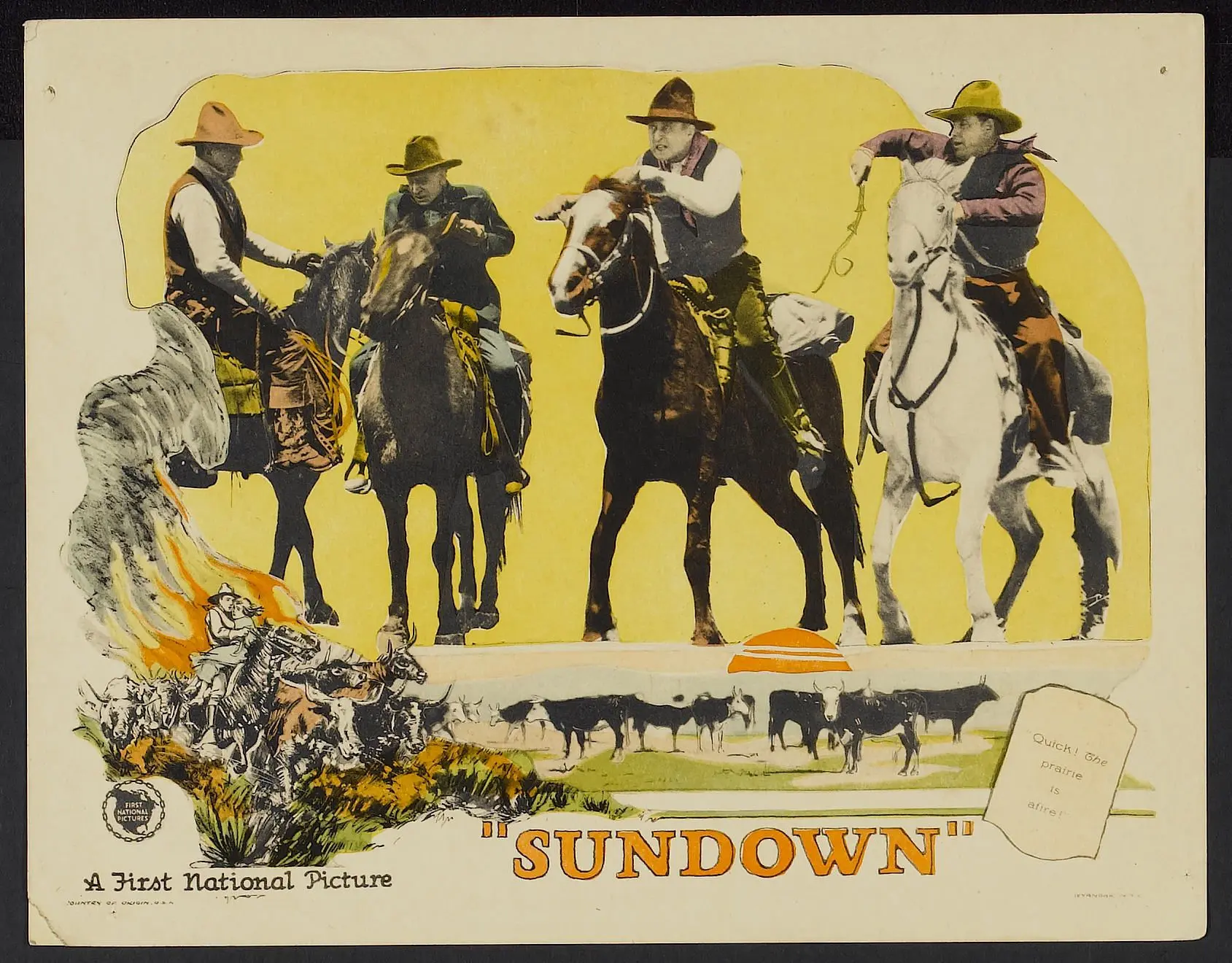
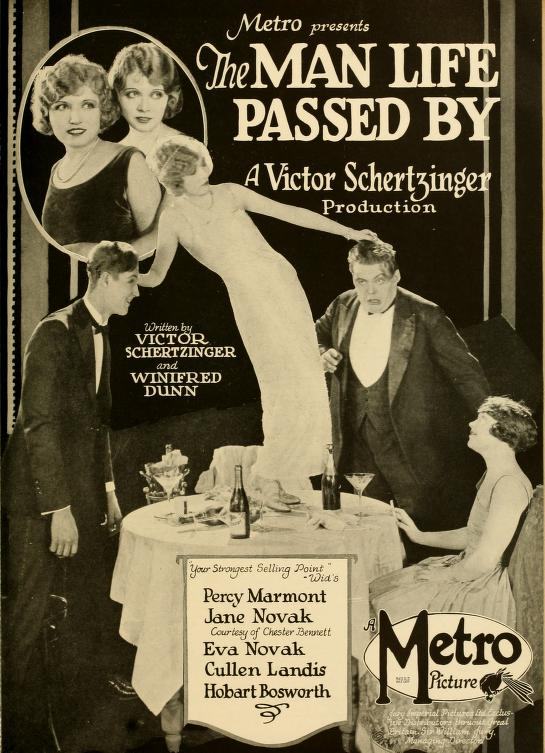
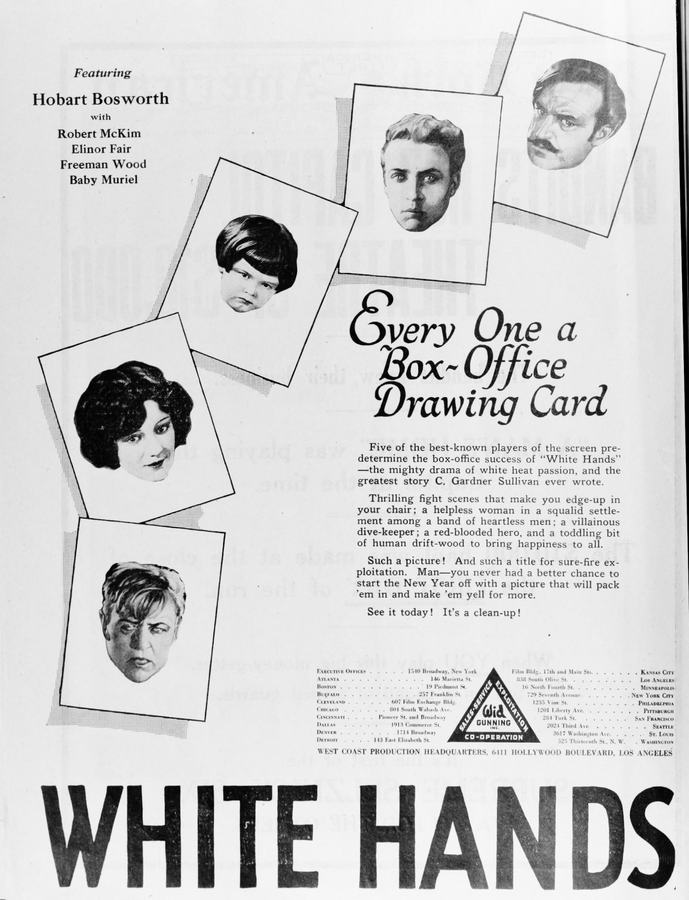
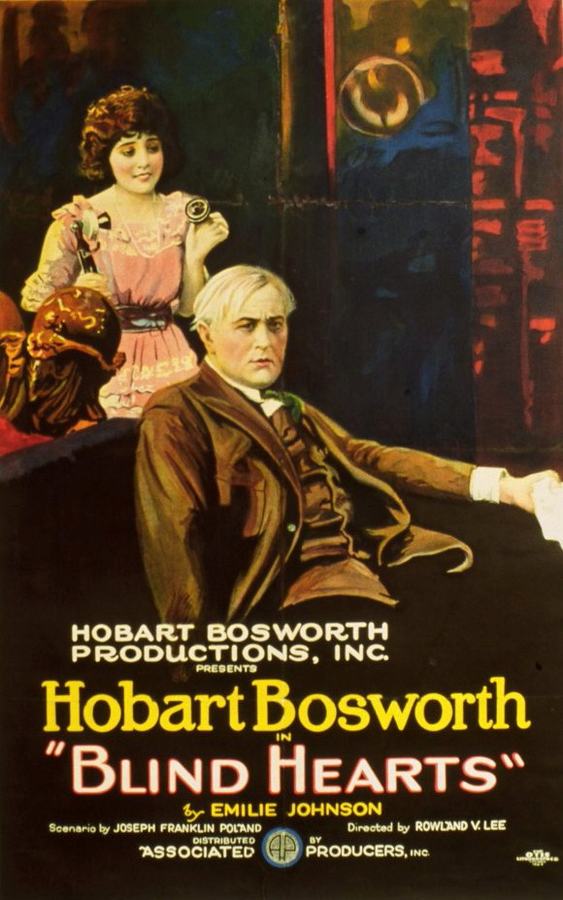
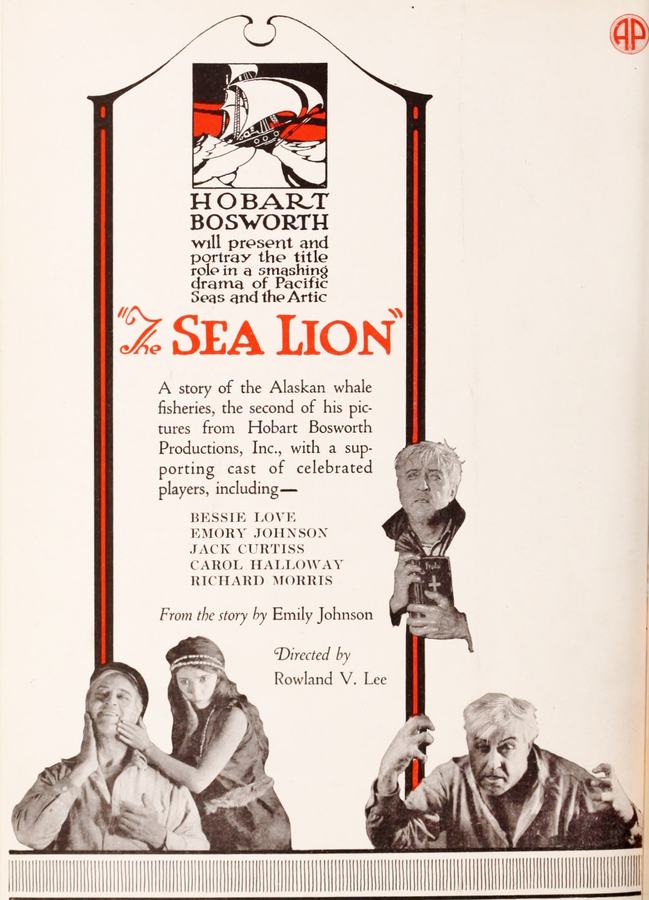
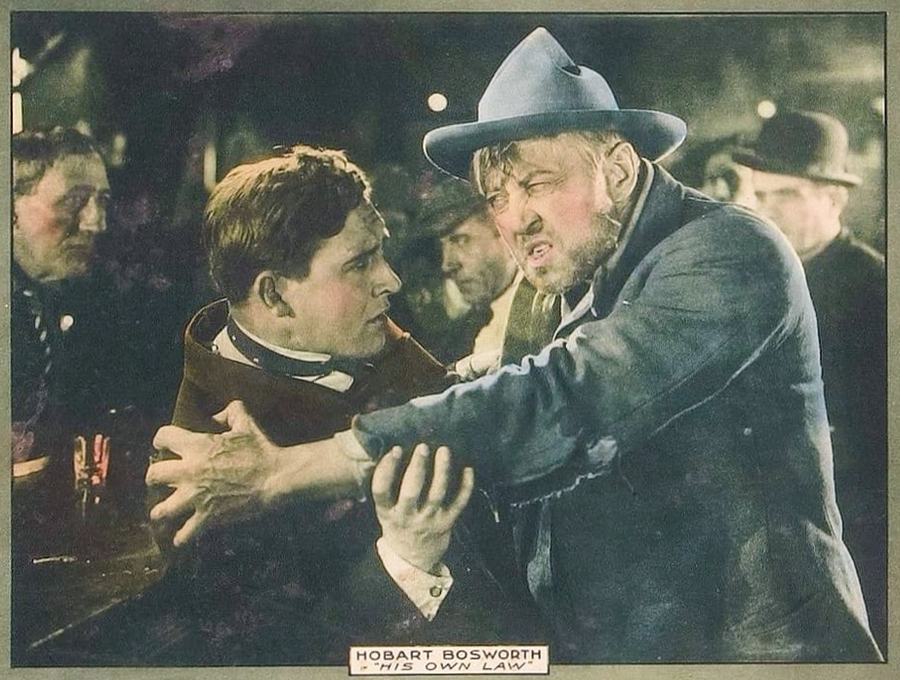
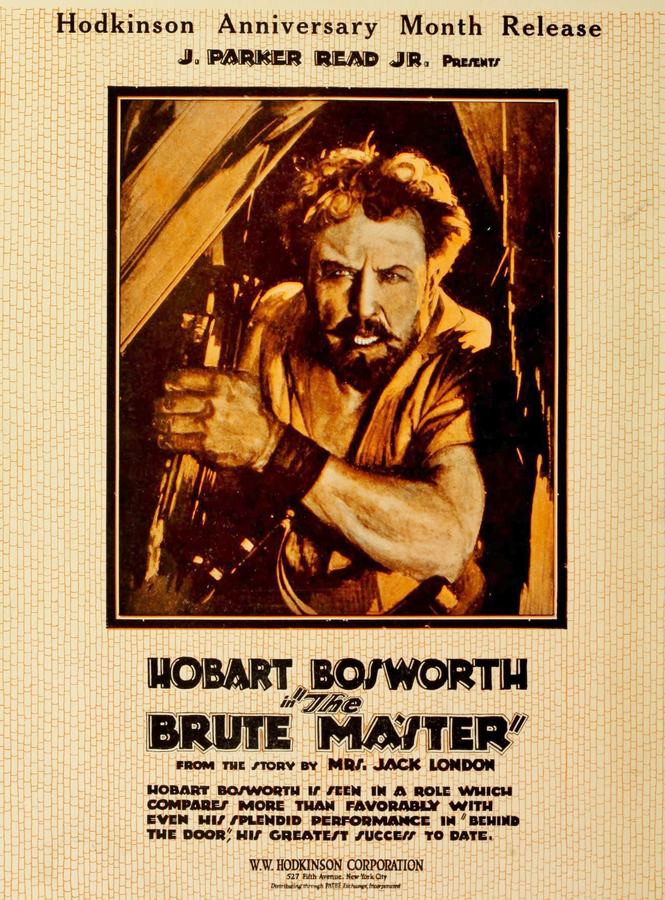
A barefoot boy with Mayflower blood in his veins, Hobart Van Zandt Bosworth bolted from Marietta, Ohio, on 11 August 1867, fleeing a stepmother he could not abide and a house that no longer felt like home. By thirteen he had signed aboard the clipper Sovereign of the Seas, trading the banks of the Muskingum for the swell of the Pacific. Five months later, pockets jingling with candy money, he napped on a San Francisco bench while an uncle pulled organ stops at Trinity Church—an accidental family reunion he discovered only when a stevedore boss recognized the resemblance. Three Arctic voyages, a whaler’s winter iced in off Point Barrow, and stints as dock rat, prizefighter, ranch hand, and circus rider followed before the theater—cheaper than art school—lured him indoors. At eighteen he miscued three lines as a last-minute replacement at San Francisco’s California Theatre, yet the taste of greasepaint stuck. By twenty-one he had rattled through most of Shakespeare’s kings and clowns, once confessing he was “the rottenest Macbeth ever foisted on a paying crowd.” Utah silver mines tried to swallow him—he pushed ore carts in Park City to bankroll supper—until he escaped south as Hermann the Great’s wand-bearing assistant through Mexican border towns. In Mazatlán he shook hands with the father he had not seen since childhood; the man sized up the broad-shouldered stranger and conceded, “Too big to thrash now, boy.” They never met again. December 1888 found Bosworth storming across the stage of Augustin Daly’s New York company as Charles the Wrestler. A decade of minor roles in Berlin, Paris, Cologne, and London followed, seven Atlantic crossings sharpening an ambition that tuberculosis tried to snuff. The disease hacked away seventy pounds in ten weeks; doctors ordered him to desert footlights and winter in the Arizona sun. Tempe’s dry air saved his lungs but stole his baritone—yet the flickering new art of celluloid asked only for silhouette, not speech. Selig Polyscope hired him in 1908 to shoot beneath California’s open sky. Hobart packed the company’s trunks, pointed the train west, and stepped before a hand-crank camera at Echo Park Lake, becoming, by most tallies, the first star to act on what would soon be called Hollywood soil. He wrote, directed, produced, and played the leads—112 scripts, 84 pictures in five frenzied years—then courted Jack London, turning the author’s Yukon frostbite into shadows on white sheets: The Sea Wolf (1913) with London himself as tar in the fo’c’sle, followed by Martin Eden, John Barleycorn, and the two-part Alaska epic Burning Daylight, all delivered through Paramount’s newborn distribution arteries. His own shingle—Hobart Bosworth Productions—rose on Occidental Boulevard, cranked out thirty-one features between 1913 and 1921, and was finally folded into the expanding Paramount empire. The merger closed the chapter where he called every shot; from 1916 onward he returned to acting, lending snowy gravitas to sons and fathers, generals and chaplains, in silent spectacles and early talkies alike. John Gilbert wept to his counsel in The Big Parade (1925); Conrad Nagel raged against him in Du Barry, Woman of Passion (1930); he stood ramrod-straight as Robert E. Lee in Griffith’s Abraham Lincoln (1930) and twinkled briefly alongside W. C. Fields, Will Rogers, Barbara Stanwyck, Errol Flynn—name a lot, he probably passed through it. When the parts shrank to one-day bits, he still reported before dawn, last man on set at seventy-five, clutching a walking stick carved from a whaler’s oar. Pneumonia, not the cameras, finally shouted “Cut!” on 30 December 1943 in a Glendale hospital room. He left behind a widow, Cecile; a grown son, George; and more than 250 screen performances that stretched from the flick of a nickelodeon shutter to the swells of a Warner Bros. orchestra—an ocean of stories navigated by the cabin boy who once thought he’d die with nothing but salt on his lips.
Filmography
In the vault (82)