John Ince
actor, director, producer
- Birth name:
- John Edward Ince
- Born:
- 1878-08-29, New York City, New York, USA
- Died:
- 1947-04-10, Hollywood, Los Angeles, California, USA
- Professions:
- actor, director, producer
Biography
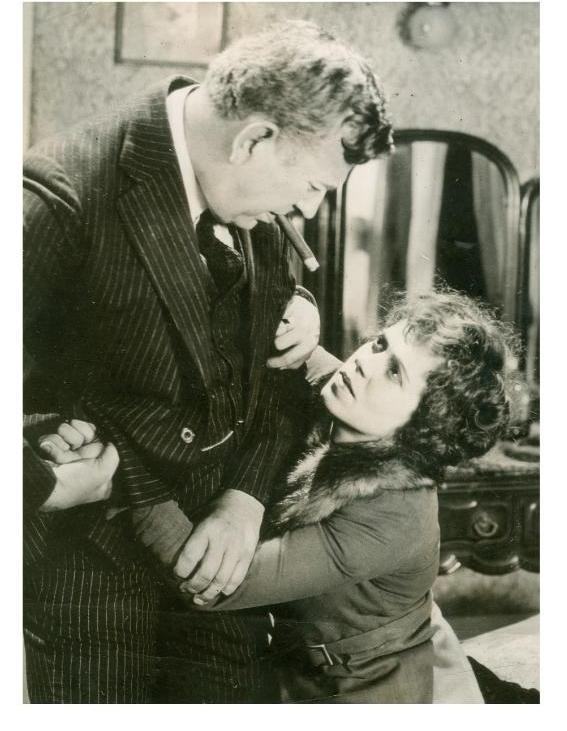
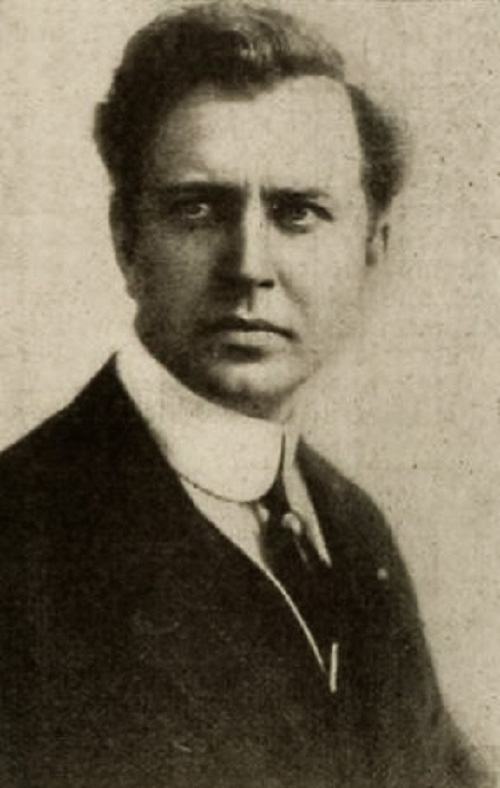
John Ince entered the world in 1878 amid the footlights of New York City, the first son of a pair of vaudevillians who spent more nights on trains than at home. Two more Ince boys followed, each lured by the same spotlight: Ralph, quick-witted and magnetic; and Thomas, the whirlwind who would soon redraw the map of American film by erecting “Inceville,” a self-contained dream factory on a California hillside—sound stages, labs, and weather-beaten Western streets all humming under one banner. While Thomas barnstormed into legend and Ralph collected admirers who swore he out-directed one brother and out-acted the other, John quietly stitched together a career behind and in front of the camera. He cranked out brisk two-reelers for Thomas’s unit, occasionally stepping before the lens himself. His strangest undertaking remains a 1916 one-off in which real-life murderess Clara Smith Hamon restaged her own crime, playing herself in a drama bluntly titled Thomas H. Ince. Then came November 1924 and the yacht Oneida, floating palace of press baron William Randolph Hearst. Rumor still insists Hearst meant to plug Charlie Chaplin over Marion Davies and clipped Thomas instead. Whatever the truth, Thomas was carried off the boat in a coffin, and John—suddenly the senior surviving Ince—tried to keep the family name alive by launching his own lot. Four years later the timing proved lethal: a divorce, the Wall Street crash that vaporized his savings, and a night-time blaze that reduced his backlot to ash. The triple blow left him hustling for day-work in Poverty Row quickies and, by the mid-’30s, trading single lines or simply blending into crowd scenes. A fleeting return to respectability came in 1946 when William Wyler handed him a one-scene badge as a bank guard sizing up Fredric March in The Best Years of Our Lives. One more anonymous bit in 1947, and Ince’s screen story closed; he died that same year. Years earlier he had shot a minor maritime programmer called Gun Cargo; the print finally surfaced in 1949, giving audiences a posthumous glimpse of a man whose bloodlines helped build Hollywood even as he slipped through its cracks.
Filmography
In the vault (83)