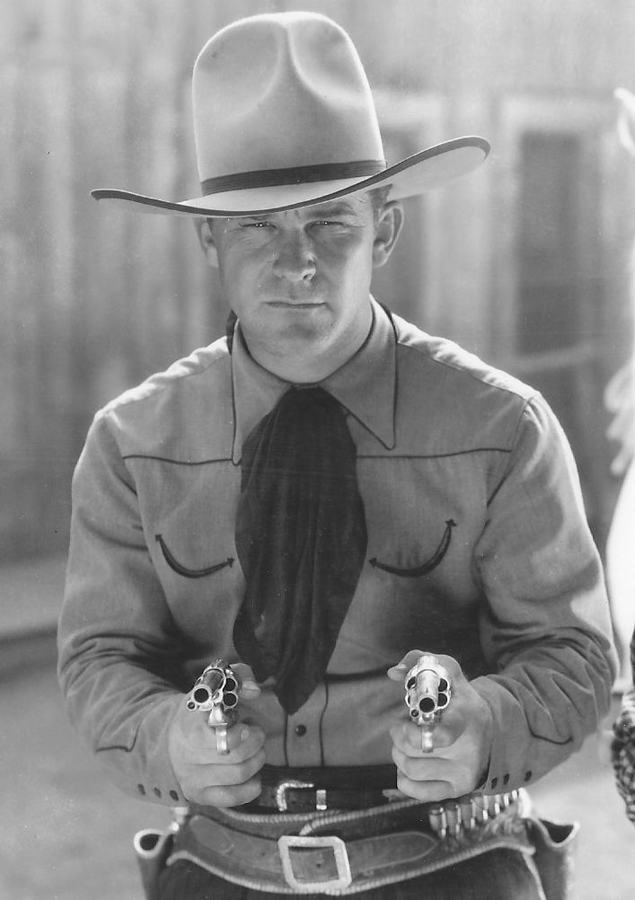
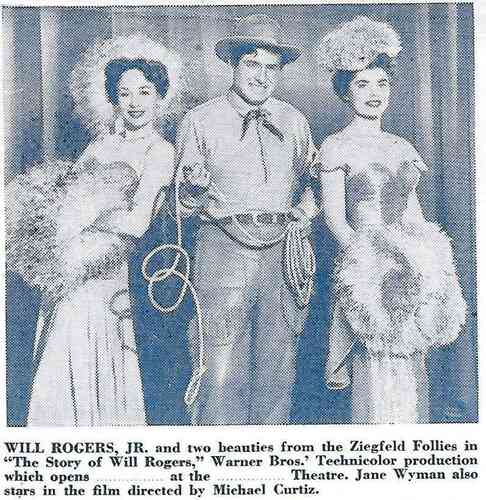
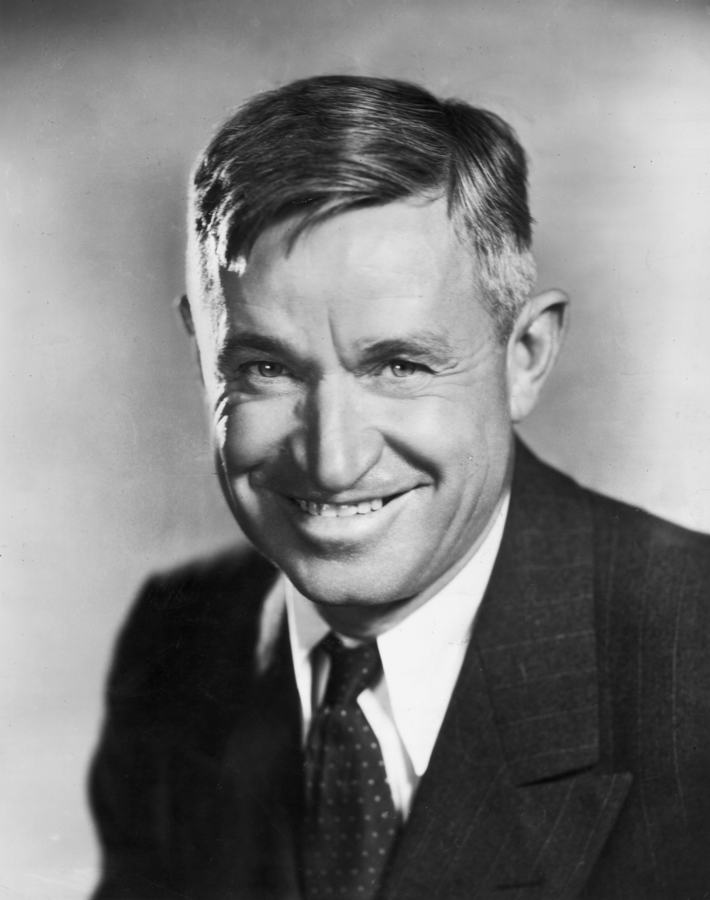
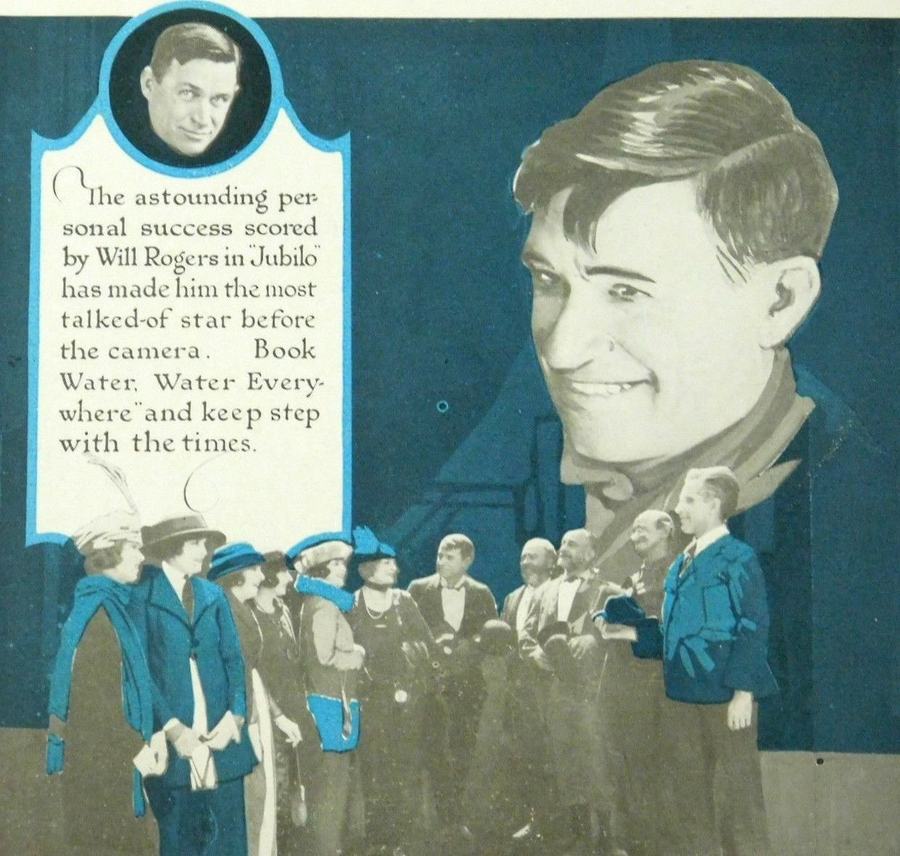
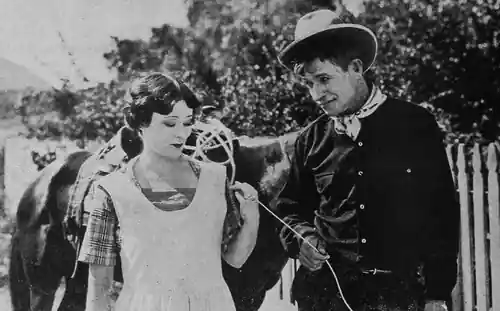
Will Rogers repeats for the camera his famous roping tricks from the Ziegfeld Follies. With a white-painted rope to show up against his black horse Dopey, Rogers demonstrates running catches, wherein he ropes the fore legs of the galloping horse.
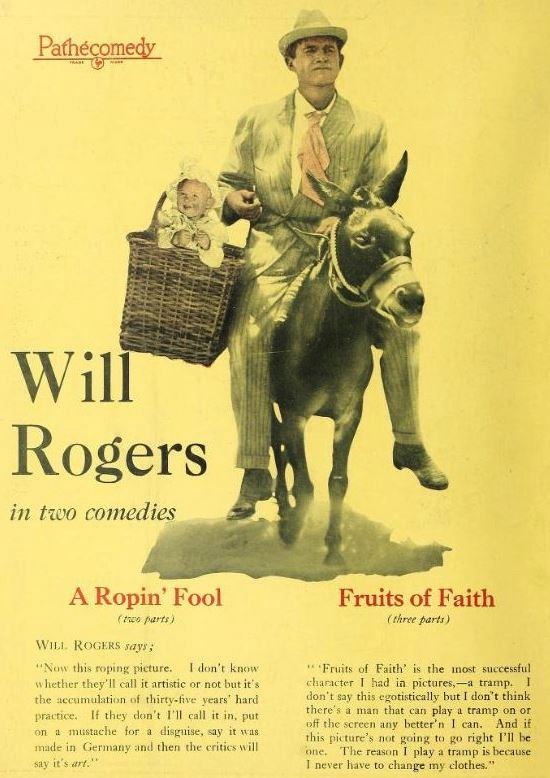
A lariat is only hemp until Will Rogers convinces it to dream. In the yawning hush of 1924, when Calvin Coolidge’s silence filled newspapers more cheaply than newsprint, a six-minute whisper called The Ropin’ Fool slipped into projection booths and vanished just as quickly—yet its afterimage lingers like heat lightn...
publicity
product
still_frame
still_frame
Comparing the cinematic DNA and archive impact of two defining moments in cult history.
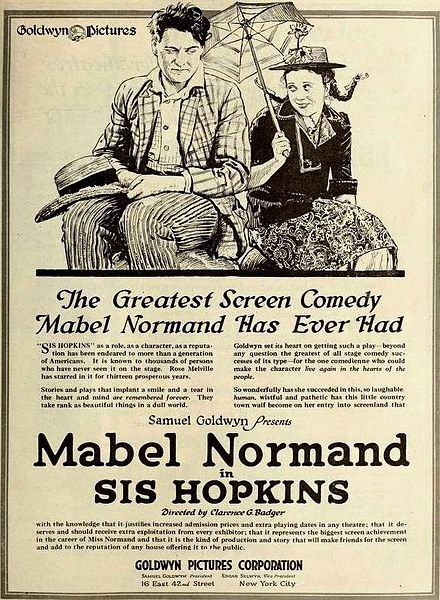
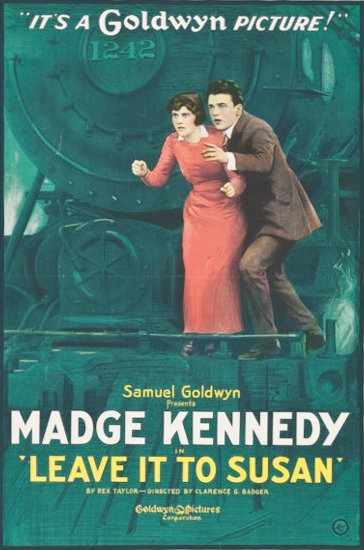
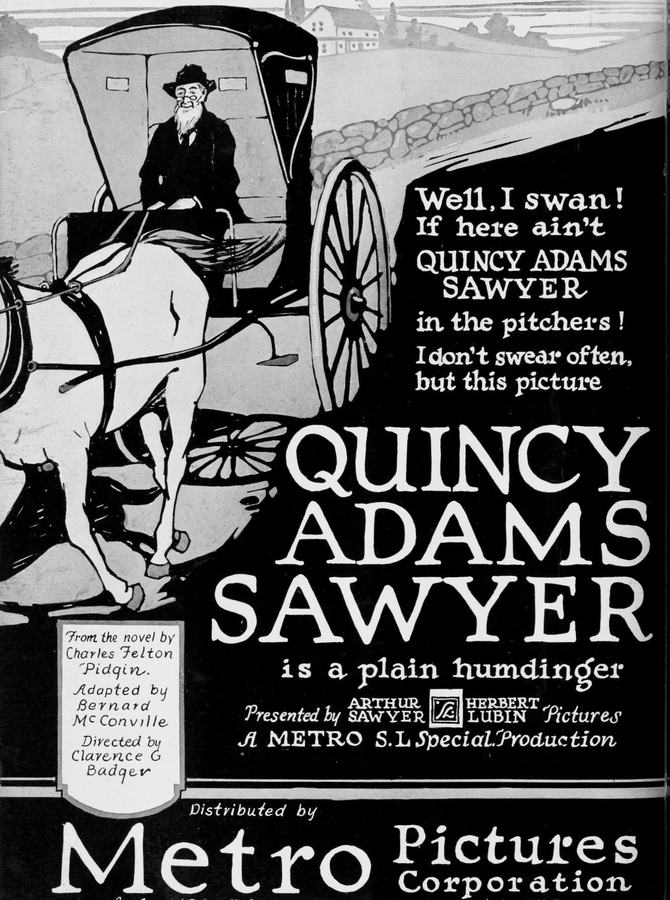
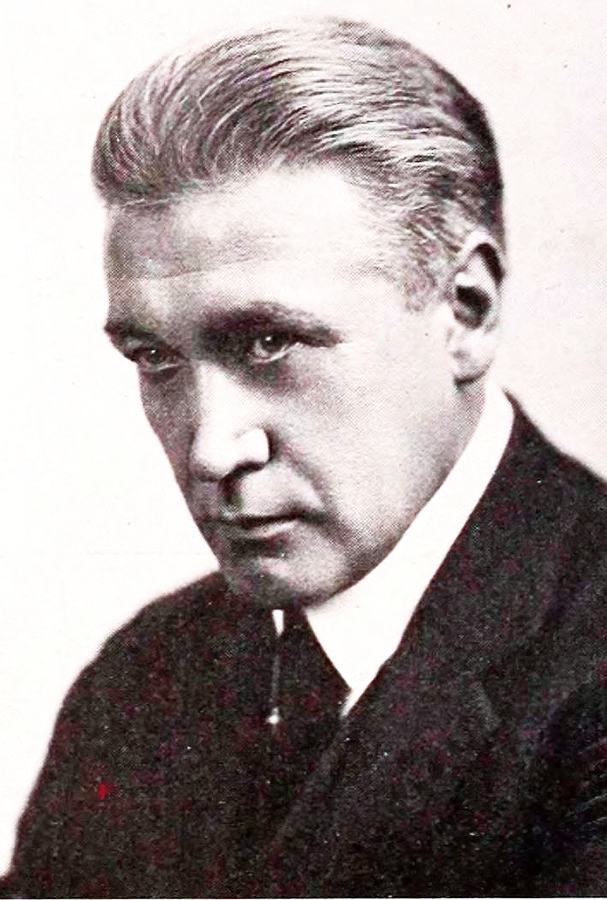
Clarence G. Badger
Clarence G. Badger
Community
Log in to comment.
" A lariat is only hemp until Will Rogers convinces it to dream. In the yawning hush of 1924, when Calvin Coolidge’s silence filled newspapers more cheaply than newsprint, a six-minute whisper called The Ropin’ Fool slipped into projection booths and vanished just as quickly—yet its afterimage lingers like heat lightning behind the retinas of anyone lucky enough to witness the stunt. The film is less a narrative than a conjuring: Rogers, already a Broadway darling thanks to Ziegfeld’s Follies, ..."
John Ince
Will Rogers
United States
Deep dive into the cult classic
Discover similar cinematic experiences
A Directorial Spotlight on Clarence G. Badger