Lucille La Verne
actress
- Birth name:
- Lucille Laverne Mitchum
- Born:
- 1872-11-07, Nashville, Tennessee, USA
- Died:
- 1945-03-04, Culver City, Los Angeles, California, USA
- Professions:
- actress
Biography
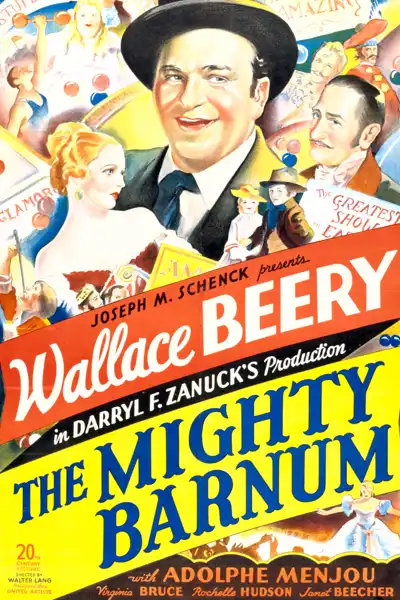
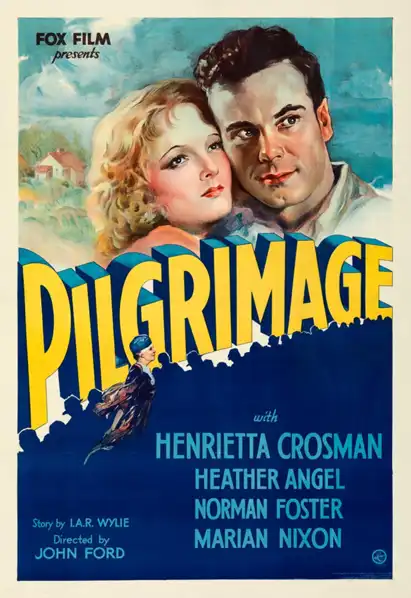
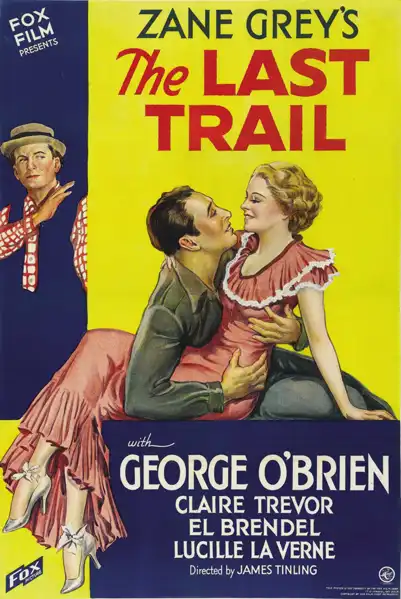
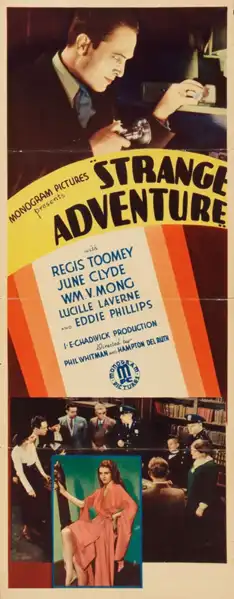
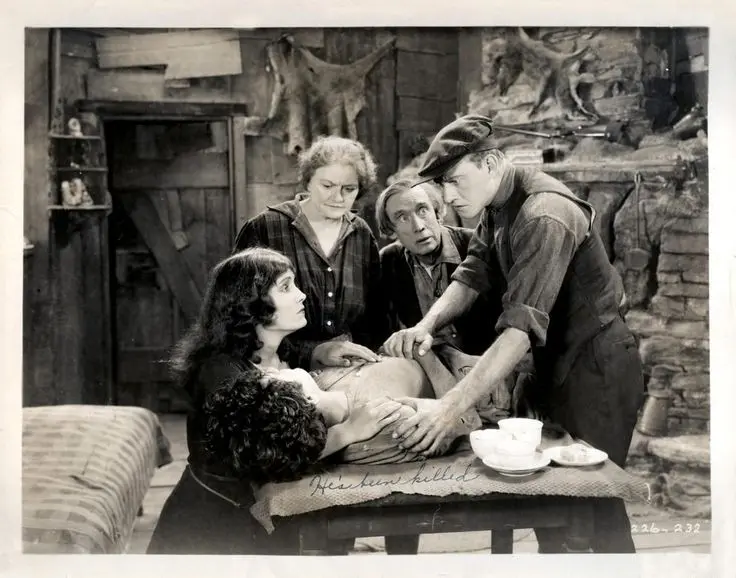
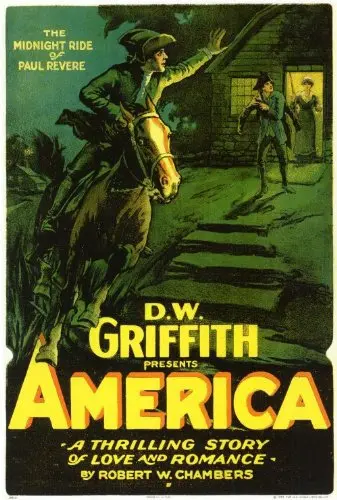
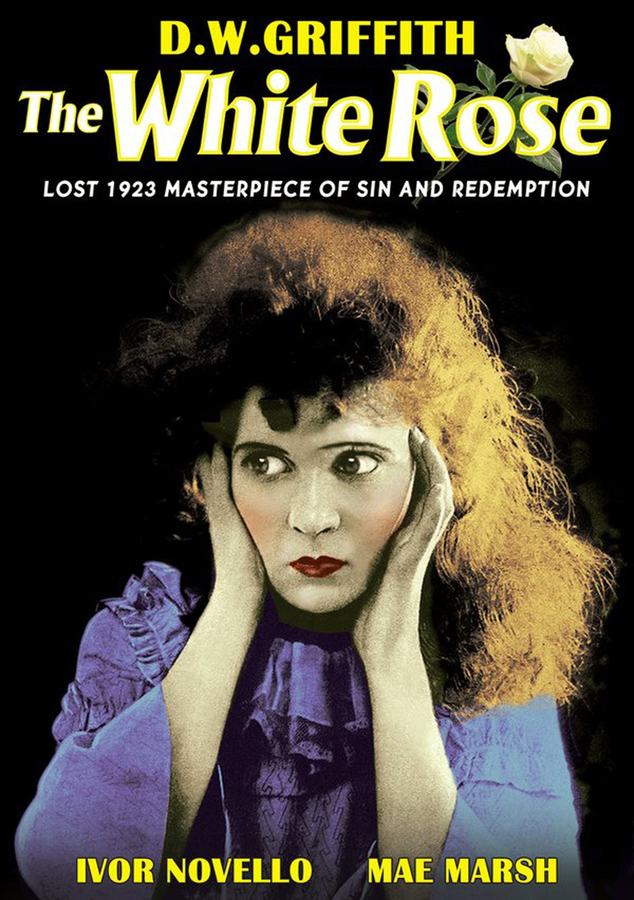
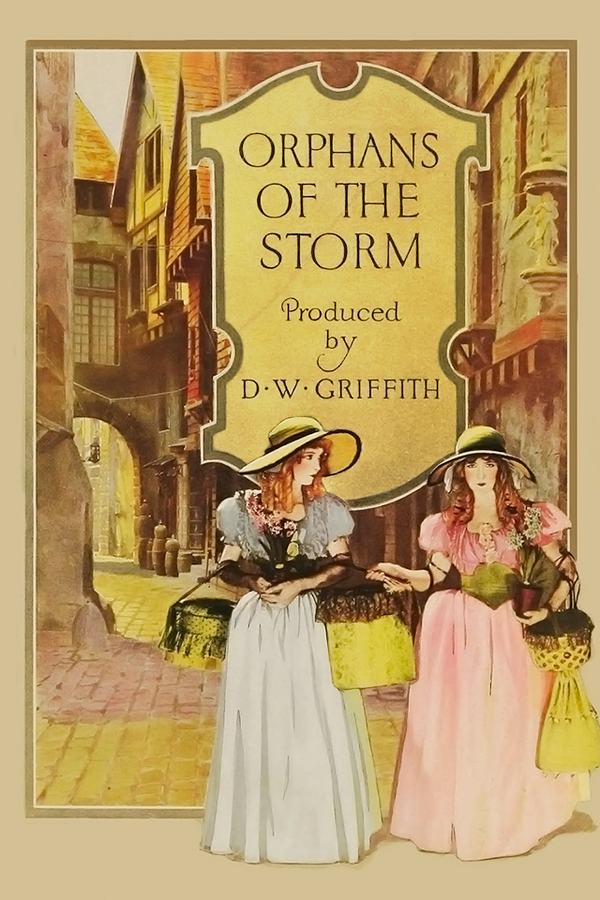
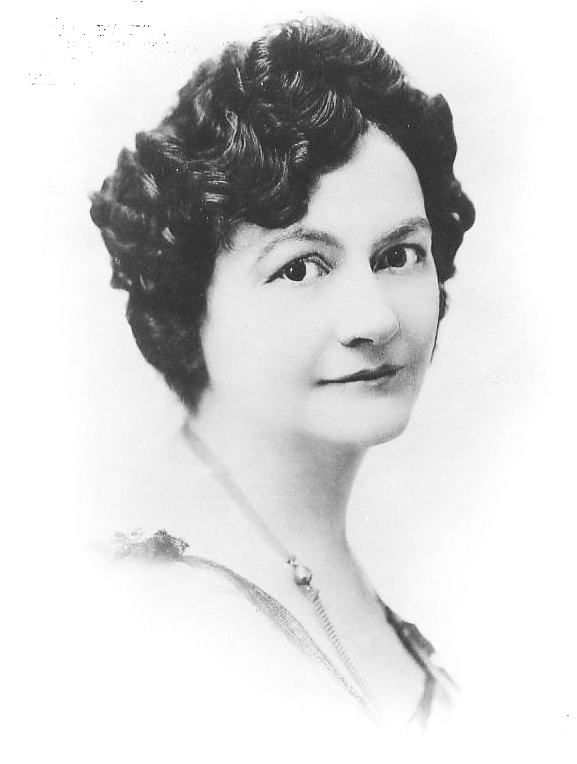
Nashville, 7 November 1872: a three-foot-tall Lucille La Verne Mitchum toddled onstage for “Centennial,” a hometown pageant saluting the nation’s 100th birthday. She was three, the audience applauded, and a summer-stock dynasty was born. By fourteen she had already swapped Capulet’s innocence for Lady Macbeth’s steel in the same season, sending local critics scrambling for bigger adjectives. At sixteen she stepped onto Broadway in the short-lived “La Tosca,” shrugged off the four-week run, and headed south to Washington, D.C., where she stitched together a patchwork résumé—May in “May Blossom,” Chrissy in “The Governess,” a touring Ethel in “Judge Not.” The notice that truly stuck arrived in March 1894: an all-female “As You Like It” that let her swagger through the shepherd Corin’s boots and win the town’s cheers. The next three seasons she criss-crossed America as Esmeralda in “Notre Dame,” the tragic Eliza in “Uncle Tom’s Cabin,” and the scandalous Mrs. Erlynne in “Lady Windermere’s Fan.” While still in her mid-twenties she took over Richmond’s brand-new Empire Theater, staging five shows a year, starring in everything from “Hedda Gabler” to “The Two Orphans,” and penning a brisk stage version of Dickens’s “A Christmas Carol” that other houses snapped up. In 1901 the Virginia Women’s Society crowned her Woman of the Year. London beckoned in 1904; she answered with a comic turn in “Clarice,” then brought the same role back to Broadway. Hollywood finally caught up in 1914 when “Butterflies and Orange Blossoms” put her scowl and wit on celluloid. D. W. Griffith kept her busy thereafter, usually casting her as the woman you didn’t cross. Her signature creation arrived in 1923: the mountain matriarch Widow Caggle in “Sun-Up.” She shepherded the play across America and Europe, then repeated the role on-screen in 1925. Two years later the Princess Theater on Broadway became the Lucille La Verne Theater in her honor. She produced “Hot Water” there, closed early, revived “Sun-Up,” closed again, and watched her name vanish from the marquee. Westward she went. Sound films greeted her like an old acquaintance; audiences greeted her like poison. She excelled at harridans, shrews, and avengers, turning up in Los Angeles and San Francisco stock houses between shoots. A 1936 return to Broadway as the title spider in “Black Widow” earned her cheers and the play a quick demise. Her final curtain call came in a recording booth: two voices—regal and rasping—for Walt Disney’s Evil Queen and crone in 1937’s “Snow White and the Seven Dwarfs.” She posed for the animators, handed over the last of her cackle, and exited the profession. Nightclub co-owner, raconteur, and retired scourge of step-daughters everywhere, Lucille La Verne died of cancer in Culver City, California, on 4 March 1945, aged seventy-two.
Filmography
In the vault (30)