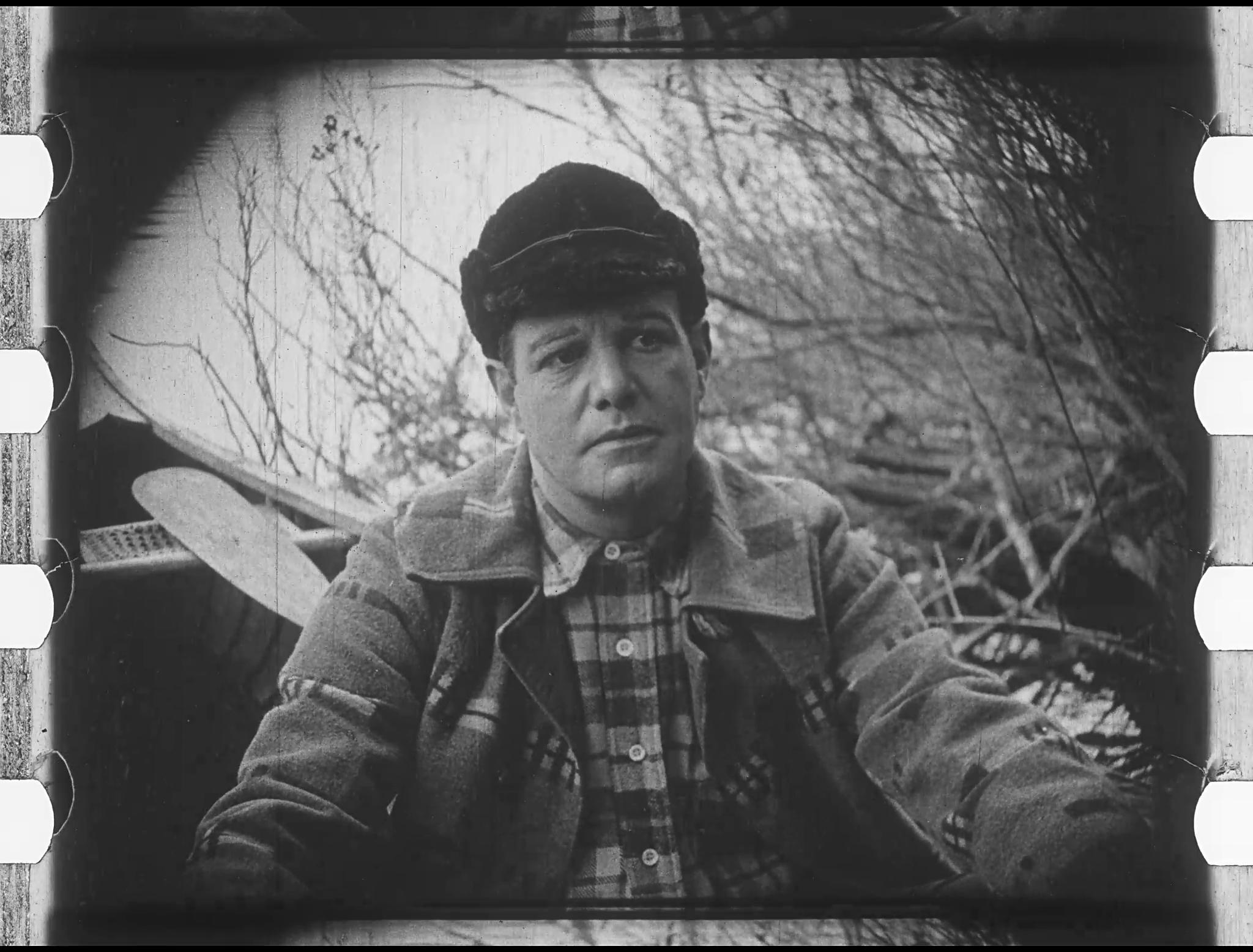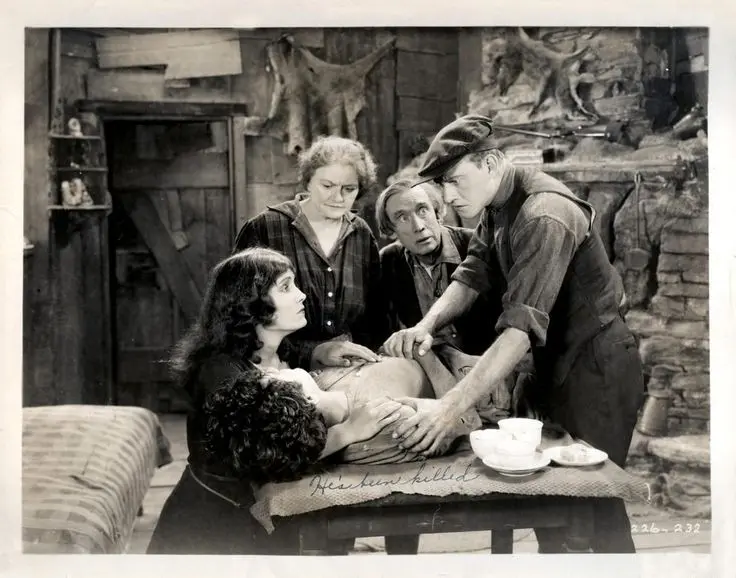
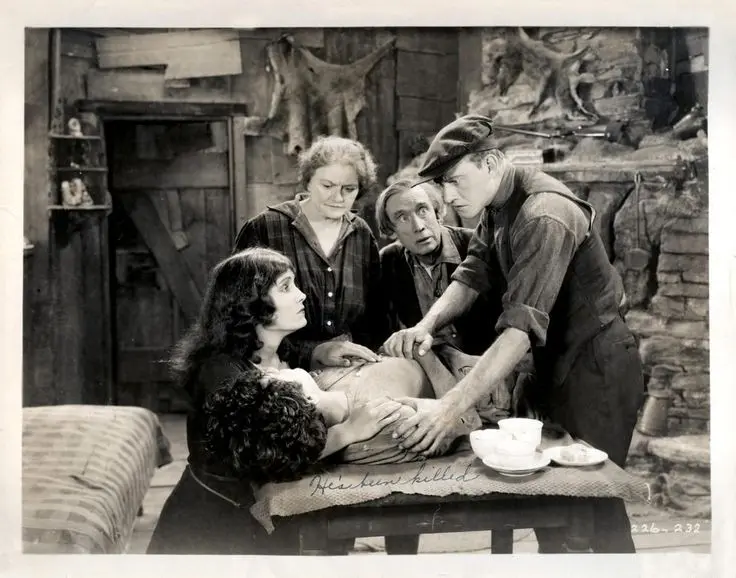
When she hears her boy has been killed in WWI a vengeful Kentucky hills mother shelters a deserter as a protest.When the boy returns she asks him to kill the deserter who she learns is the son of a murderous revenue agent.
Stepping back into the cinematic past, one encounters works that, despite their age, resonate with an almost primal force. Edmund Goulding’s 1925 silent drama, Sun-Up, adapted from Lula Vollmer's acclaimed play, is precisely such a film. It’s a visceral journey into the heart of Appalachia, a land where honor is f...
still_frame
publicity
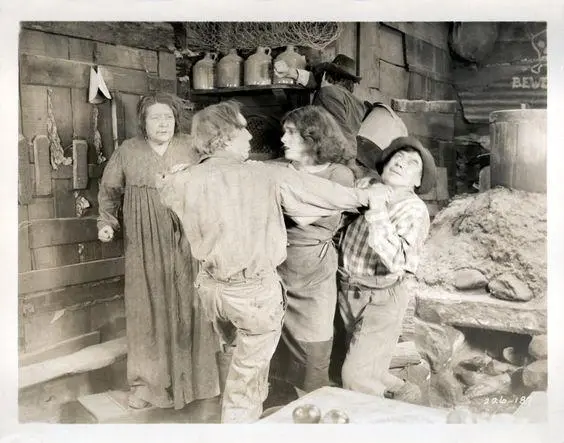
still_frame
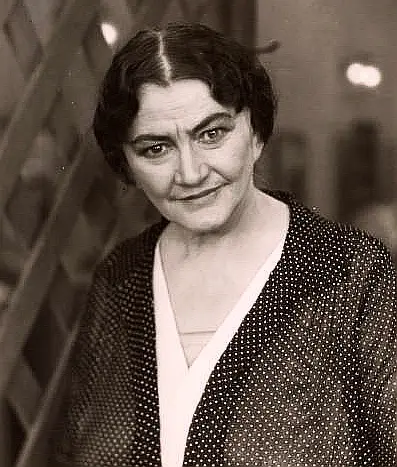
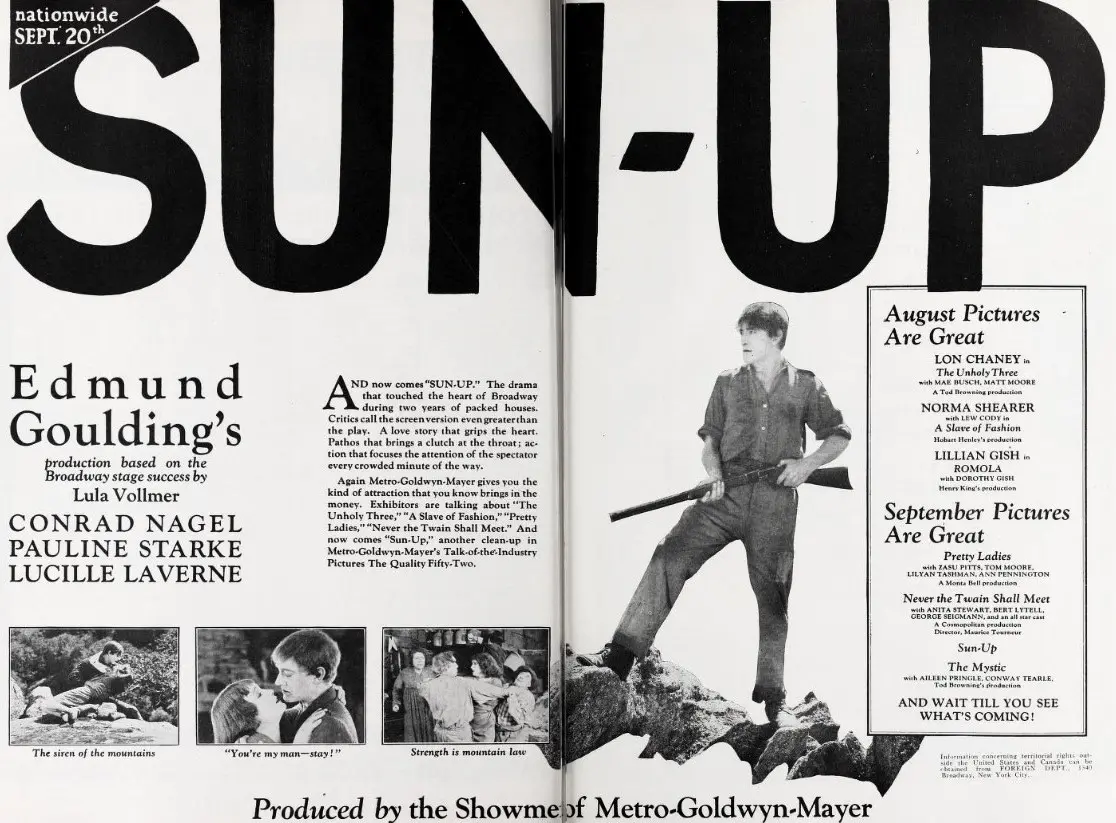
publicity

Comparing the cinematic DNA and archive impact of two defining moments in cult history.
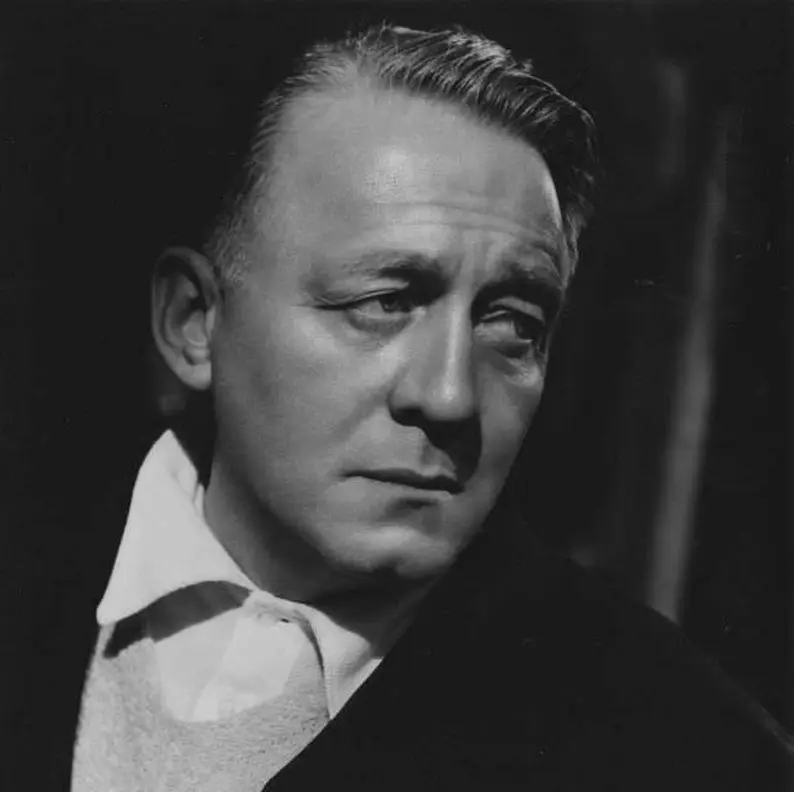
Edmund Goulding
Alexander Butler
Community
Log in to comment.
" Stepping back into the cinematic past, one encounters works that, despite their age, resonate with an almost primal force. Edmund Goulding’s 1925 silent drama, Sun-Up, adapted from Lula Vollmer's acclaimed play, is precisely such a film. It’s a visceral journey into the heart of Appalachia, a land where honor is fiercely guarded, and the echoes of generations-old feuds linger like the mountain mist. This isn't just a story; it's a profound meditation on grief, vengeance, and the complex tap..."
Conrad Nagel
Edmund Goulding, Lula Vollmer, Arthur F. Statter, Joseph Farnham
United States