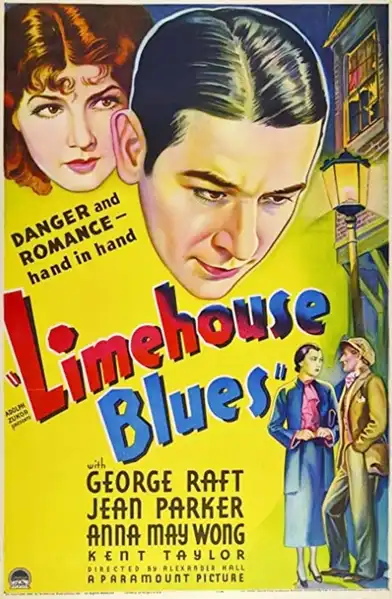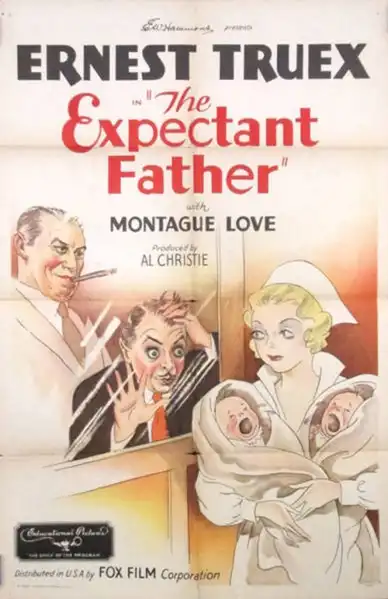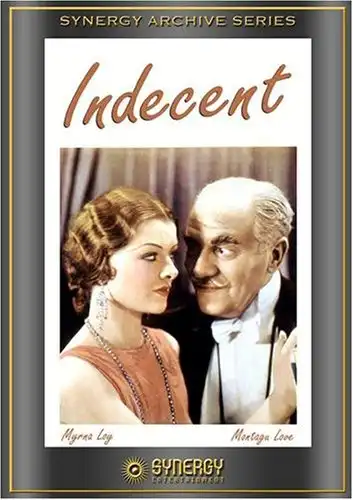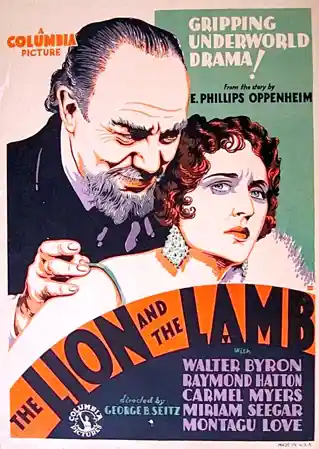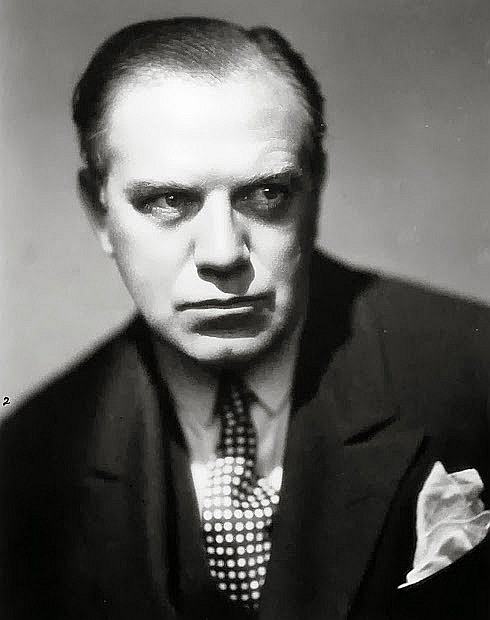
Montagu Love
actor, soundtrack
- Birth name:
- Harry Montague Love
- Born:
- 1880-03-15, Portsmouth, Hampshire, England, UK
- Died:
- 1943-05-17, Beverly Hills, Los Angeles, California, USA
- Professions:
- actor, soundtrack
Biography
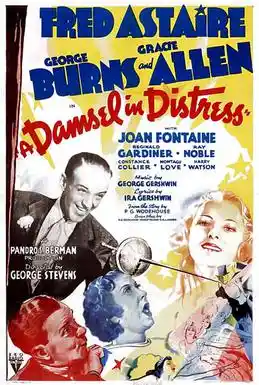
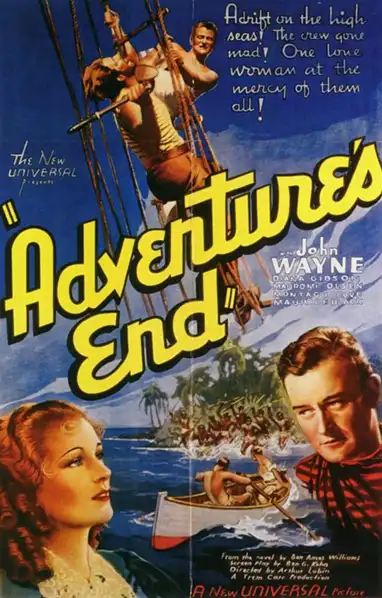
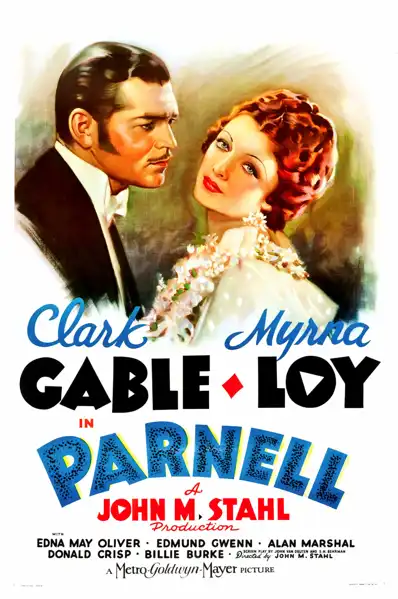
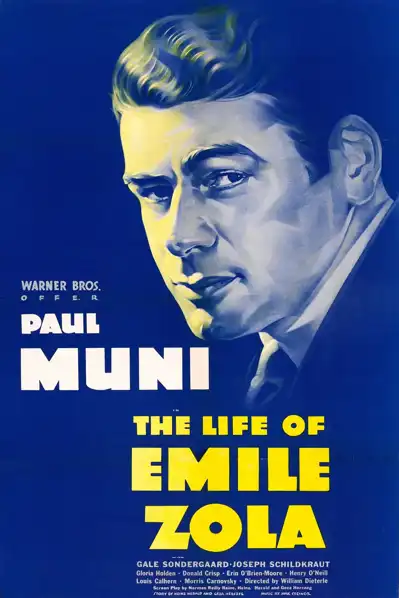
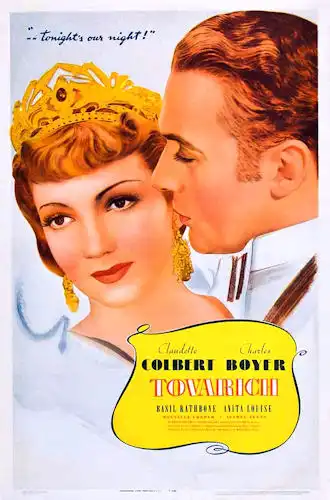
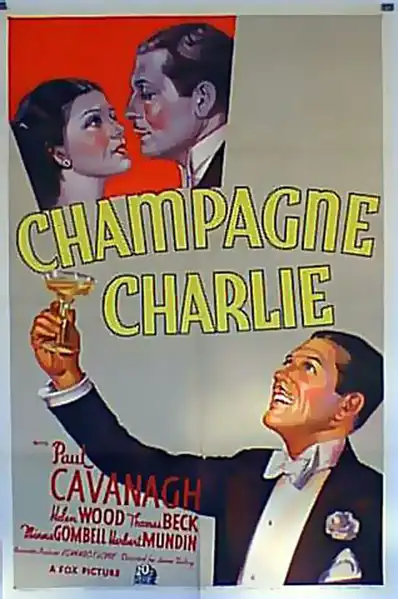
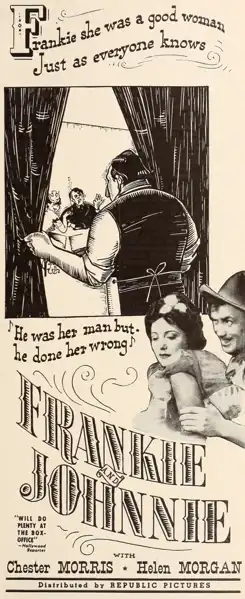
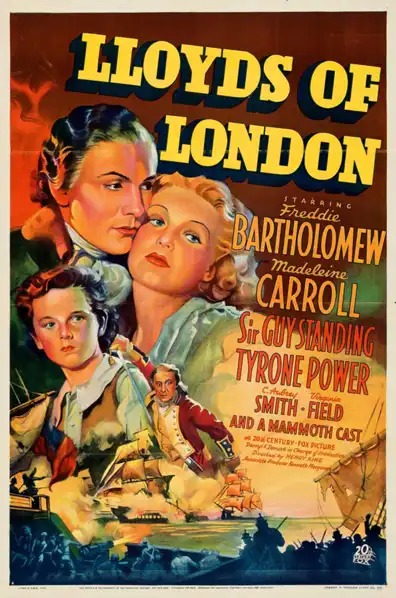
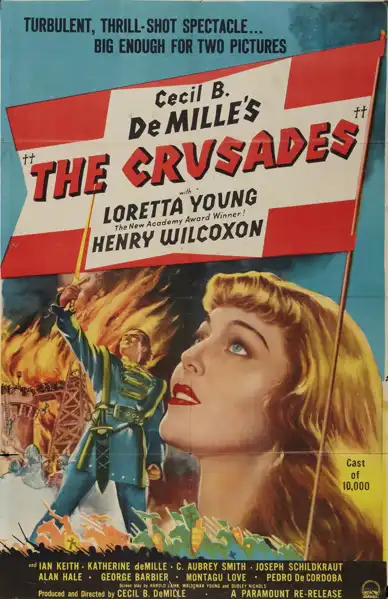
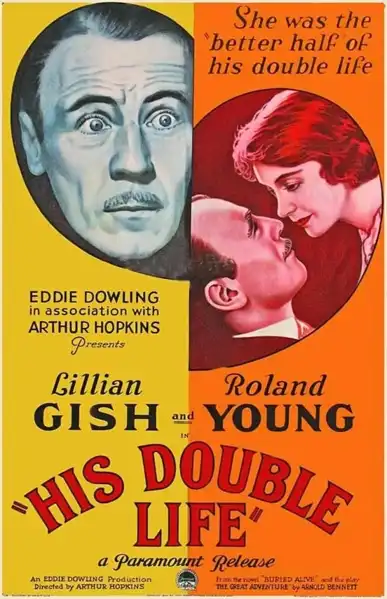
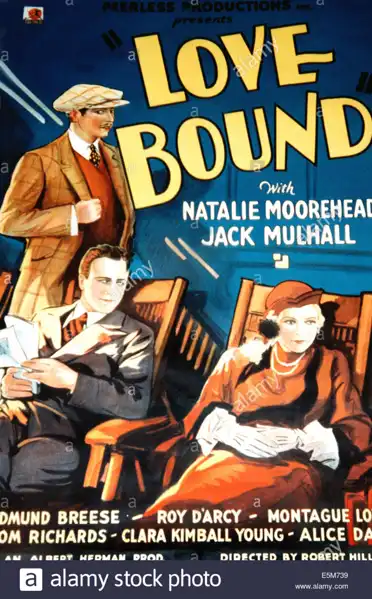
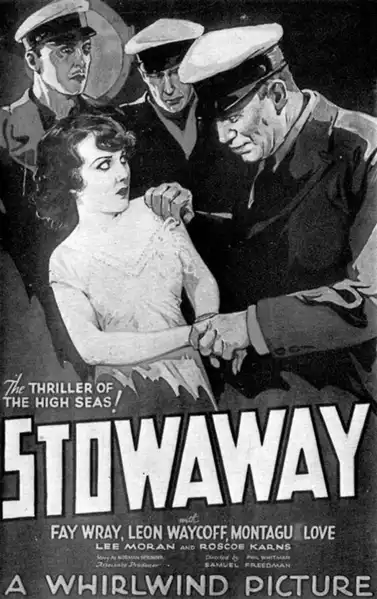
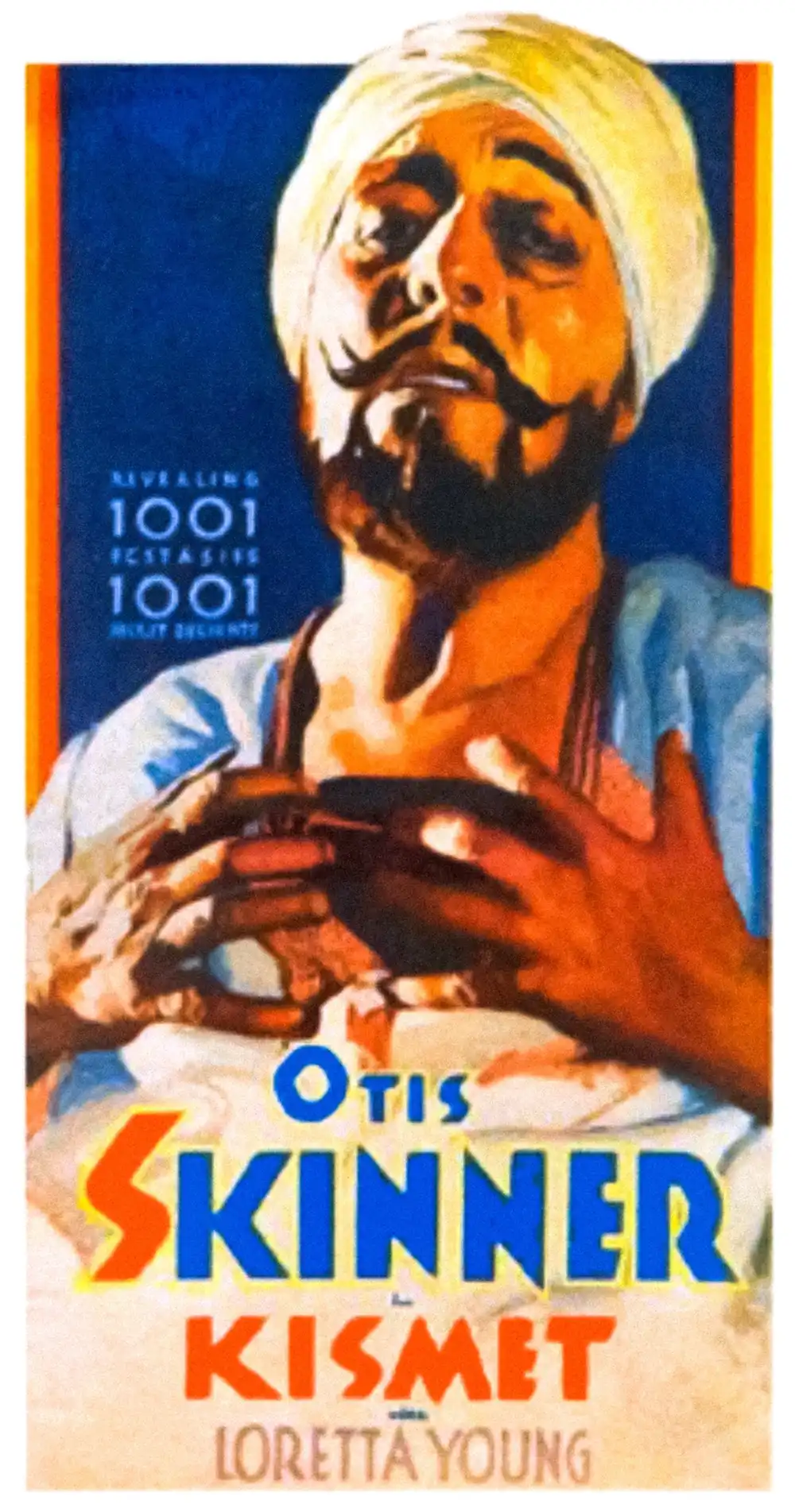
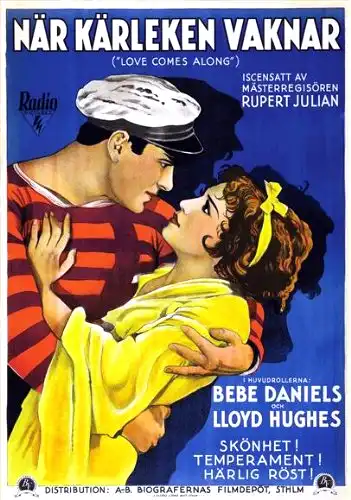
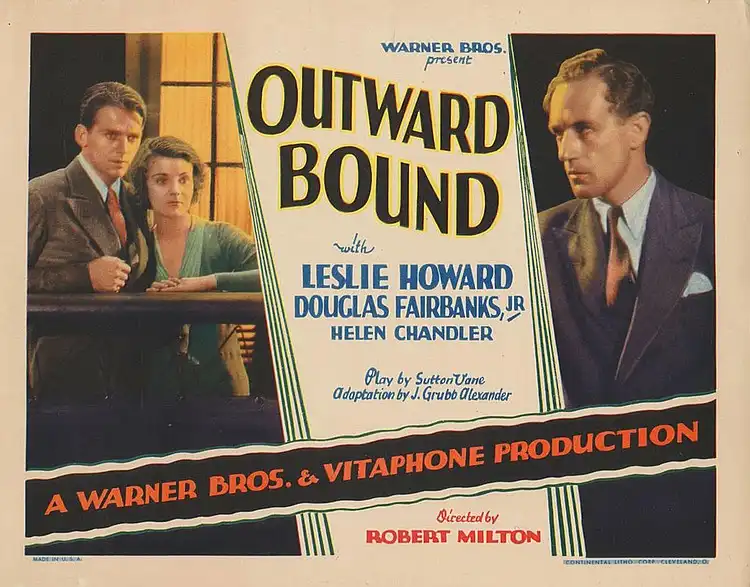
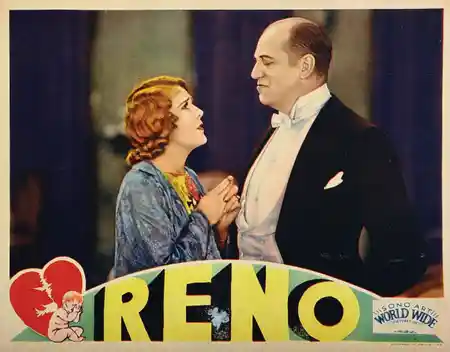
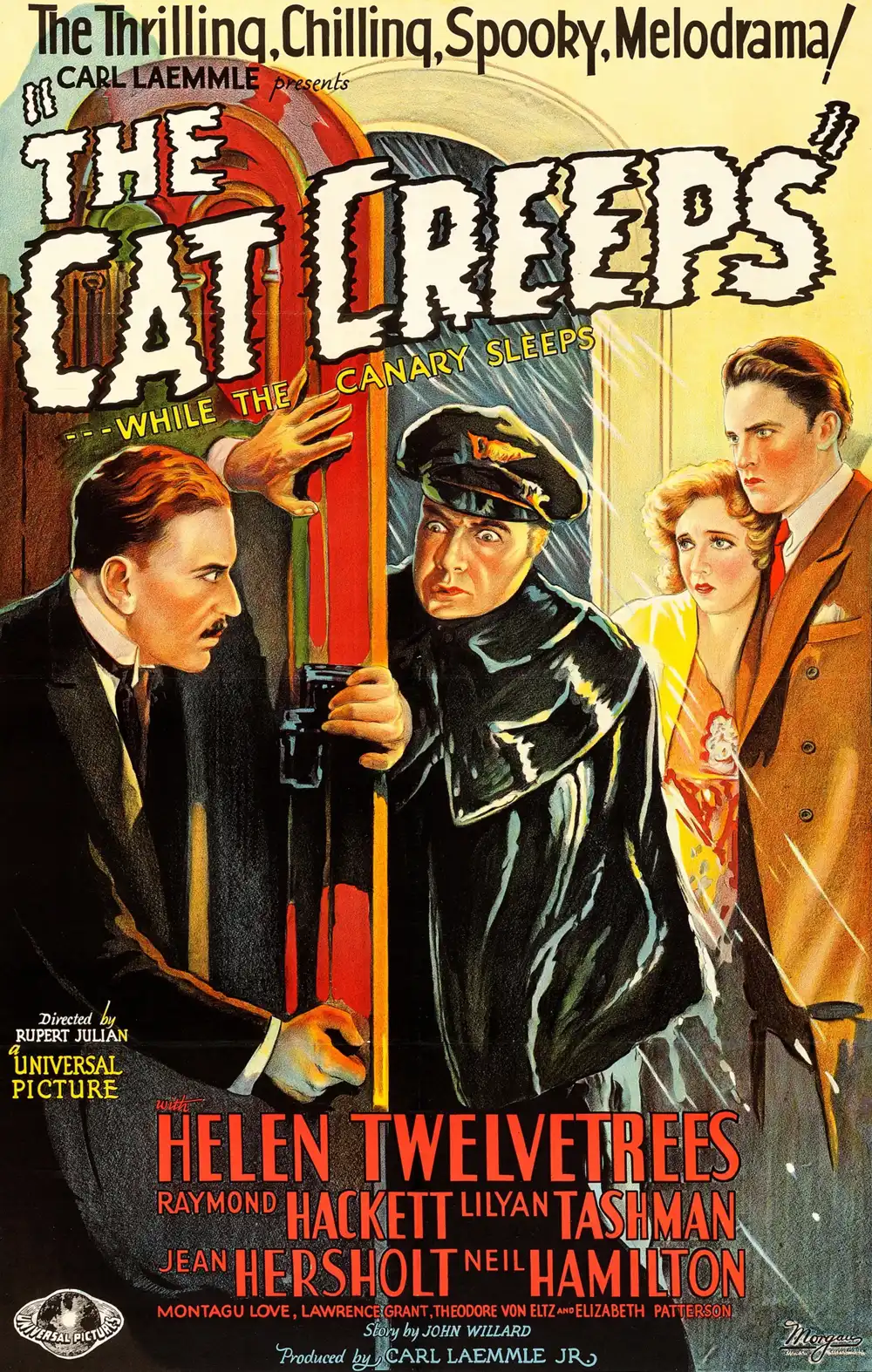
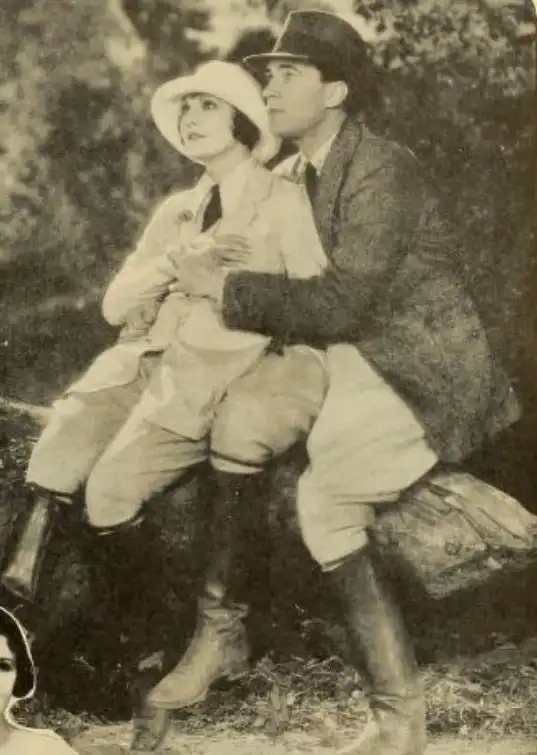
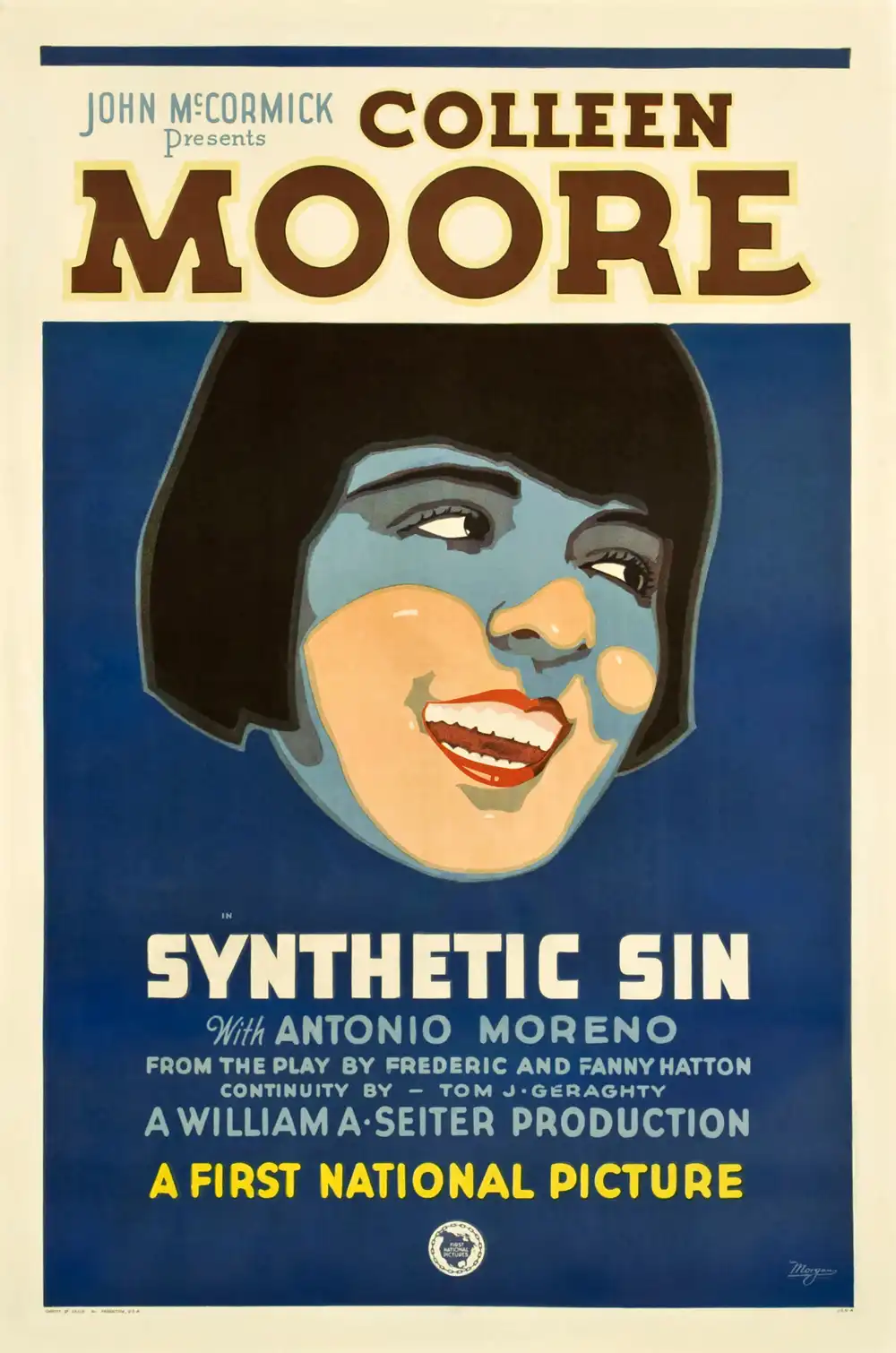
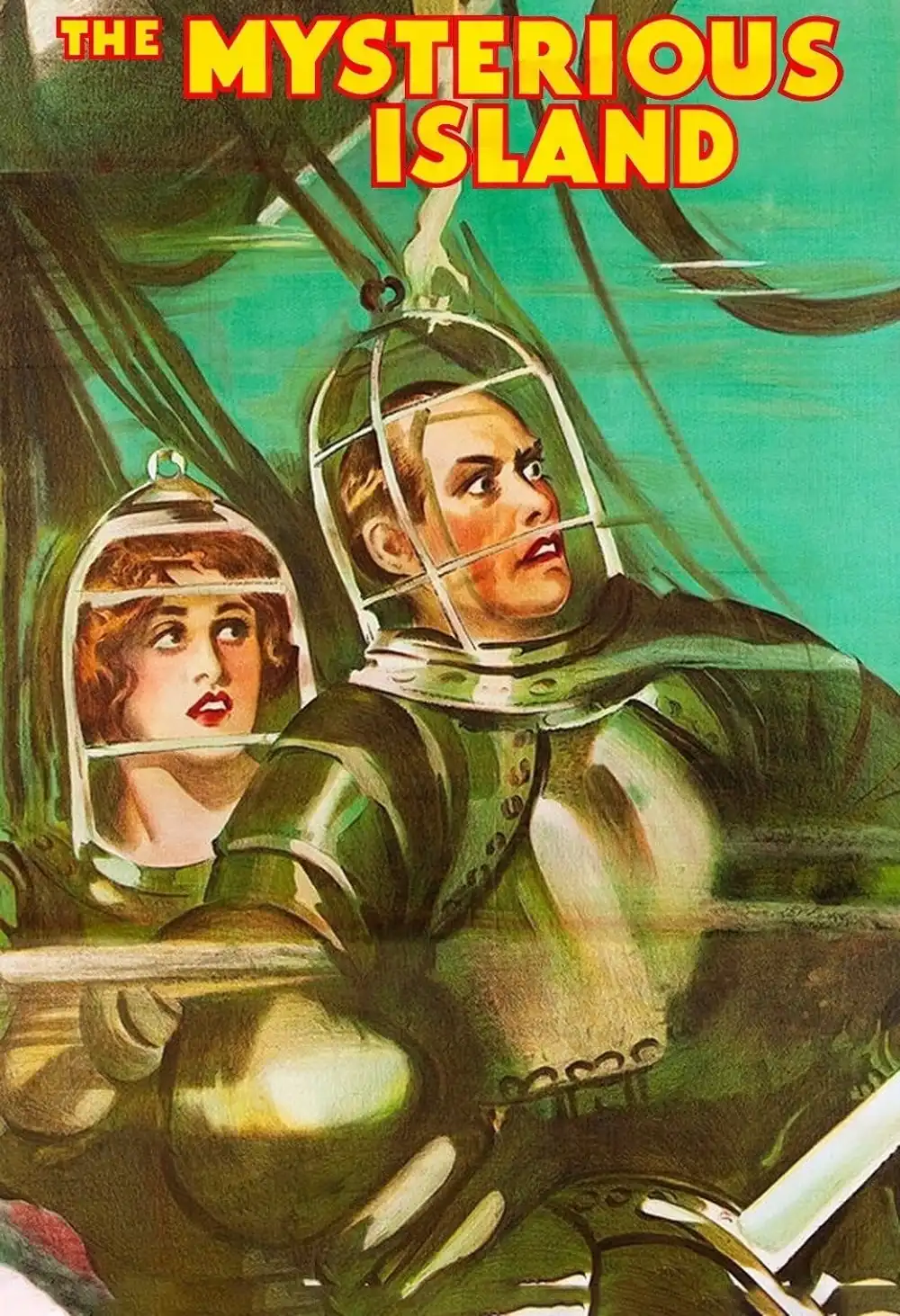
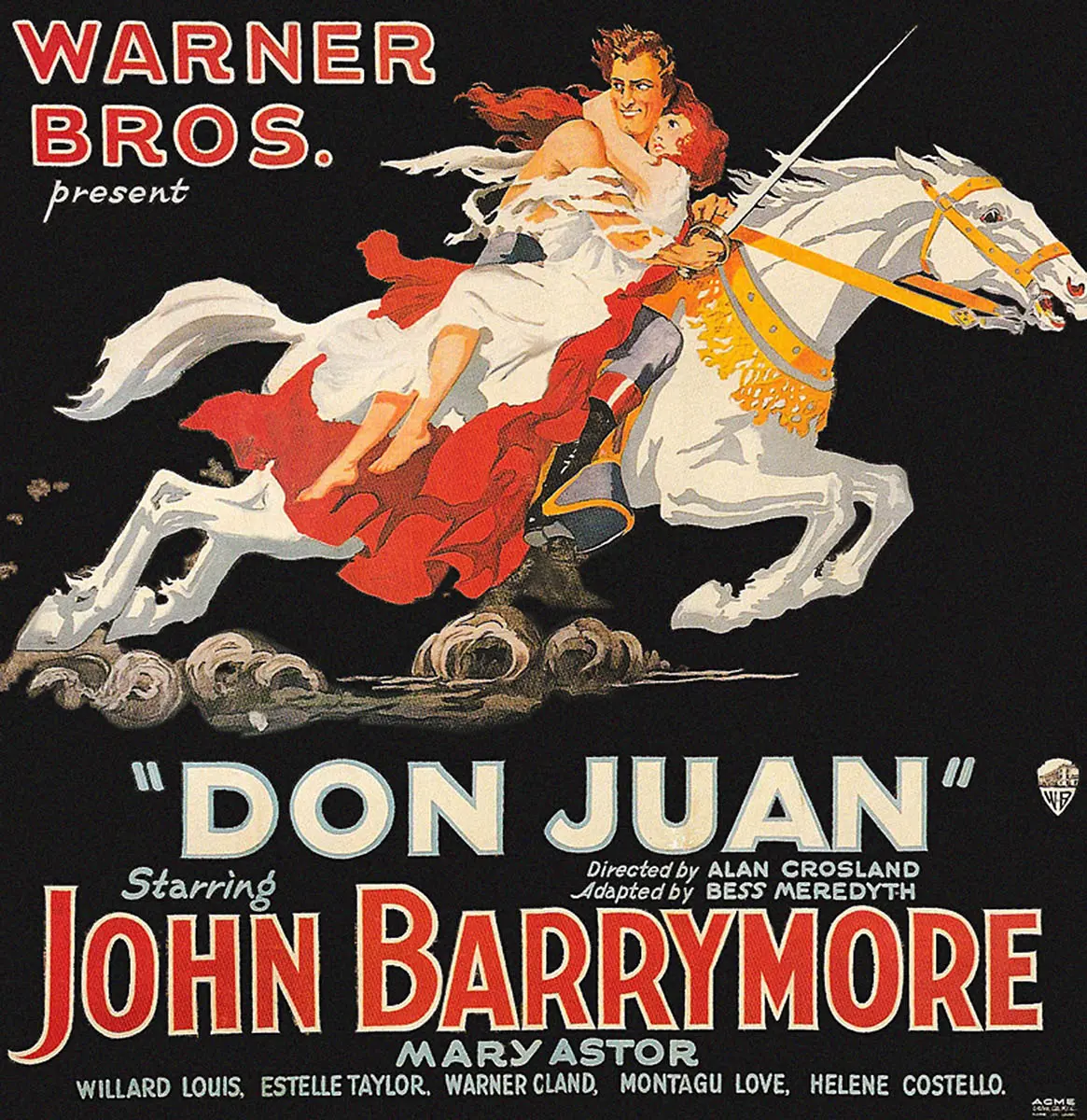
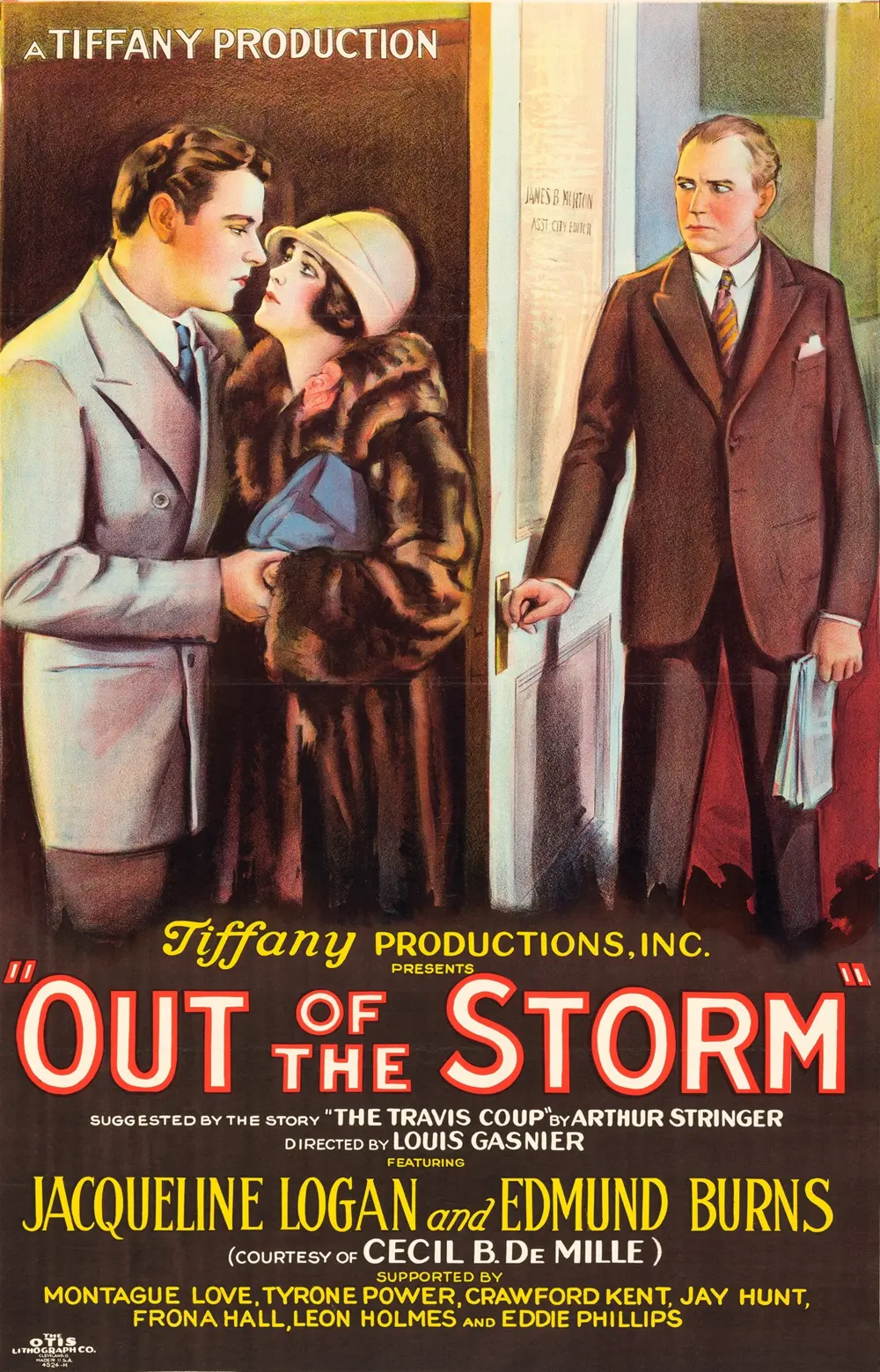
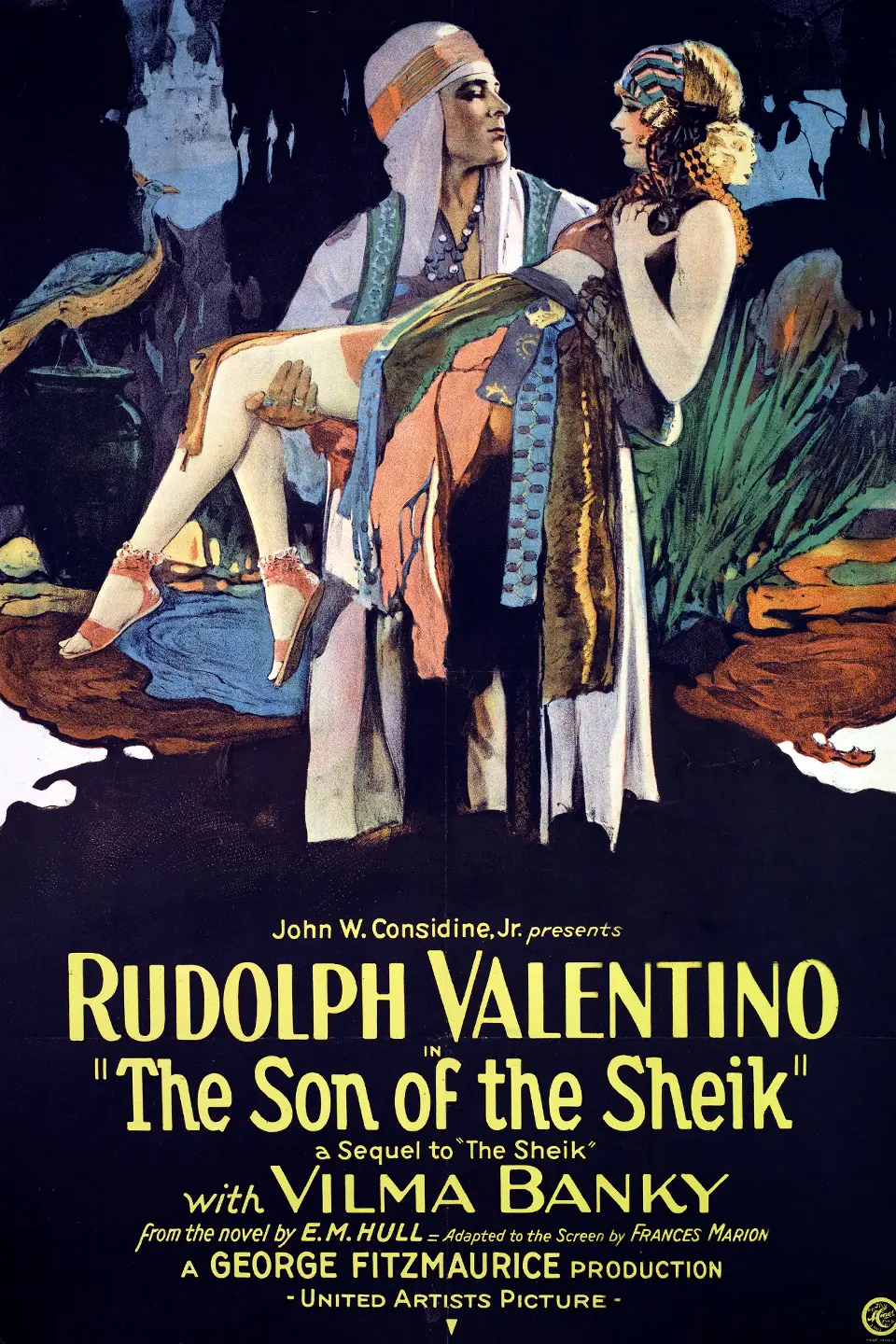
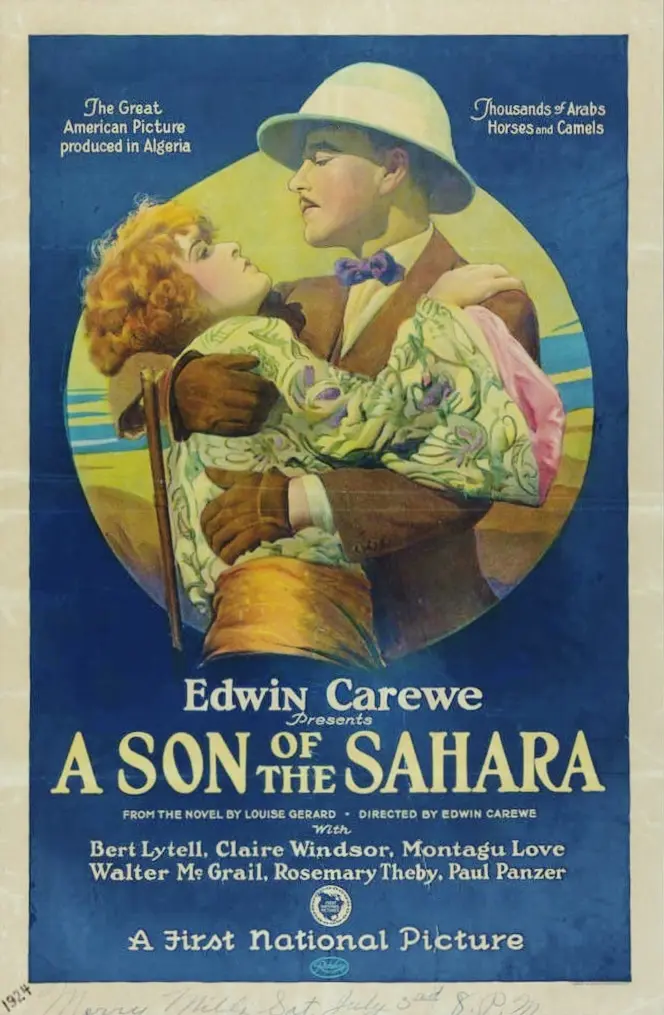
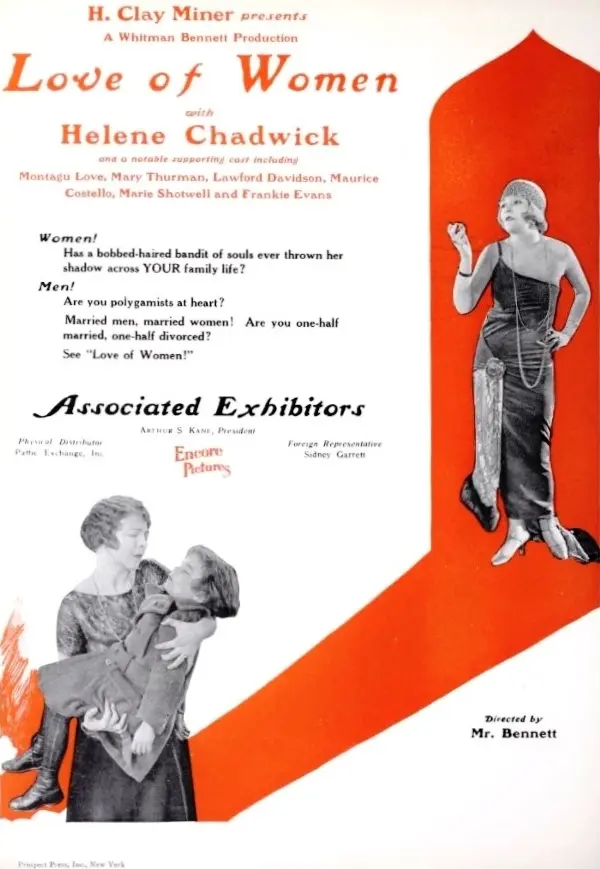
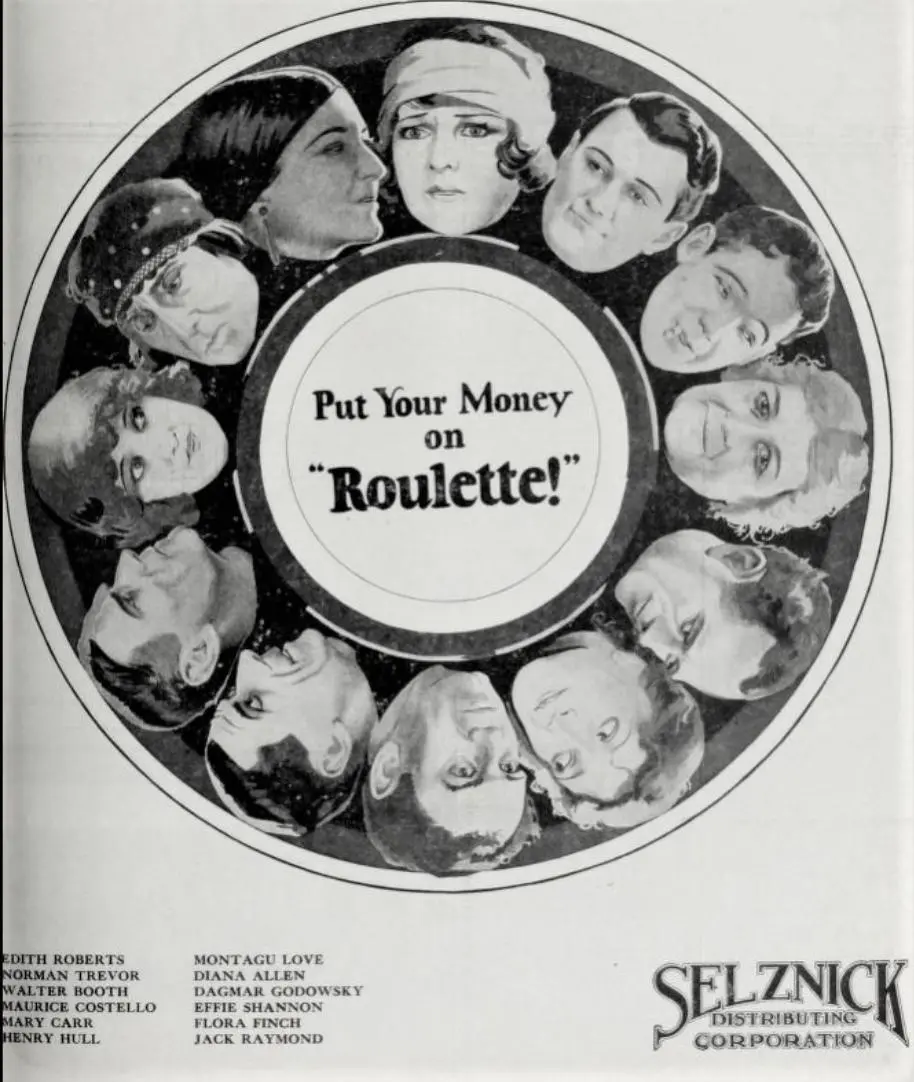
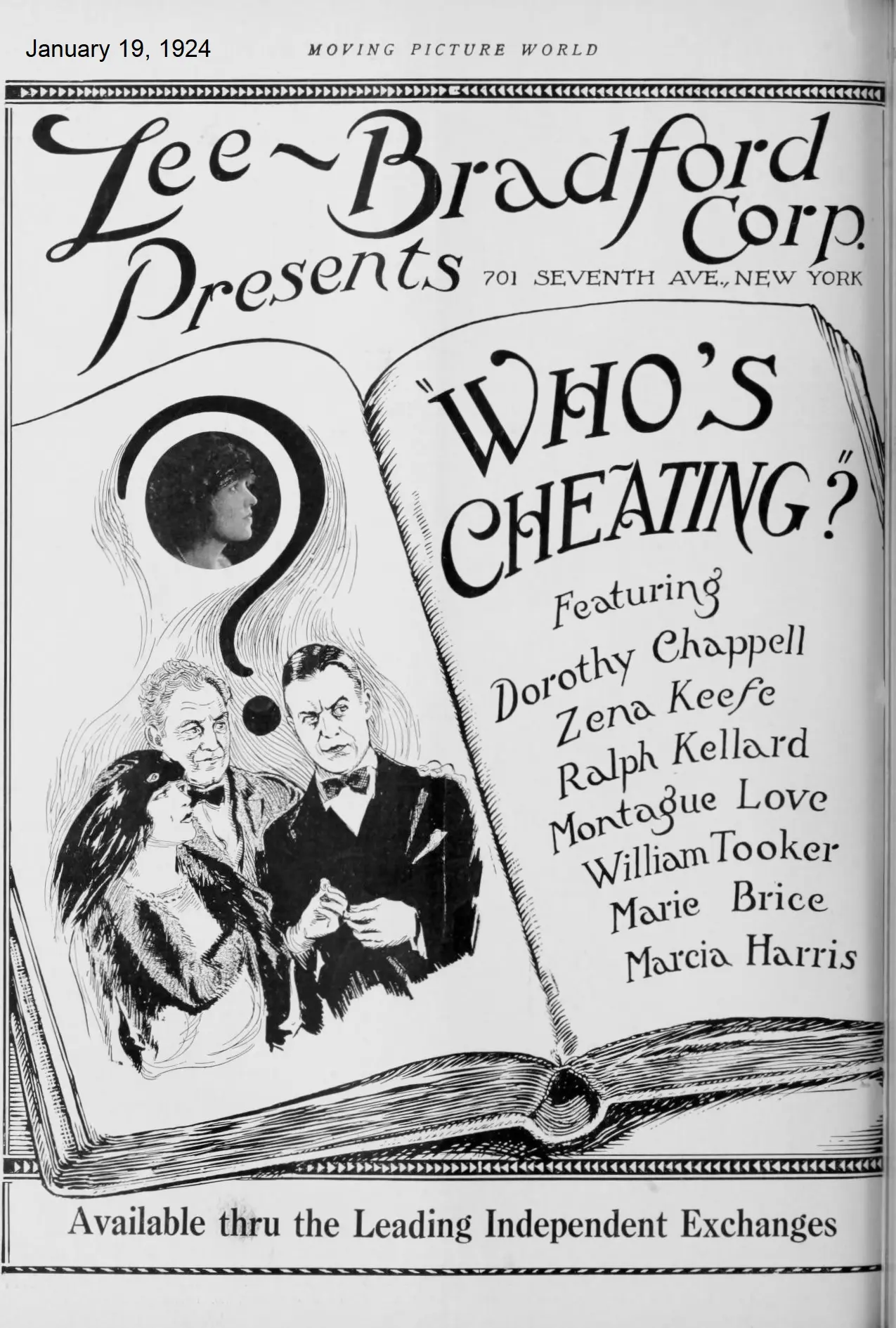
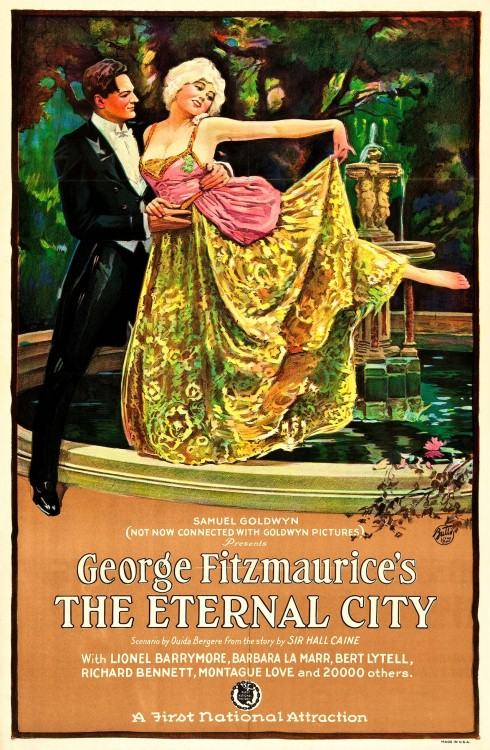
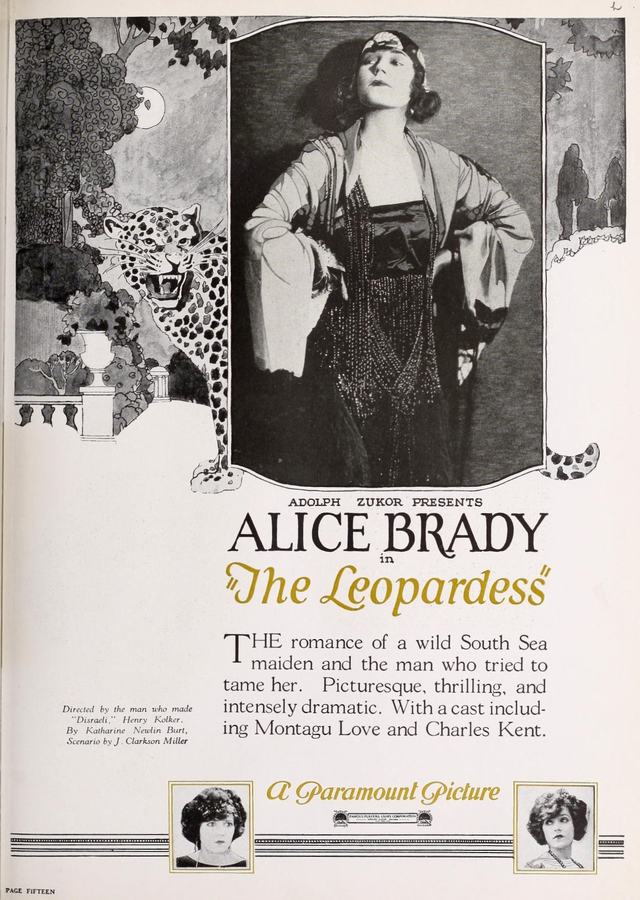
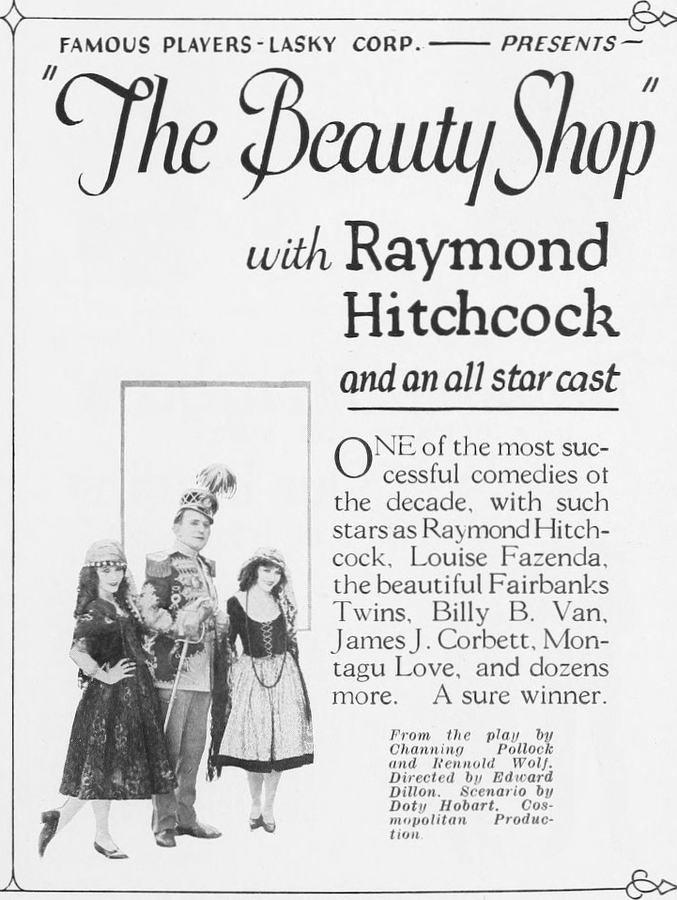
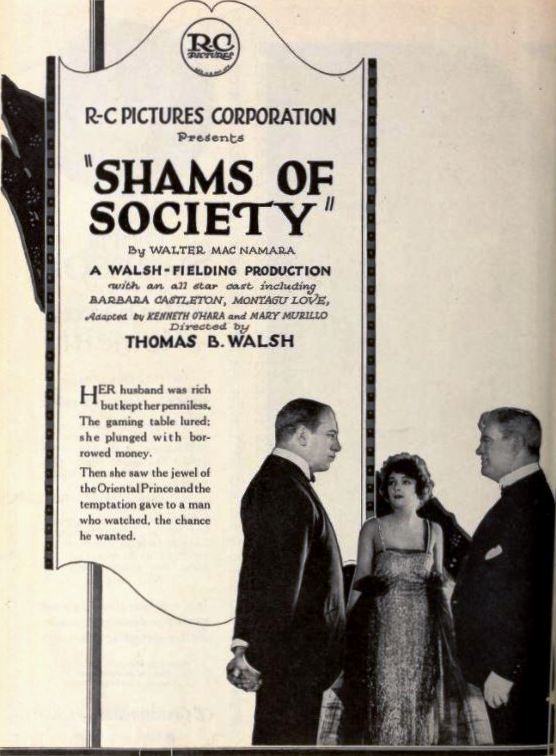
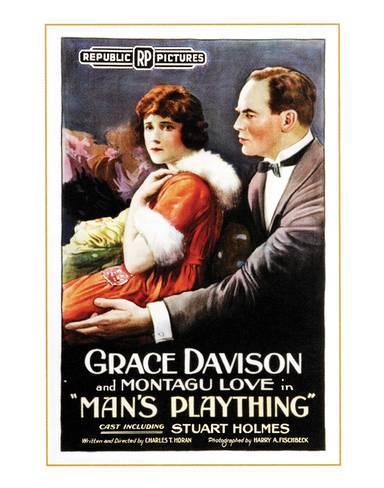
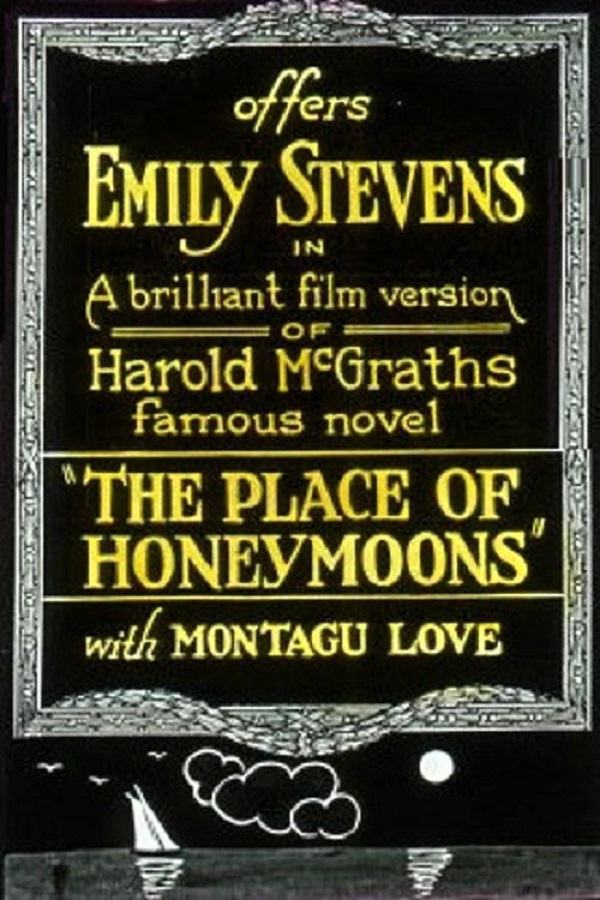
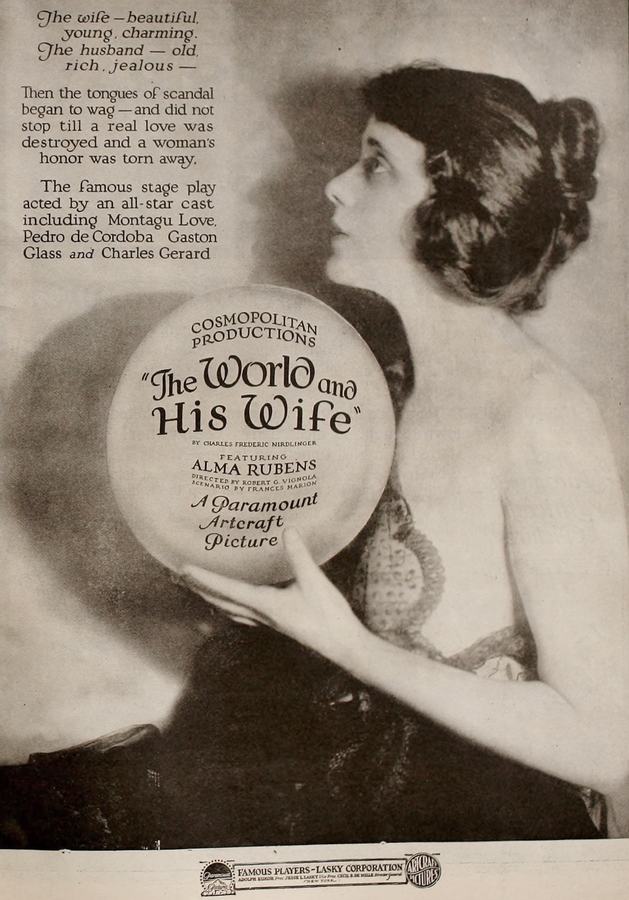
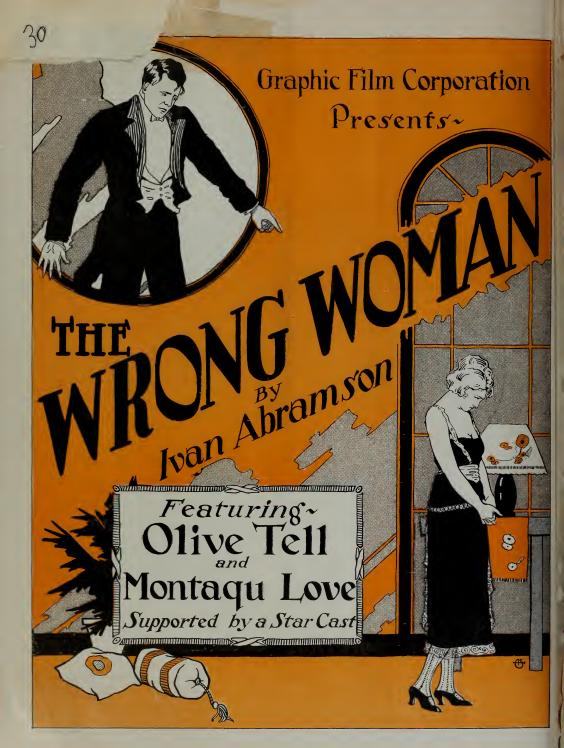
Ink-stained sketchpads once littered Montagu Love’s London flat; by night he drew artillery smoke for the Morning Post, by day he caricatured generals in the Boer mud. When the war ended in 1902, he traded charcoal for greasepaint, sailing the Atlantic in 1913 with Cyril Maude’s touring hit “Grumpy.” Broadway blinked, then beckoned—twenty-one seasons between 1913 and 1934 kept his name in lights. World Studios, Fort Lee, 1914: the camera loved the cliff of his forehead and the storm-cloud lip. Ninety silent pictures later, audiences hissed him with reverence—no one sneered quite like Love. In 1926 alone he crossed blades with Valentino in “The Son of the Sheik” and fenced Barrymore through a seven-minute blood-spray in “Don Juan,” still the longest steel-on-steel duel committed to nitrate. A year later he hoisted a spear over DeMille’s Jerusalem as the centurion who crucified Christ yet stole every frame. Sound arrived, and so did the clipped thunder of his diction. Eleven 1929 releases—beginning with “Synthetic Sin” and ending with the two-color “Mysterious Island”—let audiences hear the velvet menace. Talkies softened the villainy: instead of tyrants he now played field marshals, cabinet ministers, even Zorro’s fond but firm father. His Henry VIII in “The Prince and the Pauper” (1937) balanced majesty and melancholy; in “The Adventures of Robin Hood” (1938) he filled purple bishop’s sleeves with conspiratorial glee. One line—“My lord, the boat is ready”—was all he needed in 1937’s “The Prisoner of Zenda,” yet the shot feels empty without his hawk profile. Eighty-one sound films later, wartime rationed roles; still, ten screen appearances in 1940 alone testify to an appetite that only death could curb. Montagu Love died in 1943, leaving behind more than 170 portraits of authority—some despotic, some paternal, every one unforgettable.
Filmography
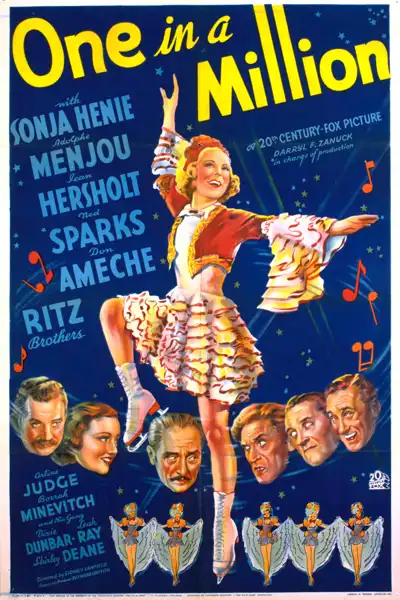
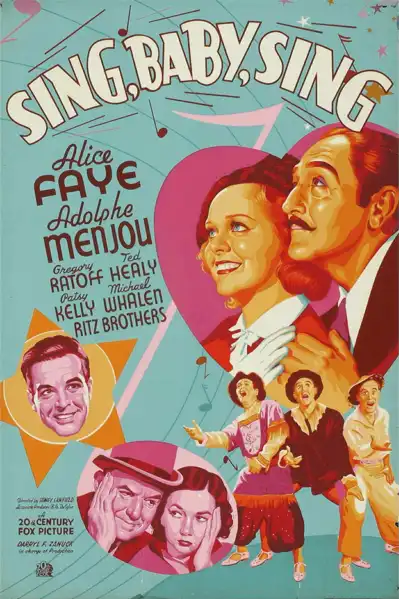
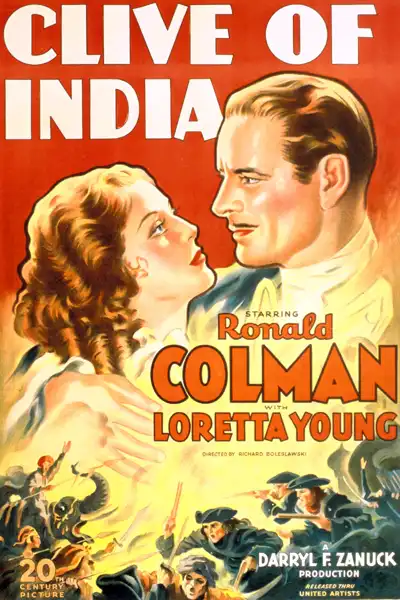
In the vault (90)