Myrtle Stedman
actress, writer
- Born:
- 1885-03-03, Chicago, Illinois, USA
- Died:
- 1938-01-08, Hollywood, California, USA
- Professions:
- actress, writer
Biography
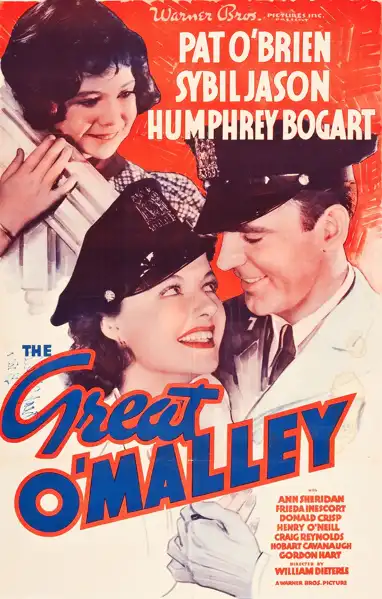
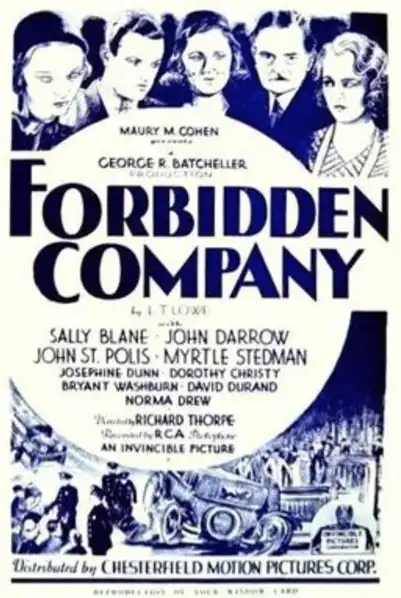
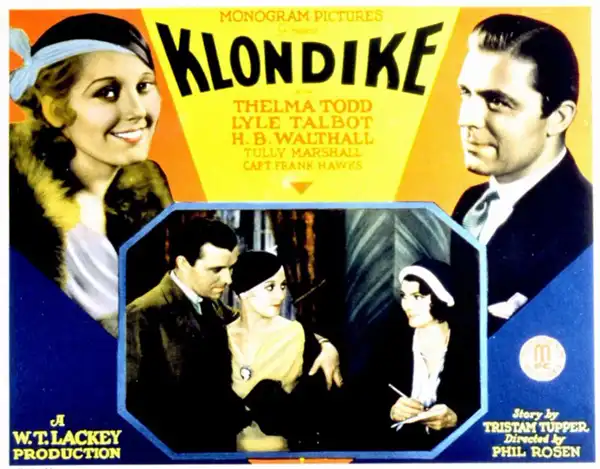
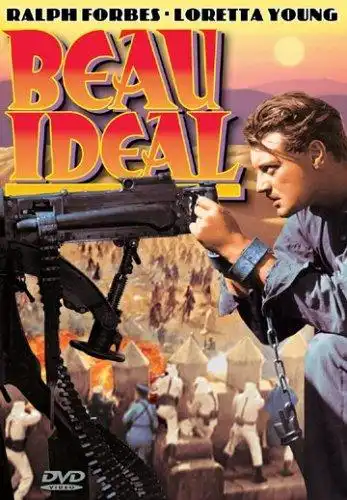
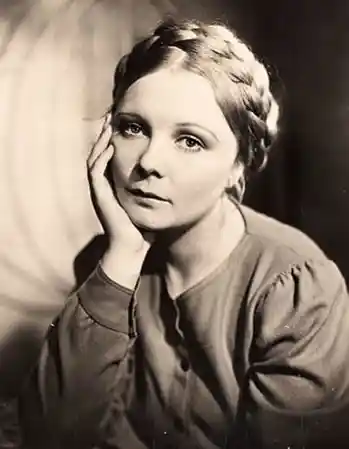
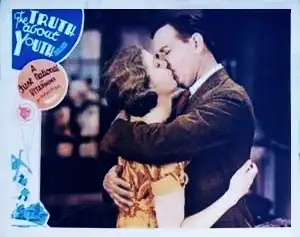
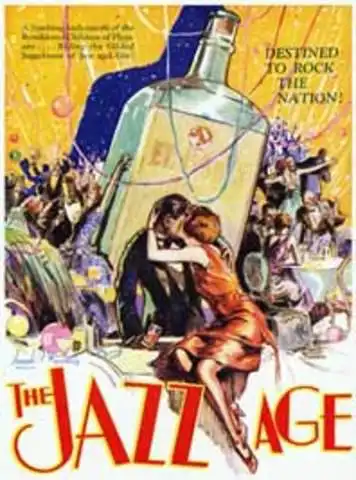
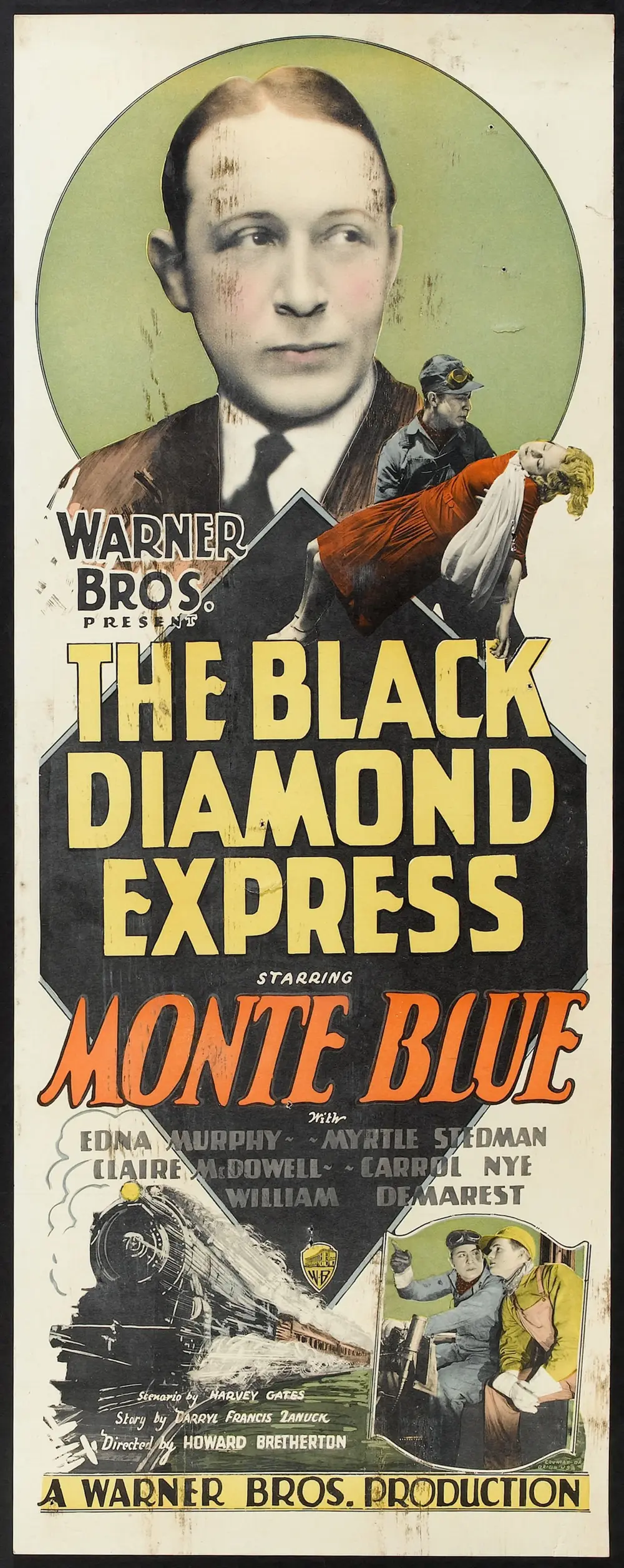
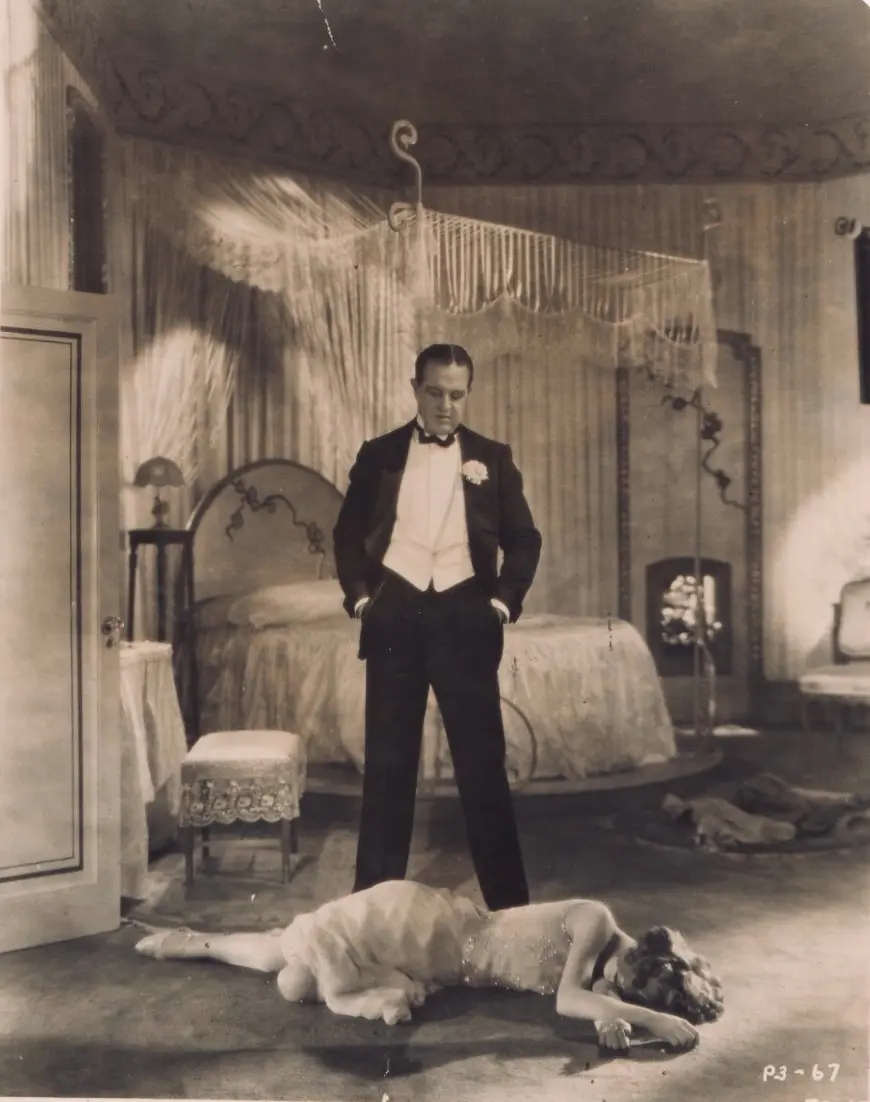
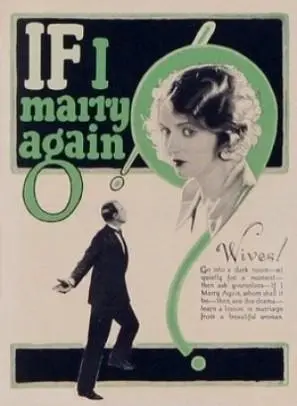
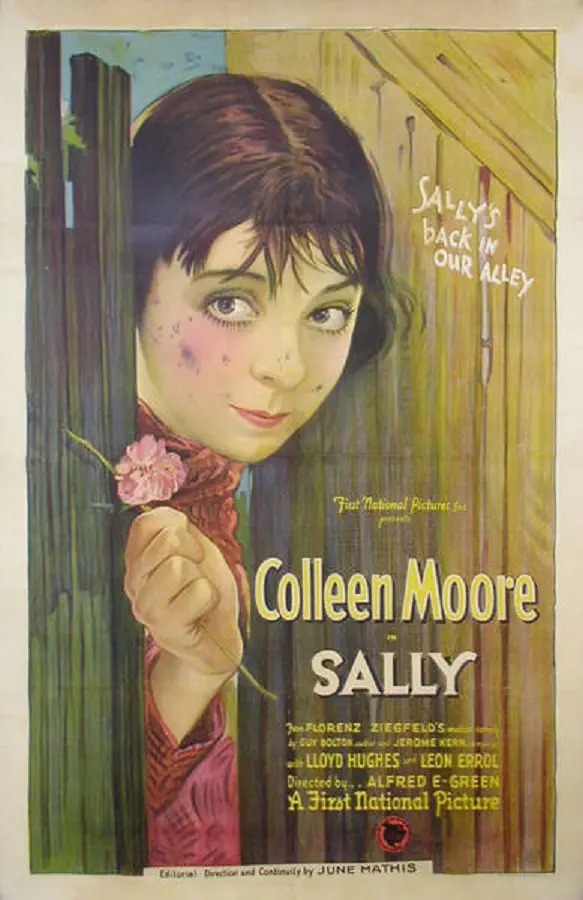
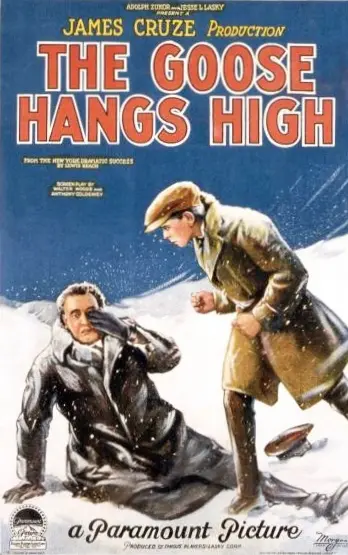
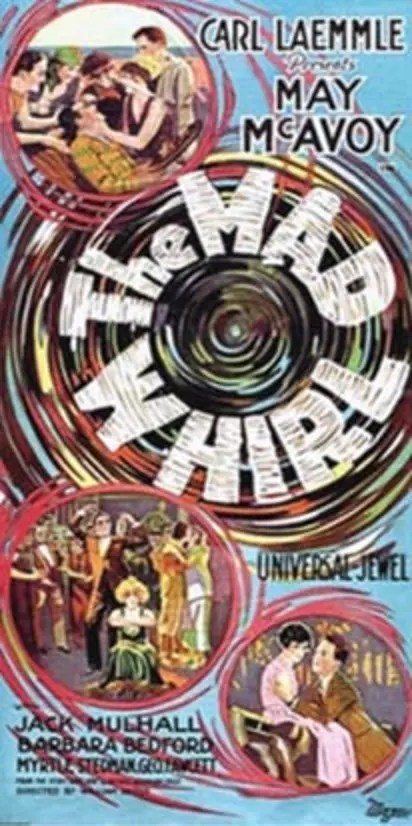
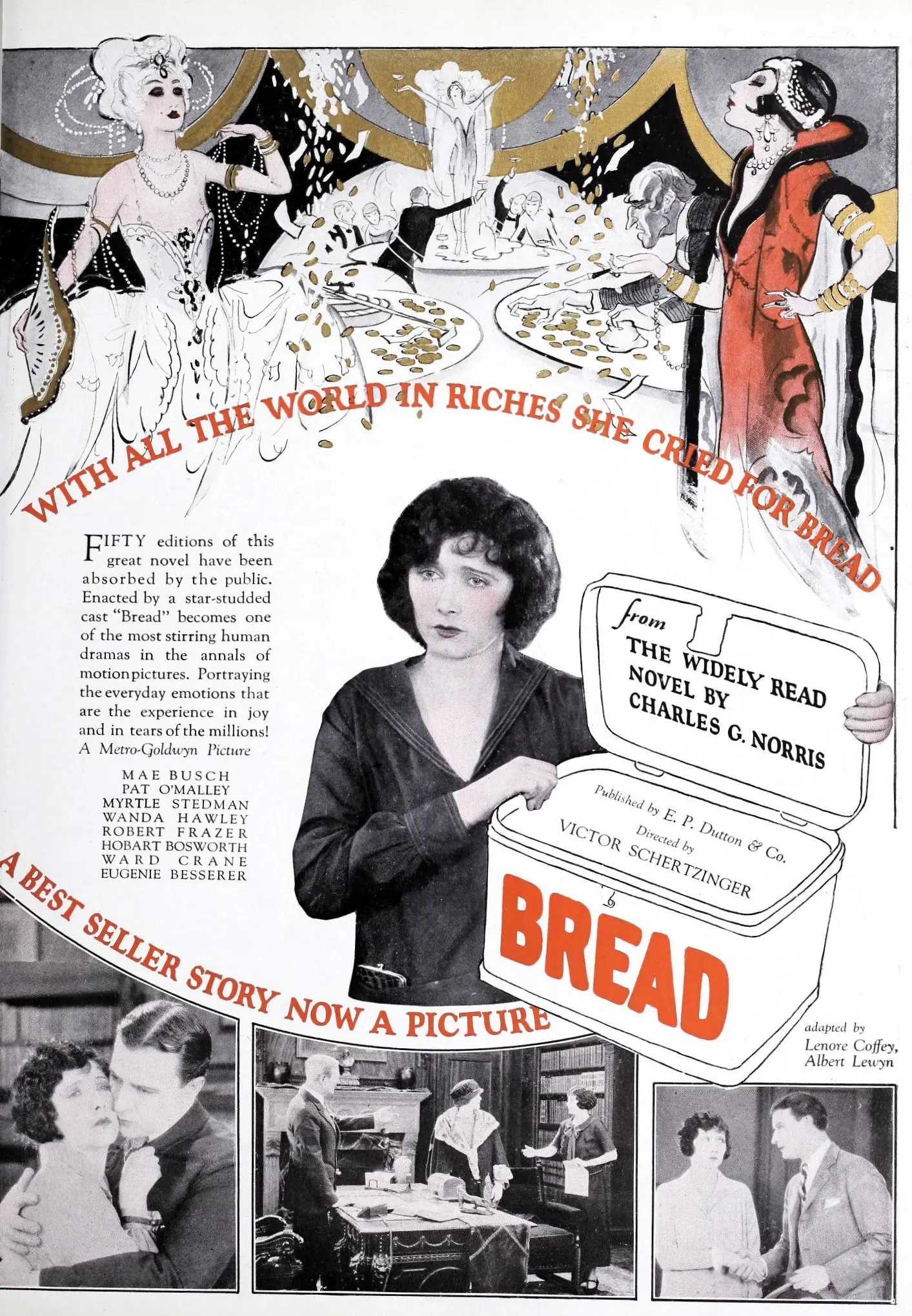
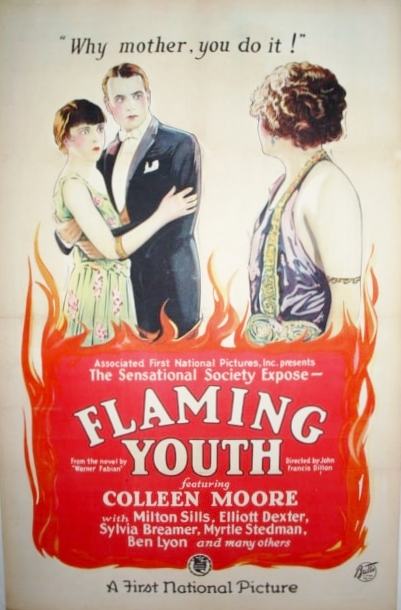
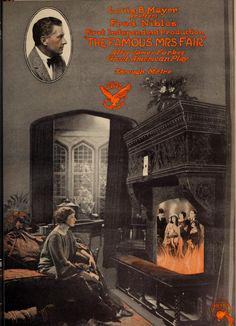
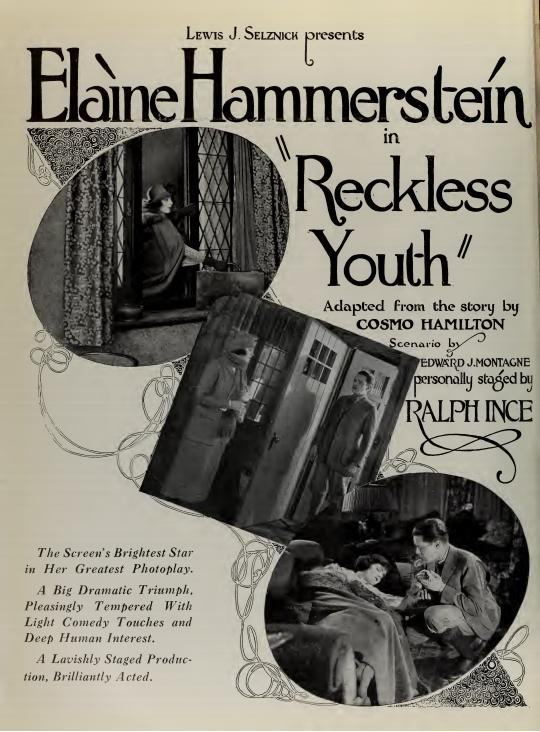
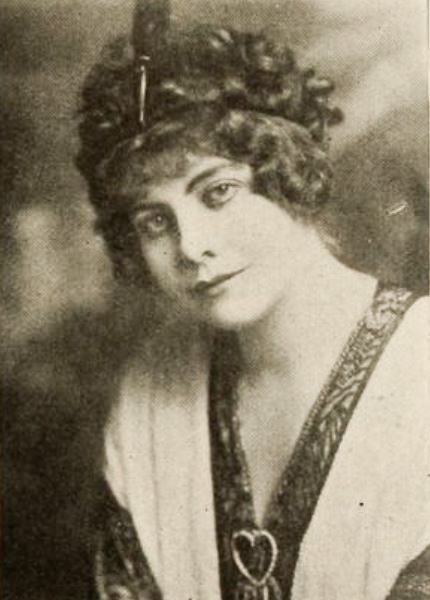
Chicago, 1885: Myrtle Lincoln’s first cradle song turned into a soprano solo before she was twelve, and by the time most girls were mastering spelling, she was already in the footlights of a light-opera chorus. A decade of top-billed arias later, she traded the score sheets for title cards and stepped before Selig’s cameras in 1911. The Two Orphans, a brisk three-reeler, announced her arrival; audiences, captivated by the glint in her pale irises, nicknamed her “the girl with the pearly eyes.” While her husband, actor Marshall Stedman, shared the billing, it was Myrtle’s quicksilver charm—equal parts mischief and mettle—that kept seats filled. She could swoon in melodrama, vault onto a galloping horse, or trade six-gun stares with the best of the cowboys, all without smudging the porcelain mystique that sold tickets. In 1914 she slipped Selig’s collar for Bosworth and hit a dazzling stride: The Country Mouse, Jane, Peer Gynt, and, most provocatively, Lois Weber’s incandescent moral puzzle Hypocrites (1915). Each new release widened her range—The American Beauty (1916), As Men Love (1917), In the Hollow of Her Hand (1918), The Teeth of the Tiger (1919)—and while the cameras rolled, her tow-headed son Lincoln trotted onto sets, launching his own juvenile career. Marriage, however, sputtered out the same year Tiger wrapped. The twenties opened with two triumphs—Reckless Youth (1922) and the celebrated Mrs. Fair (1923)—but marquee lights soon pivoted to fresher faces. Myrtle adapted, lending quiet steel to Colleen Moore’s Flaming Youth flappers, May McAvoy’s Tessie, and Mary Astor’s restless No Place to Go heroine. Talkies arrived; her voice—trained in opera houses—slipped effortlessly into the microphone’s narrow range. She became the reliable woman upstairs, the understanding aunt, the society matron with a past: The Jazz Age, Little Accident, Beau Ideal, Klondike, The Widow in Scarlet. After 1933 the credits forgot her name, yet she kept showing up, an unbilled familiar face until the curtain fell. A heart attack in late 1937 led to a swift exit on January 8, 1938; she was 52. Marshall followed five years later; Lincoln, the bright-eyed boy once carried across studio lots, left the stage for good in 1948.
Filmography
In the vault (58)