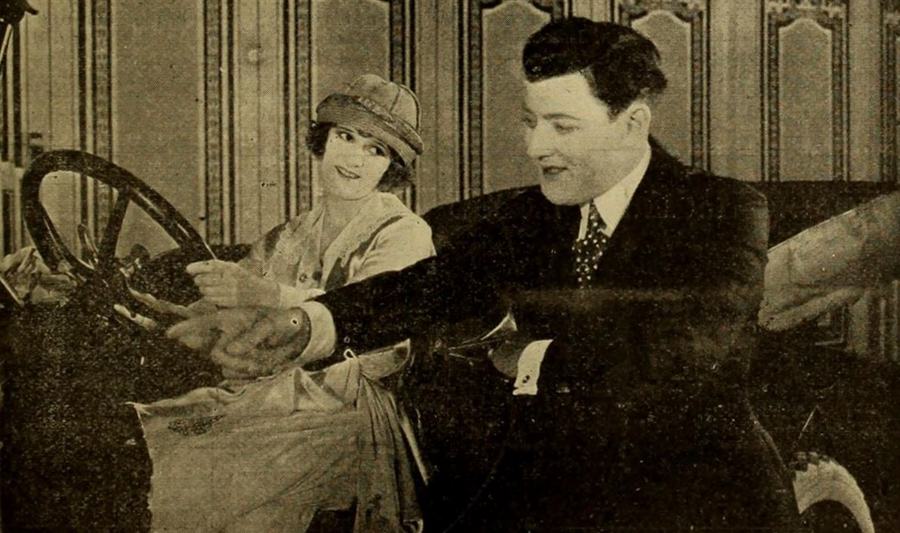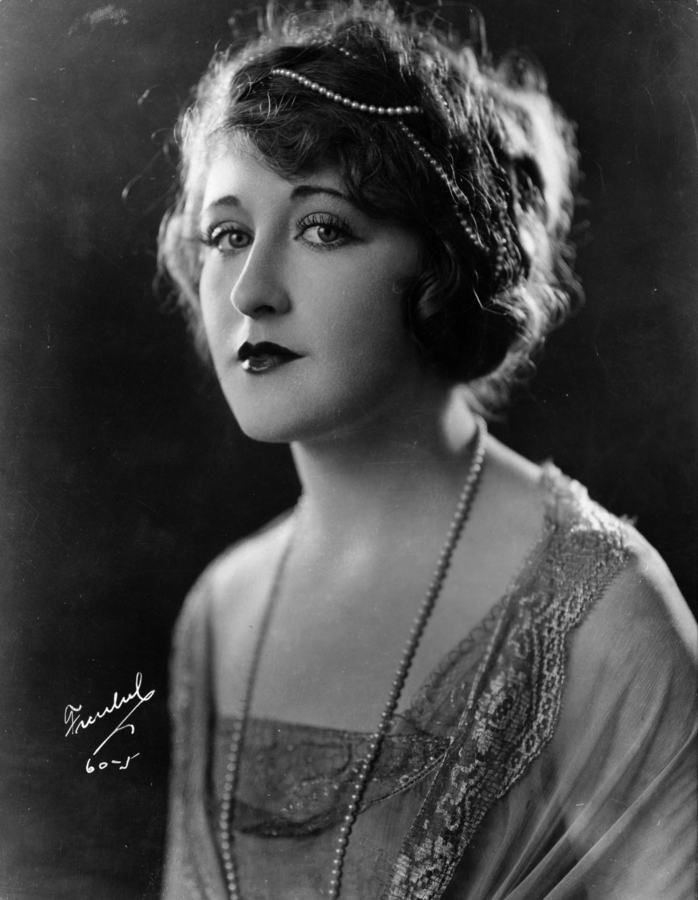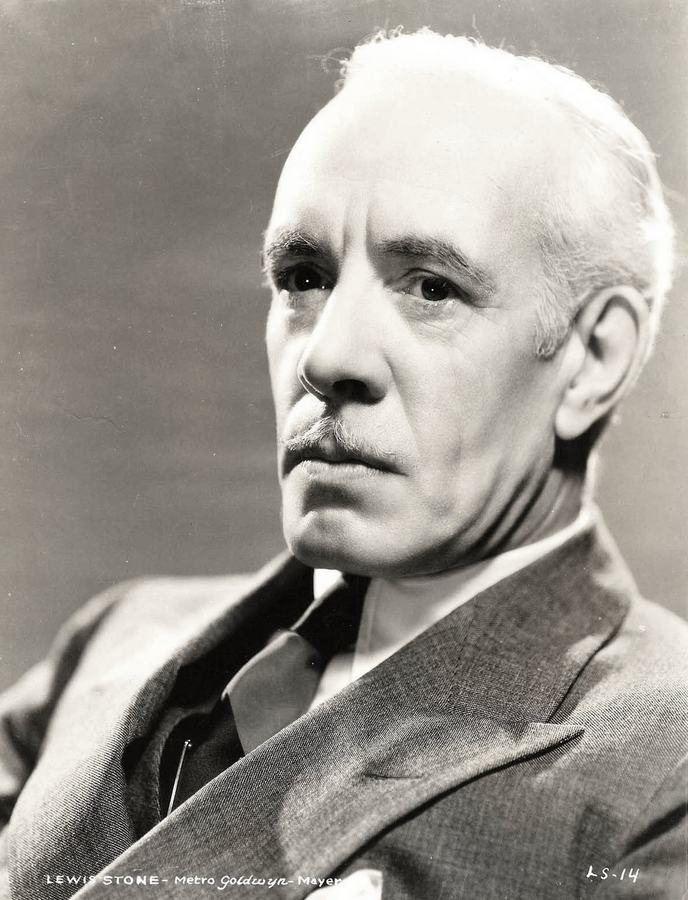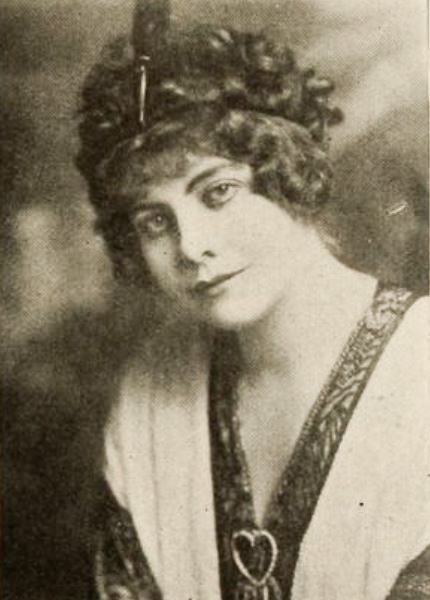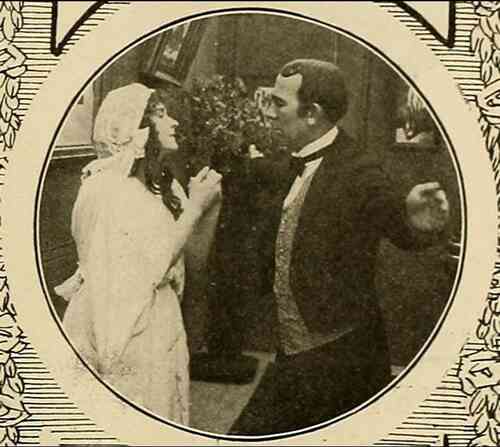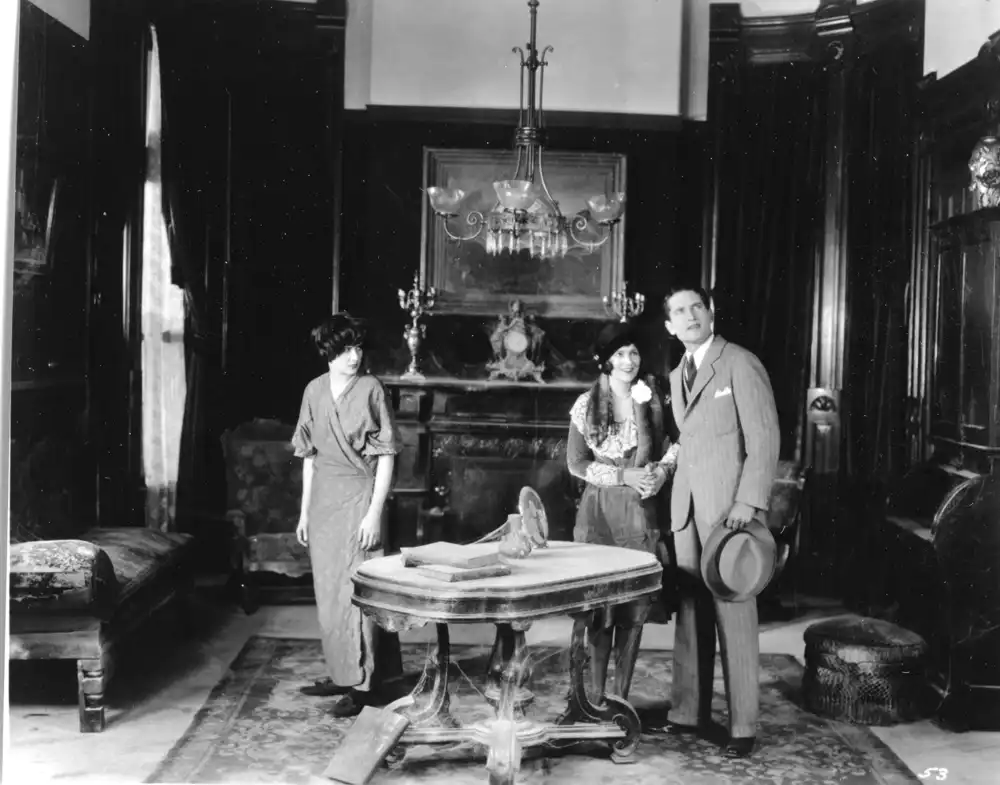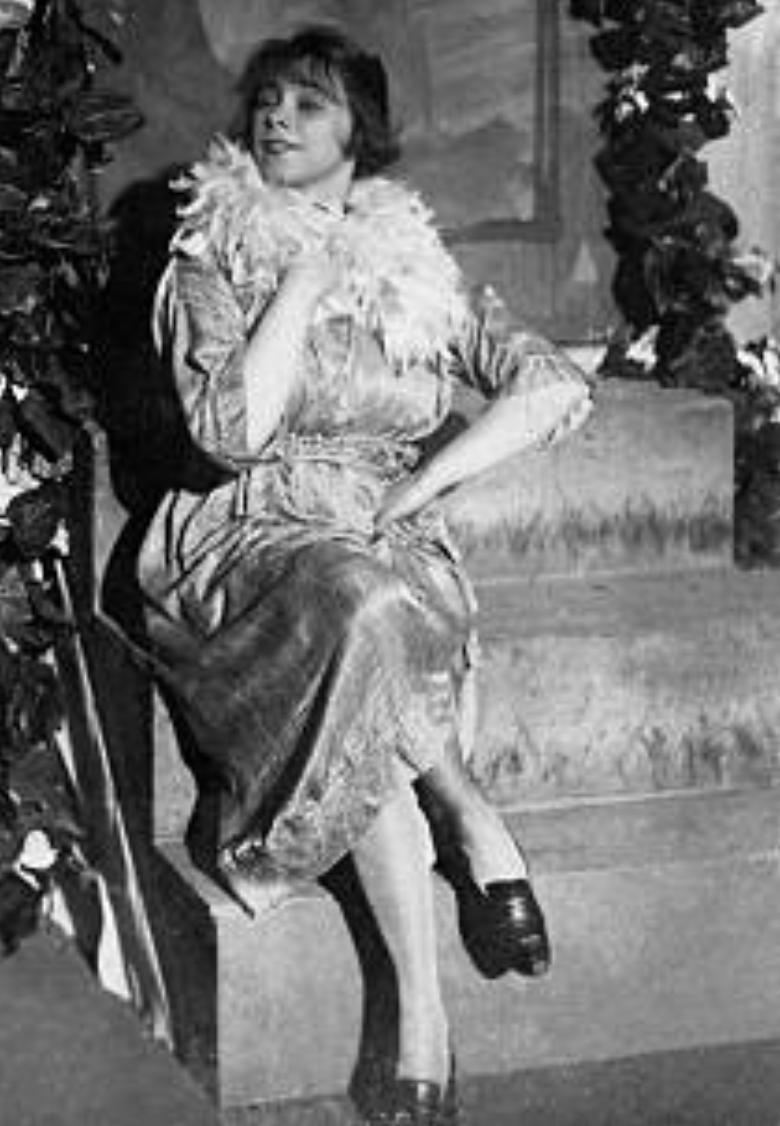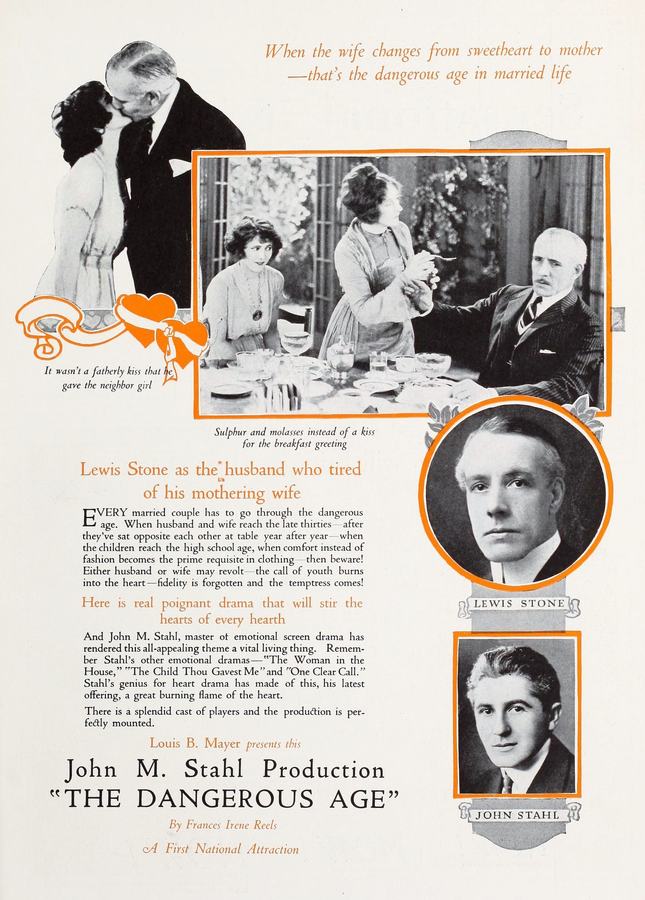
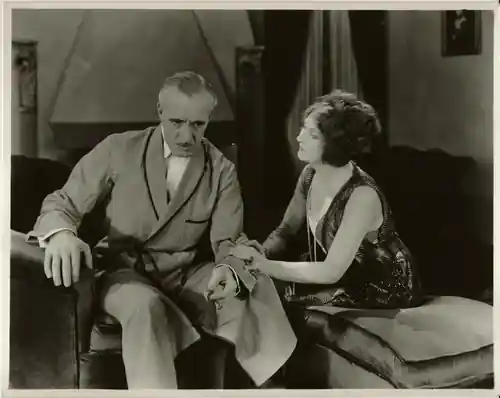
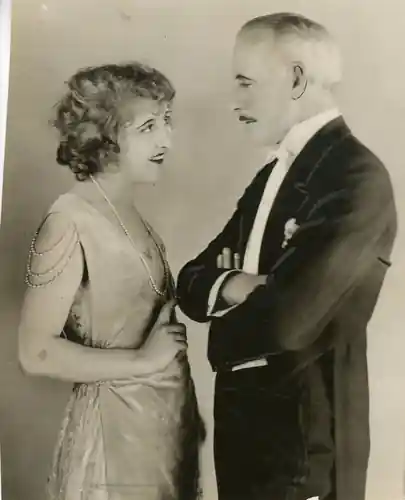
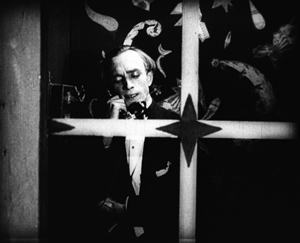
Mary and John Emerson have been married for 22 years, and she treats him more like a son than a husband. Stung by her rebuffs, he succumbs to the youthful charms of Gloria Sanderson, whom he meets on a business trip.
In the flickering penumbra of 1923, when Hollywood still flirted with Victorian mores before plunging headlong into jazz-soaked decadence, The Dangerous Age arrives like a tintype daguerreotype—sepia, frayed, yet incandescent. The film’s very title is a dare, a confession, a prophecy: no calendar date is specified, ye...
still_frame
publicity
publicity
production_art
publicity
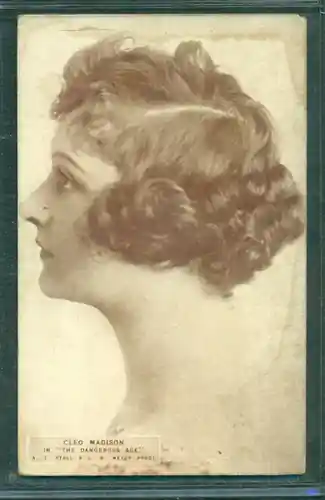
still_frame
Comparing the cinematic DNA and archive impact of two defining moments in cult history.
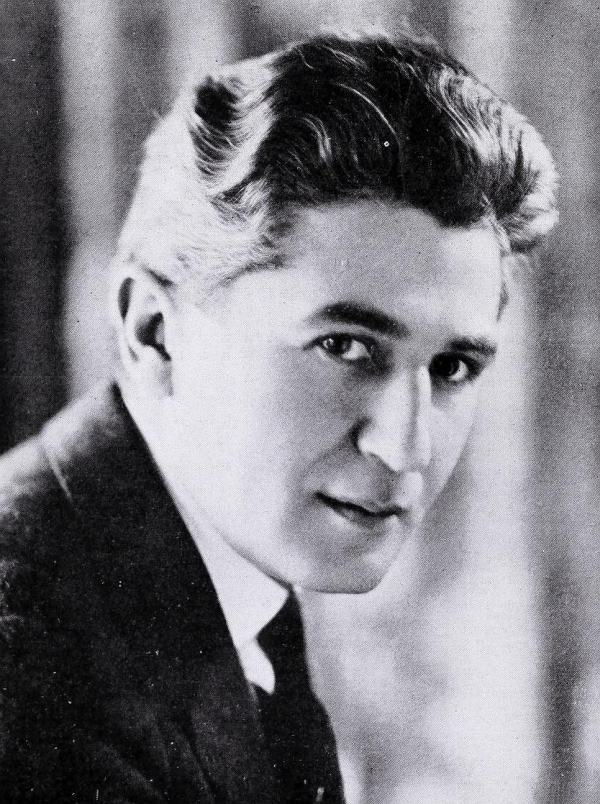
John M. Stahl
Wilfred Lucas
Community
Log in to comment.
" In the flickering penumbra of 1923, when Hollywood still flirted with Victorian mores before plunging headlong into jazz-soaked decadence, The Dangerous Age arrives like a tintype daguerreotype—sepia, frayed, yet incandescent. The film’s very title is a dare, a confession, a prophecy: no calendar date is specified, yet every frame quivers with the vertigo of mid-life, that precarious ledge where yesterday’s certainties ossify into tomorrow’s regrets. The Architecture of a Stagnant Marriage Dir..."
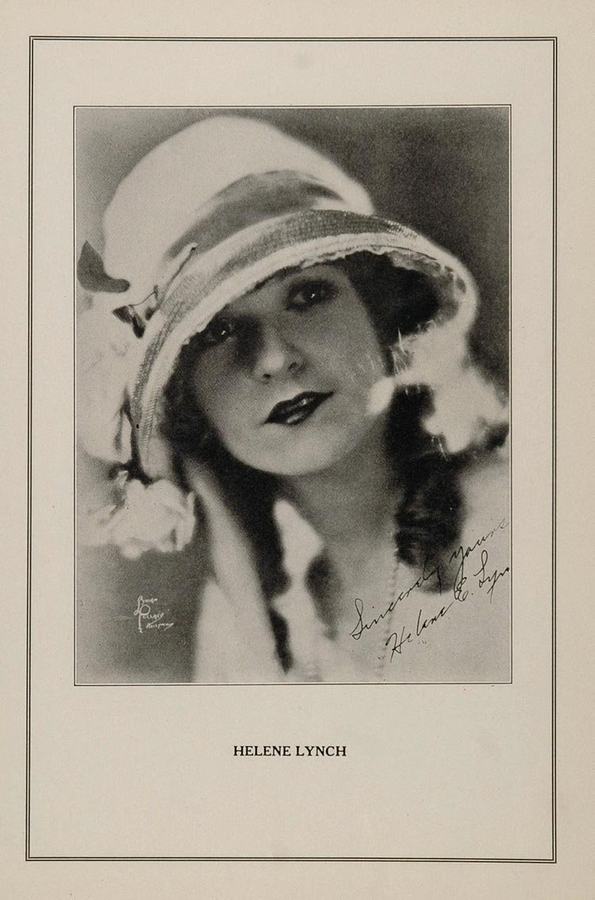
Helen Lynch
Frances Irene Reels, Lenore J. Coffee, J.G. Hawks, Bess Meredyth
United States
Deep dive into the cult classic
Discover similar cinematic experiences
A Directorial Spotlight on John M. Stahl