Noble Johnson
actor, producer, writer
- Birth name:
- Noble Mark Johnson
- Born:
- 1881-04-18, Marshall, Missouri, USA
- Died:
- 1978-01-09, Yucaipa, California, USA
- Professions:
- actor, producer, writer
Biography
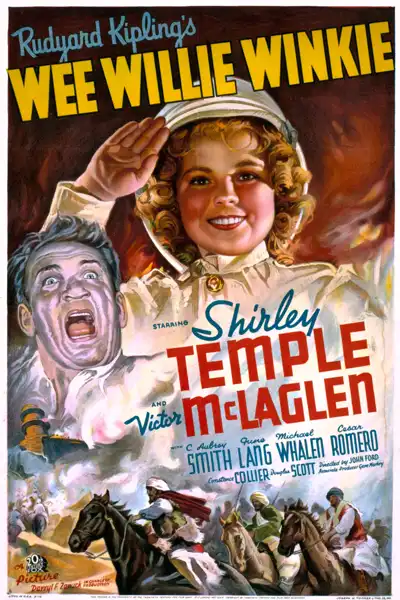
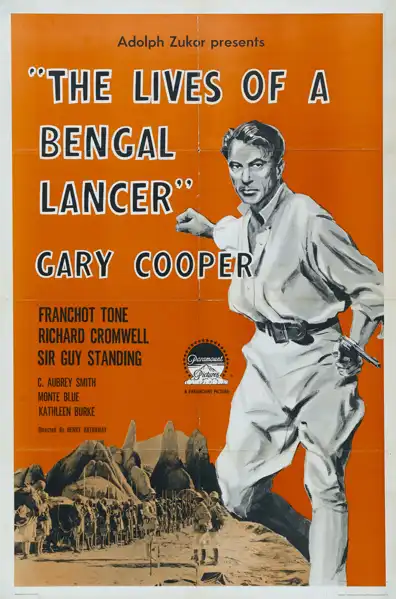
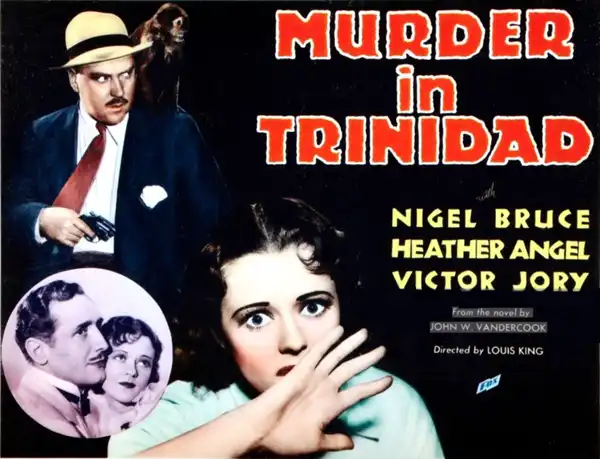
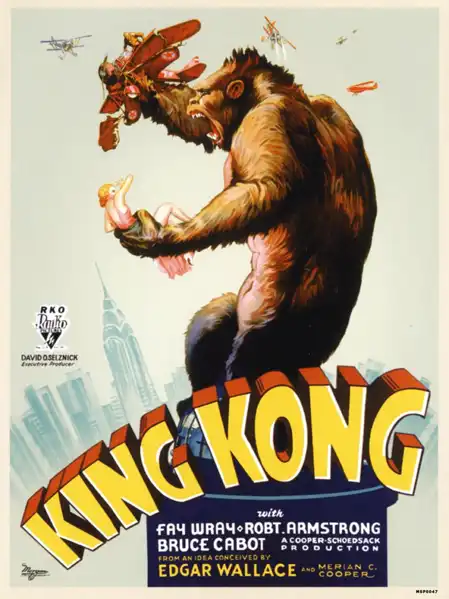
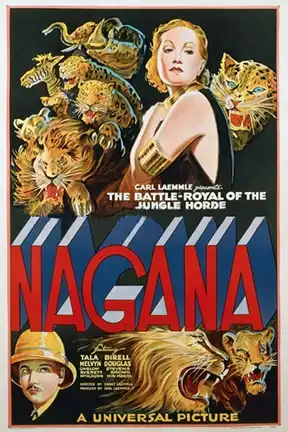
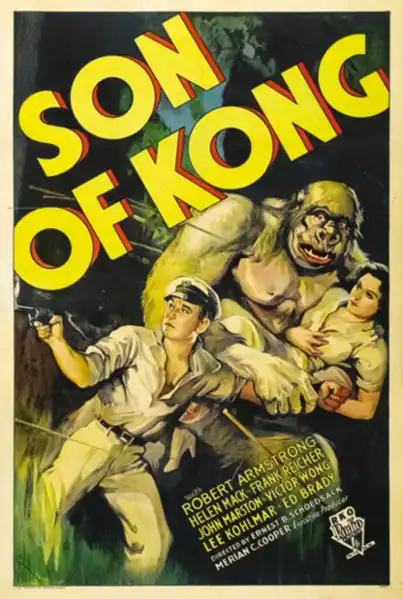
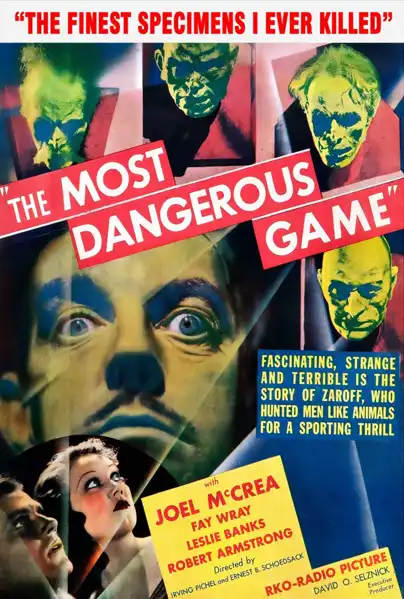
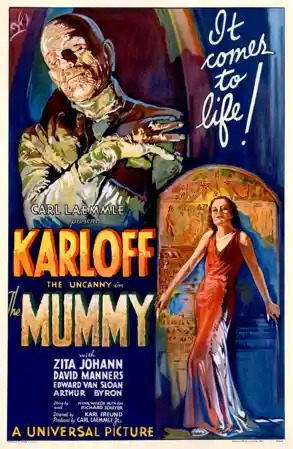
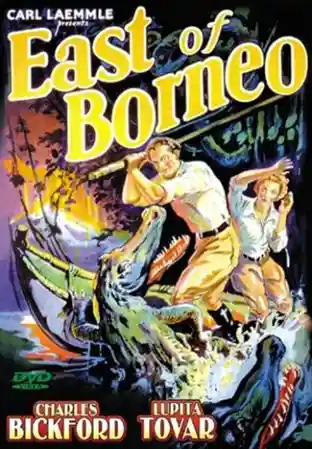
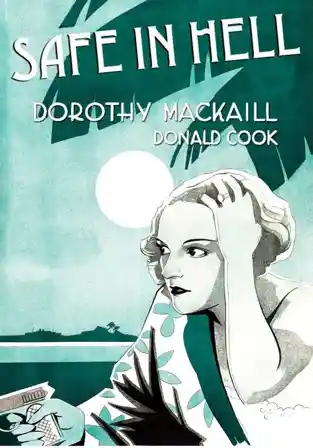
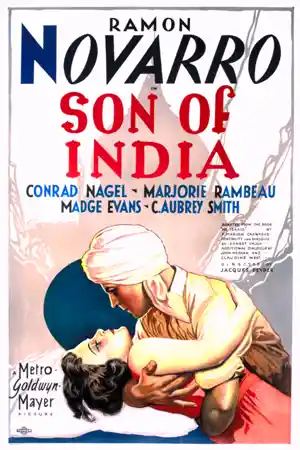
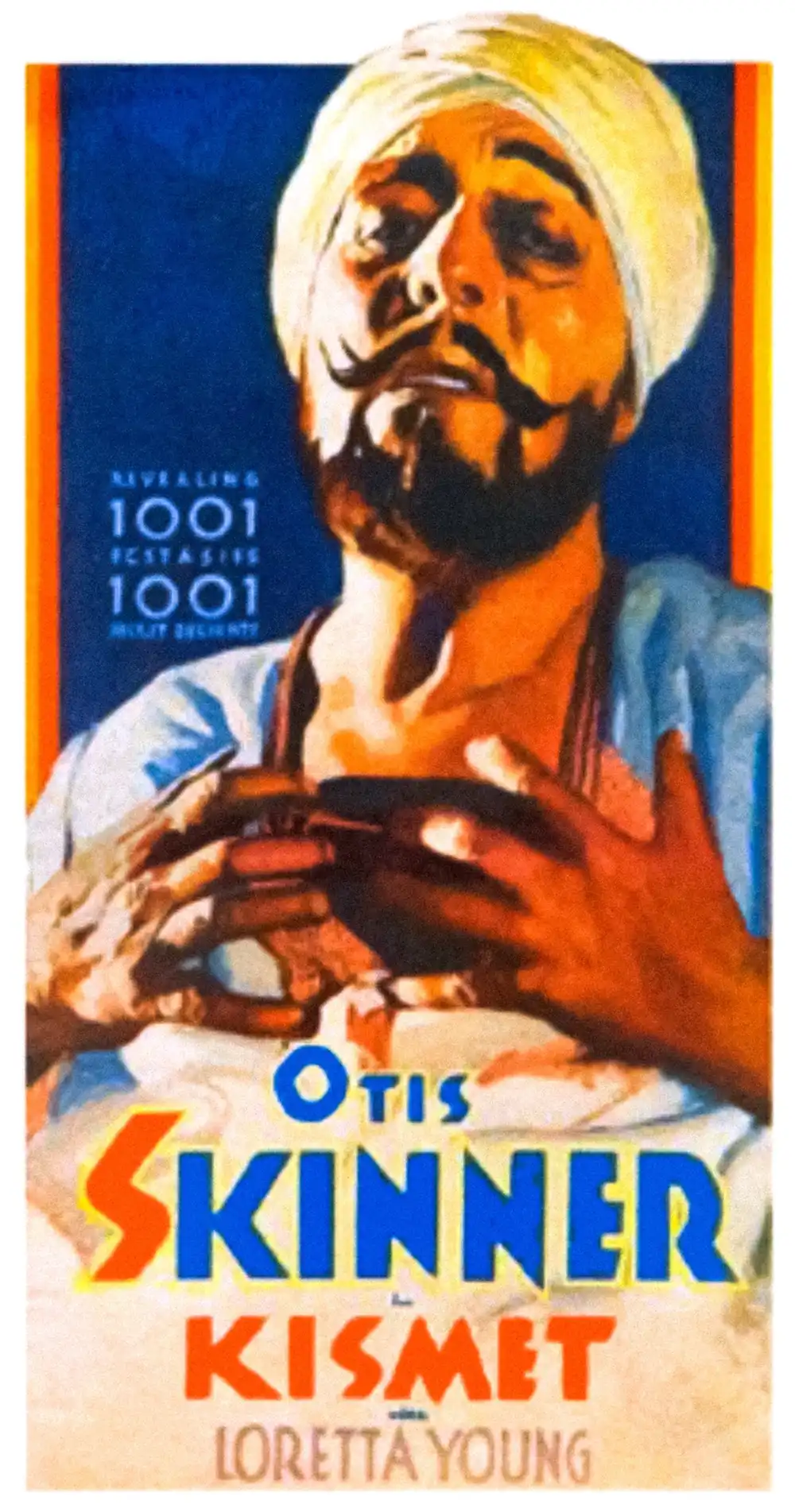
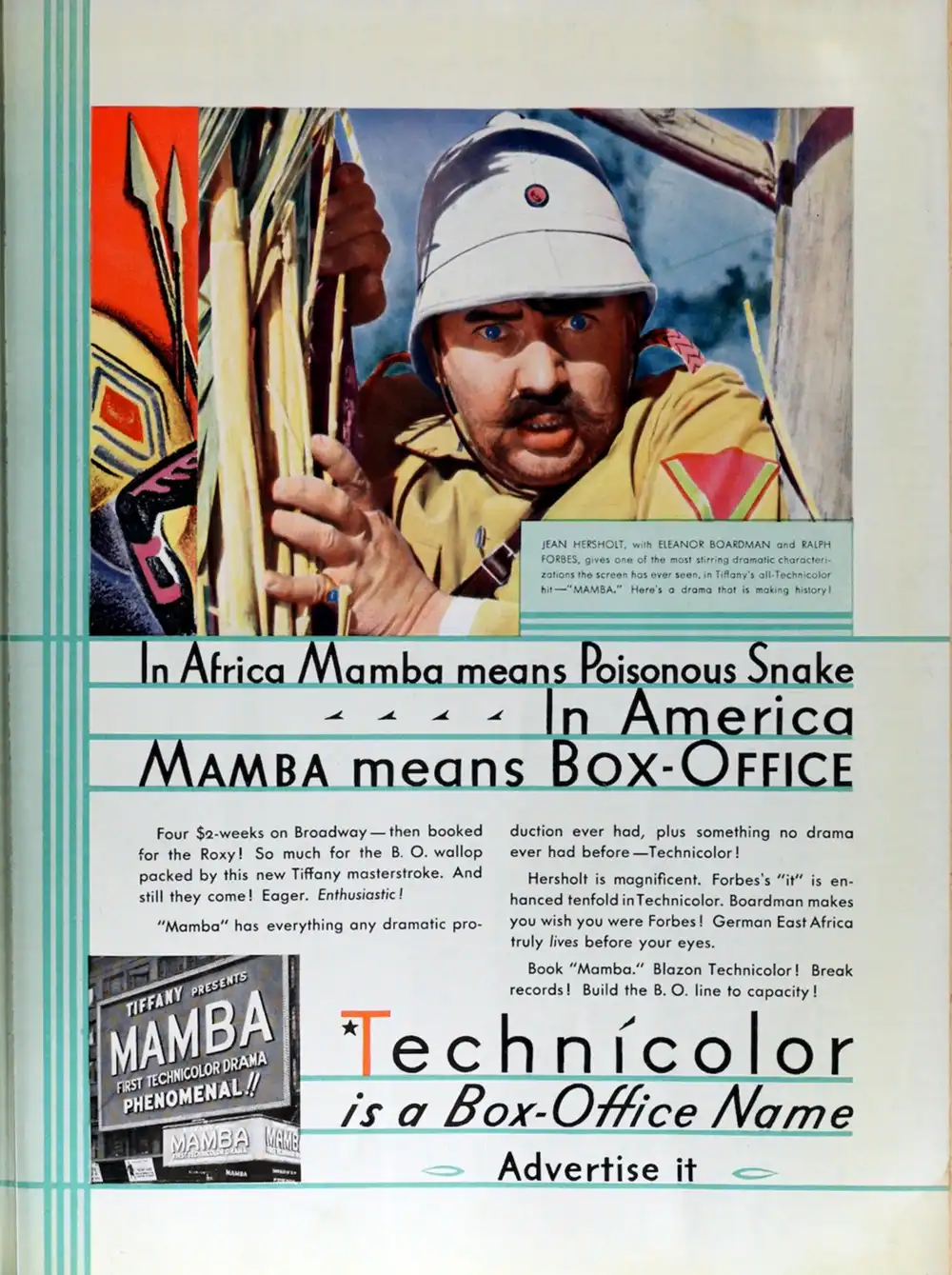
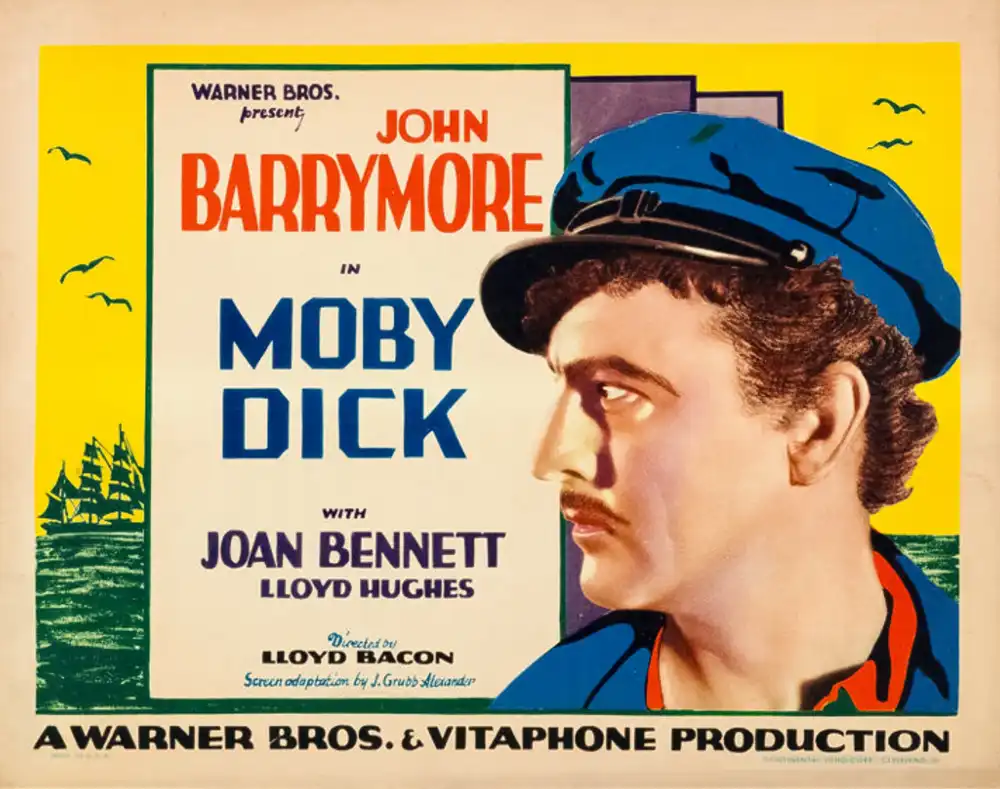
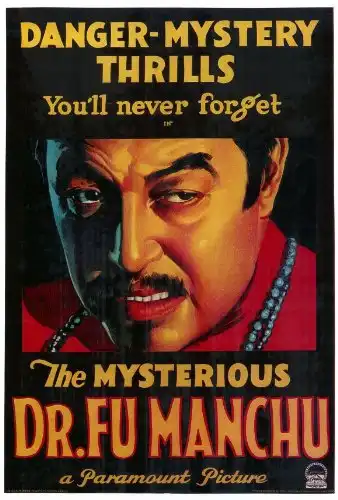
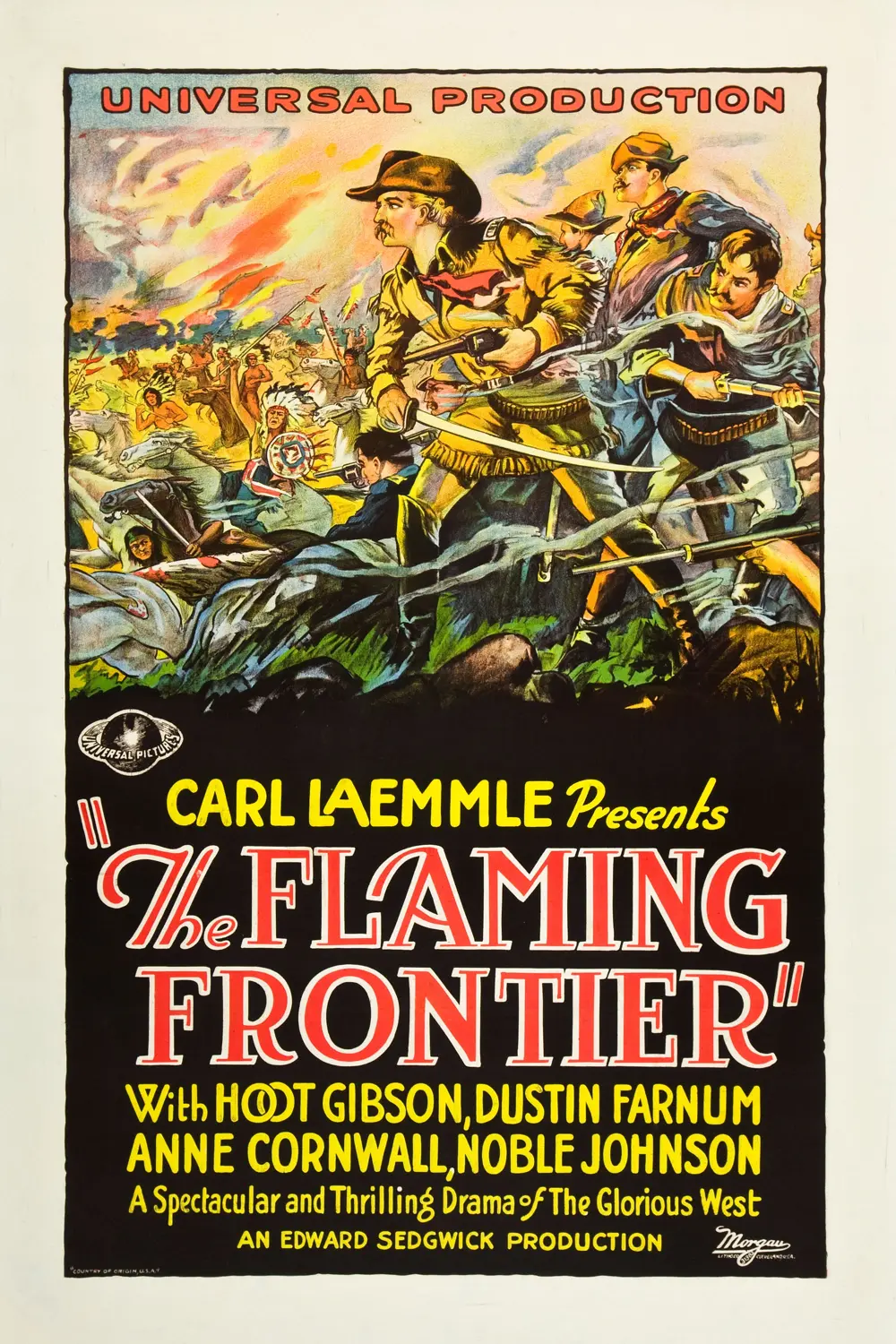
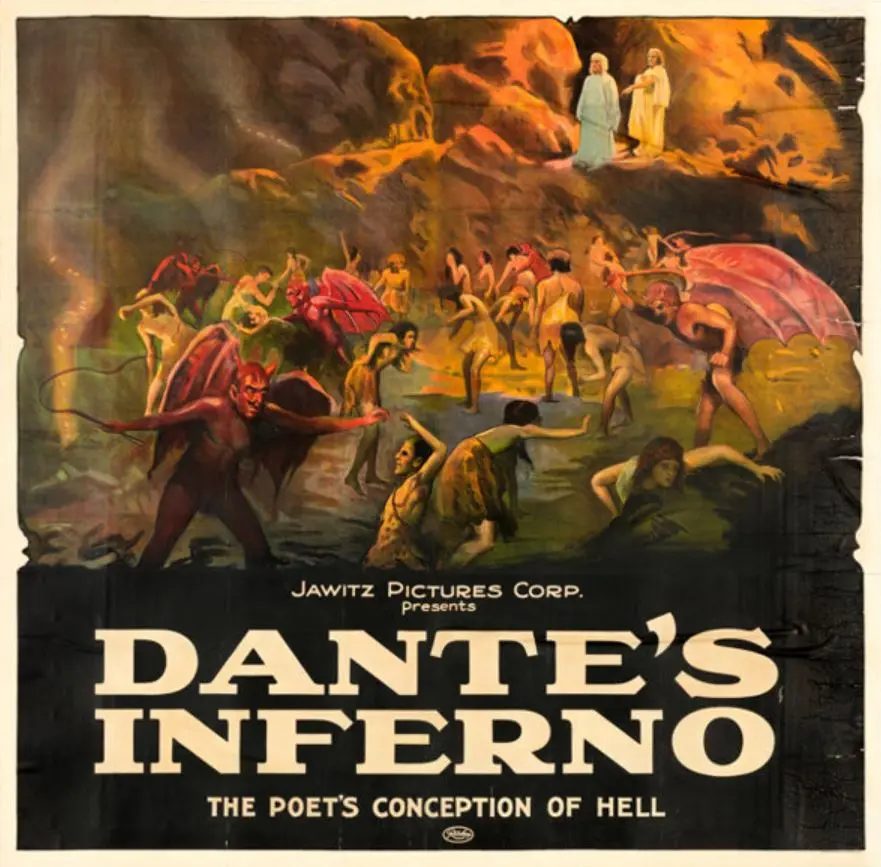
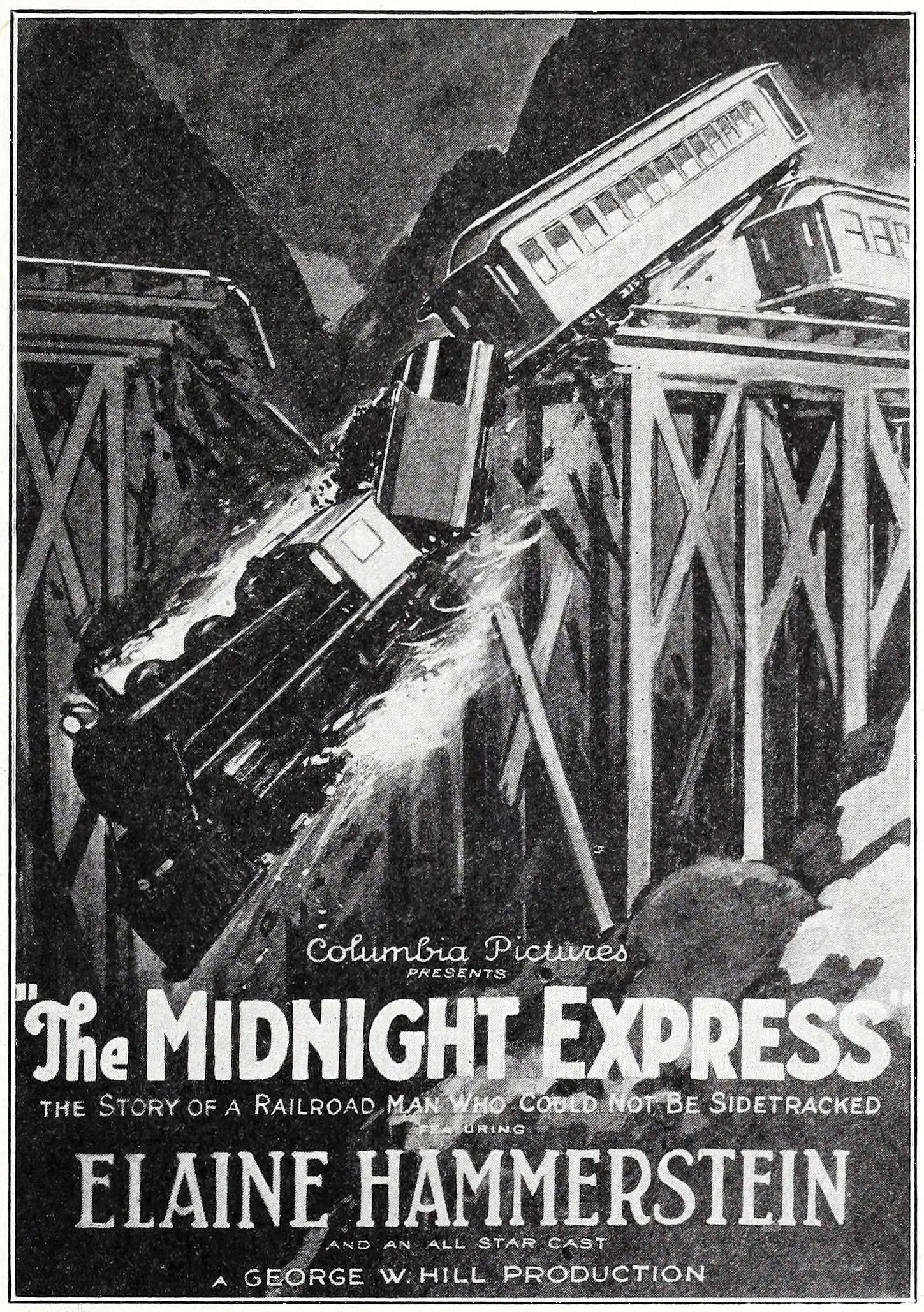
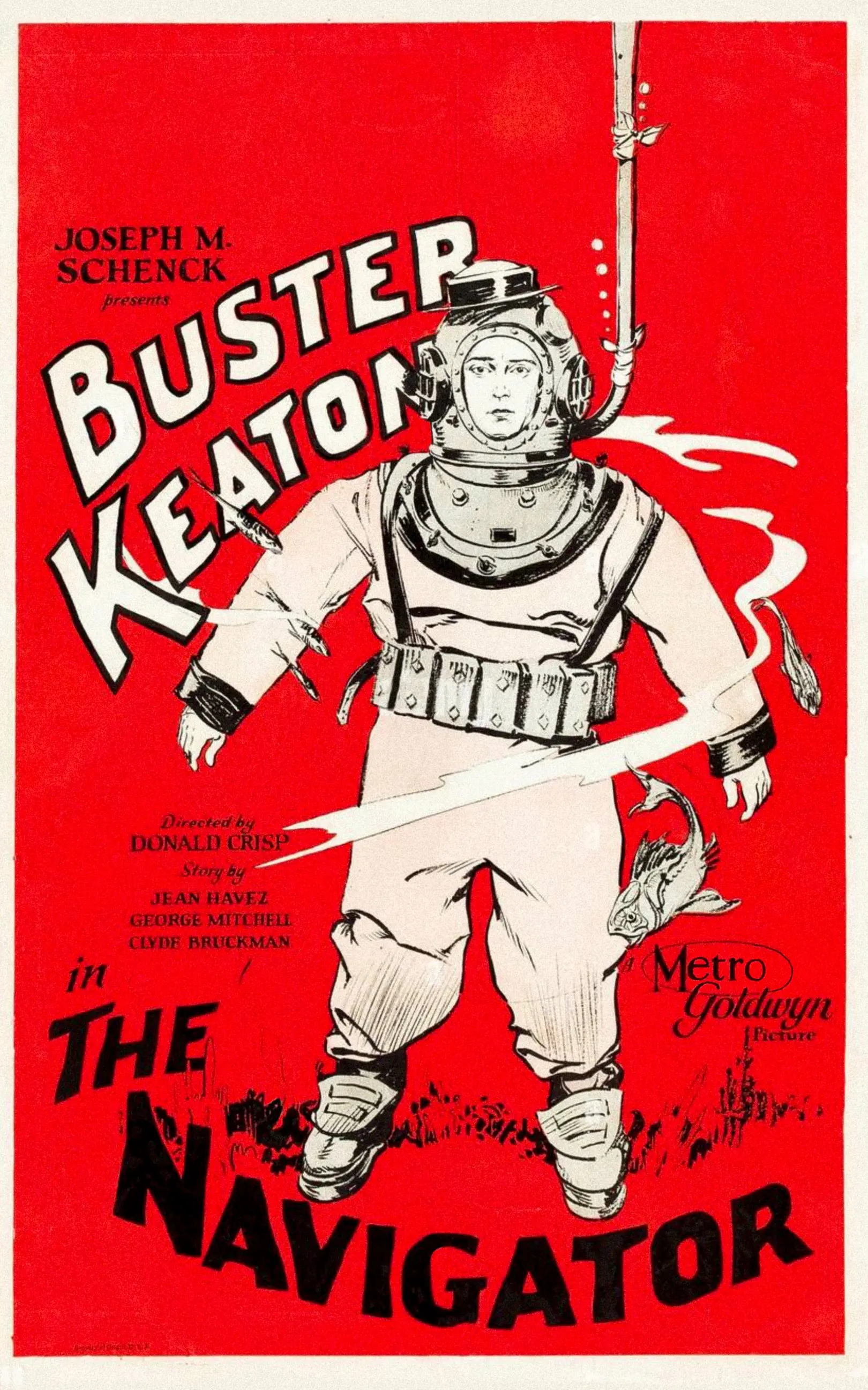
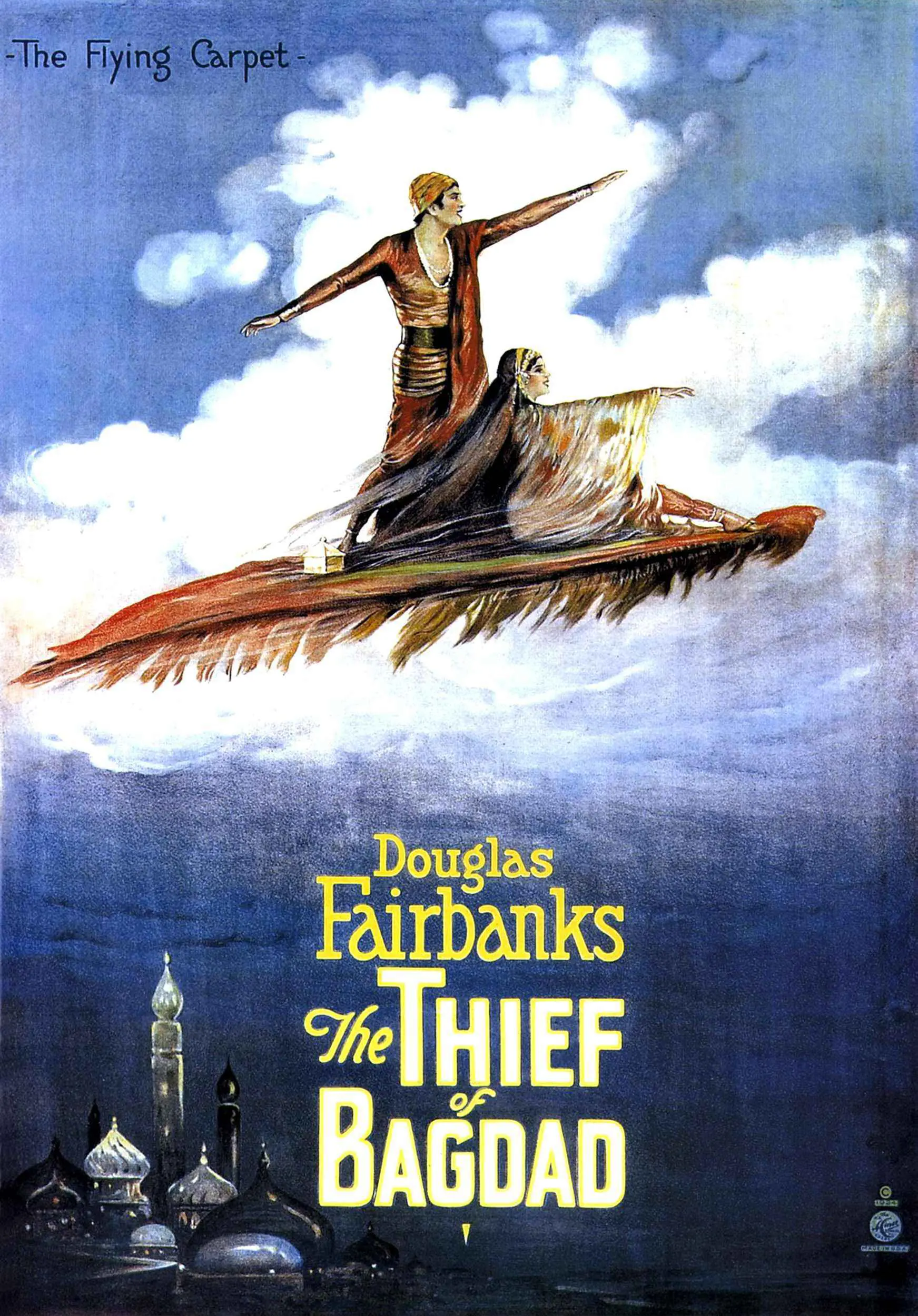
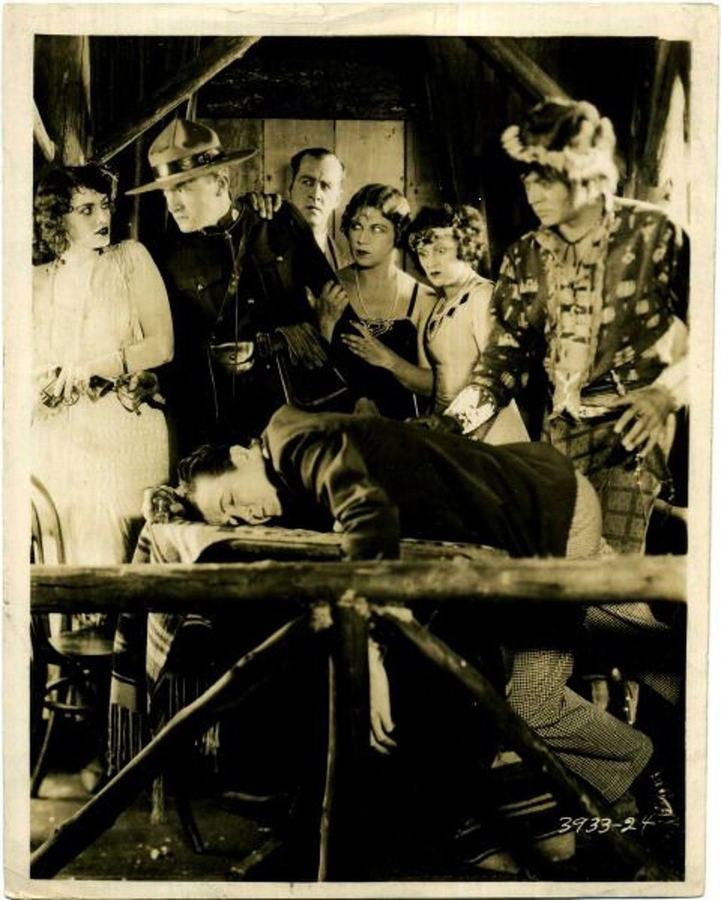
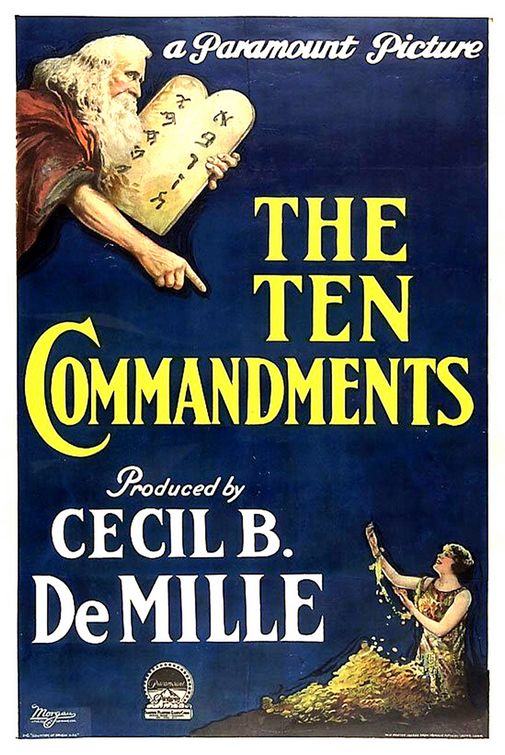
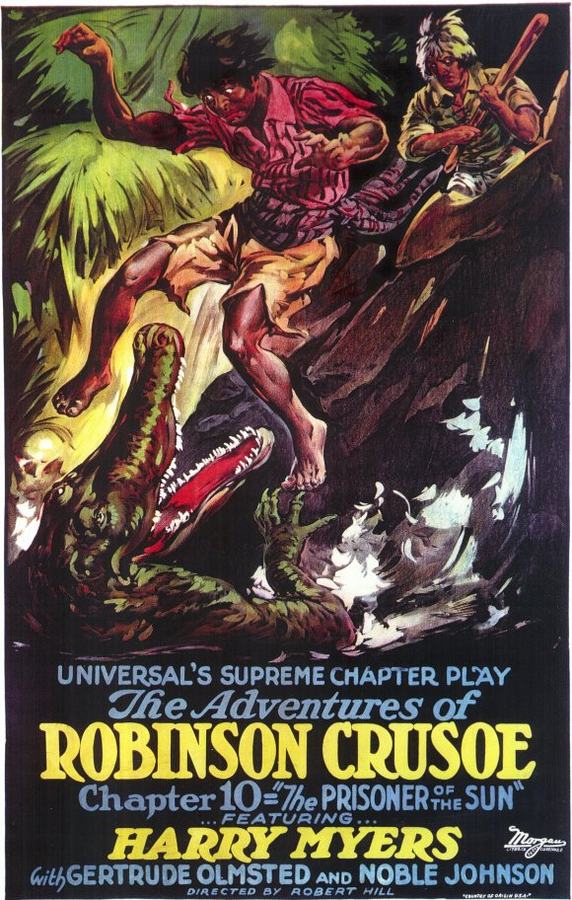
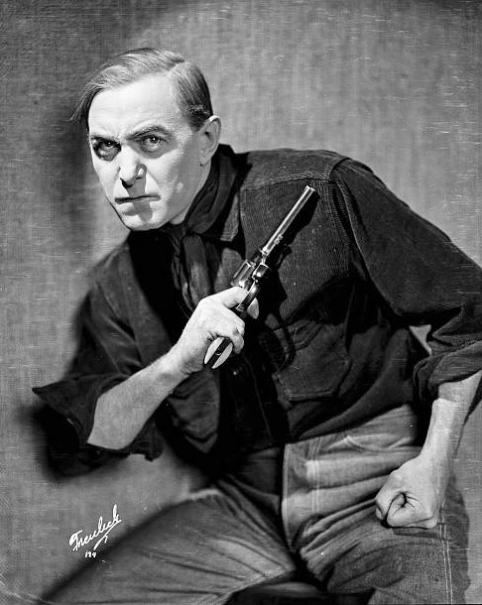
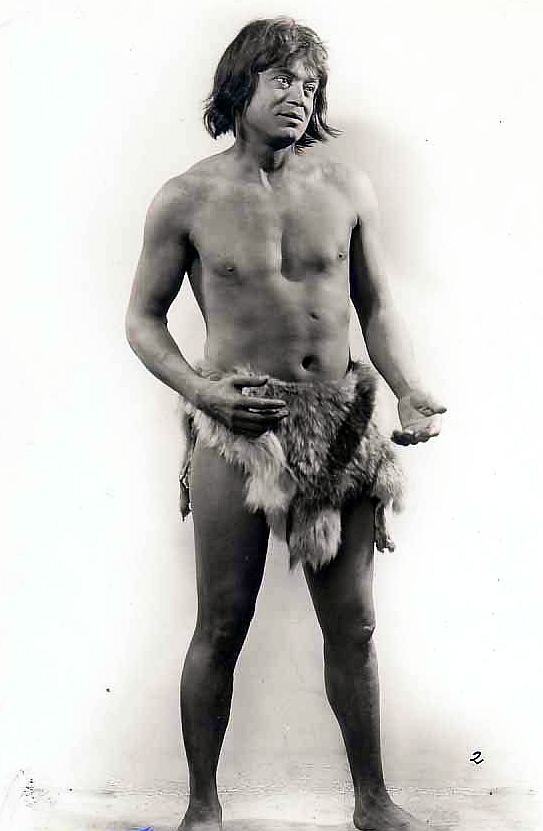
April 18, 1881: Marshall, Missouri gains a son—Noble Johnson—who will grow up re-defining what a Black performer can be on-screen. While still a toddler he’s carried west to Colorado Springs, where he trades marbles with a boy named Lon Chaney; decades later the two will bump into each other again among the klieg lights of Hollywood, grinning at the small-world magic of it all yet somehow never sharing a frame of film. Six-foot-two, 215 pounds of carved granite, Johnson strides into silent pictures like a living special effect. Studios cast him as whatever the script demands—Cherokee chieftain, Mexican bandit, Arabian prince, even a denizen of Hades in 1924’s Dante’s Inferno—because early orthochromatic stock turns every complexion into shades of silver and shadow. Between cowboy cliff-hangers and lost-world serials he glides from one ethnicity to another, always lending the role a quiet majesty that makes his first name feel like destiny instead of label. But acting isn’t enough. In 1916 he launches Lincoln Motion Picture Company, the first all-Black studio to portray African-American life with something approaching truth. Johnson acts by day for the majors—diving under the sea in 20,000 Leagues Under the Sea—then funnels the cash into Lincoln’s coffers. The Realization of a Negro’s Ambition hits screens the same year, giving audiences their first glimpse of Black aspiration without minstrel mockery. Four grinding years follow; in 1920 the double life finally wins and Johnson steps down as president, leaving the path open for pioneers like Oscar Micheaux. The ’20s roar, and Noble is everywhere: dancing through Armageddon alongside Valentino in The Four Horsemen of the Apocalypse (1921), carved into stone for DeMille’s The Ten Commandments (1923), swashbuckling in The Thief of Bagdad (1924). Talkies arrive; his voice carries easily into the new era—he’s Queequeg to John Barrymore’s Ahab in Moby Dick (1930), then the resolute chieftain on Skull Island who trades nods with the Eighth Wonder of the World in King Kong (1933) and its sequel Son of Kong. Capra taps him as a Himalayan porter in Lost Horizon (1937), and Ford gives him the last great flourish—Chief Red Shirt in She Wore a Yellow Ribbon (1949). The curtain falls in 1950; Johnson walks away from sets and greasepaint, settling into the quiet hills of Yucaipa, California. Nearly three decades later—January 9, 1978—he closes his eyes for the final time at 96, leaving behind a legacy etched in nitrate and nerve. Eternal Valley Memorial Park in Newhall keeps his remains beneath a simple marker in the Garden of Peace, but the images he created still leap from screens, as noble as the day they were born.
Filmography
In the vault (58)