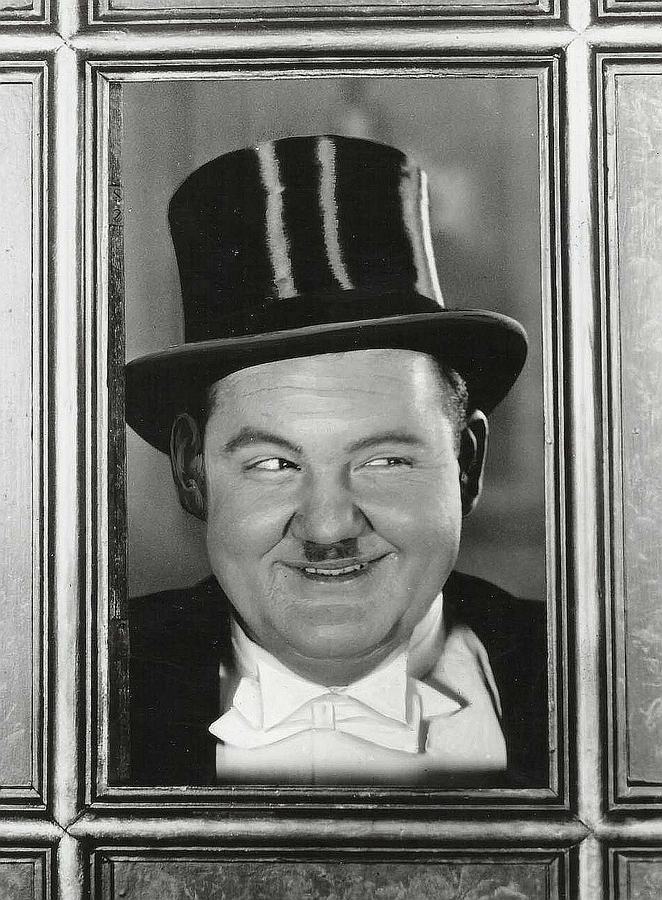
Oliver Hardy
actor, director, miscellaneous
- Birth name:
- Oliver Norvell Hardy
- Born:
- 1892-01-18, Harlem, Georgia, USA
- Died:
- 1957-08-07, North Hollywood, Los Angeles, California, USA
- Professions:
- actor, director, miscellaneous
Biography
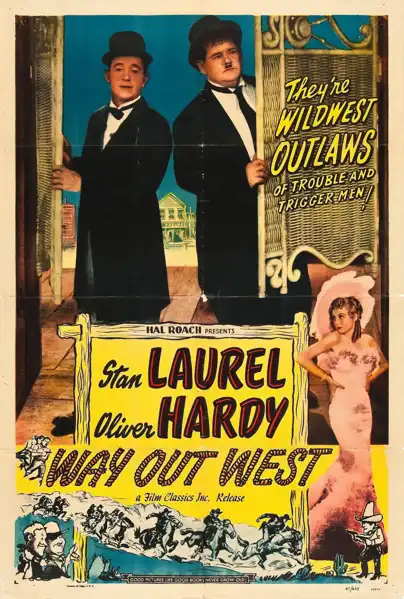
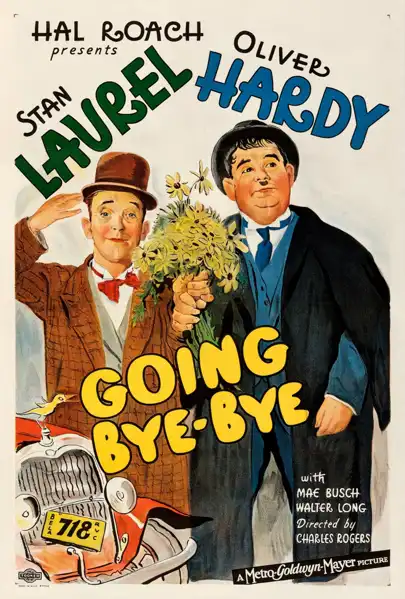
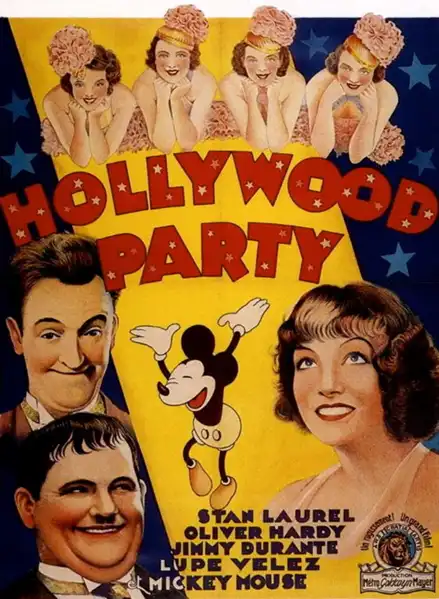
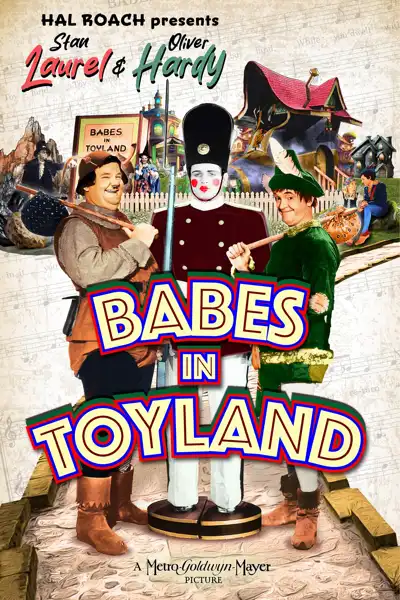
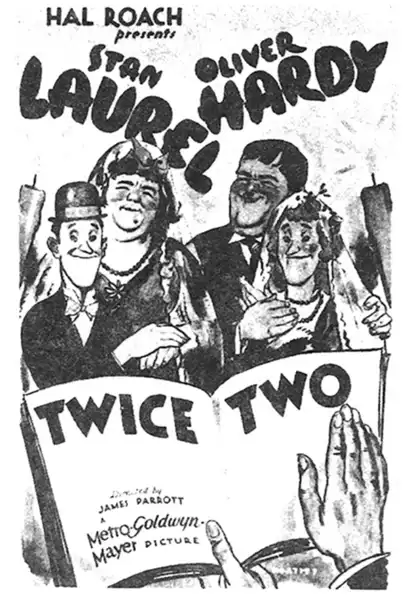
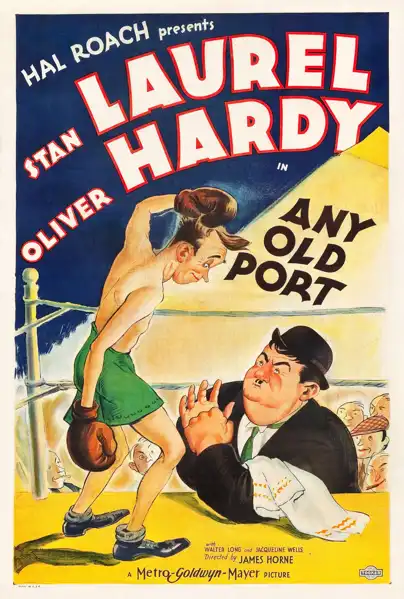
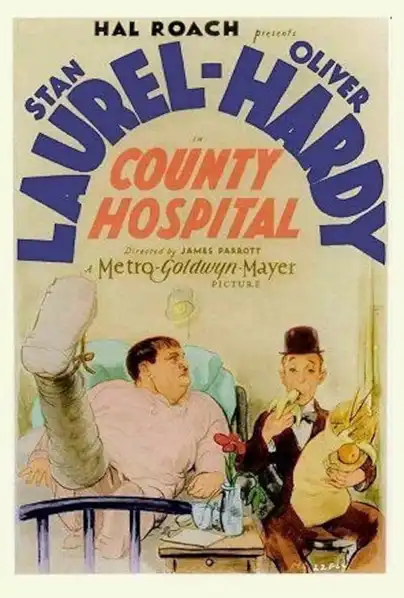
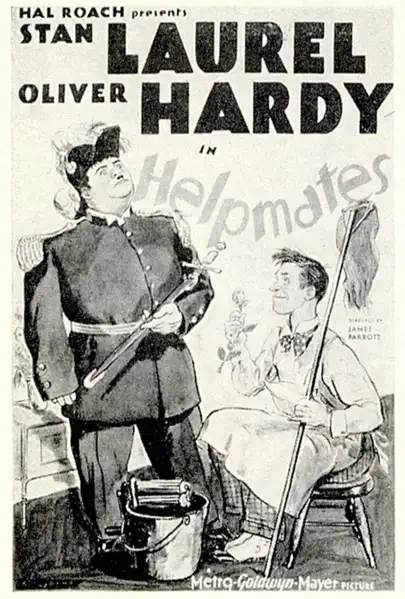
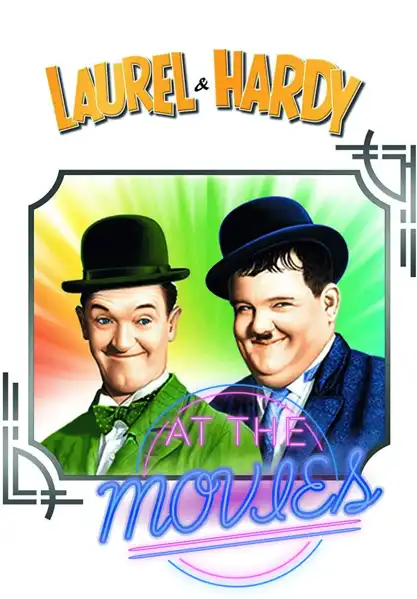
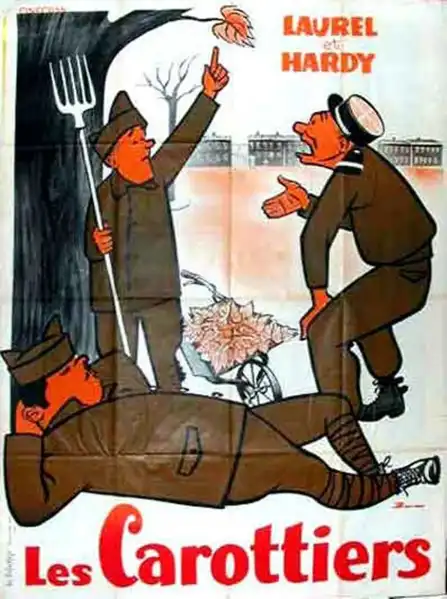
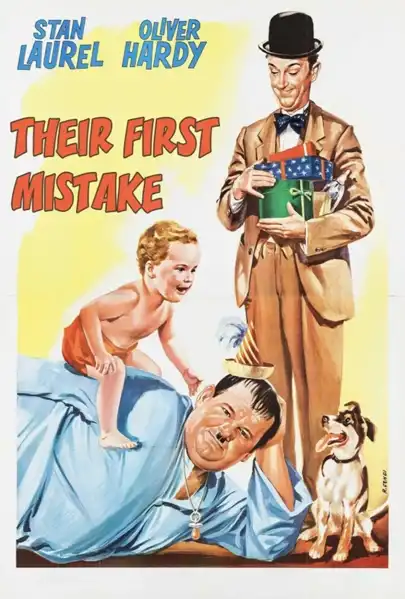
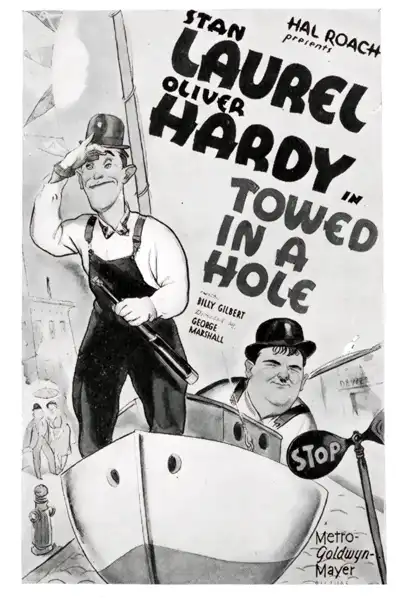
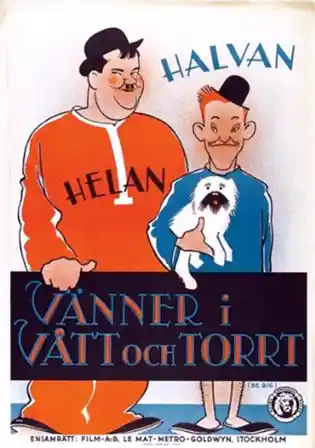
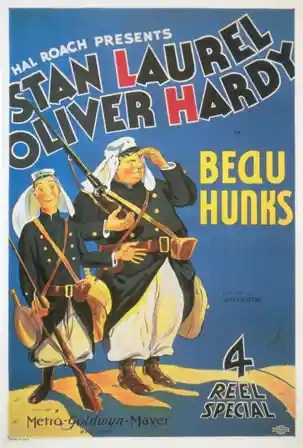
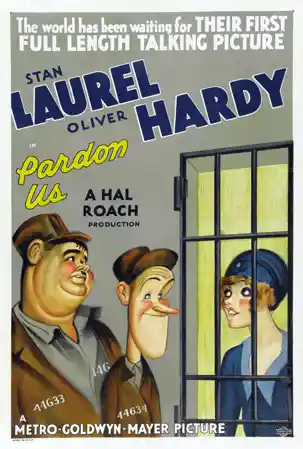
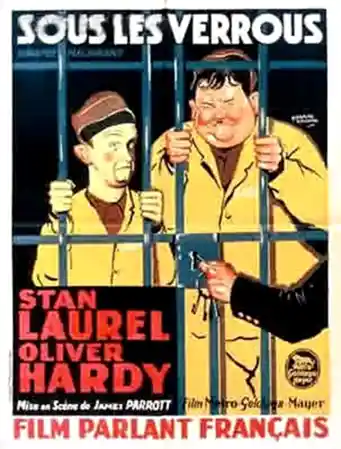
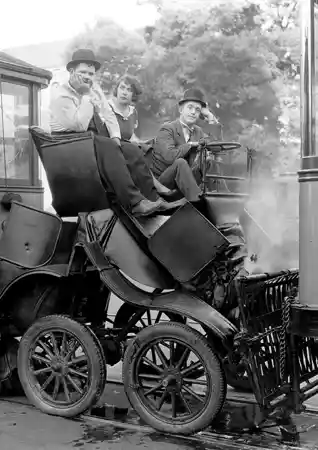
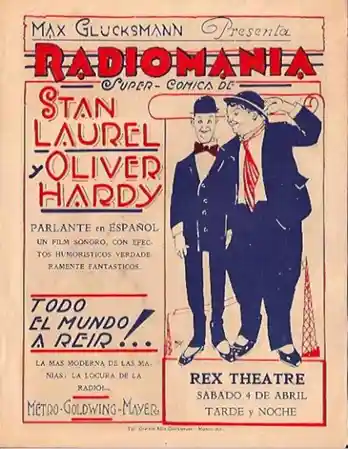
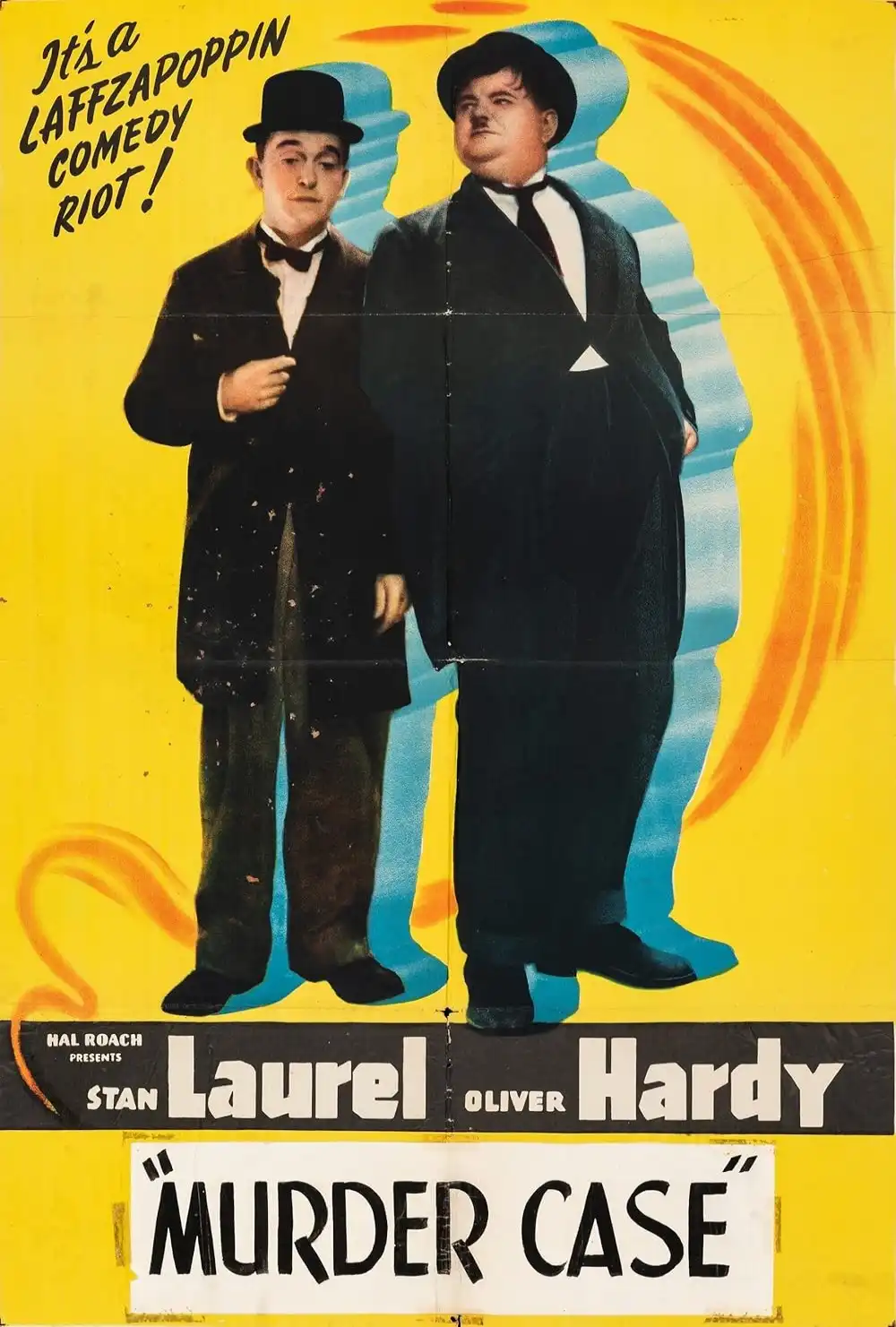
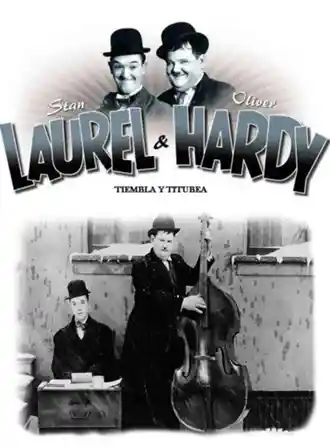
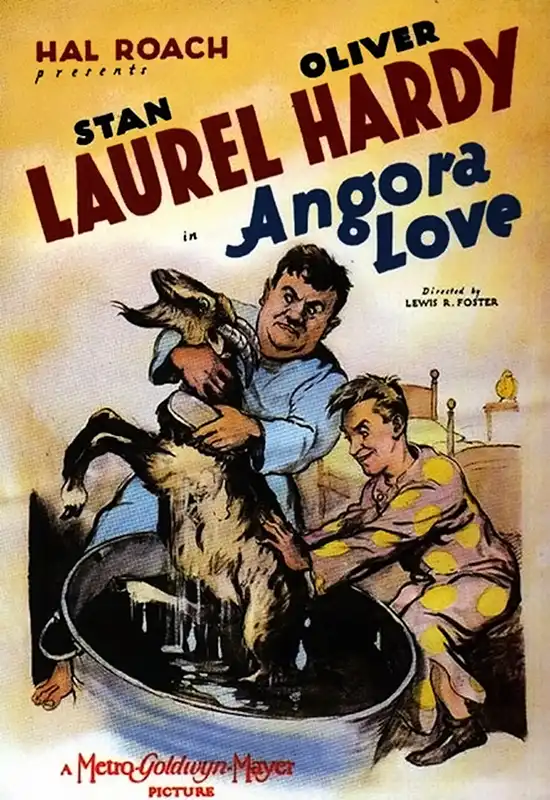
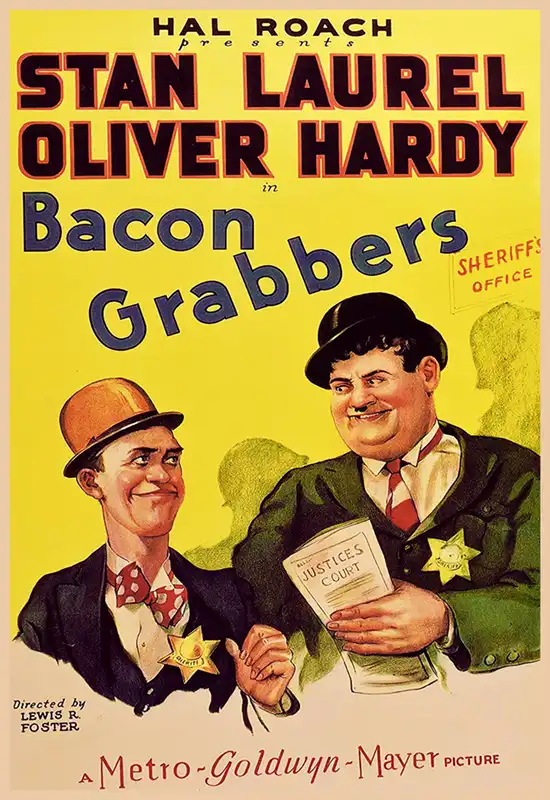
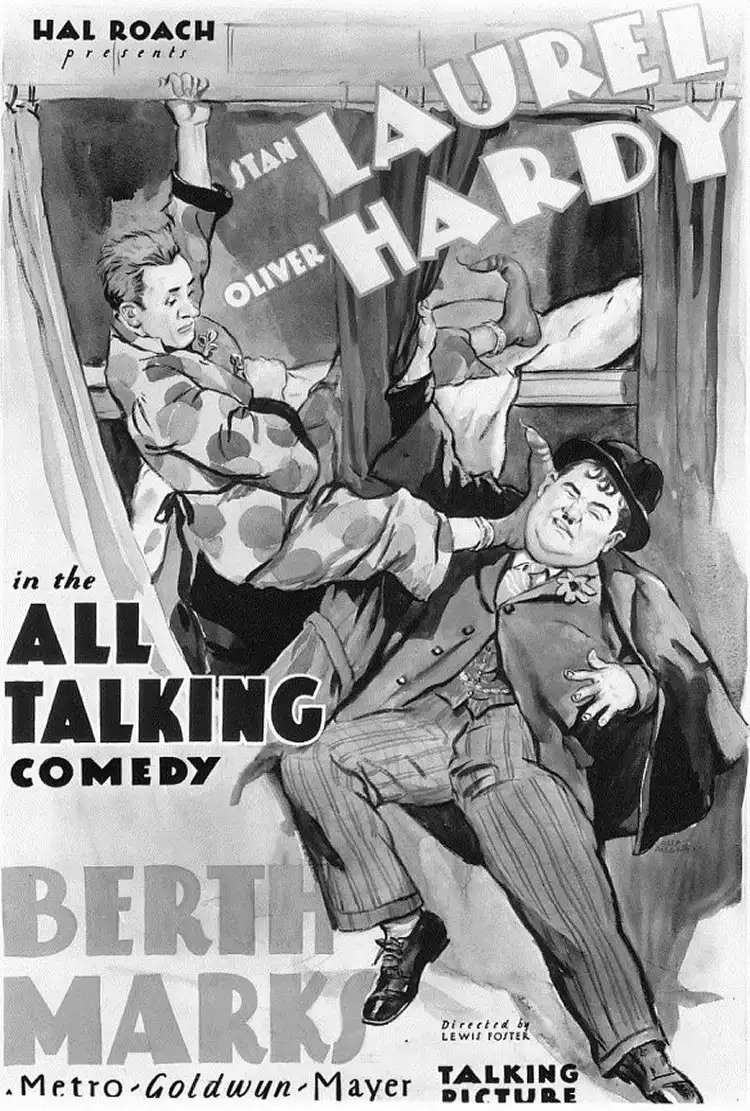
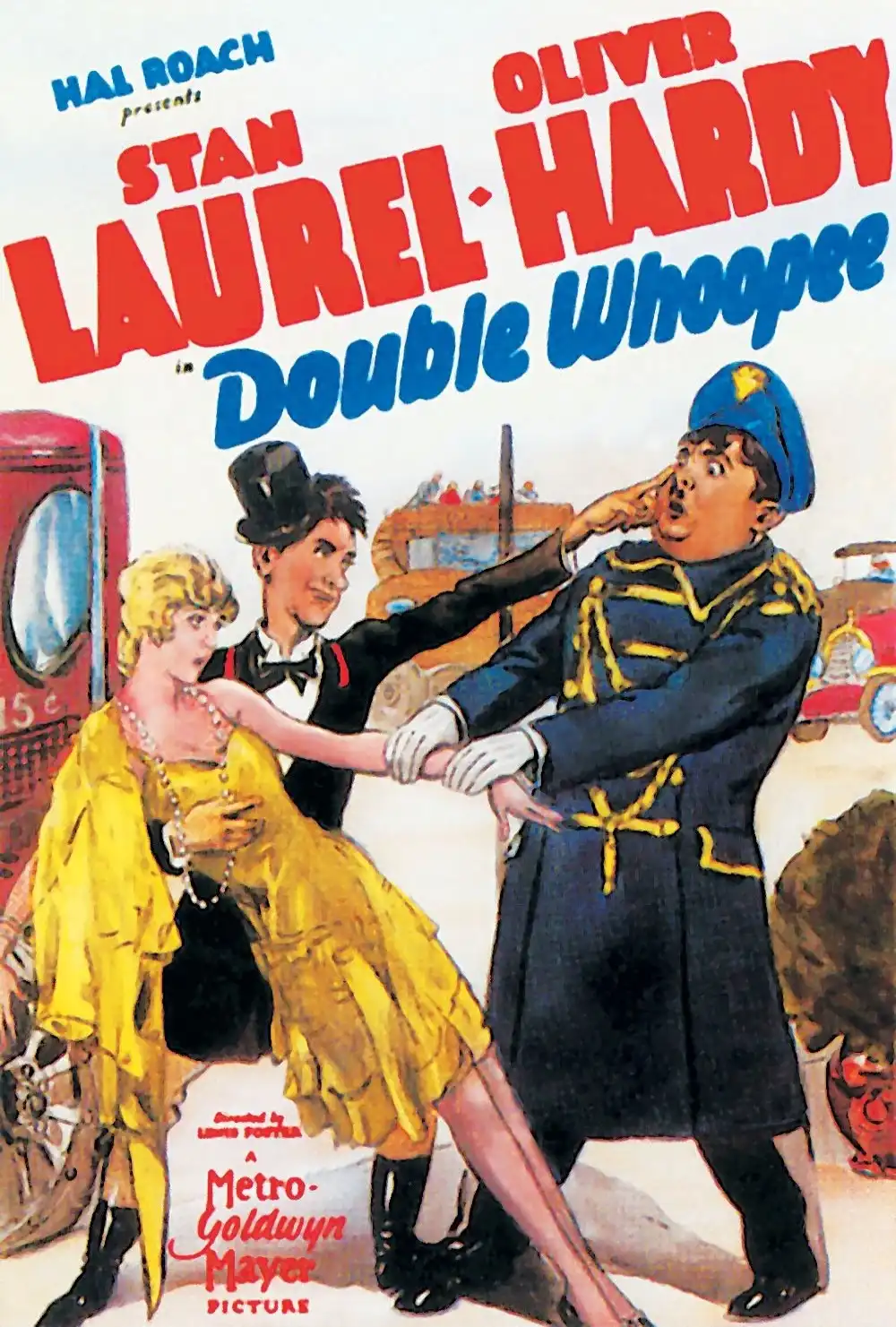
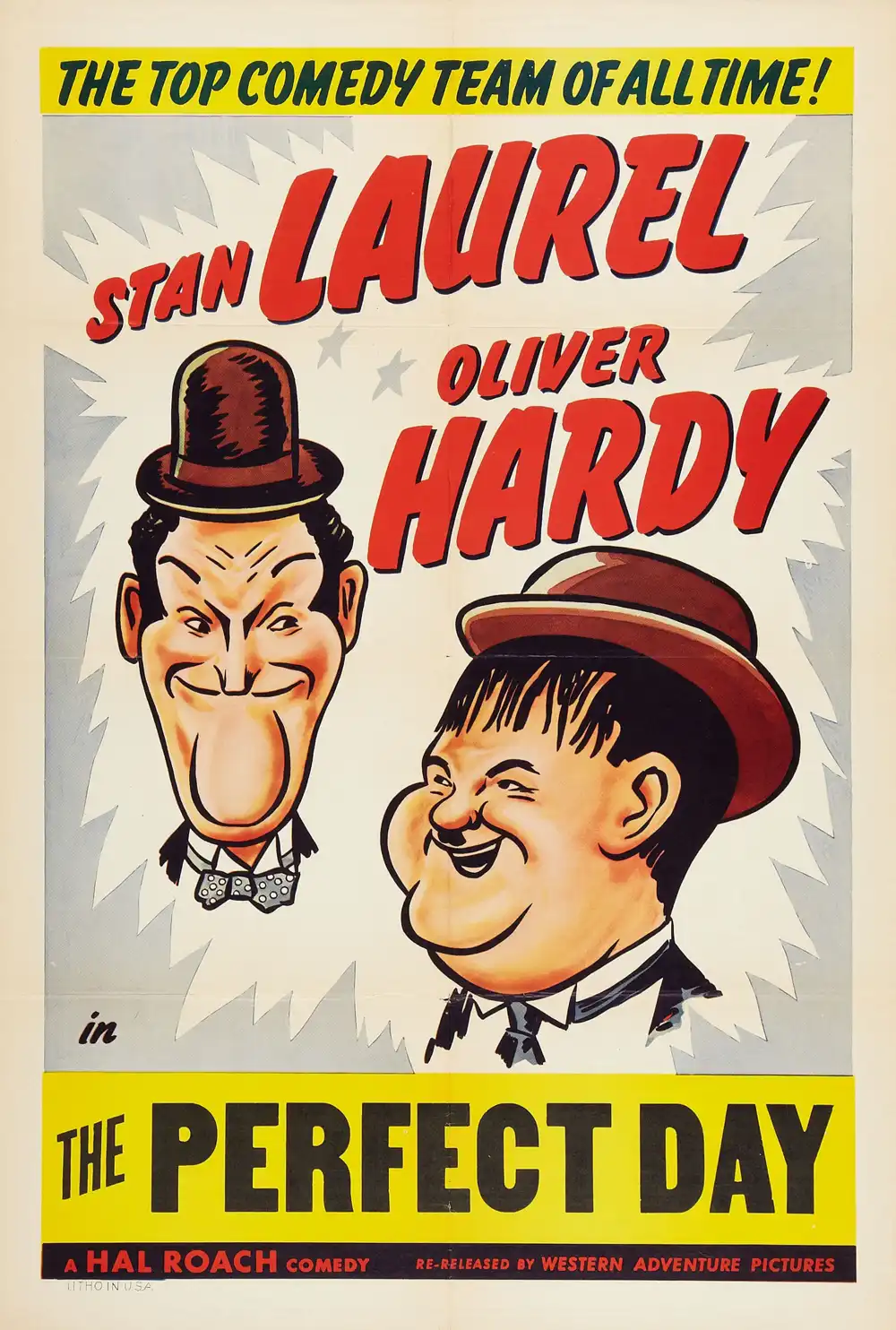
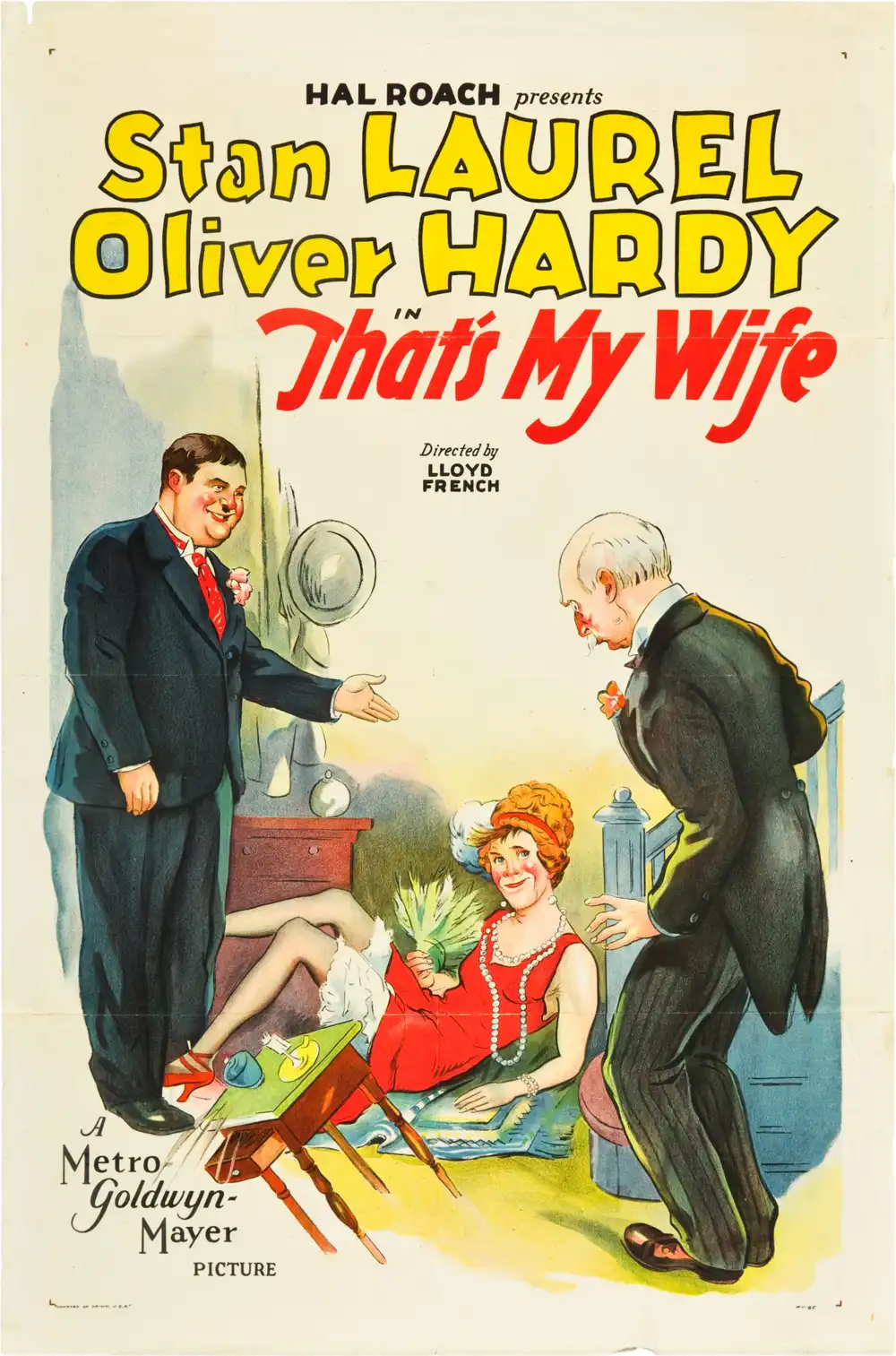
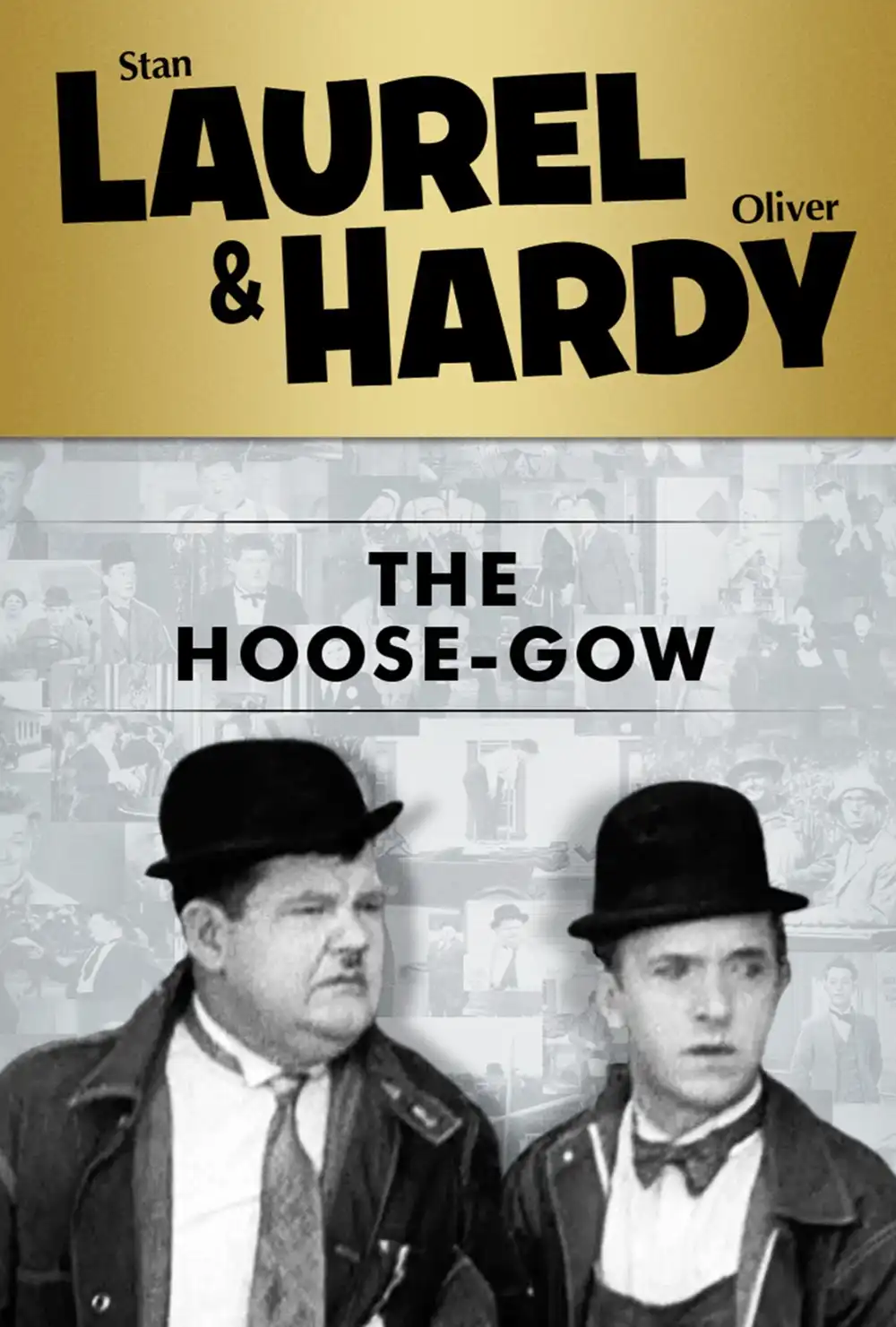
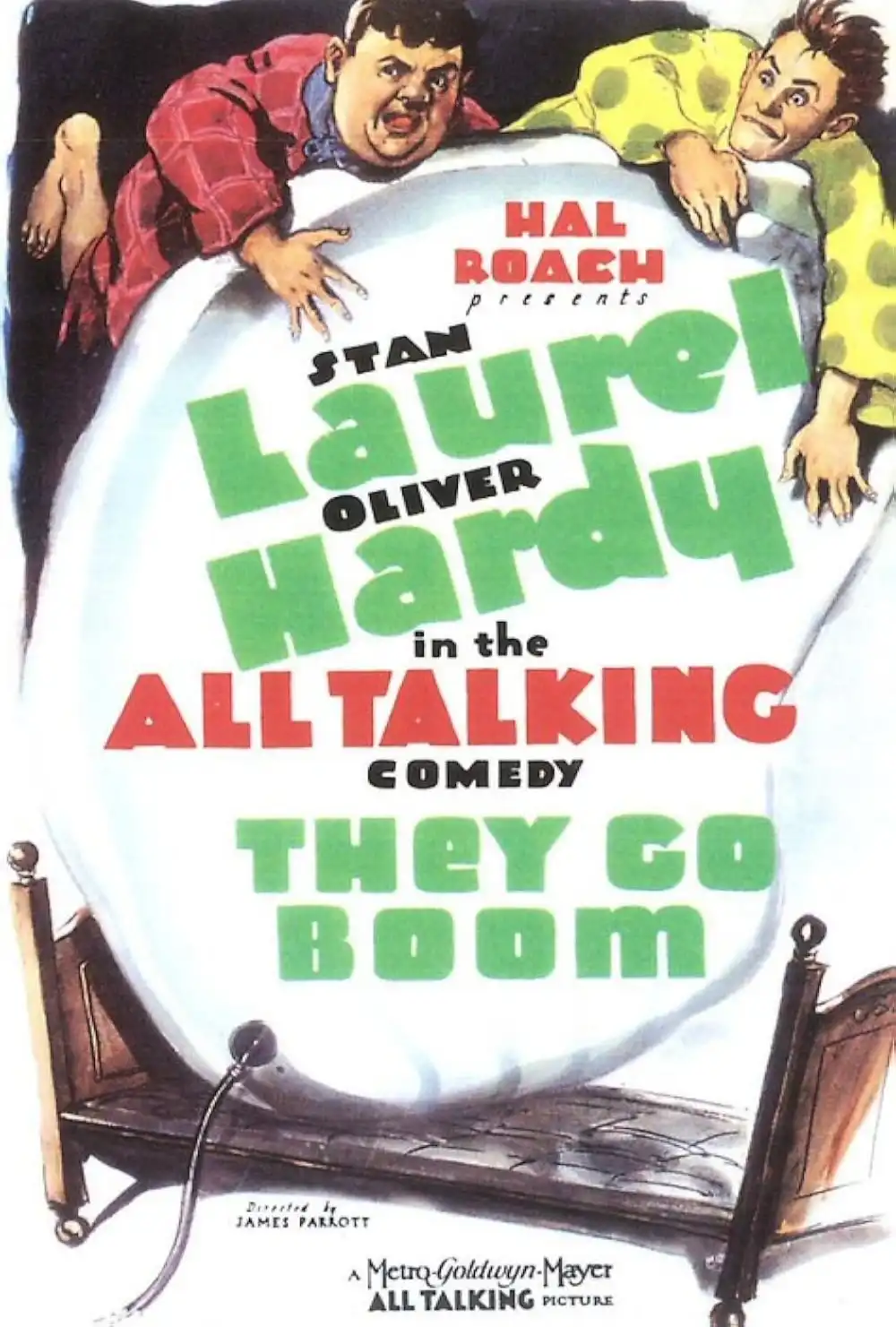
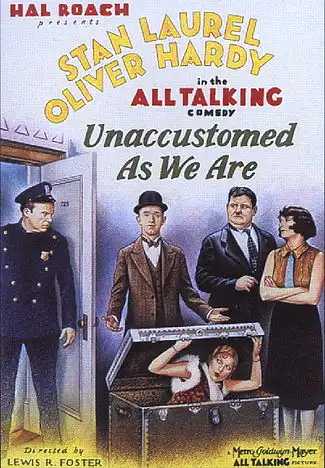
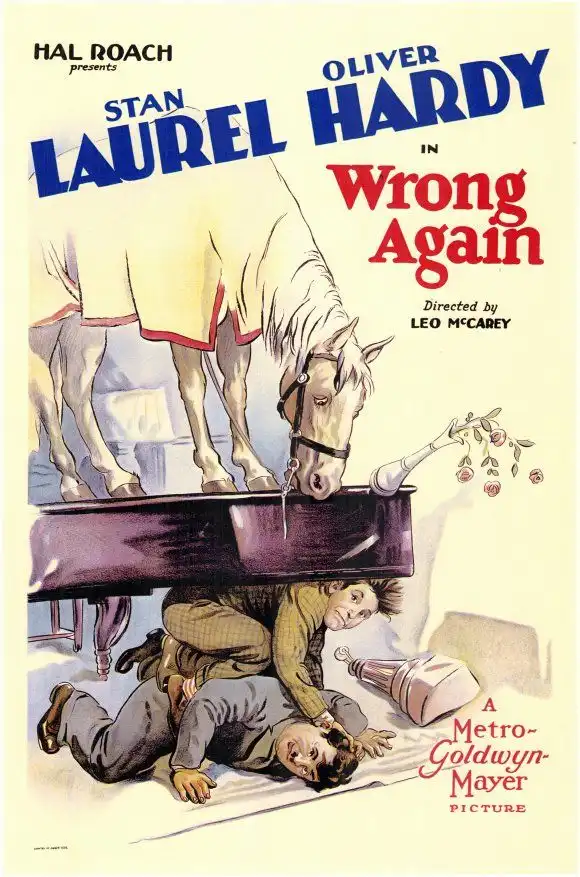
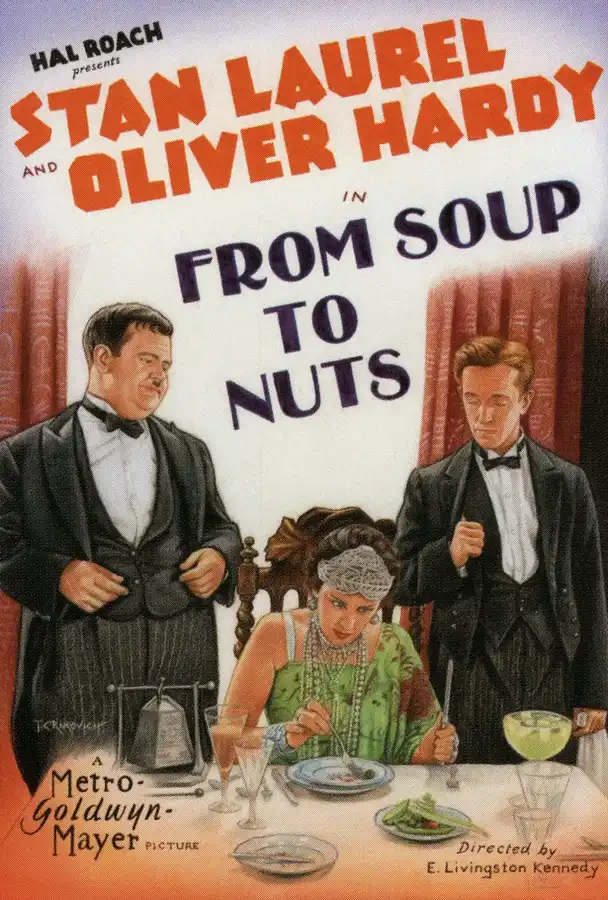
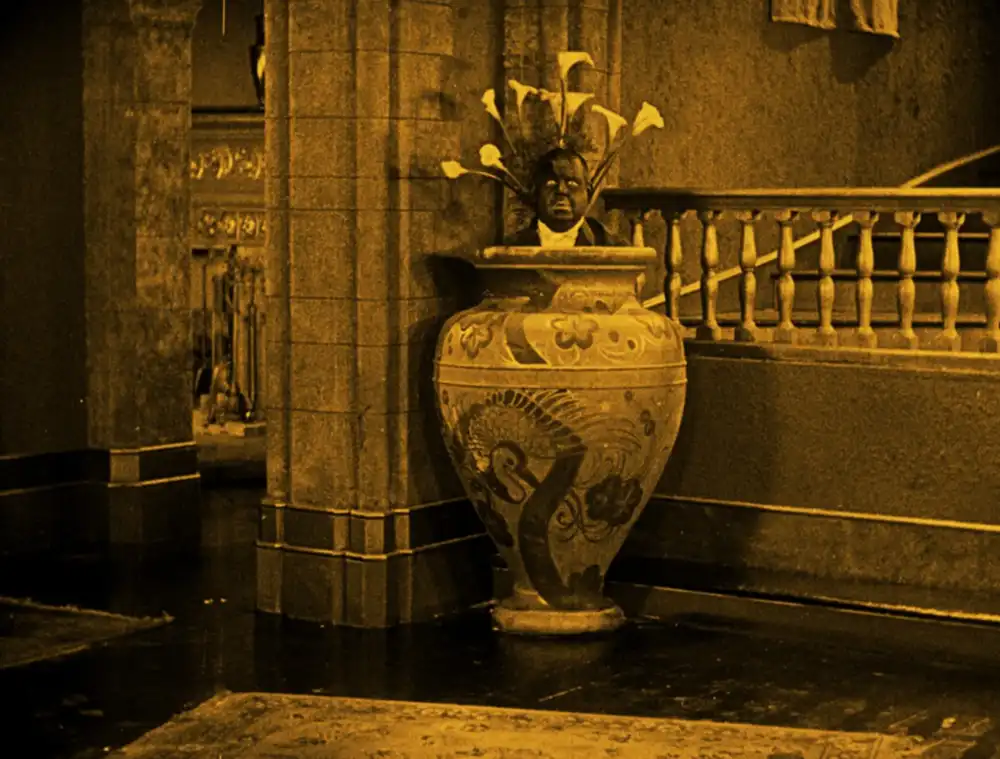
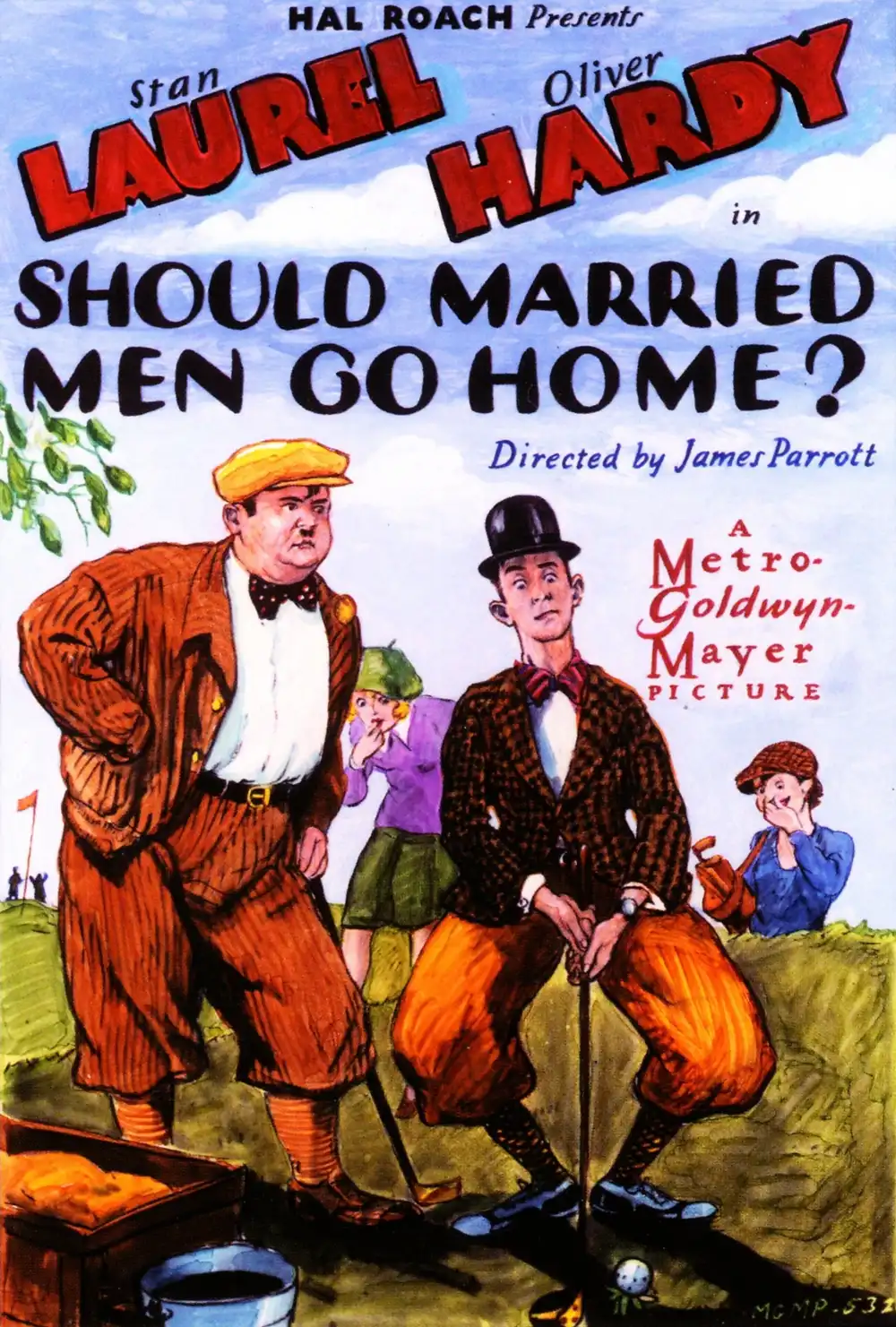
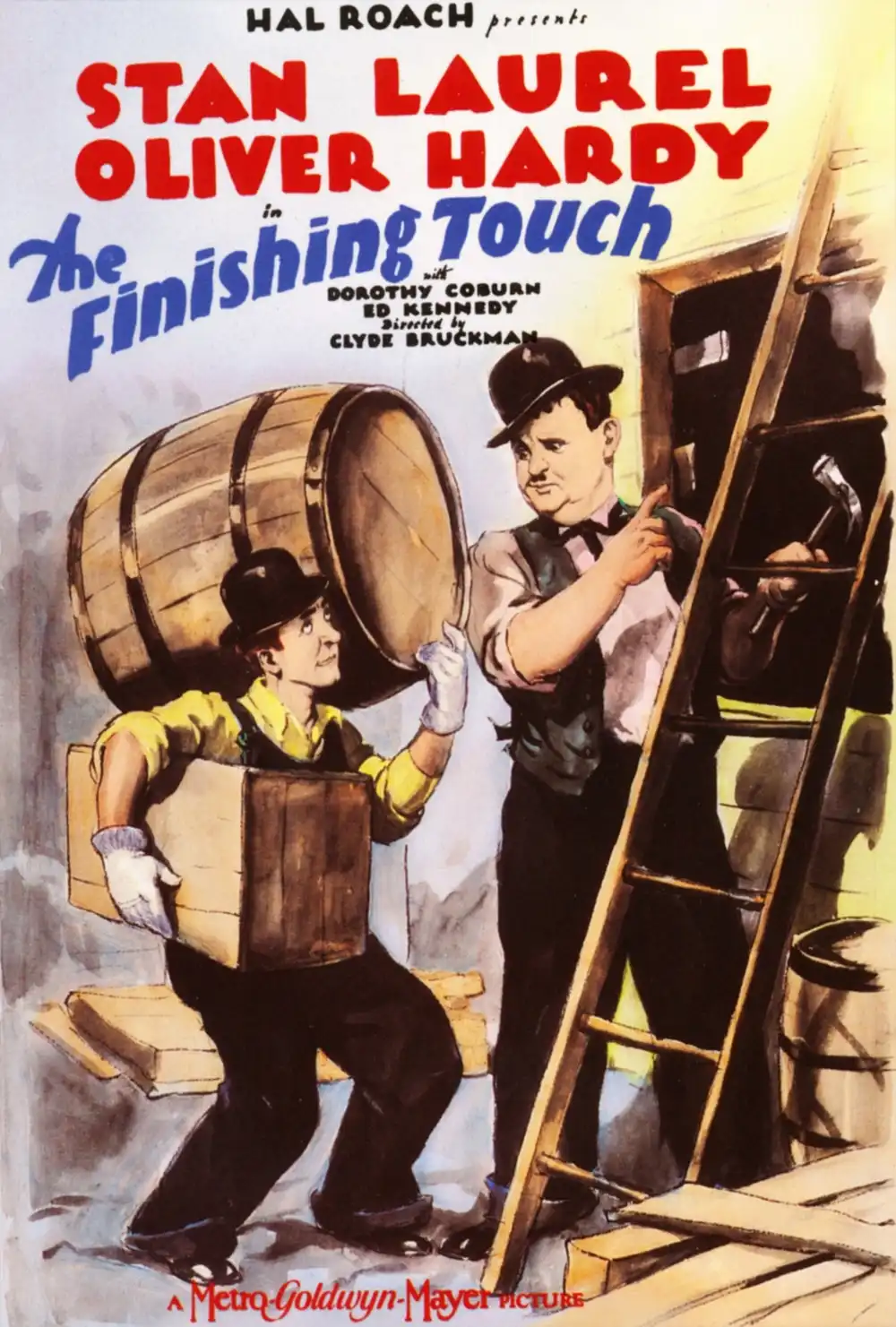
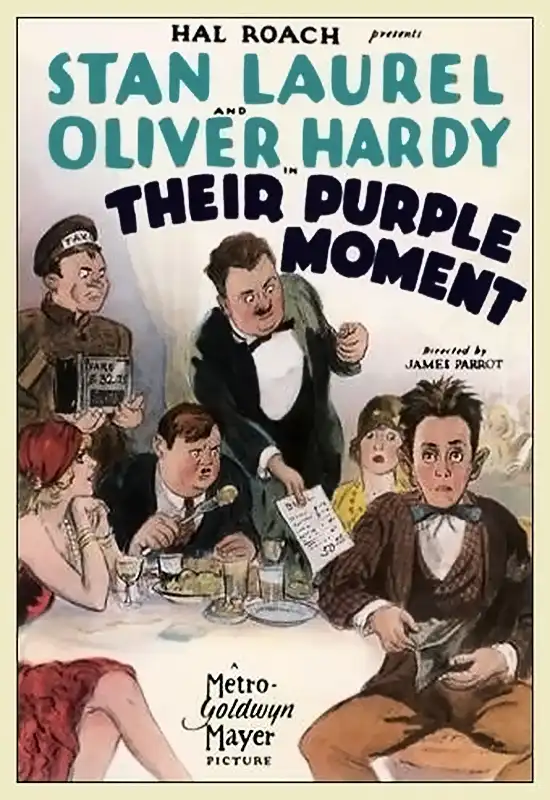
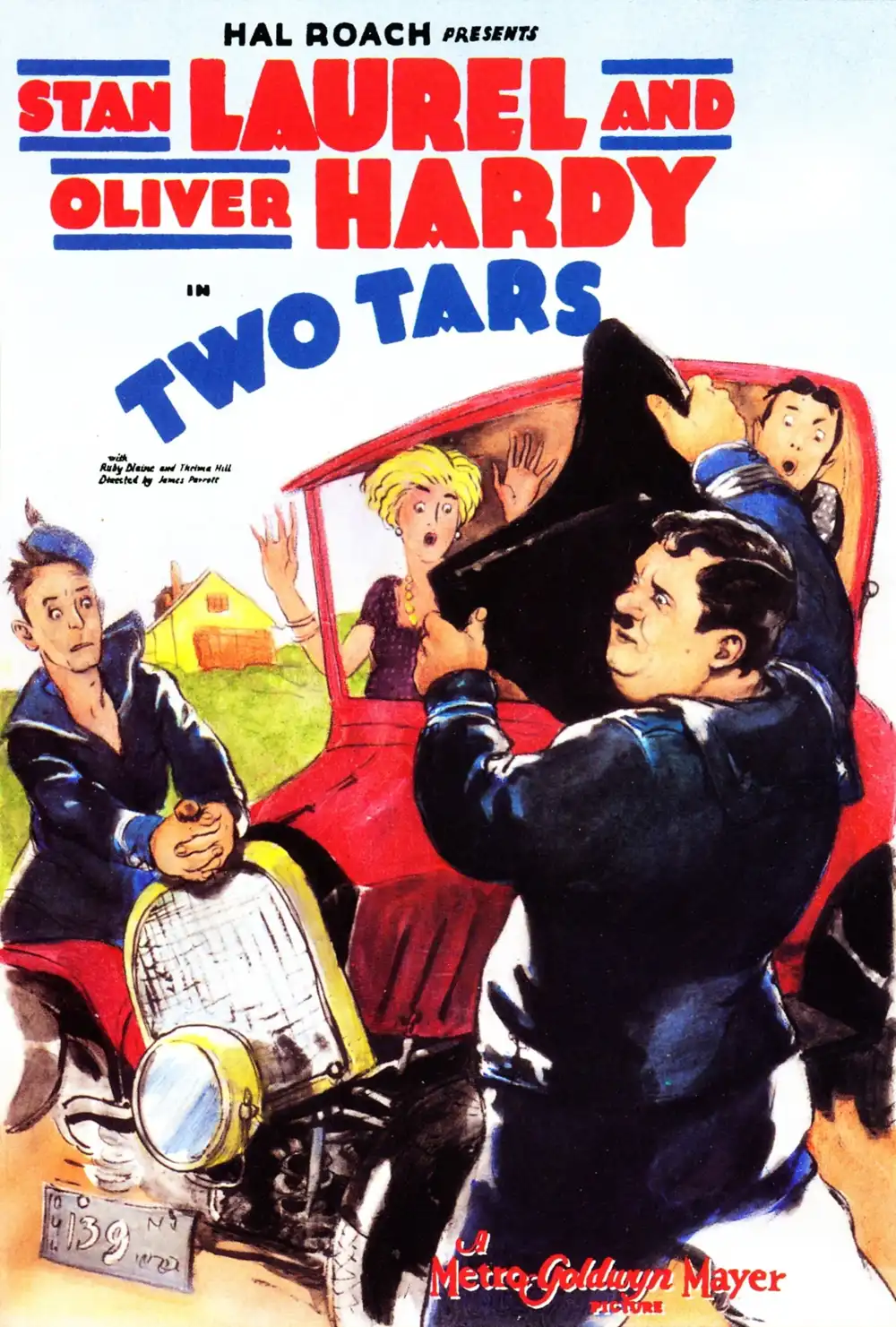
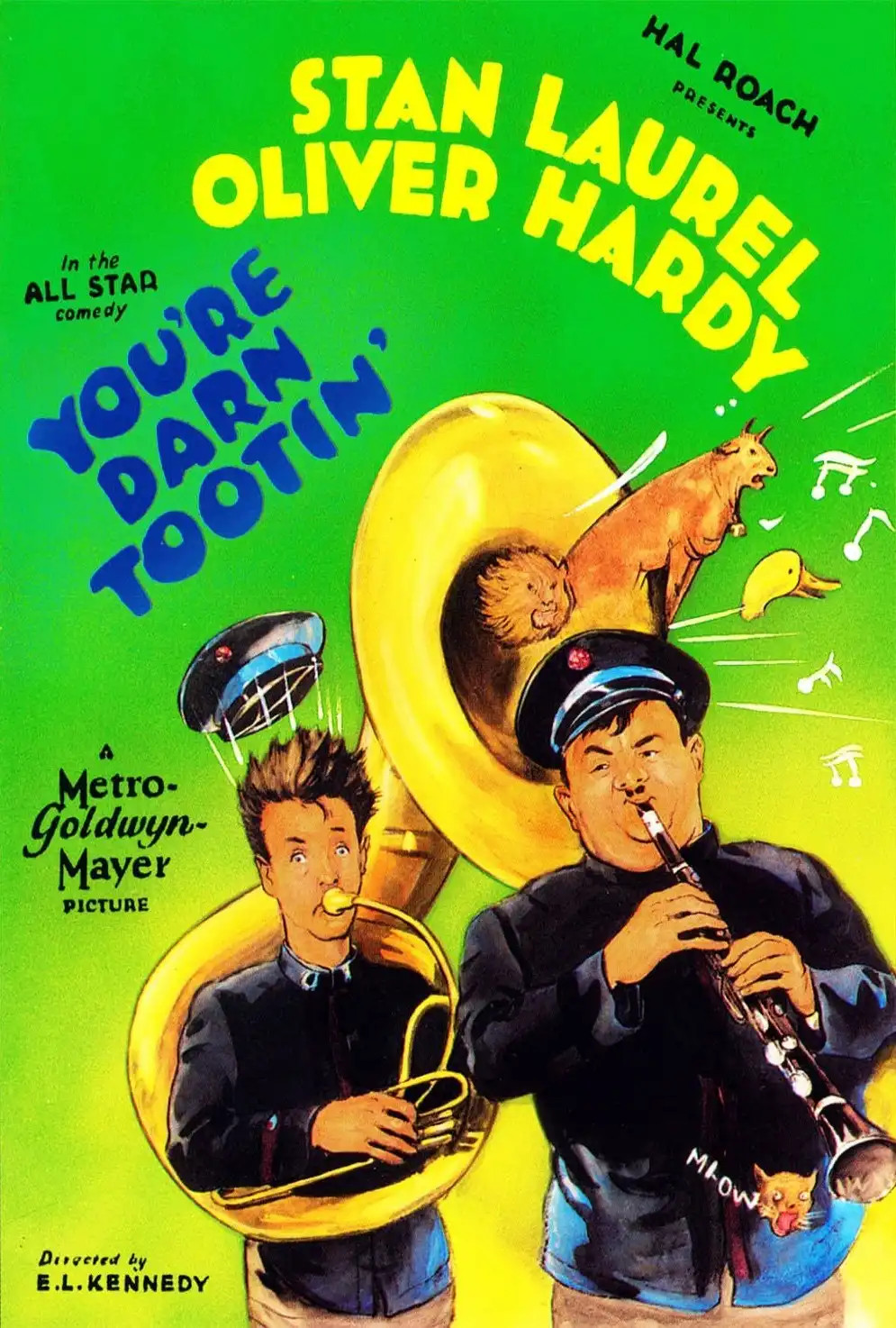
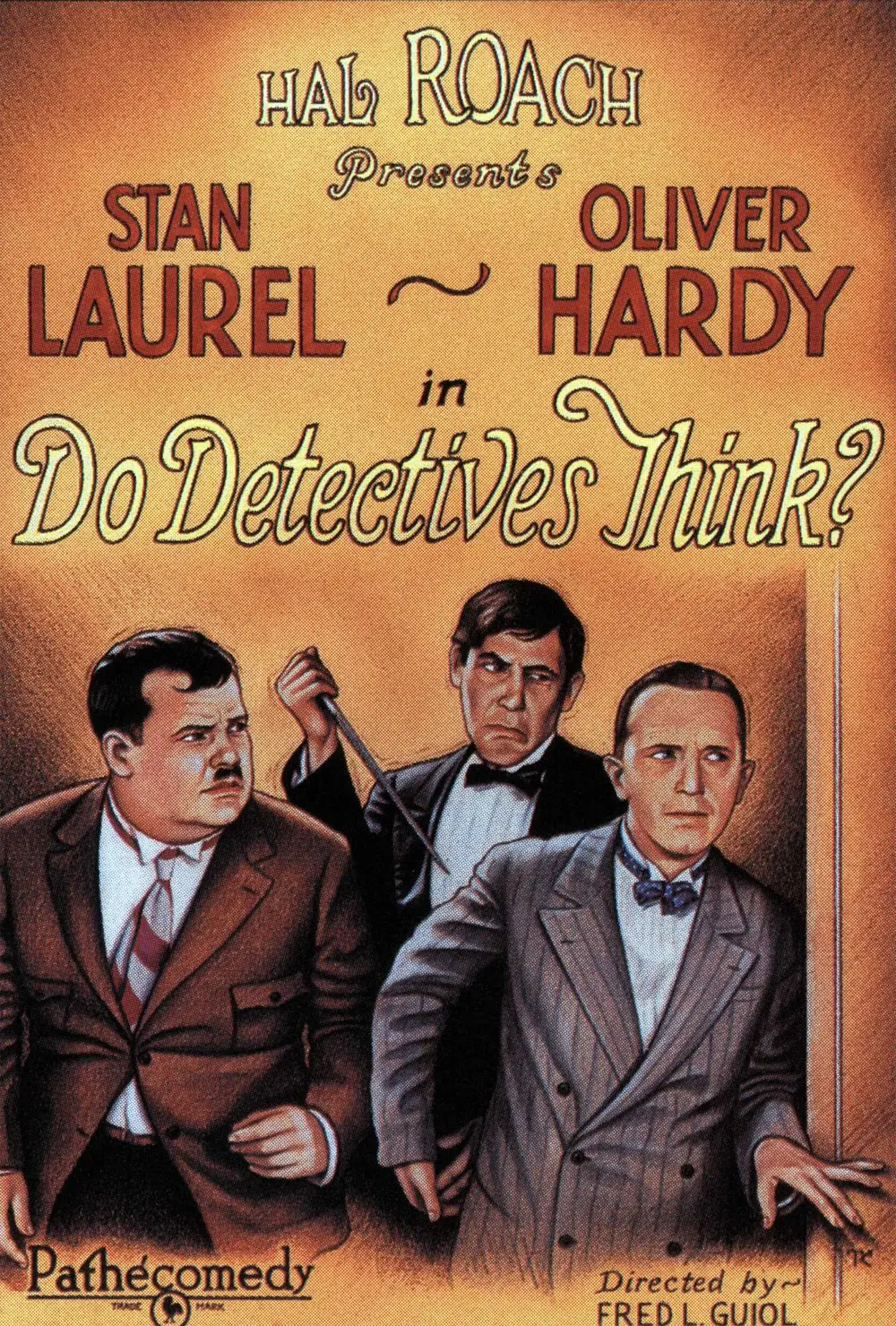
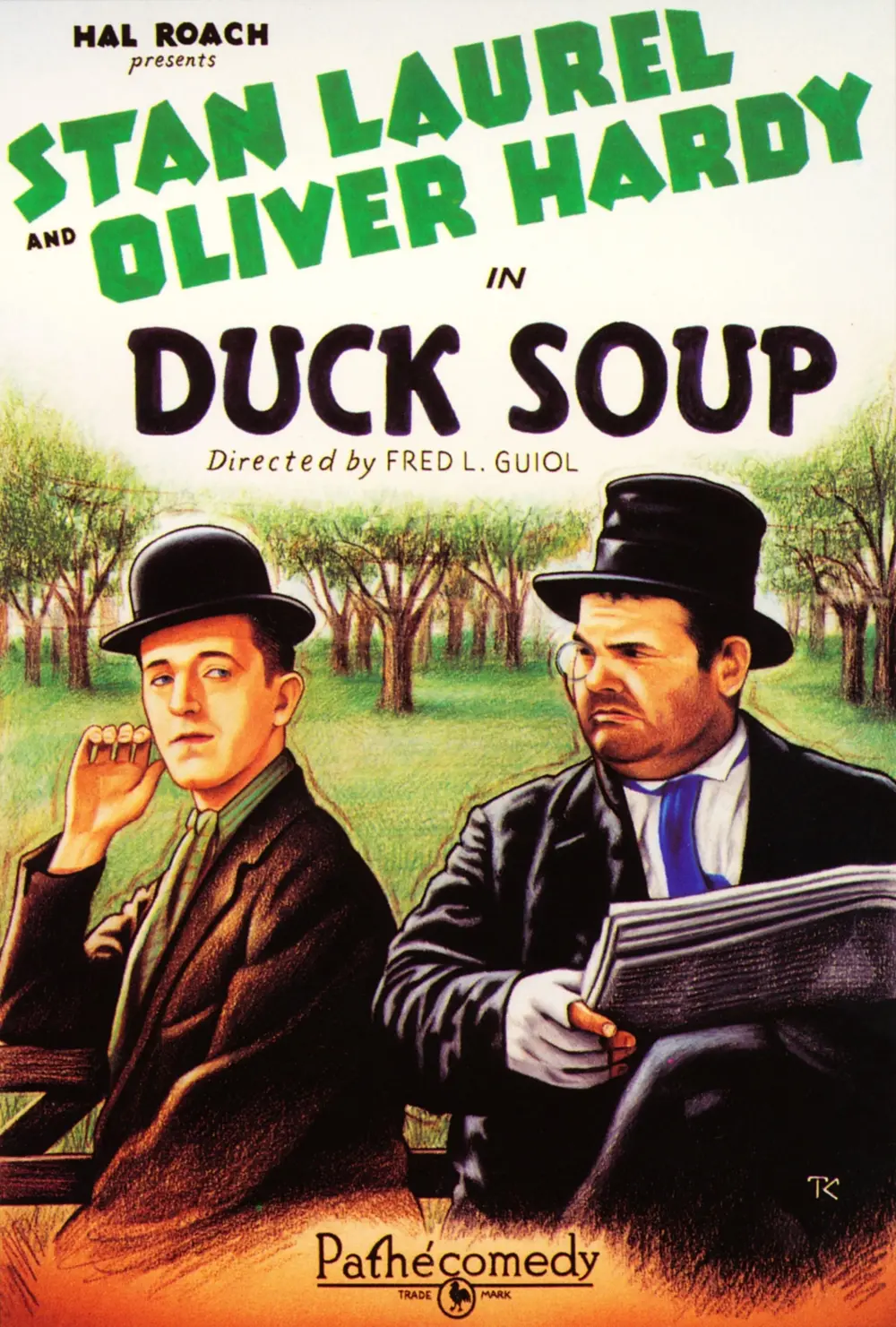
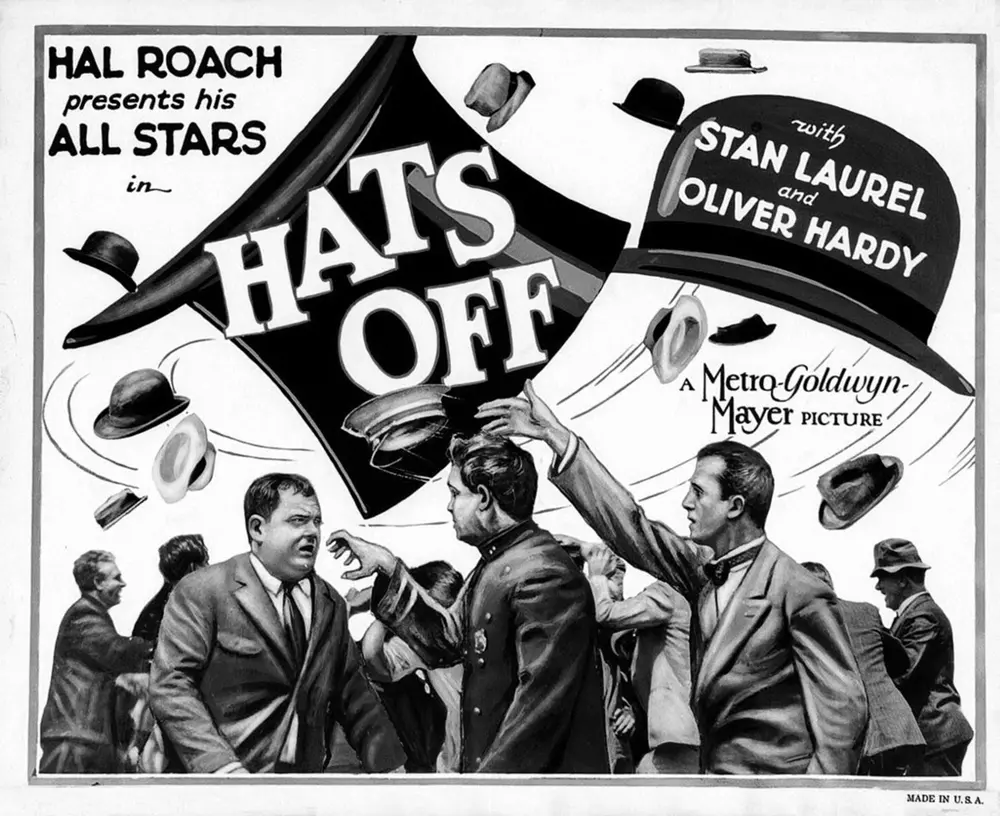
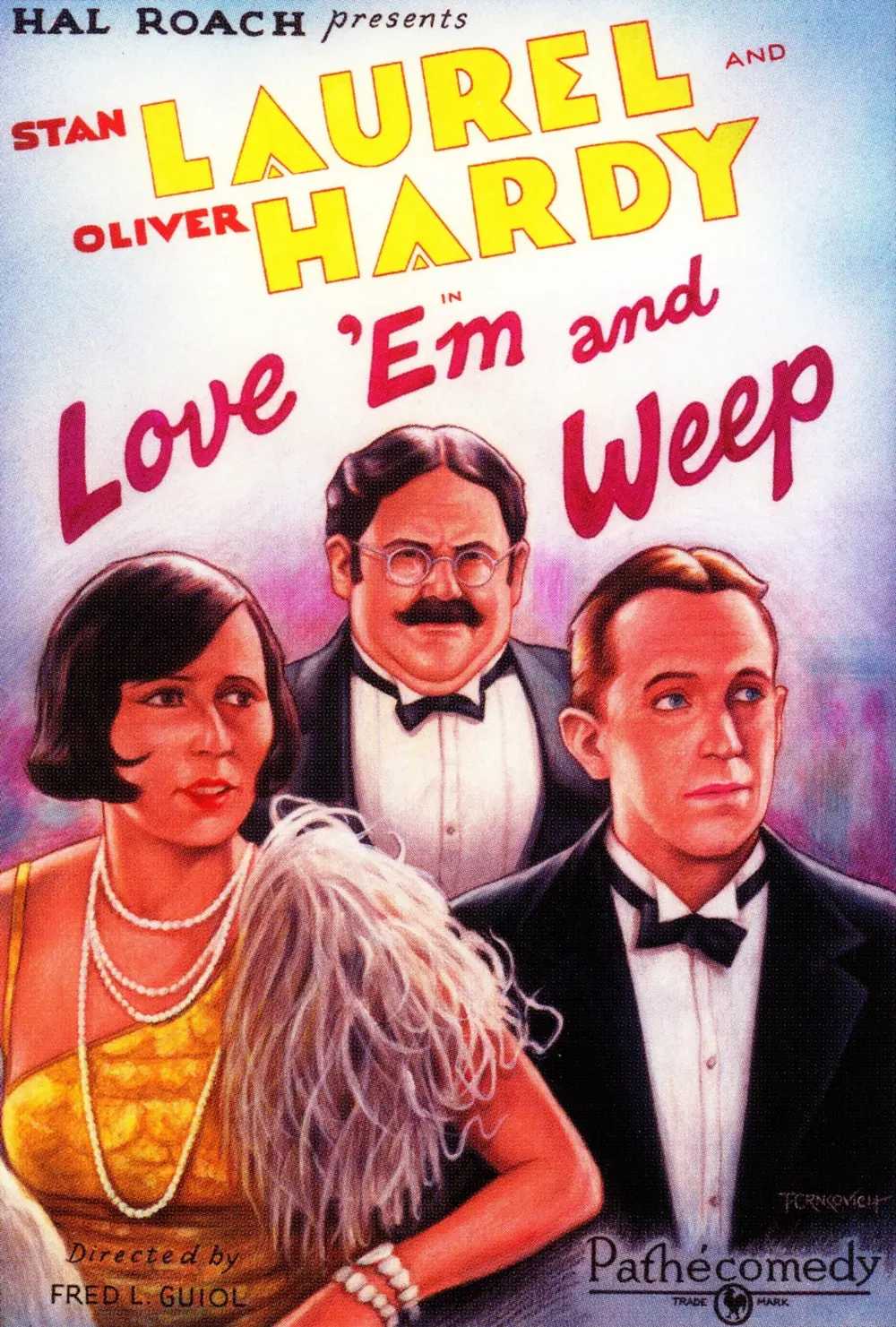
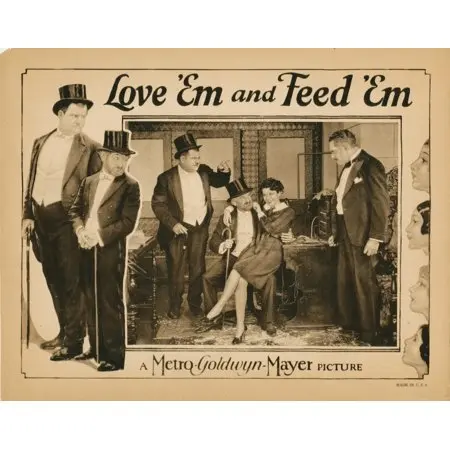
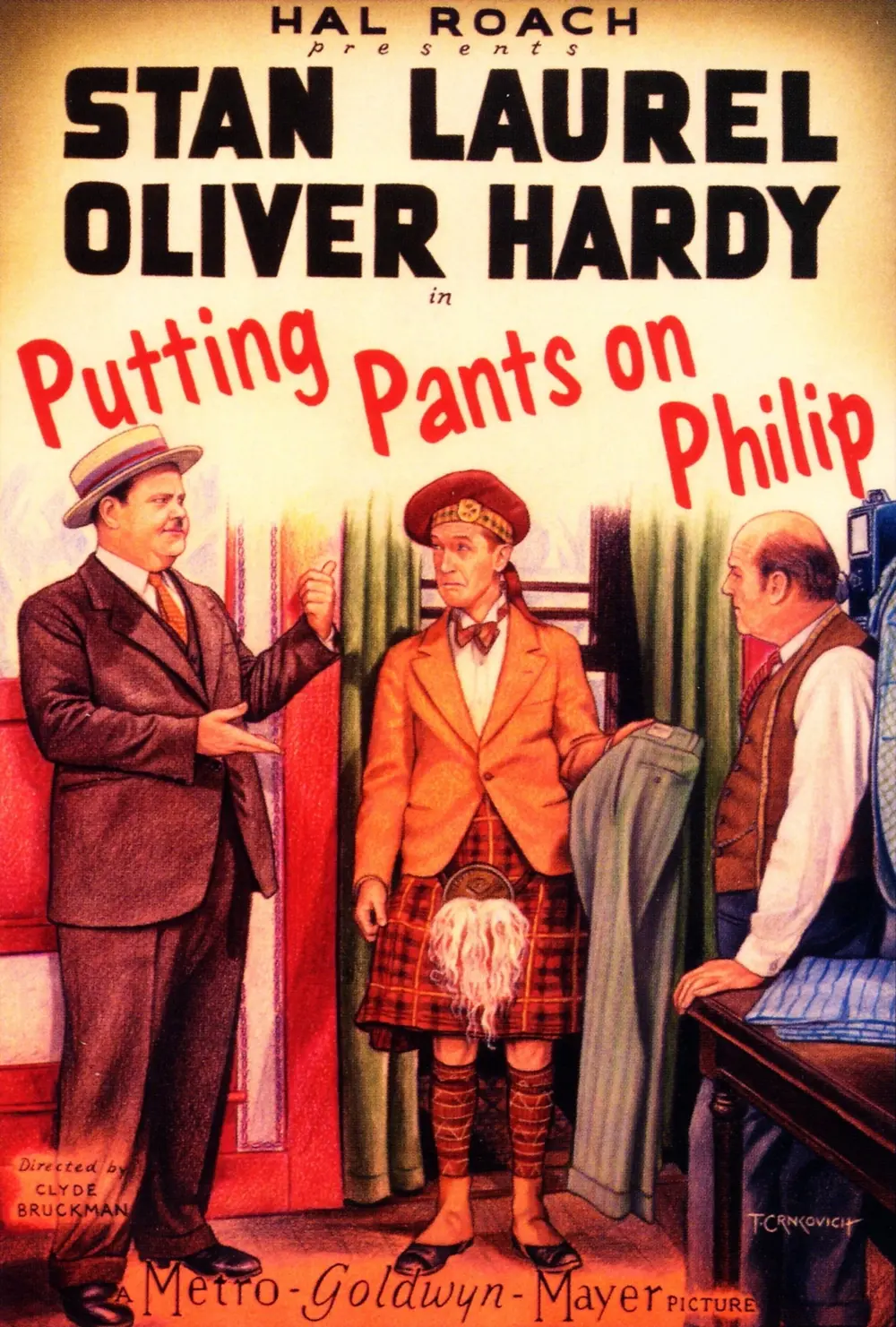
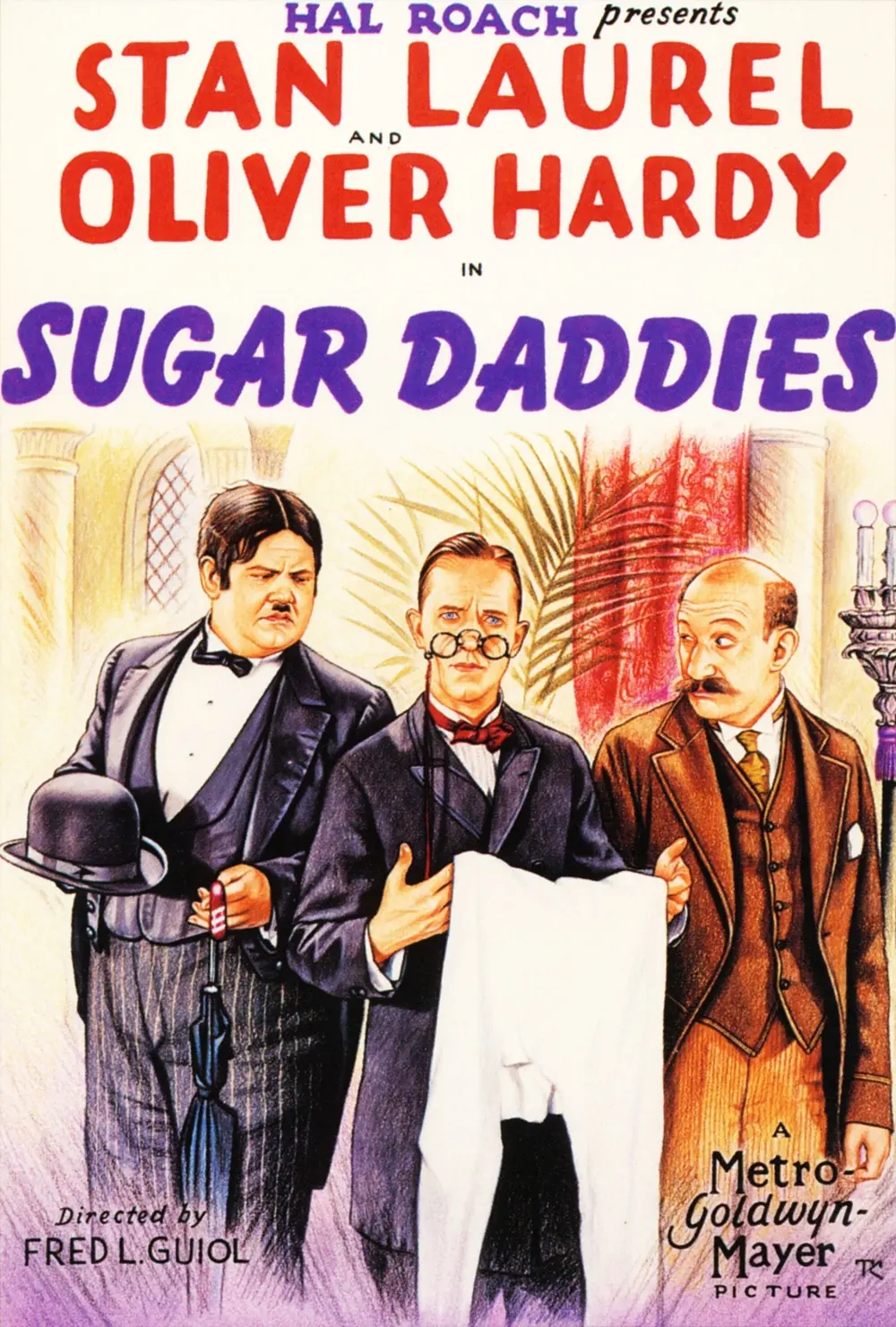
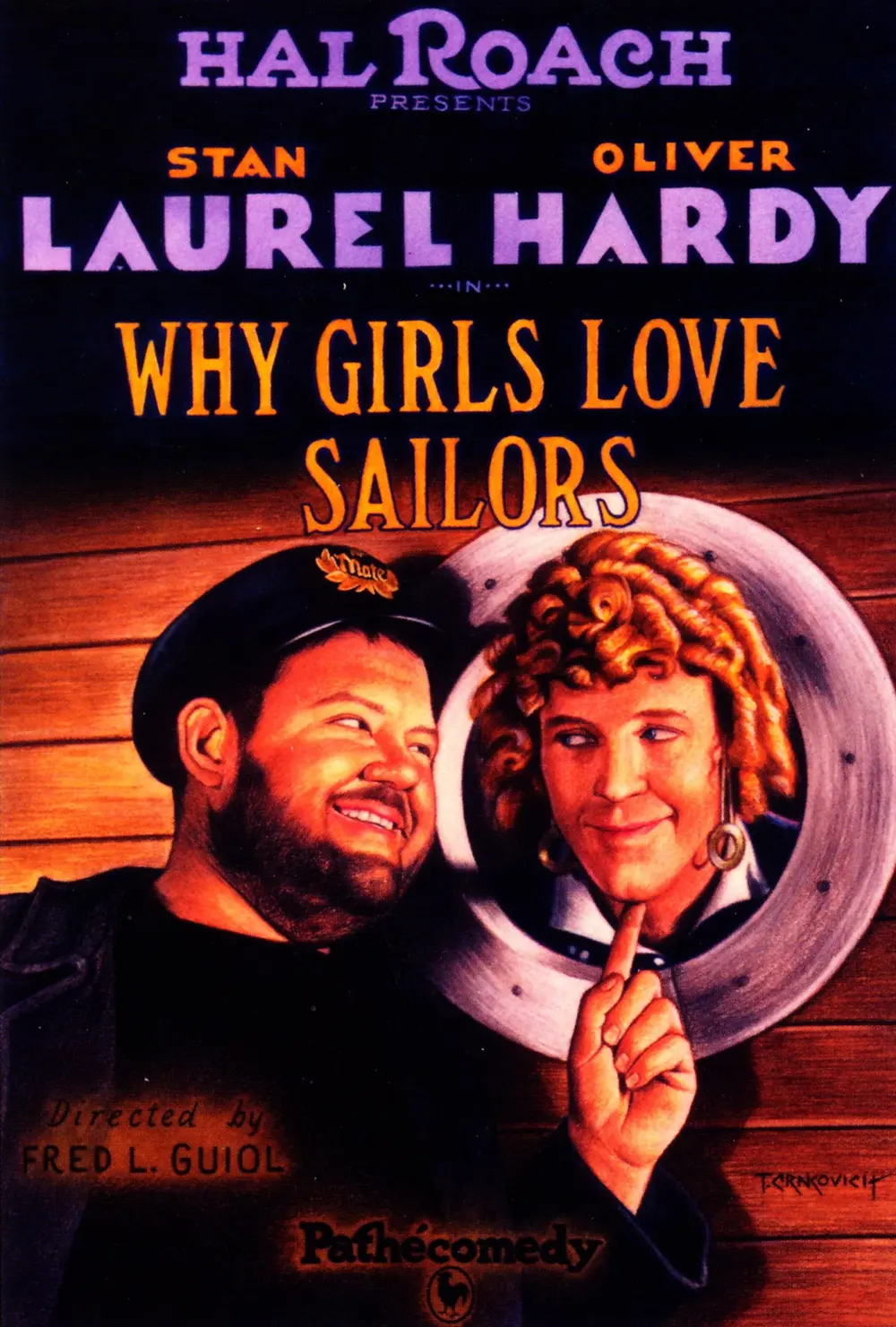
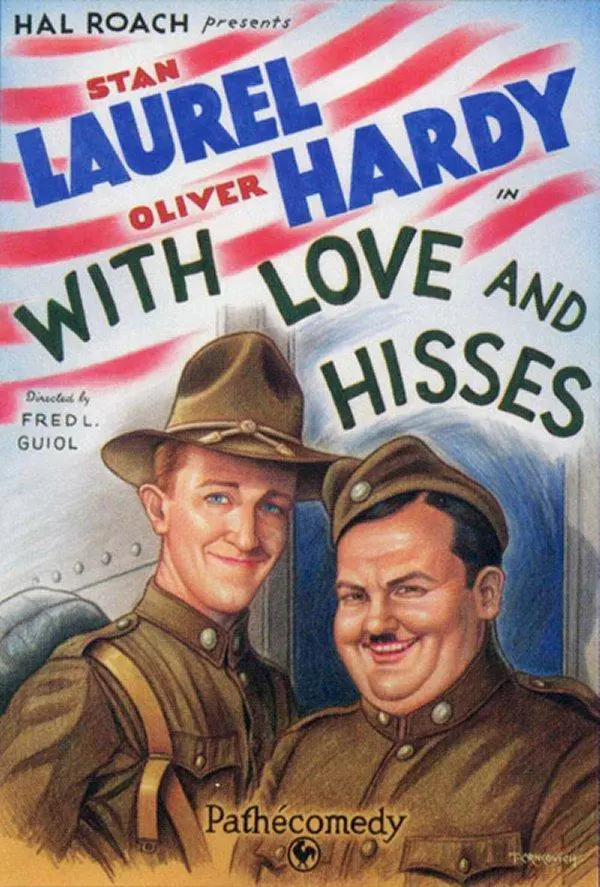
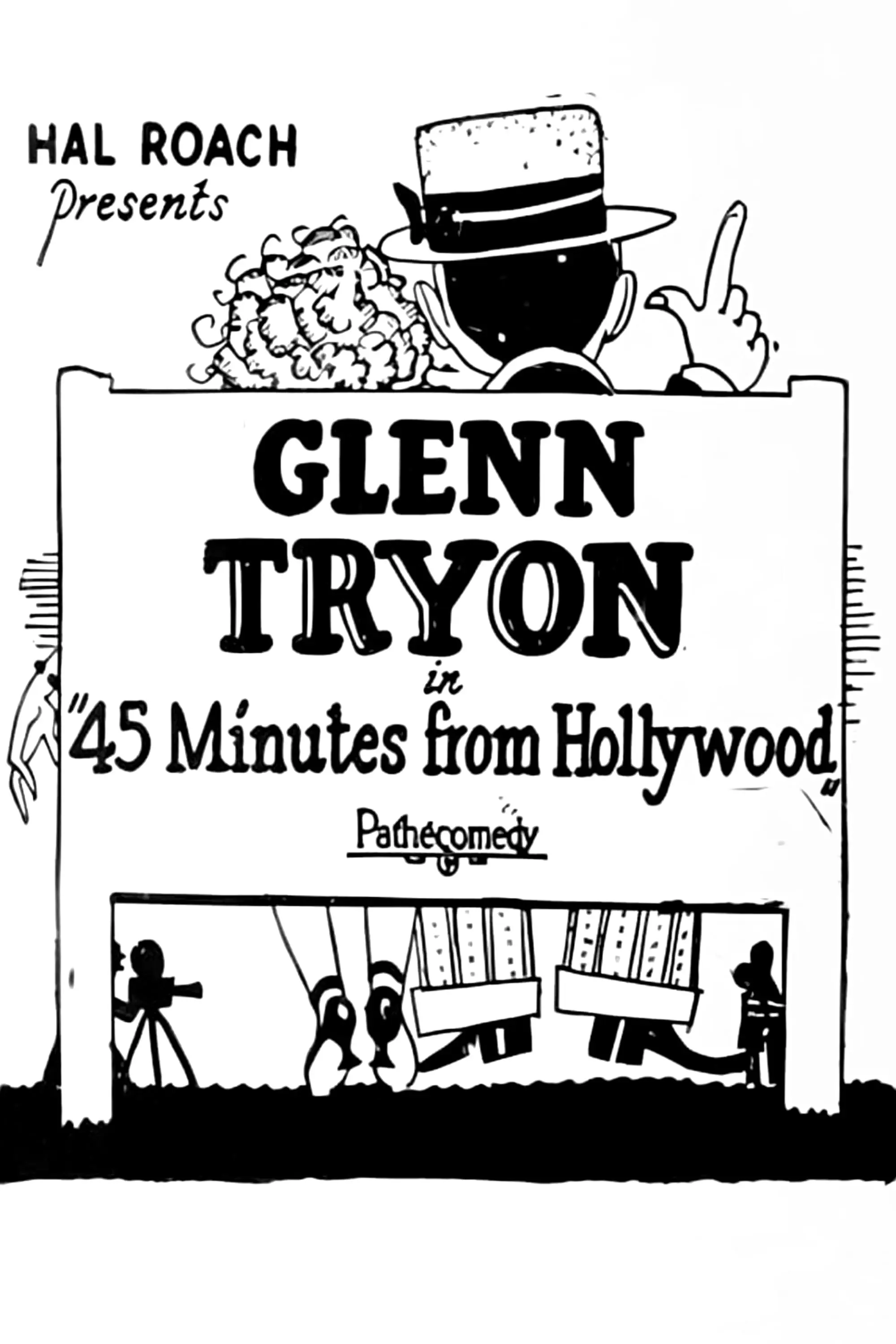
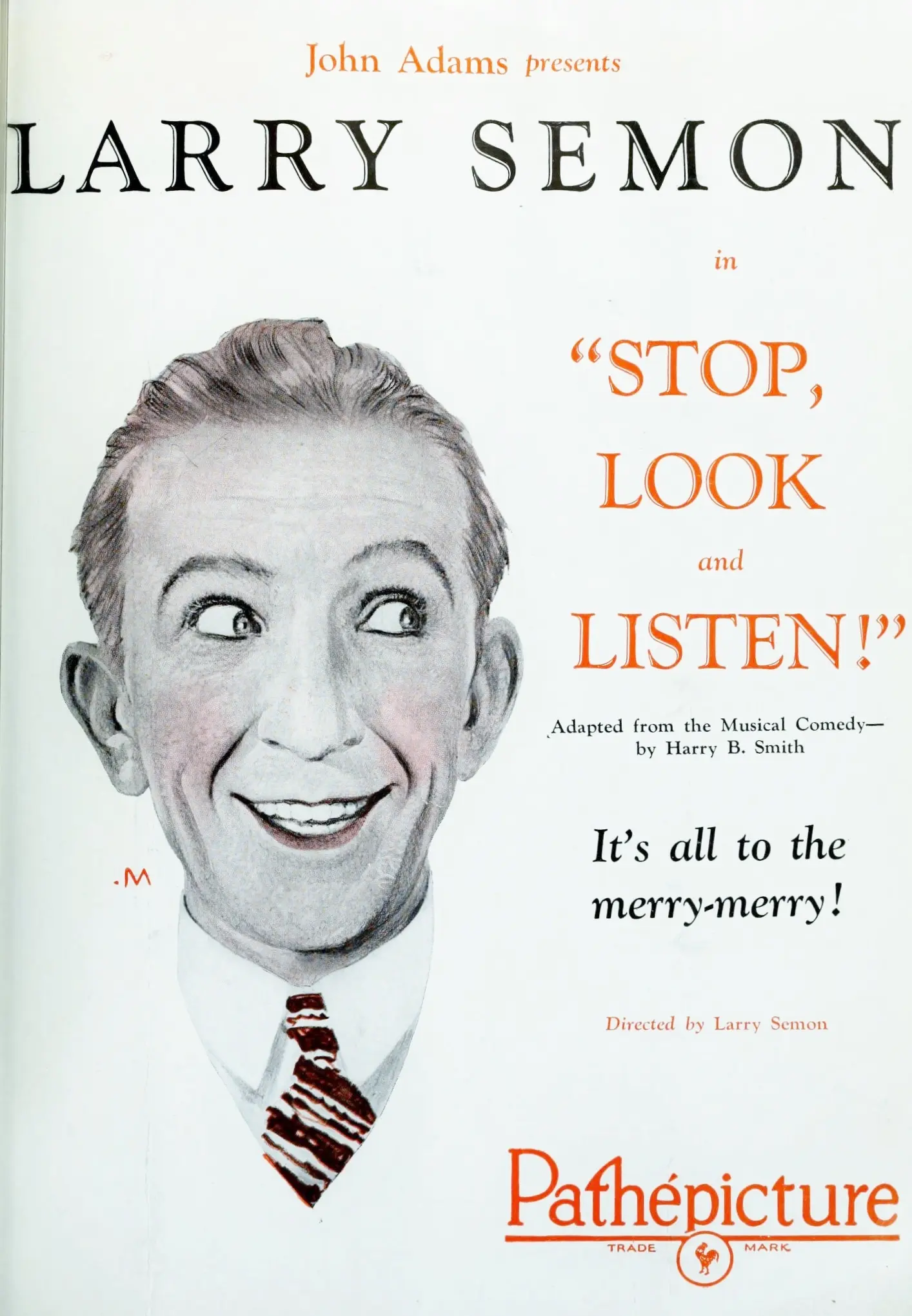
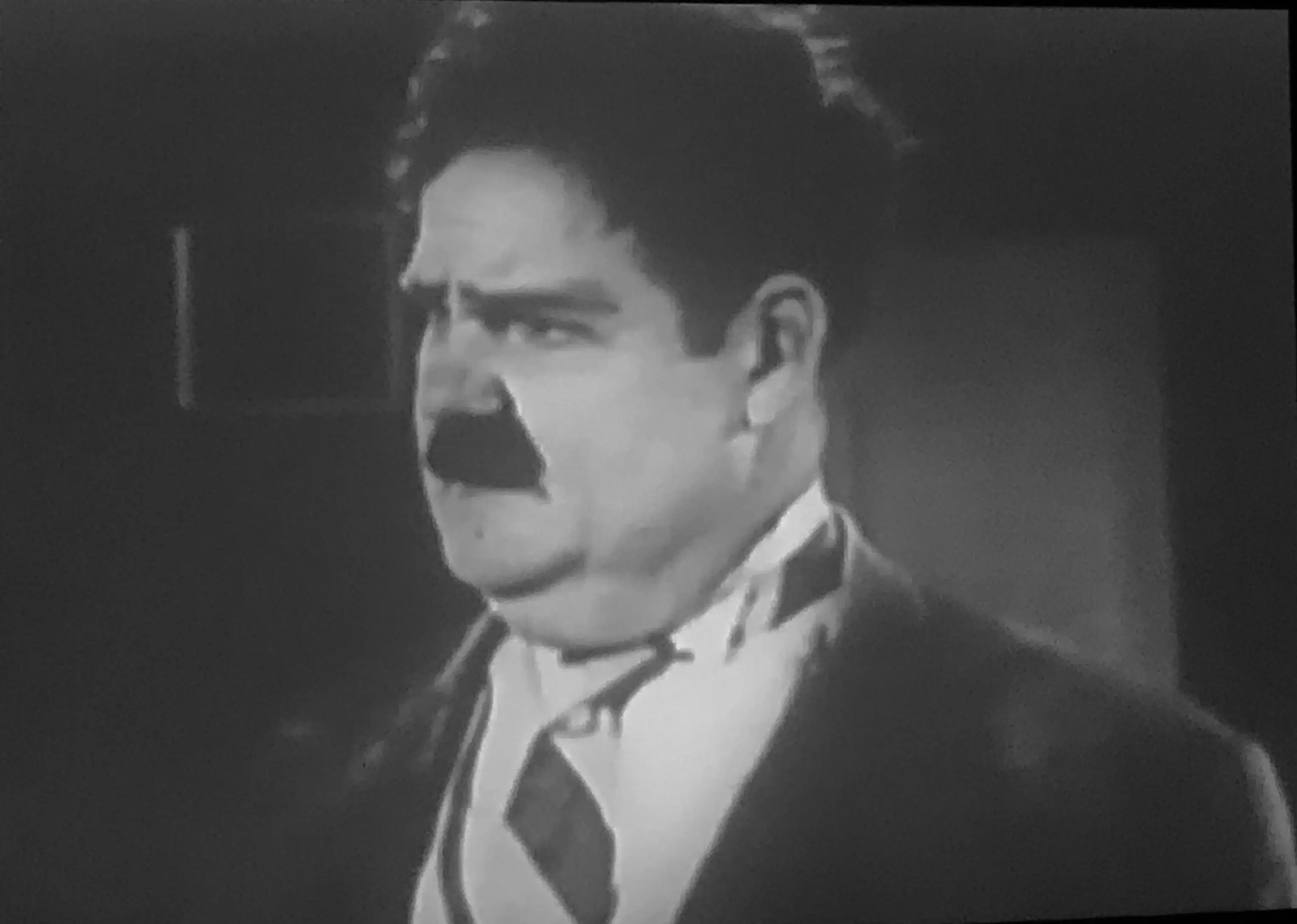
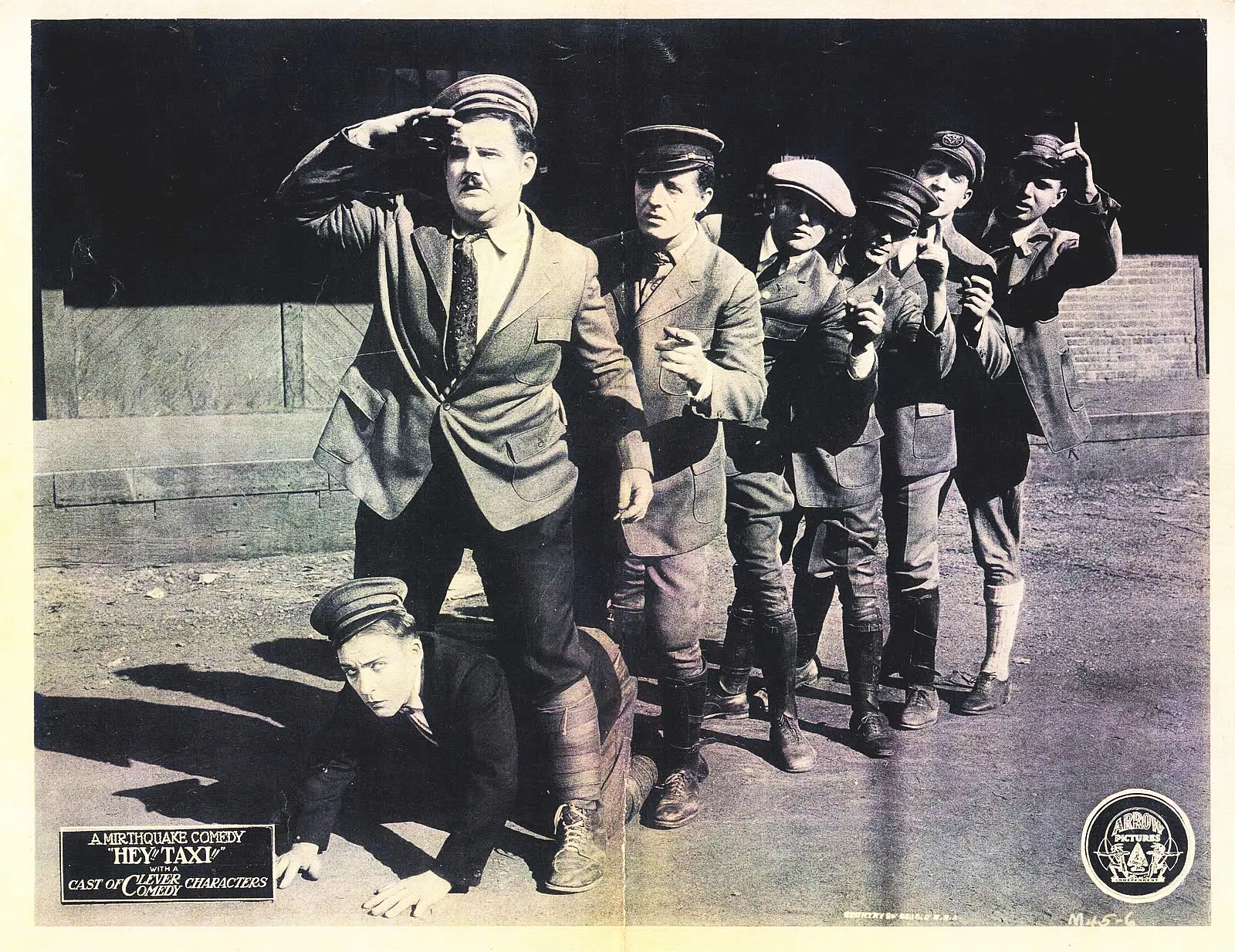
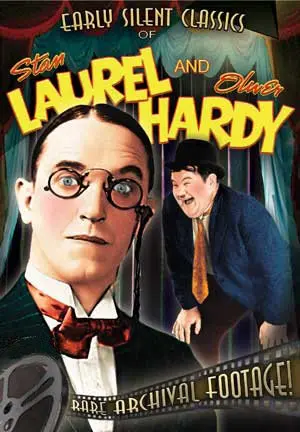
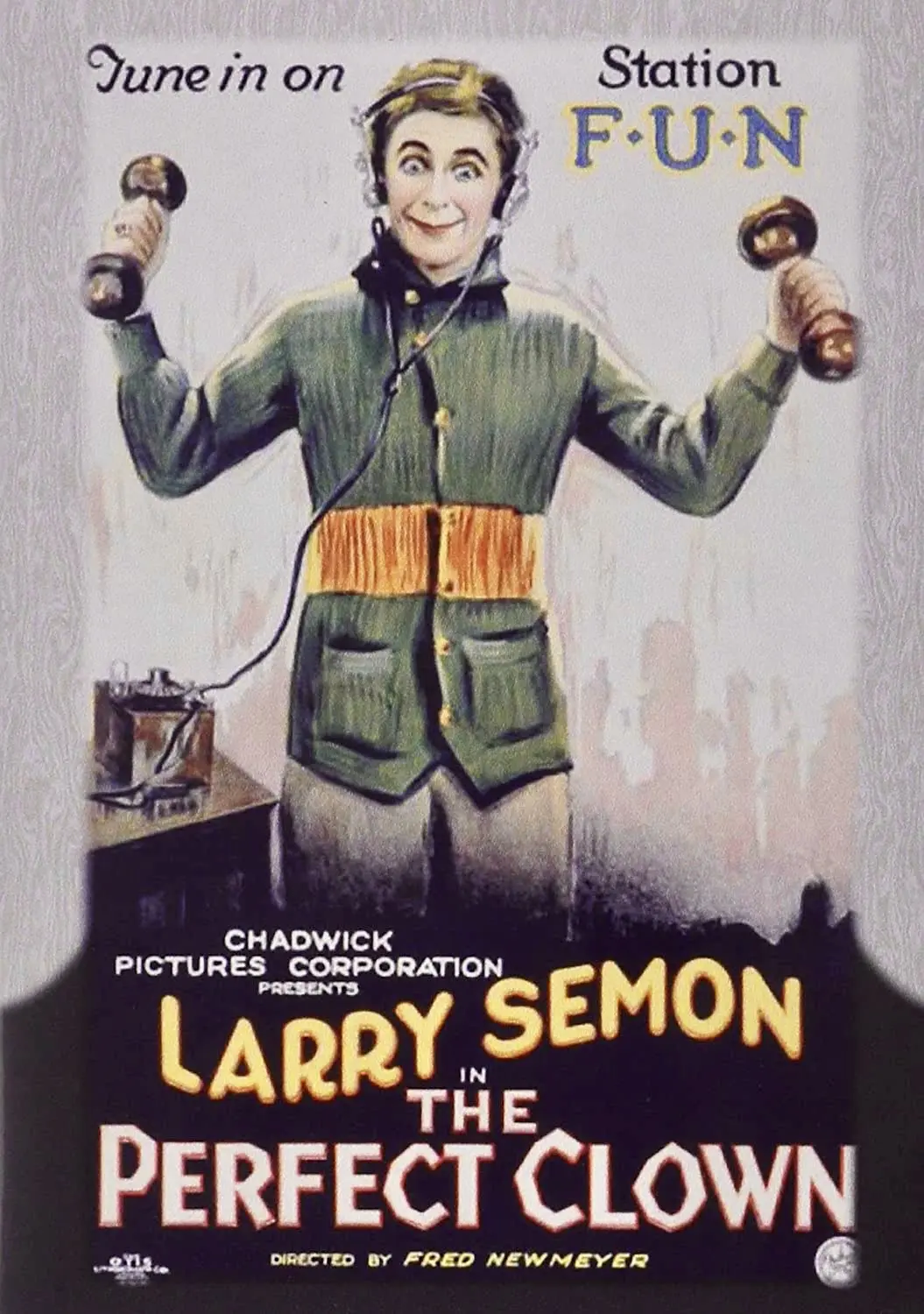
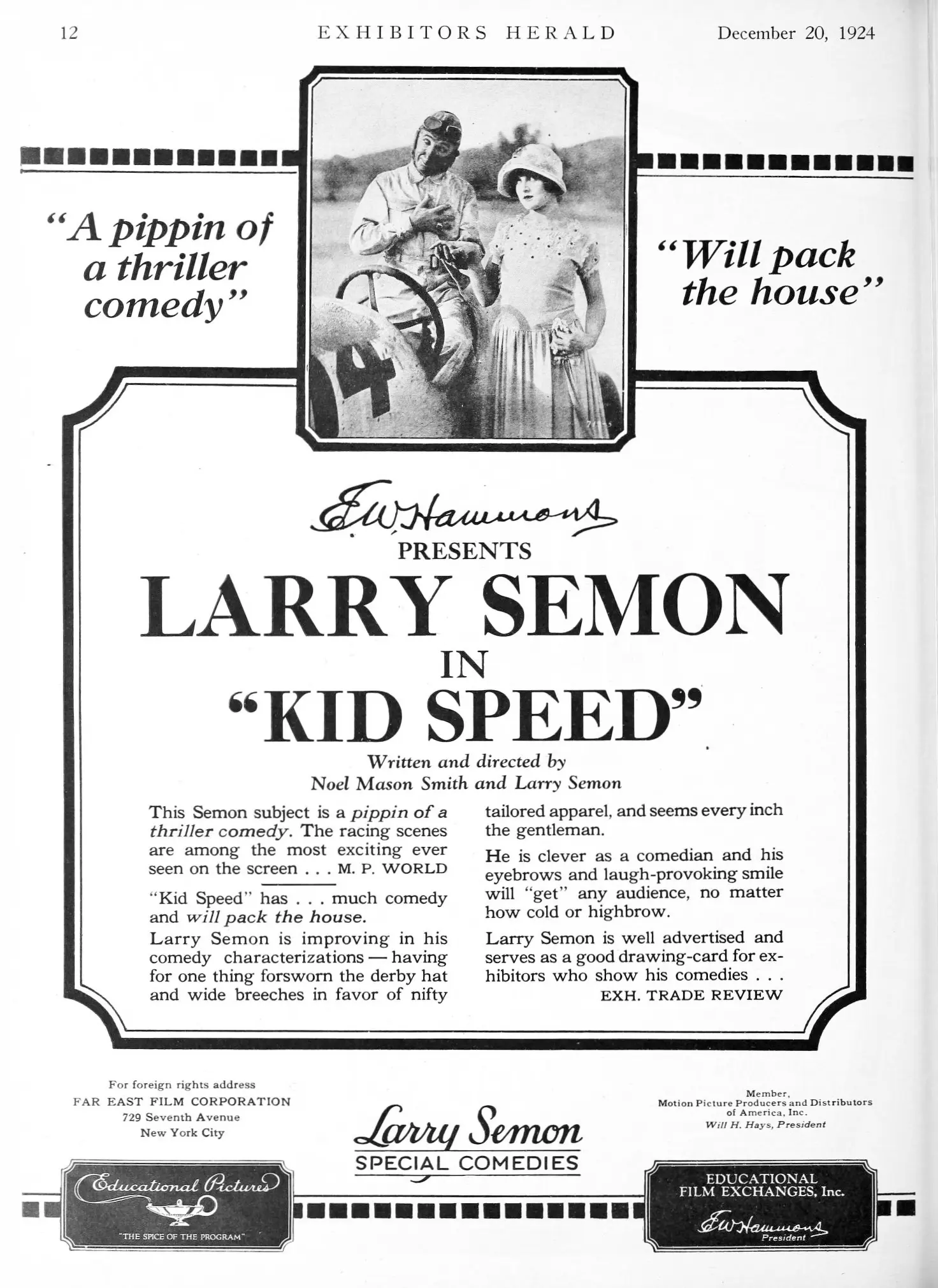
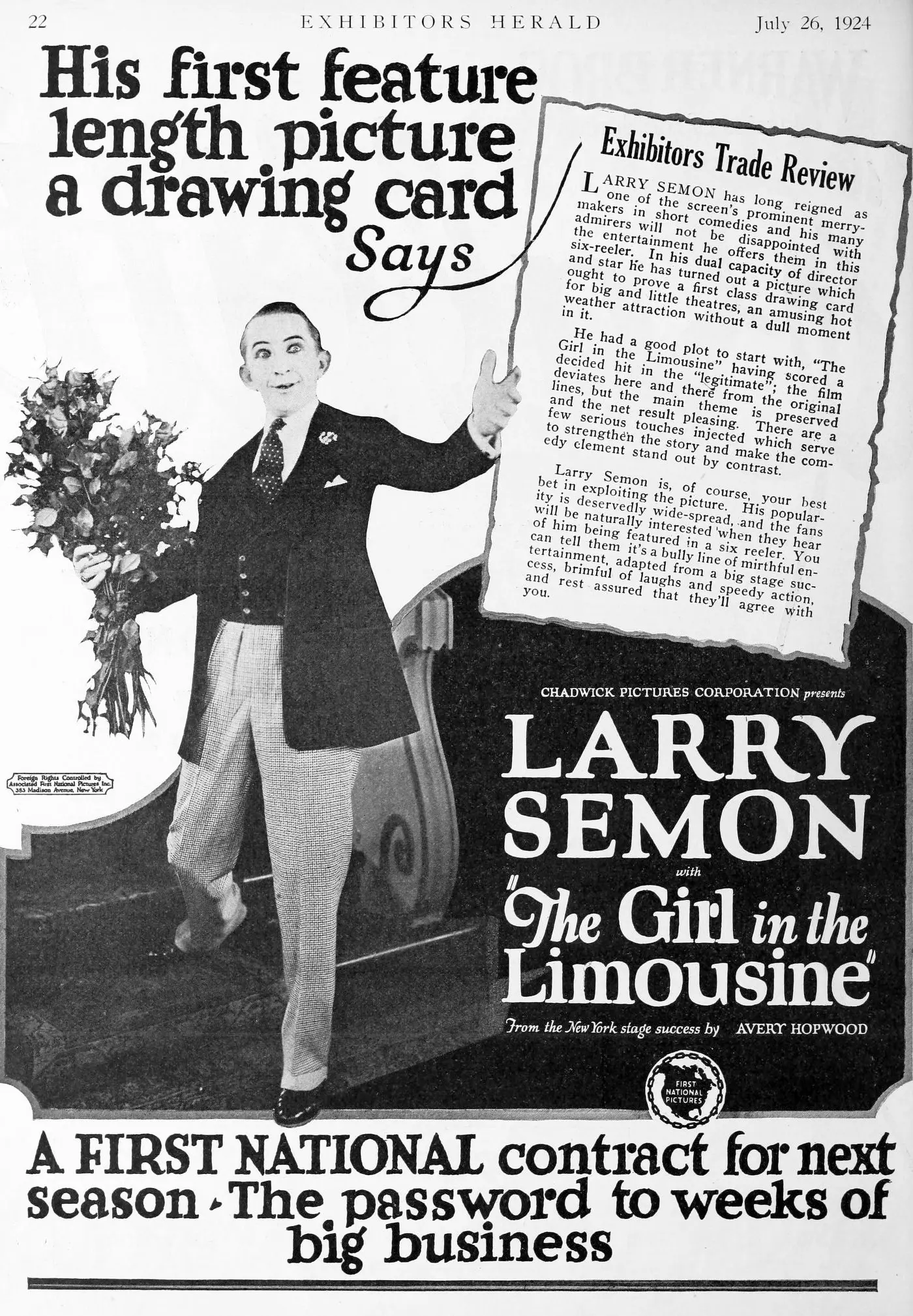
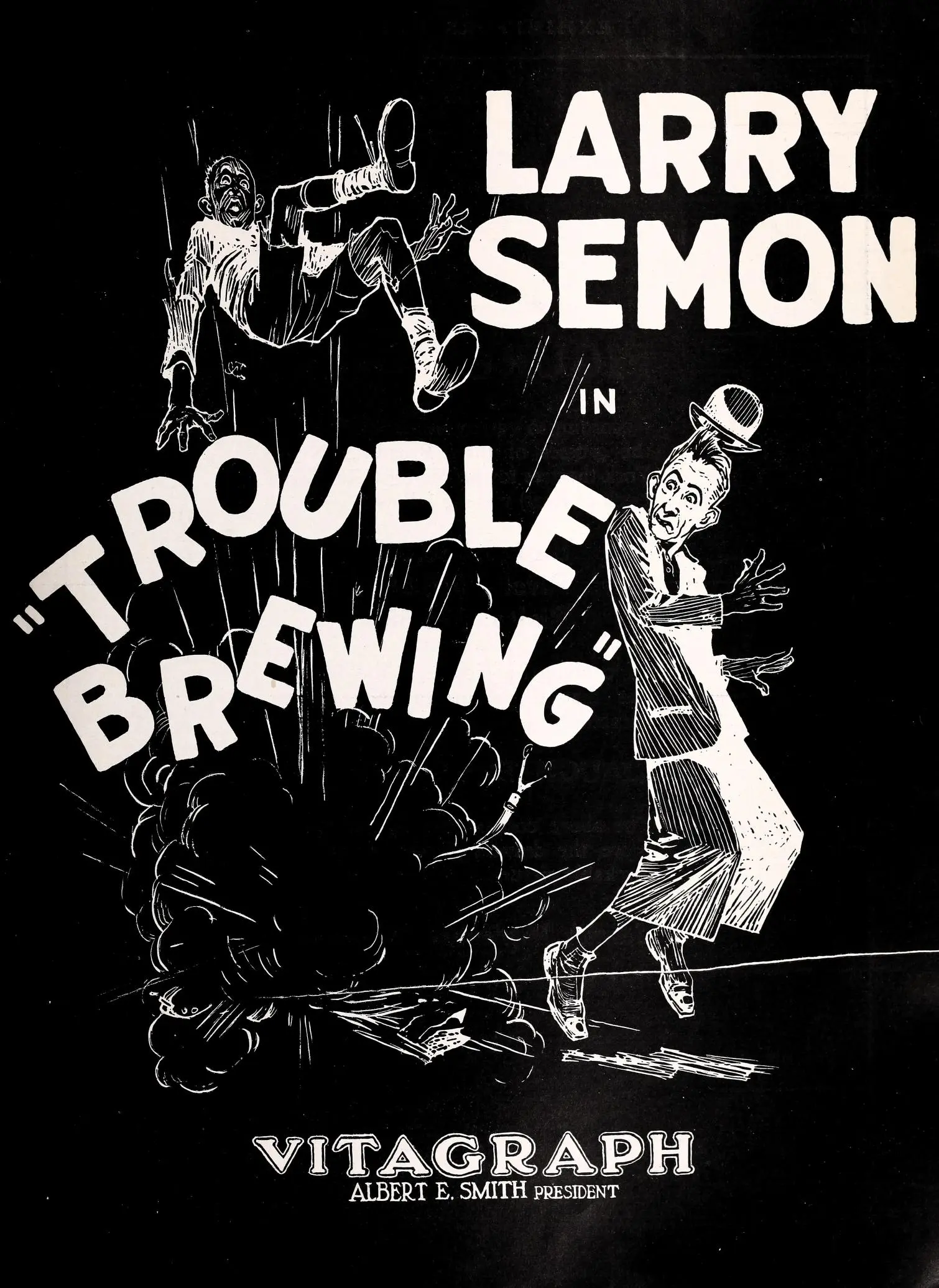
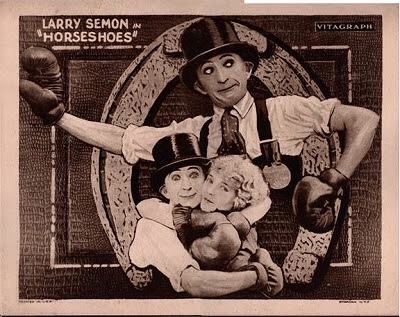
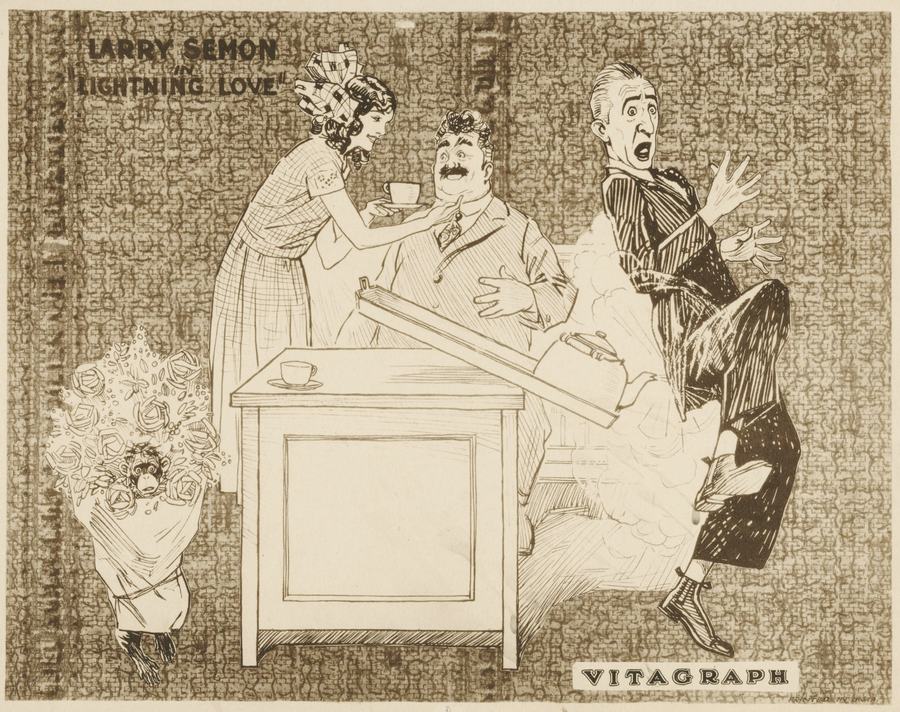
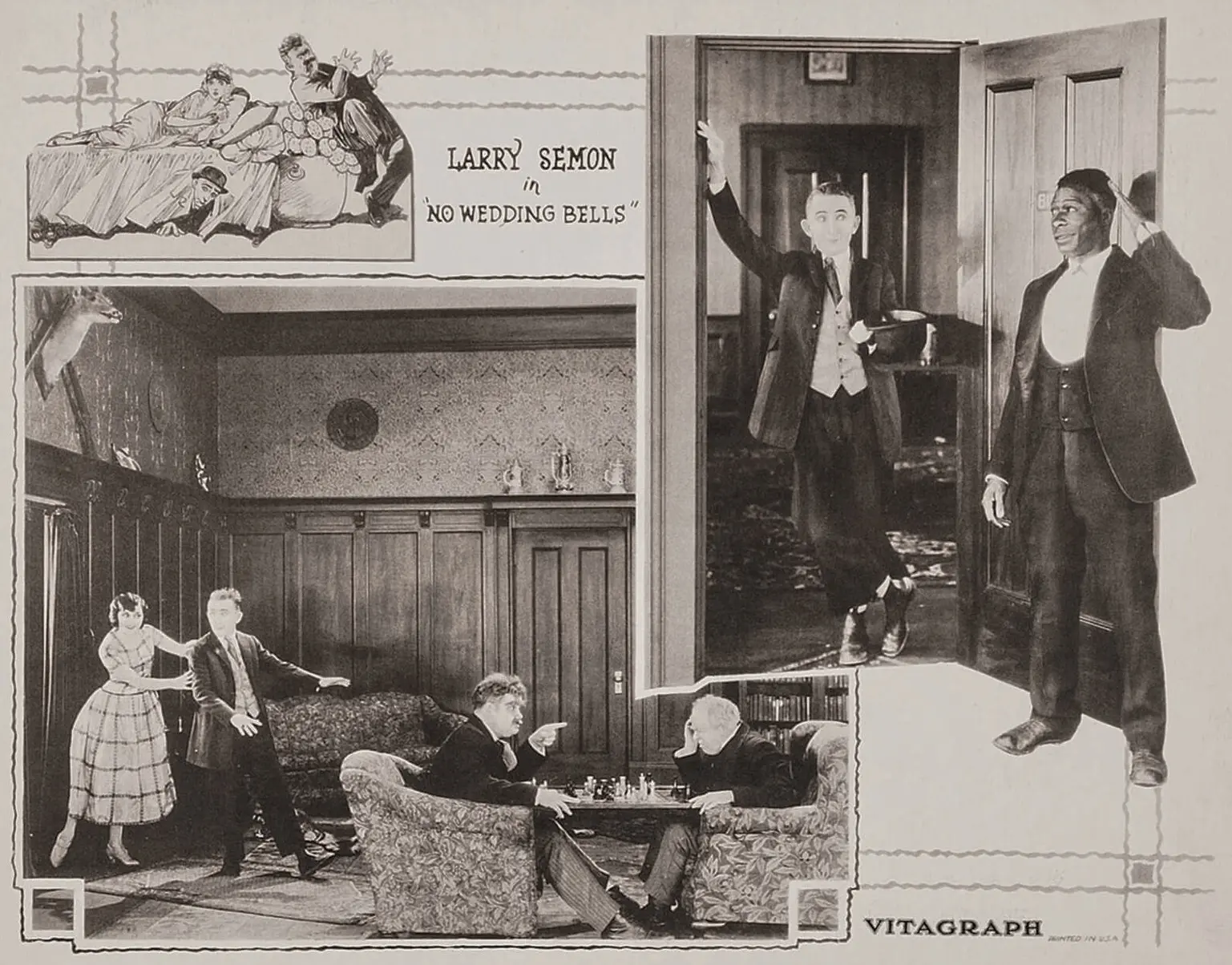
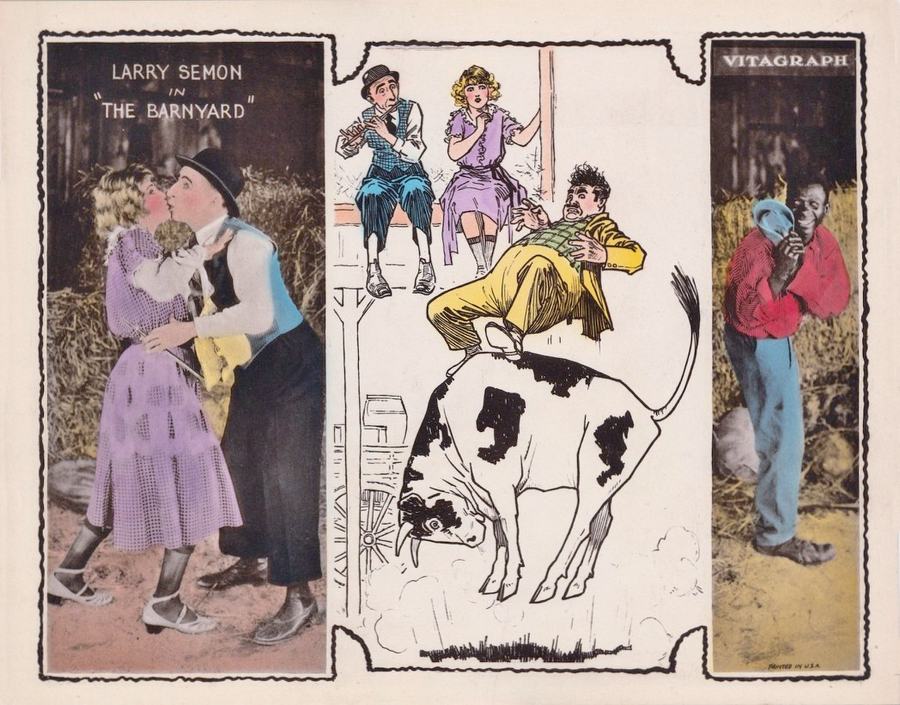
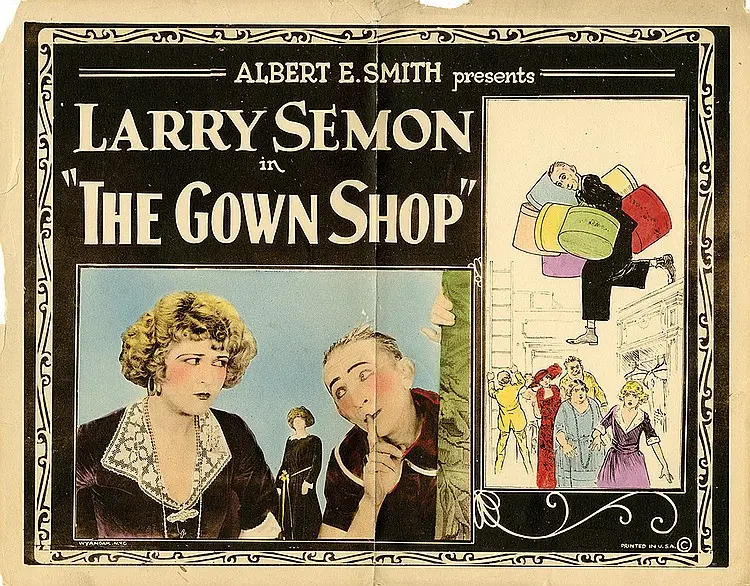
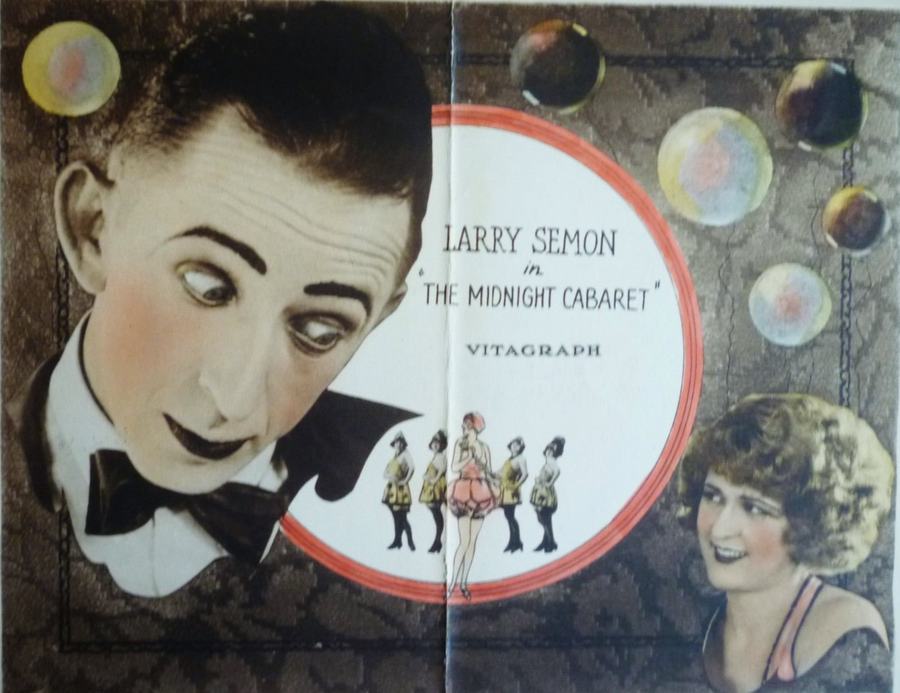
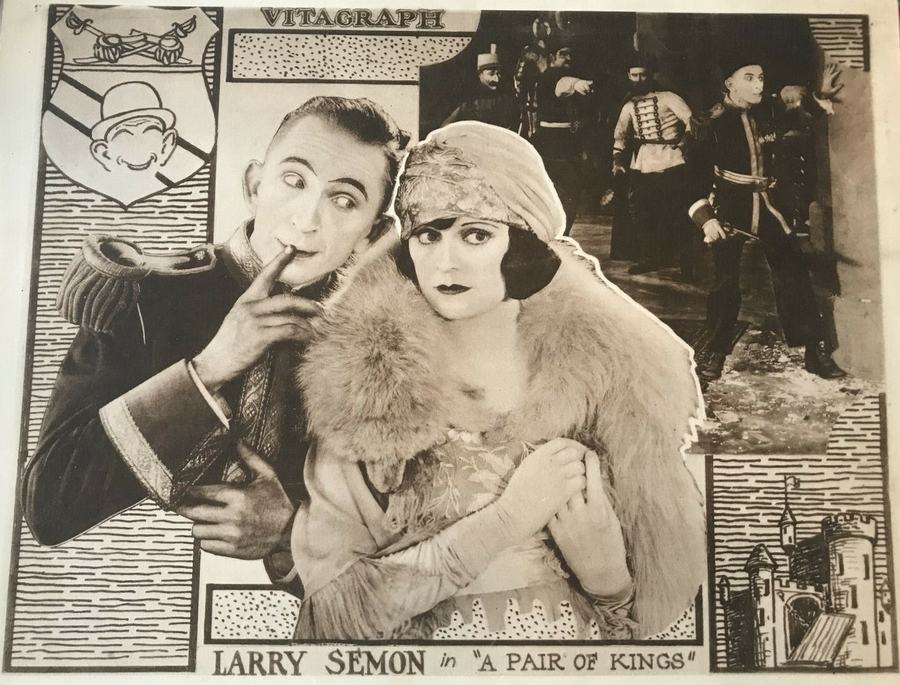
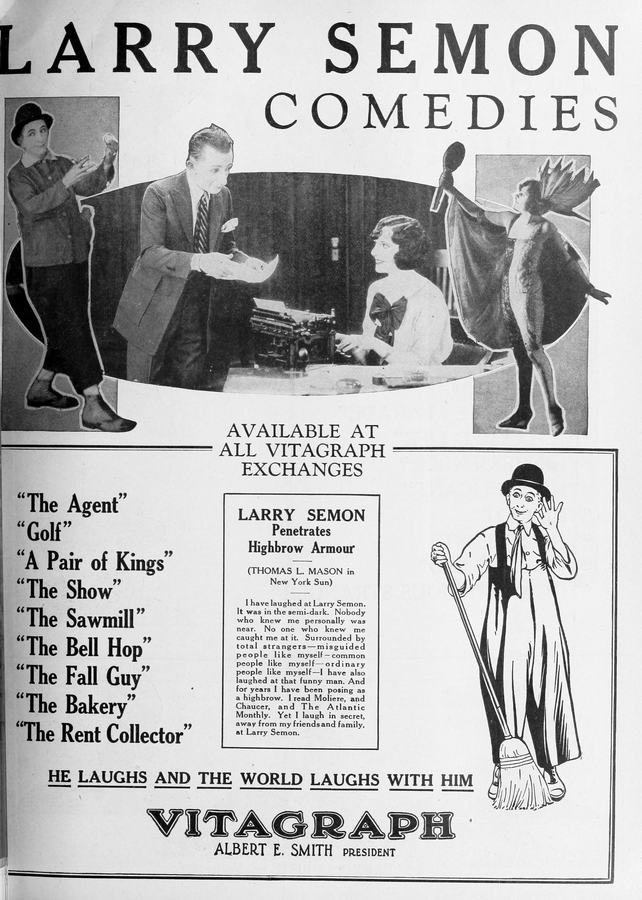
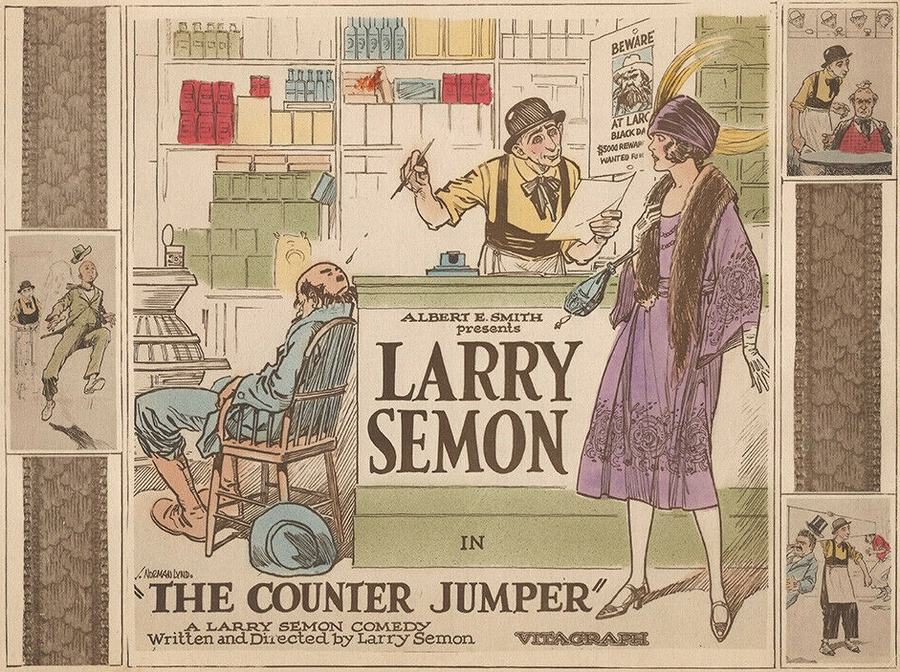
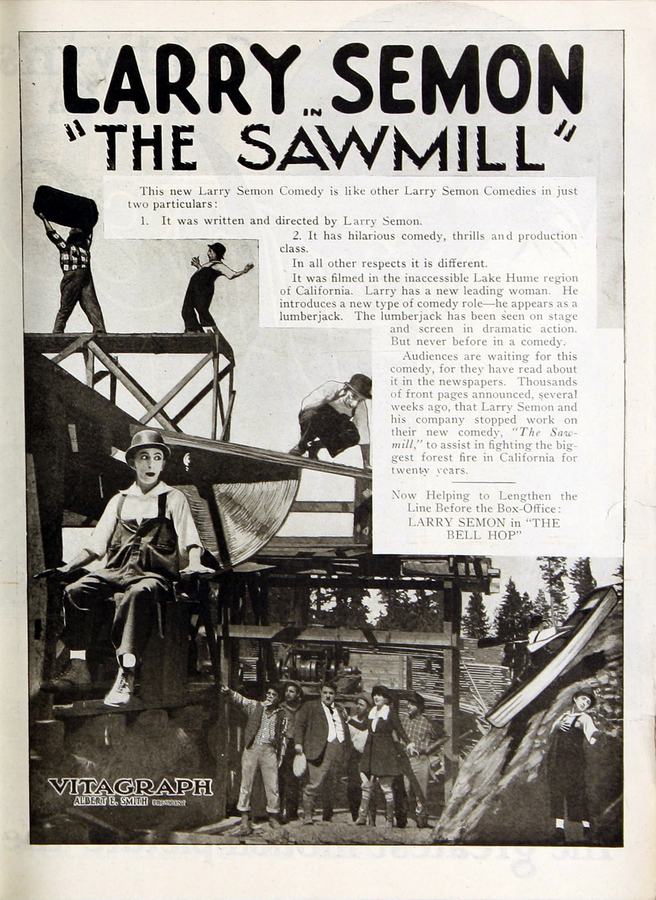
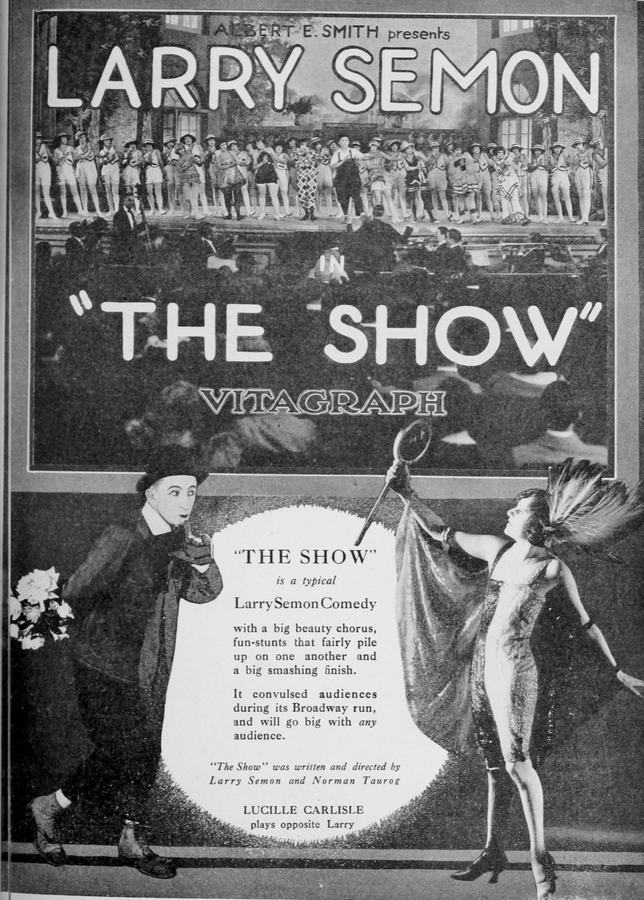
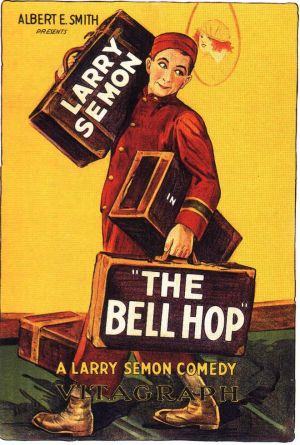
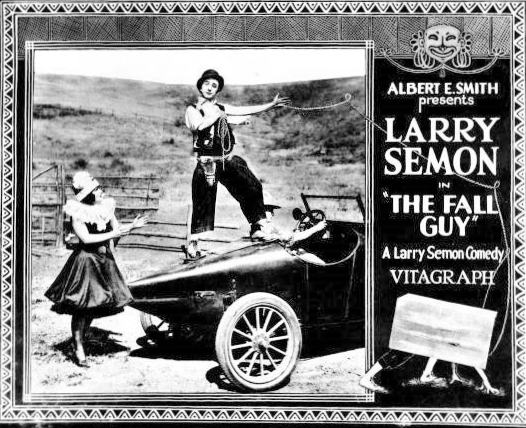
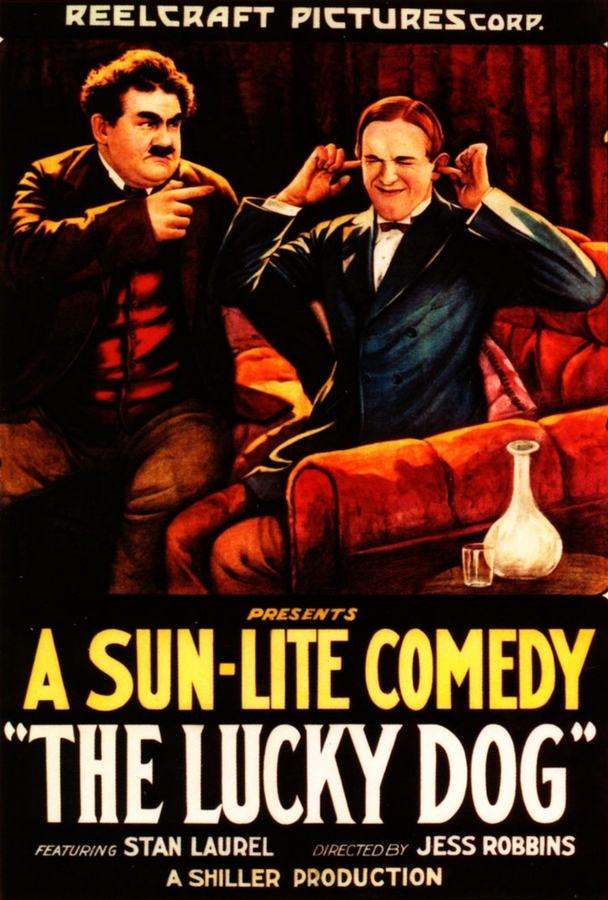
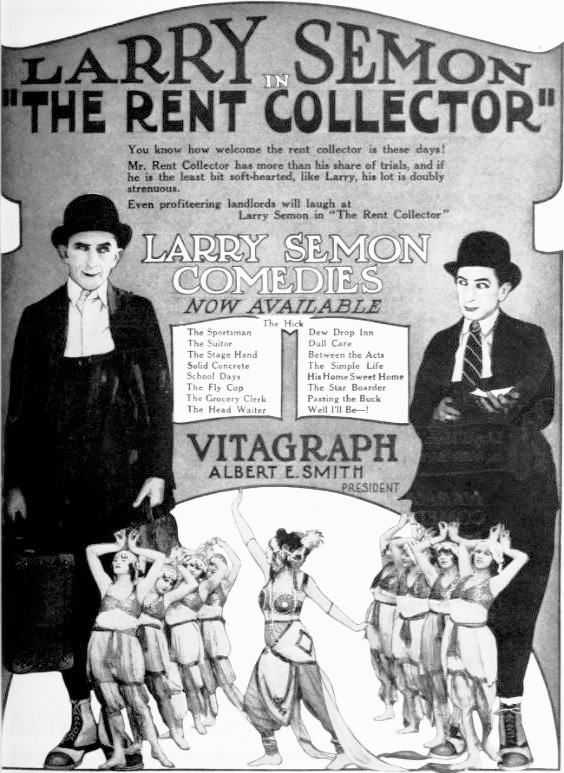
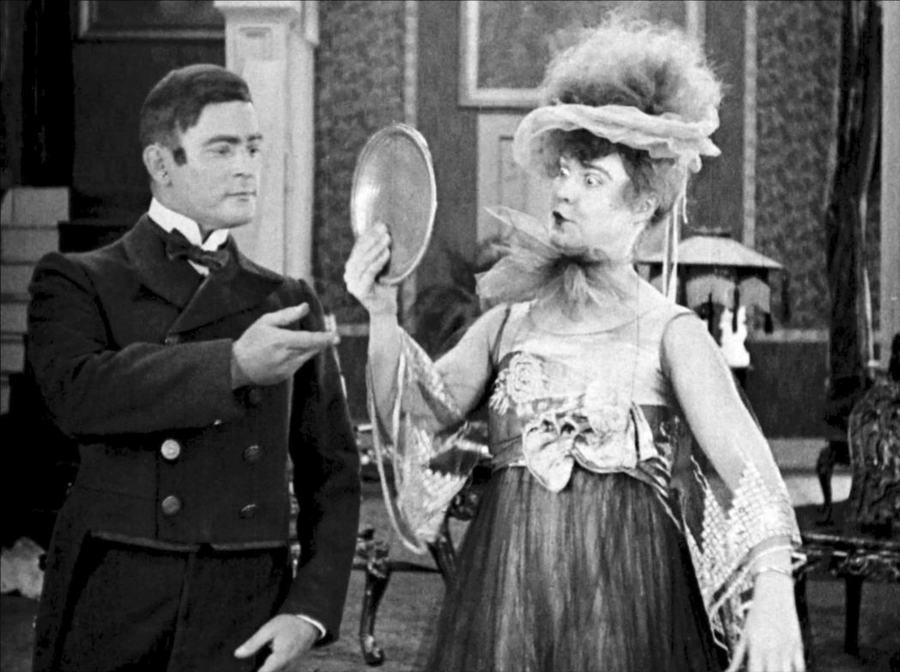
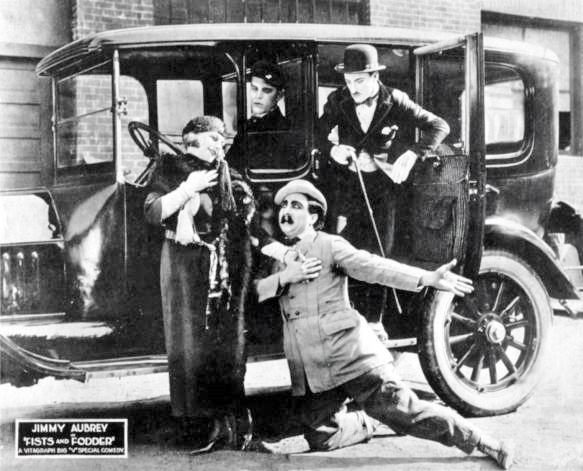
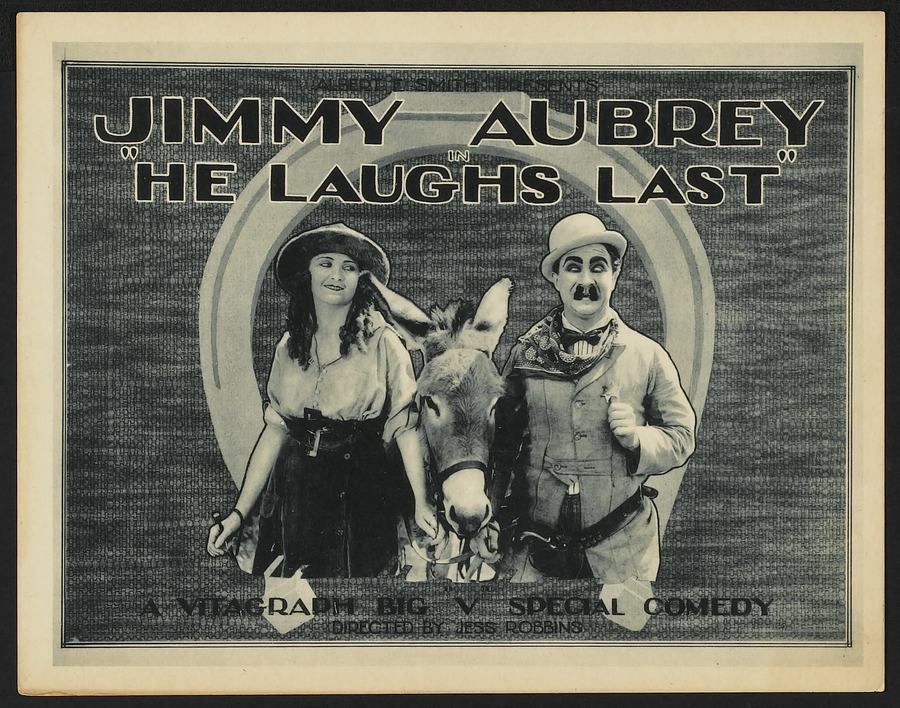
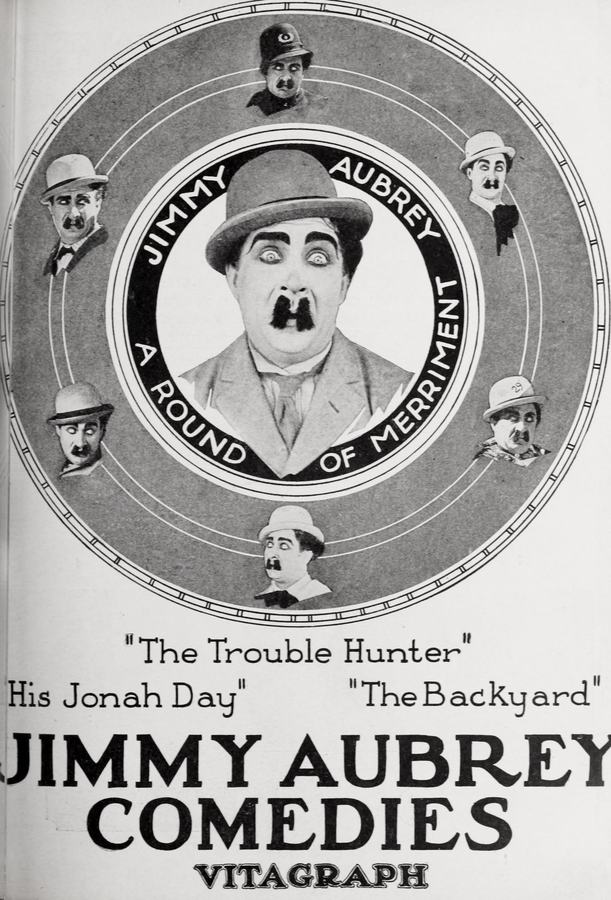
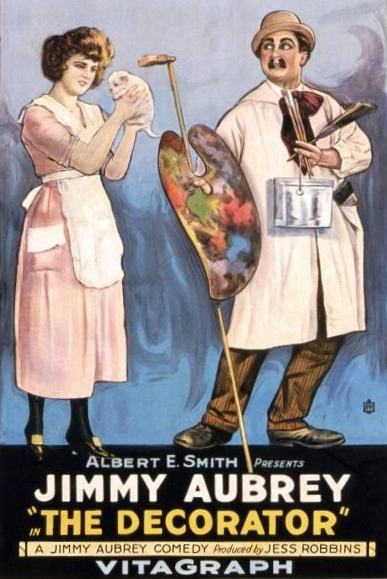
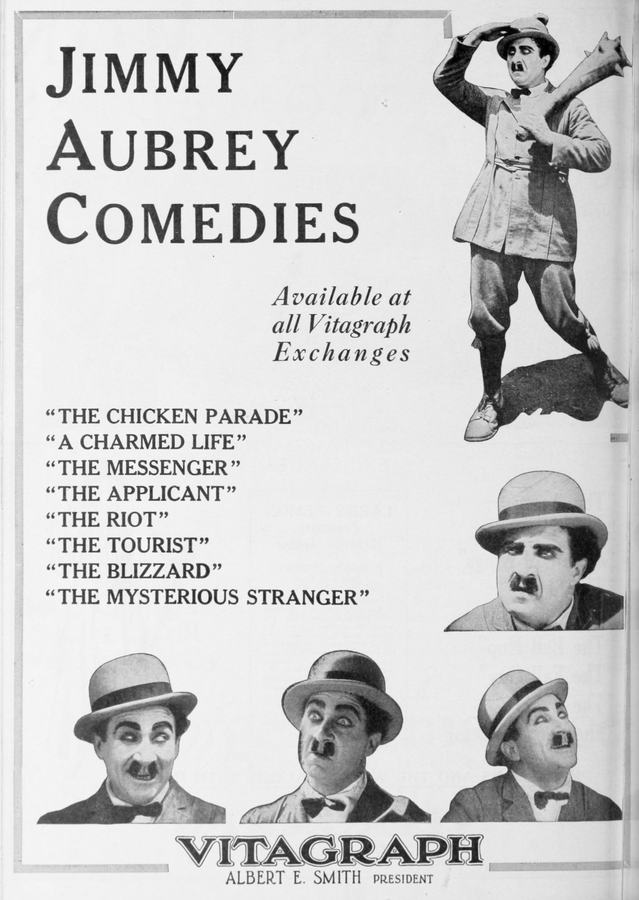
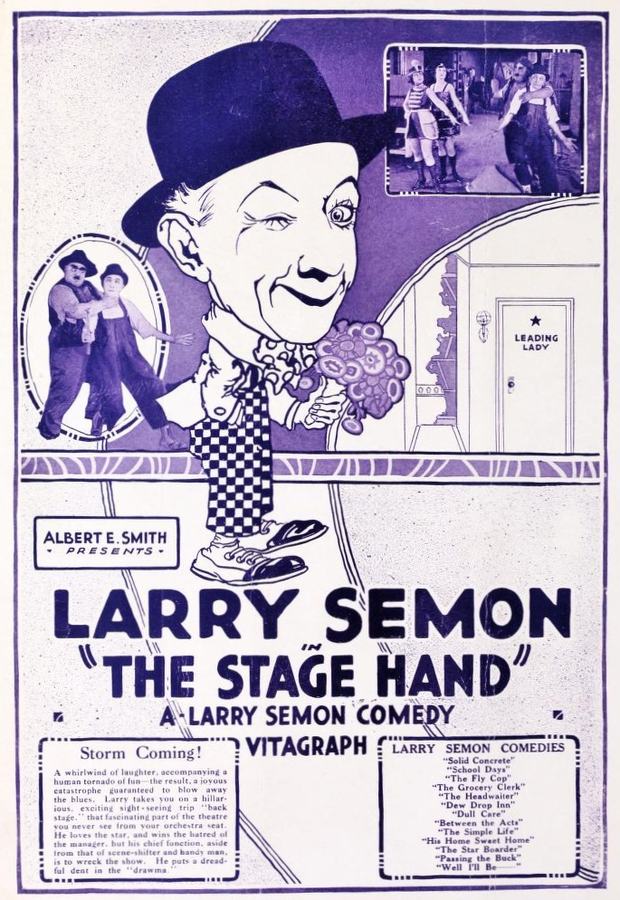
Oliver Hardy’s career began in the unlikely setting of a small-town Georgia porch, where a stout eight-year-old belted out minstrel tunes loud enough to attract traveling troupes. By 1910 the teenager had traded hymnals for projection reels, swapping law books for a nickelodeon he ran in Milledgeville. Three years later he stepped in front of the Lubin camera in Jacksonville, Florida, and 1914’s *Outwitting Dad* preserved the first flicker of that familiar moon-sized face. Between 1914 and 1918 he ricocheted through three slap-dash series—*Pokes and Jabbs*, then *Plump and Runt*, then *Jimmy Aubrey*—perfecting the slow-burn glare that would become his trademark. From 1921 to 1925 he doubled as actor and co-pilot on Larry Semon’s breakneck two-reelers, squeezing in villainous turns in prairie oaters and tear-soaked melodramas between pratfalls. Fate nudged him toward a thin Englishman in 1921 when both played bit parts in the haphazard *The Lucky Dog*. Half a decade later, Hal Roach’s office door swung open and the rotund American and the angular Brit were shoved together in *45 Minutes from Hollywood* (1926). Roach’s gamble paid off: *Sugar Daddies* (1927) kept cash registers humming, and by *From Soup to Nuts* (1928) the billing read “Laurel & Hardy” in equal-size letters. After four years of boiling two-reel chaos, the duo graduated to features; *Pardon Us* (1931) ushered them into longer narratives and bigger laughs, followed by the toy-soldier whimsy of *March of the Wooden Soldiers* (1934), the dusty tunefulness of *Way Out West* (1937), and the battle-scarred lunacy of *Block-Heads* (1938). When their Roach contract expired, Fox lured them with fatter paychecks but tighter reins; the freedom Stan once wielded over scripts evaporated, and assembly-line plots dulled their shine. Wartime audiences drifted, and after *The Bullfighters* (1946) the screen went dark on the partnership—until a ramshackle French production dragged them overseas one last time. Retitled *Utopia* in 1951, the chaotic shoot left both men exhausted and critics cringing. Hardy soldiered on alone for a handful of appearances: the southern-fried quack of *Zenobia* (1939), a grizzled frontier sidekick to John Wayne in *The Fighting Kentuckian* (1949), and a brisk cameo in *Riding High* (1950). A stroke felled the great man in 1957, but the bowler-hatted silhouette he left behind still tips its derby across every screen that dares to project timeless nonsense.
Filmography
In the vault (168)