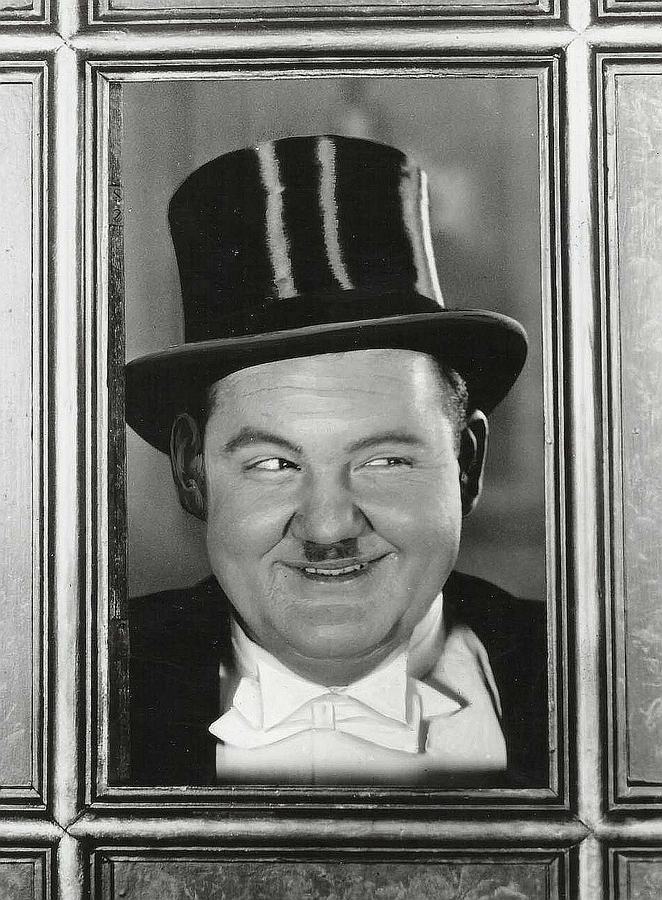
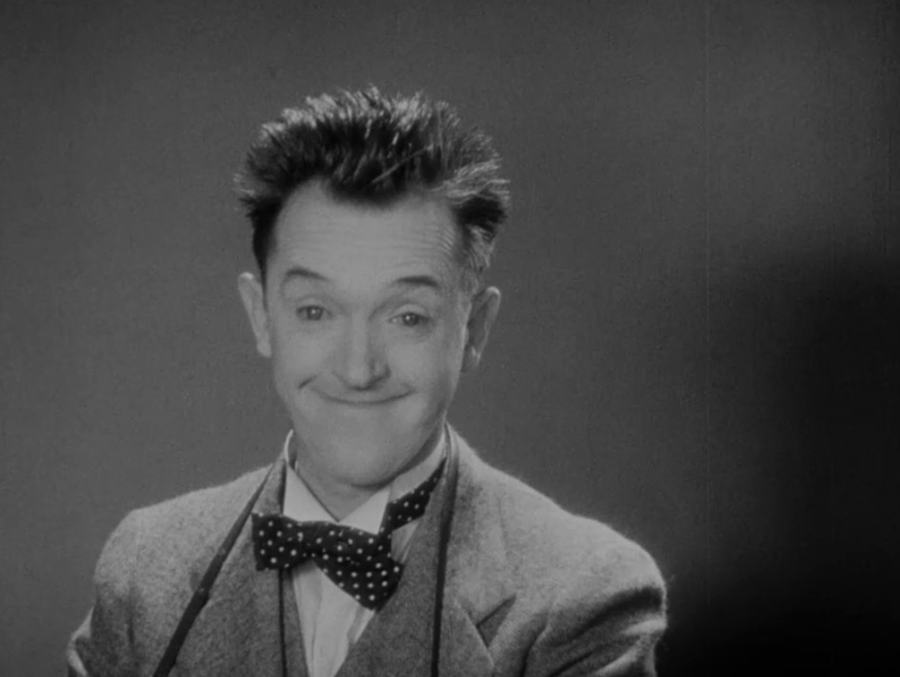
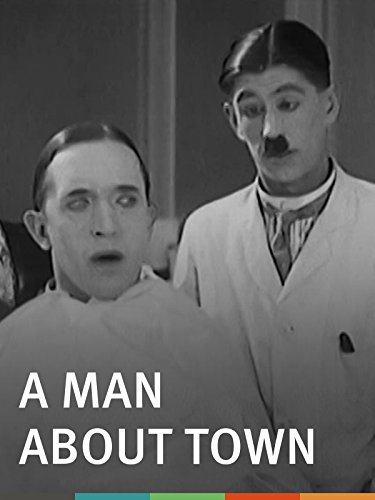
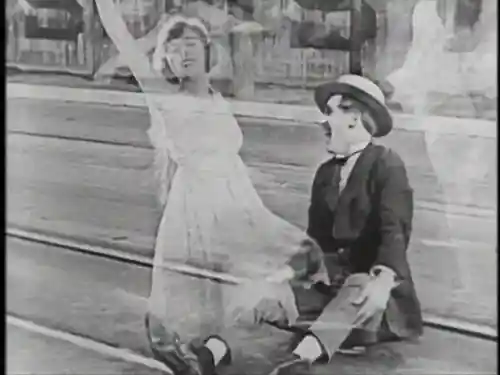
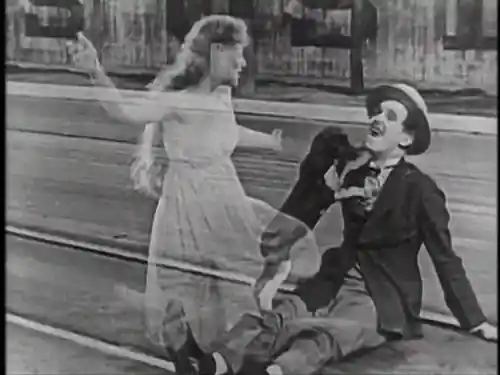
In their first screen appearance together, Stan plays a penniless dog lover and Oliver plays a crook who tries to rob him and his new paramour..
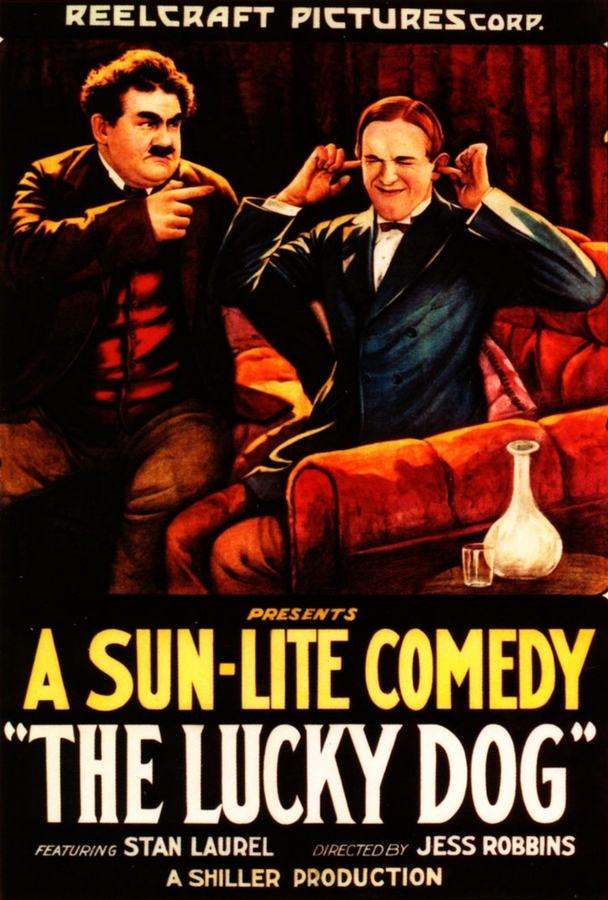
I. A Nickel for Chaos, a Bone for Cosmic Irony Forget the moth-eaten cliché that silent comedy merely wanted to make you chuckle; The Lucky Dog wants to bite you with existential teeth while you’re busy wiping tears of laughter. Jess Robbins’s camera, starved of sync sound but drunk on visual polyphony, frames a Los ...

still_frame
product
still_frame
still_frame
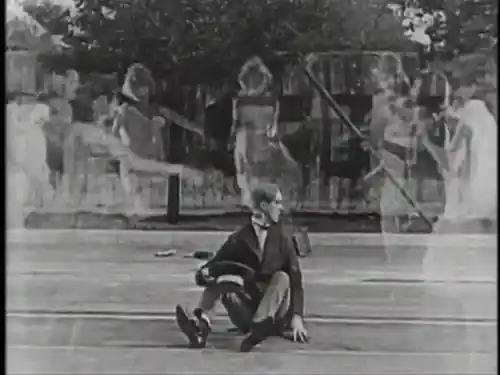
still_frame

still_frame
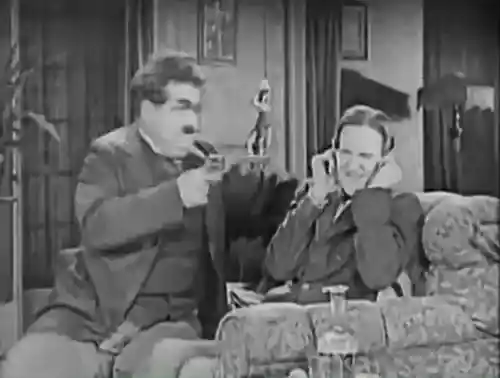
still_frame
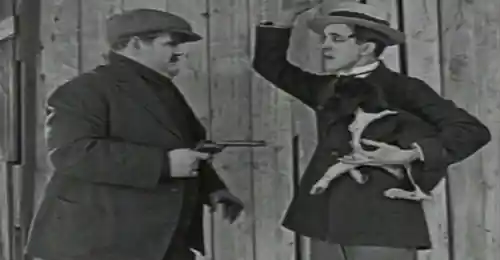
still_frame
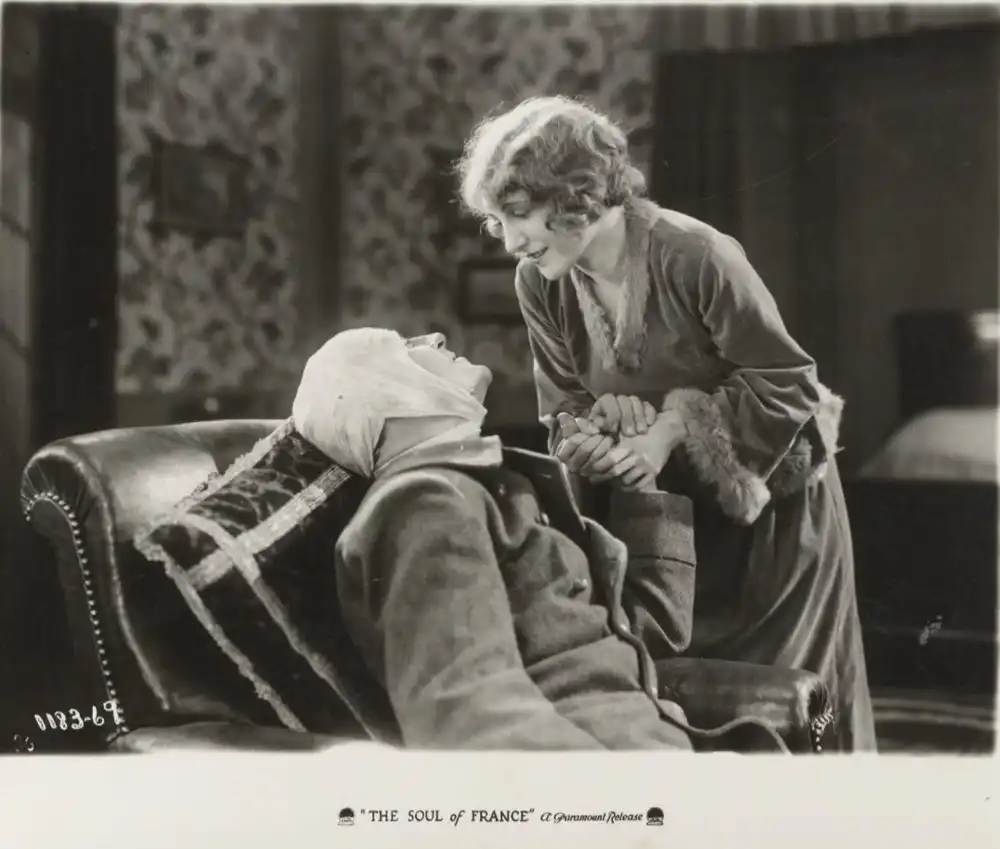
Comparing the cinematic DNA and archive impact of two defining moments in cult history.
Jess Robbins
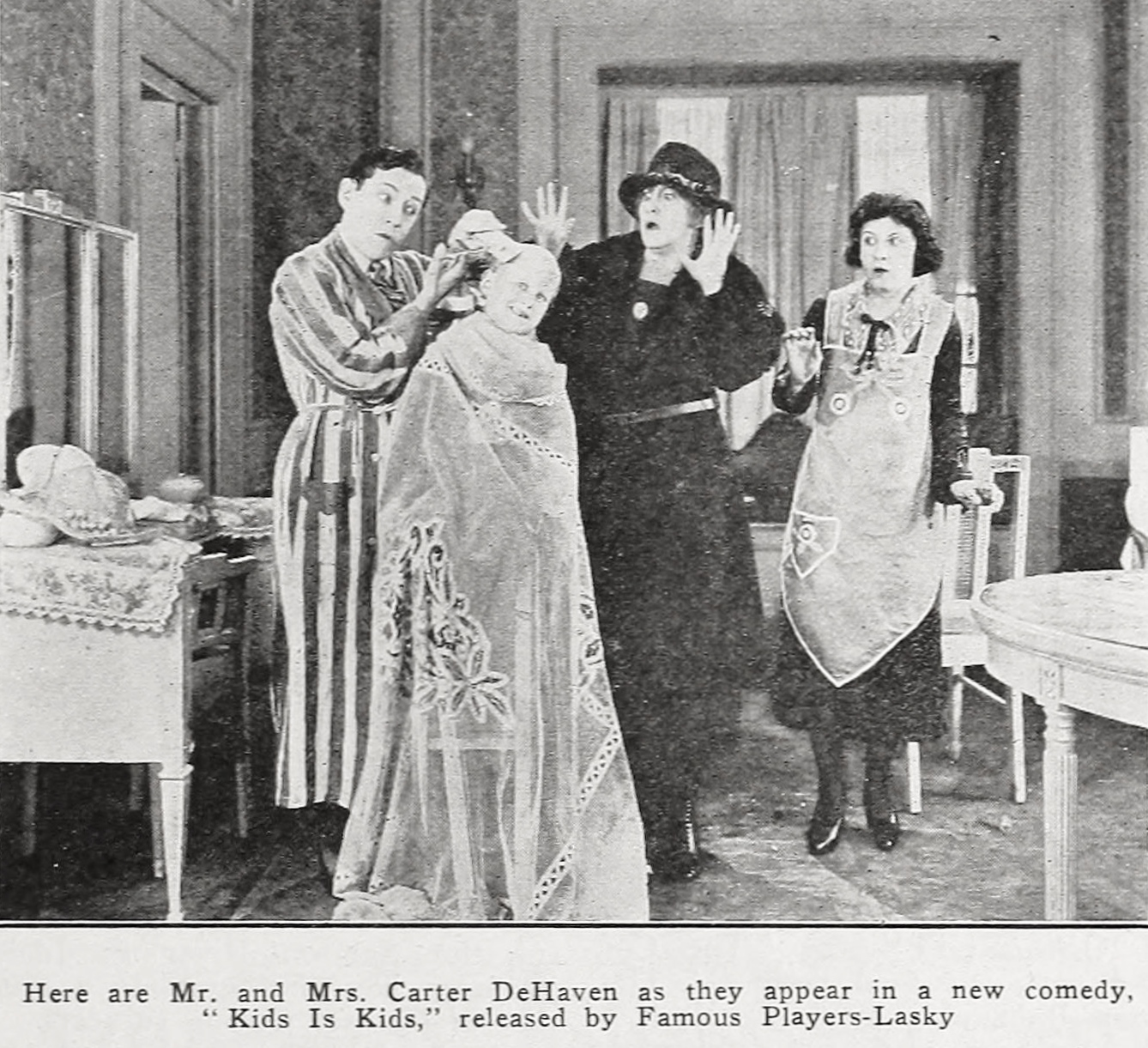
Charley Chase
Community
Log in to comment.
" I. A Nickel for Chaos, a Bone for Cosmic Irony Forget the moth-eaten cliché that silent comedy merely wanted to make you chuckle; The Lucky Dog wants to bite you with existential teeth while you’re busy wiping tears of laughter. Jess Robbins’s camera, starved of sync sound but drunk on visual polyphony, frames a Los Angeles still perfumed with orchard blossoms and desperation. The terrier—nameless on-set, canonically “Lucky” within the diegesis—operates as both MacGuffin and moral barometer, n..."
Jack Lloyd
Jess Robbins
United States