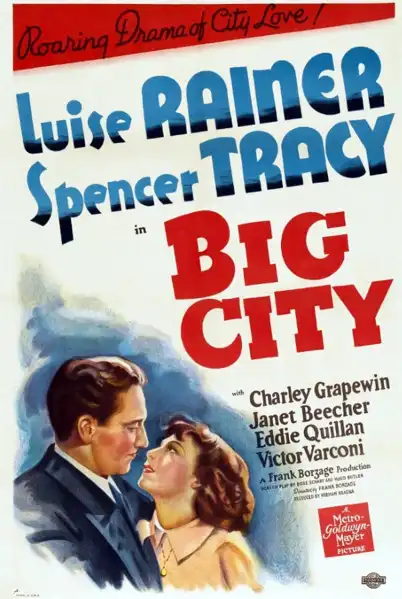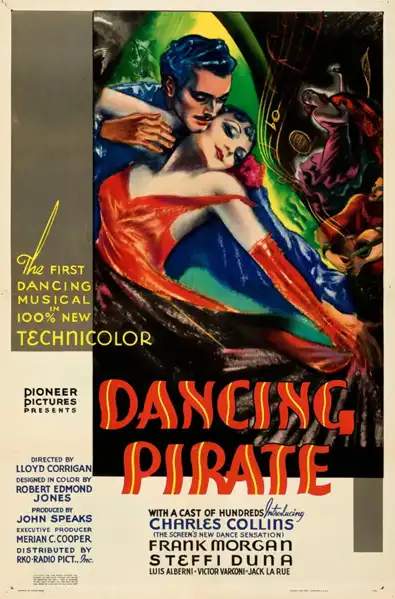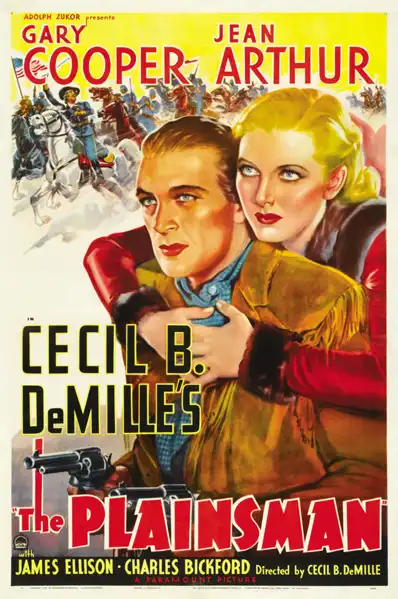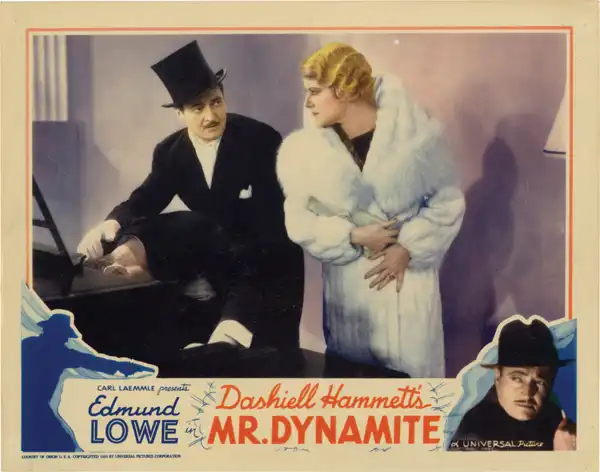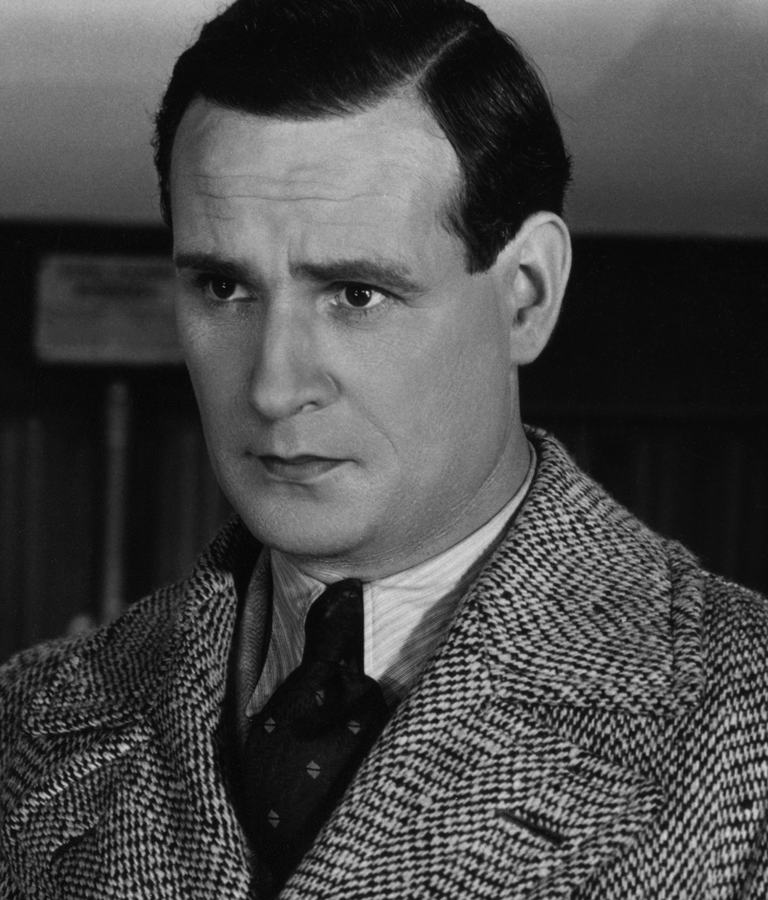
Victor Varconi
actor, director, writer
- Birth name:
- Mihály Várkonyi
- Born:
- 1891-03-31, Kisvárda, Austria-Hungary [now Kisvárda, Szambolcs-Szatmár, Hungary]
- Died:
- 1976-06-06, Santa Barbara, California, USA
- Professions:
- actor, director, writer
Biography
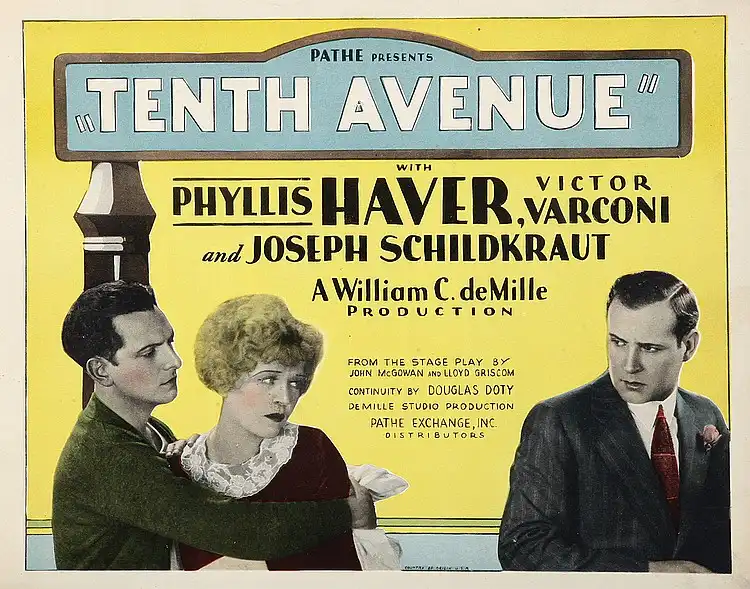
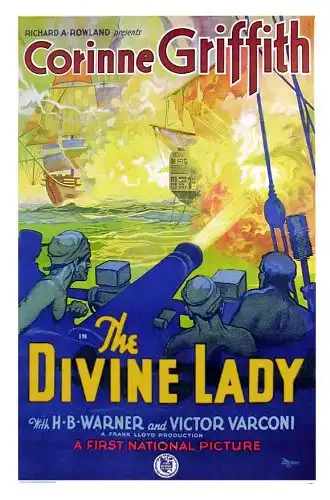
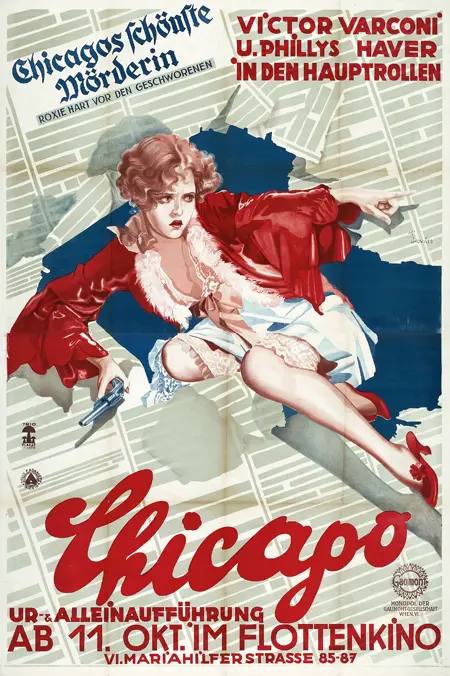
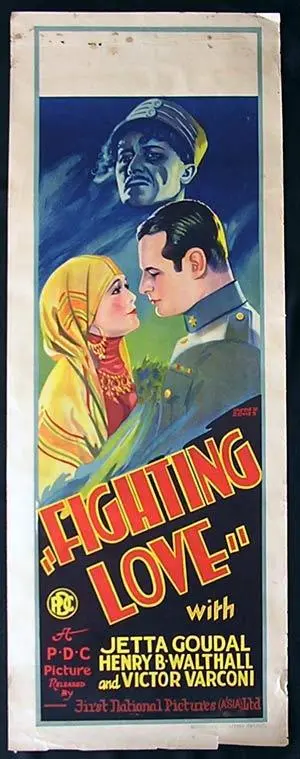
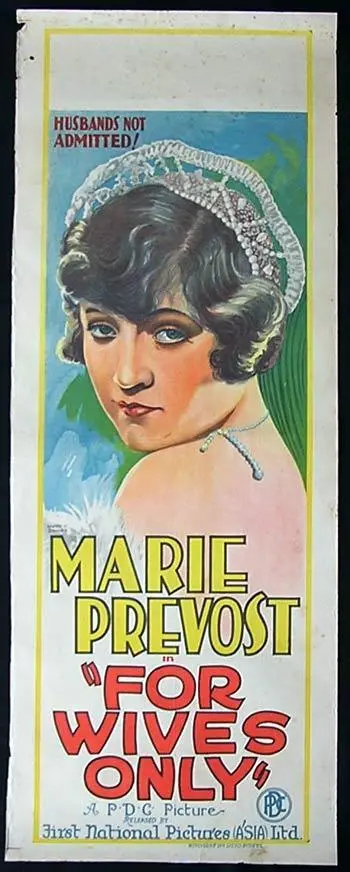
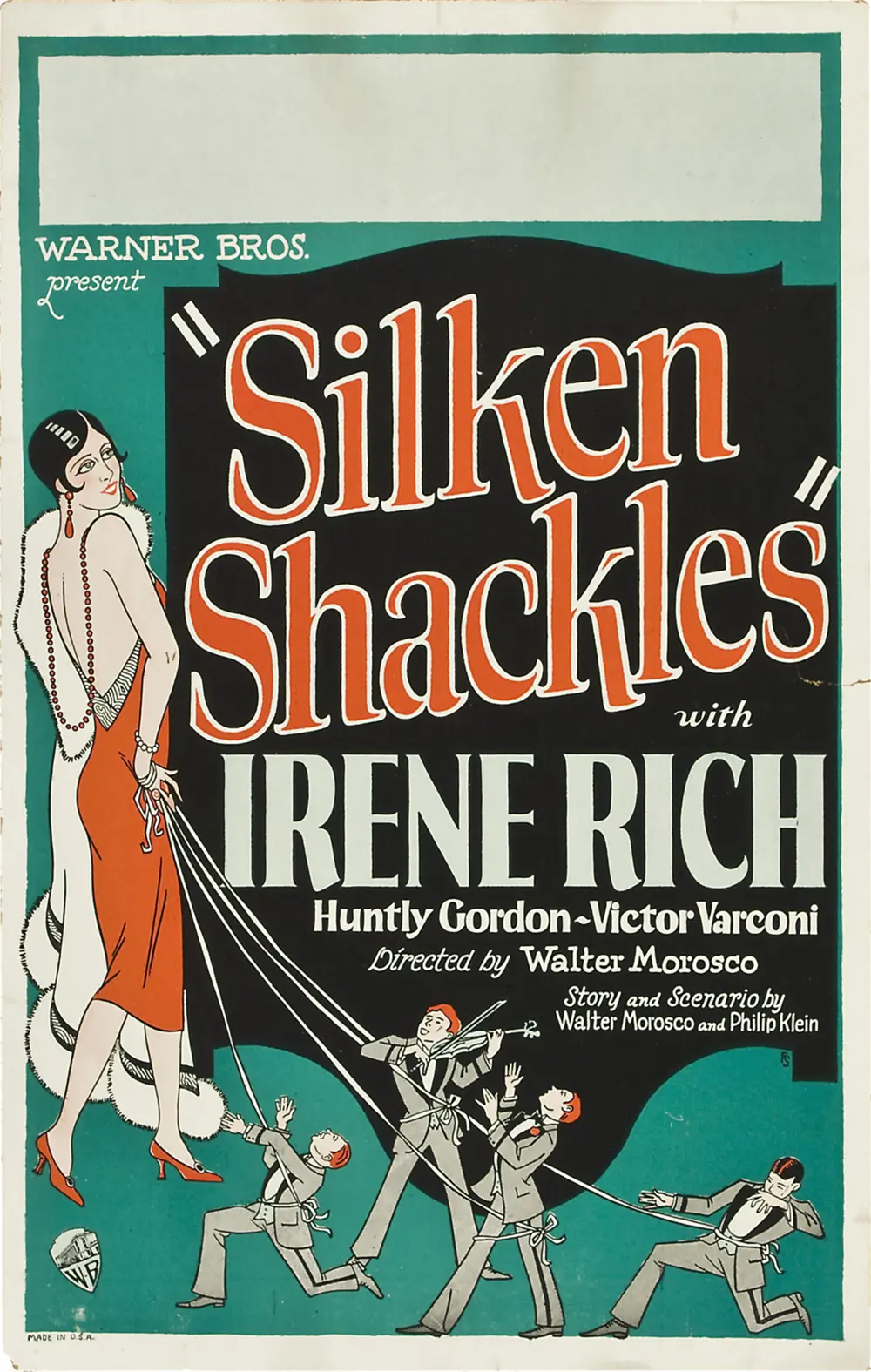
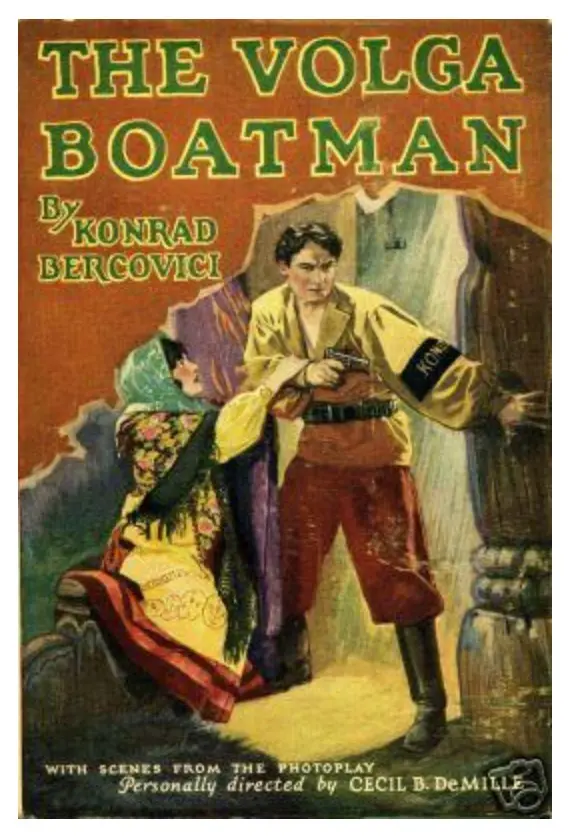
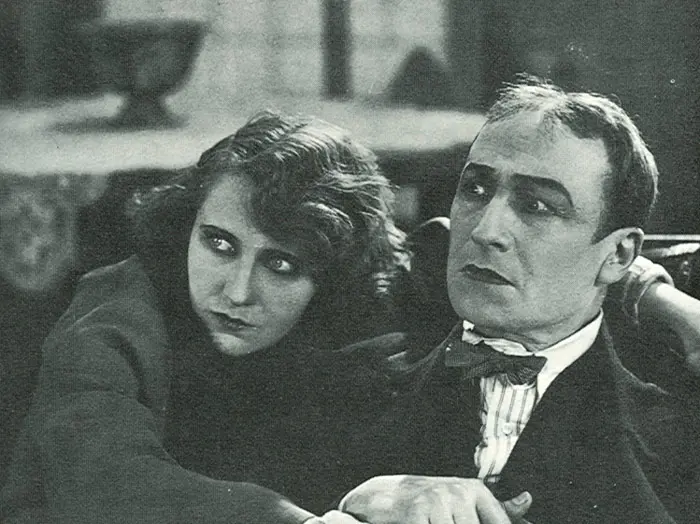
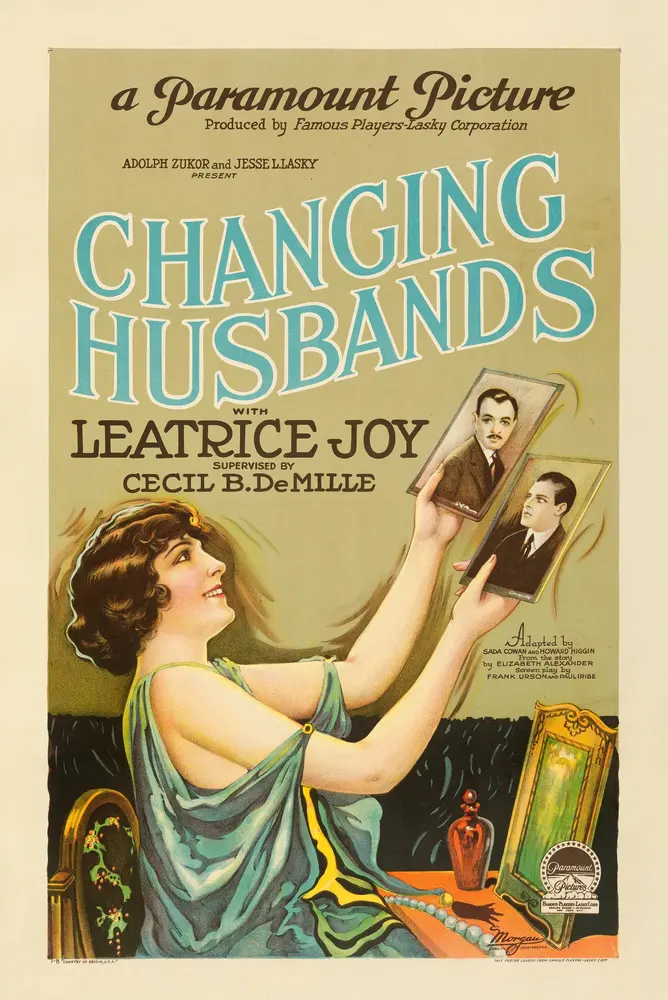
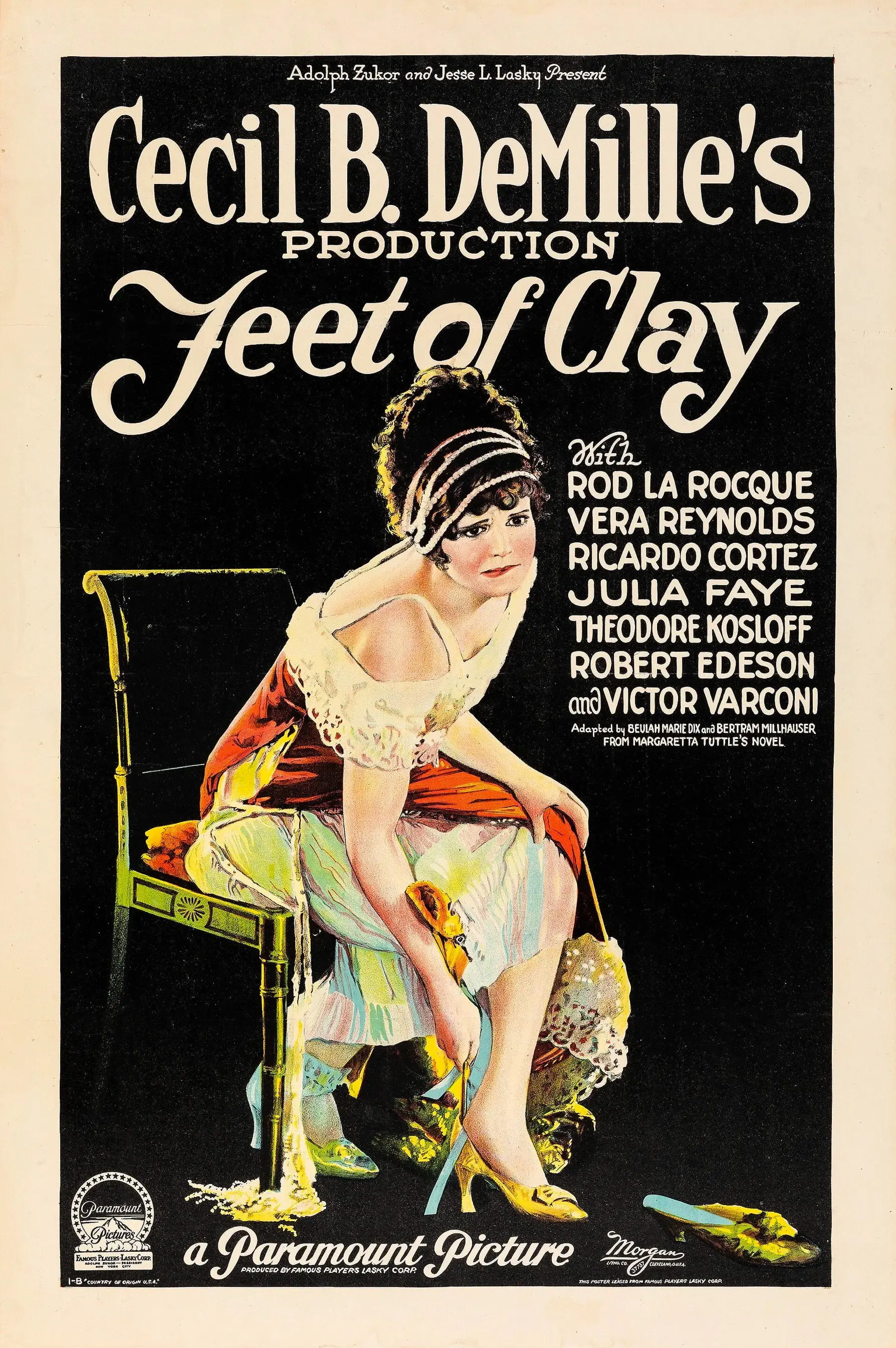
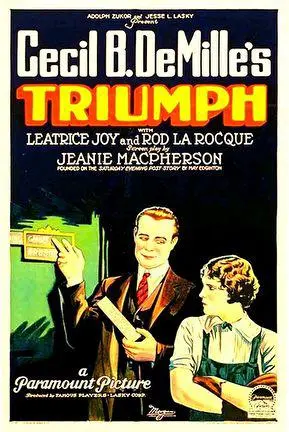
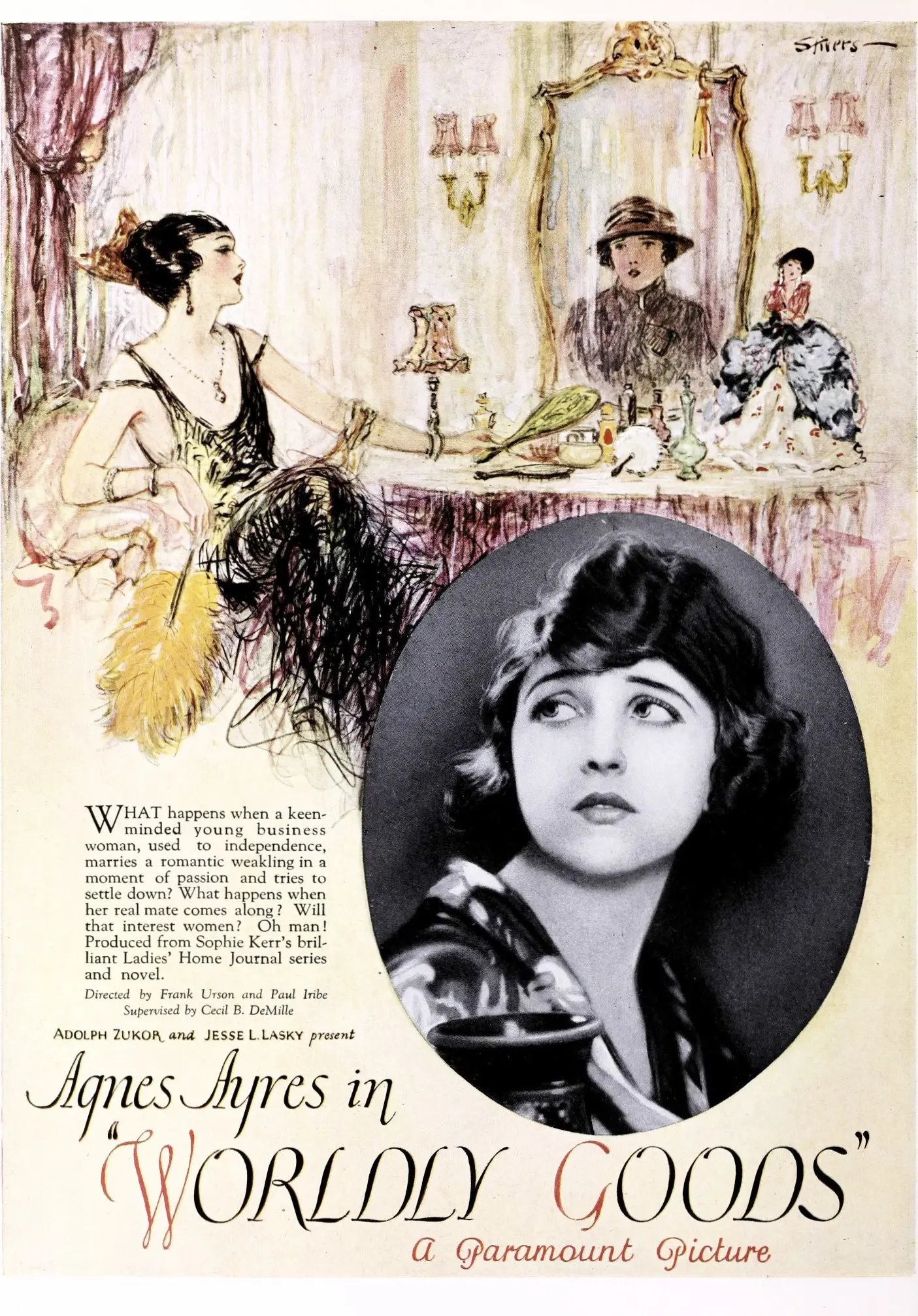
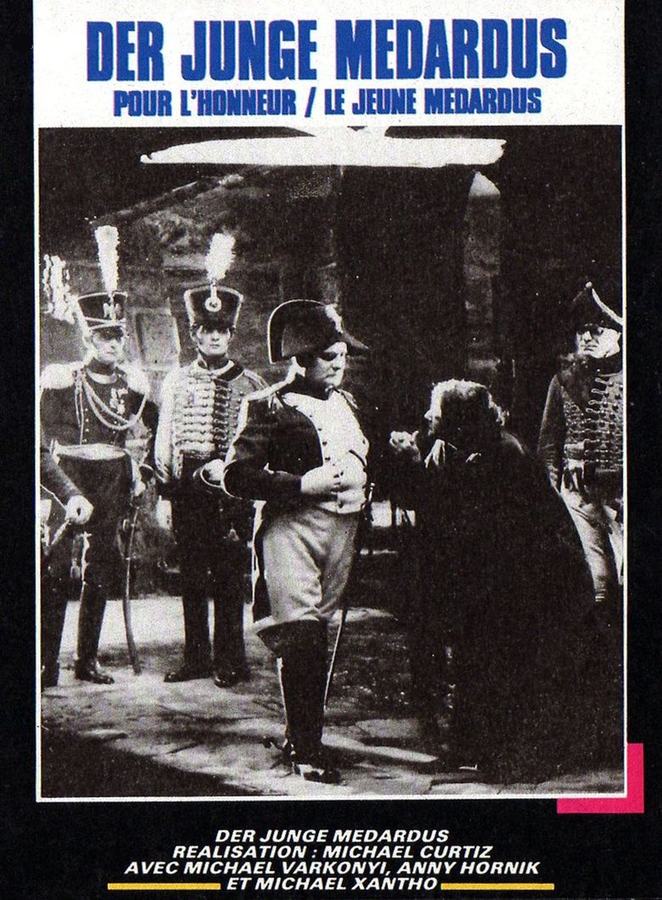
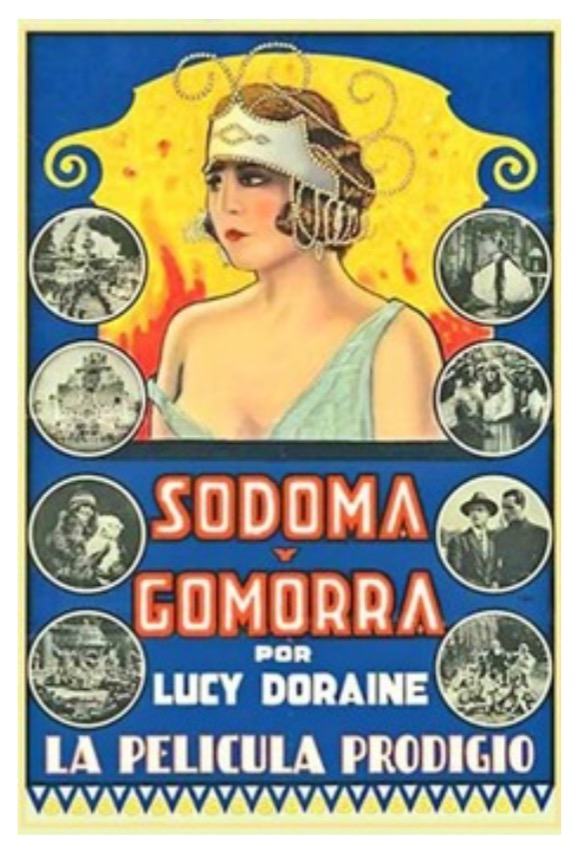
From the wheat-blown borderland between Hungary and Rumania came Mihály Várkonyi, the farmer’s son who would one day haunt Hollywood screens as Victor Varconi. After bookkeeping classes and a stint at Budapest’s Academy of Drama, he conquered Transylvanian playhouses, stepping into the title role of Molnár’s Liliom at the Hungarian National Theatre. A camera soon beckoned: Sárga csikó (1914) announced his film birth. A sleeker name—Michael Varkonyi—rode with him into German and Austrian co-productions, none hotter than Arme Violetta (1920) opposite Pola Negri. Political tremors sent him west in 1924. Cecil B. DeMille, dazzled by Varconi’s seraphic restraint in Sodom and Gomorrah (1922), handed the newcomer a passport to American movies: Triumph (1924), shoulder-to-shoulder with Leatrice Joy. Over the next silent years Varconi became DeMille’s quietly dazzling utility star—Changing Husbands, Feet of Clay, The Volga Boatman—reaching biblical heights as Pontius Pilate in The King of Kings (1927). He traded barbs and glances with silent-era luminaries—Agnes Ayres, Marie Prevost, Jetta Goudal—while etching heartbreak as betrayed Amos opposite Phyllis Haver’s jazz-age Roxie Hart in Chicago (1927). His final silent flourish: Lord Nelson courting Corinne Griffith’s Emma in The Divine Lady (1928). Talkies arrived, and with them Varconi’s velvet-gravel accent; romantic leads vanished overnight. Hollywood, ever resourceful, cast the cosmopolitan Hungarian as ambassadors, arch-dukes, silky seducers and polished scoundrels—roles that kept his profile high for two decades. When war clouds gathered, he donned Iron Crosses and epaulettes, most memorably as Hitler’s shadowy confidant Rudolf Hess in The Hitler Gang (1944). DeMille again summoned him for sound-era pageants: a painted Plainsman chieftain (1936), a seaboard rogue in Reap the Wild Wind (1942), colonial gentry in Unconquered (1947), and a Philistine lord in Samson and Delilah (1949). As the studio gates narrowed, Varconi returned to boards and bandwidth—Shakespeare in the evenings, radio scripts by night, occasional television drop-ins through the ’50s. He closed the curtain with memoirs whimsically titled It’s Not Enough to Be Hungarian, then exited the world in 1976 at 85, heart quieted but legacy flickering brightly in nitrate and memory.