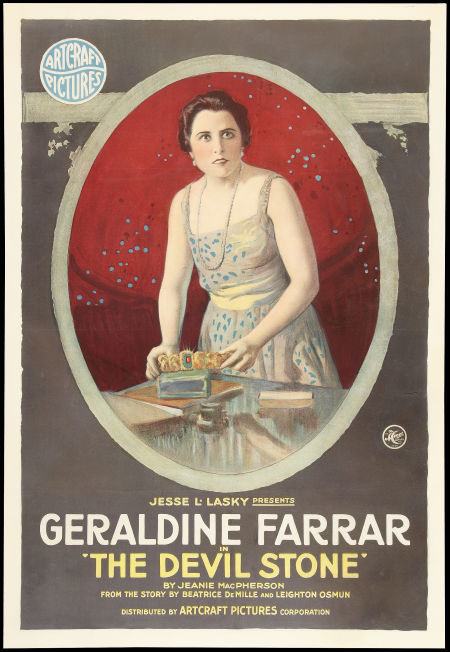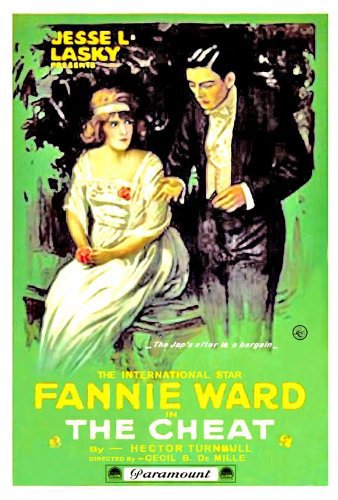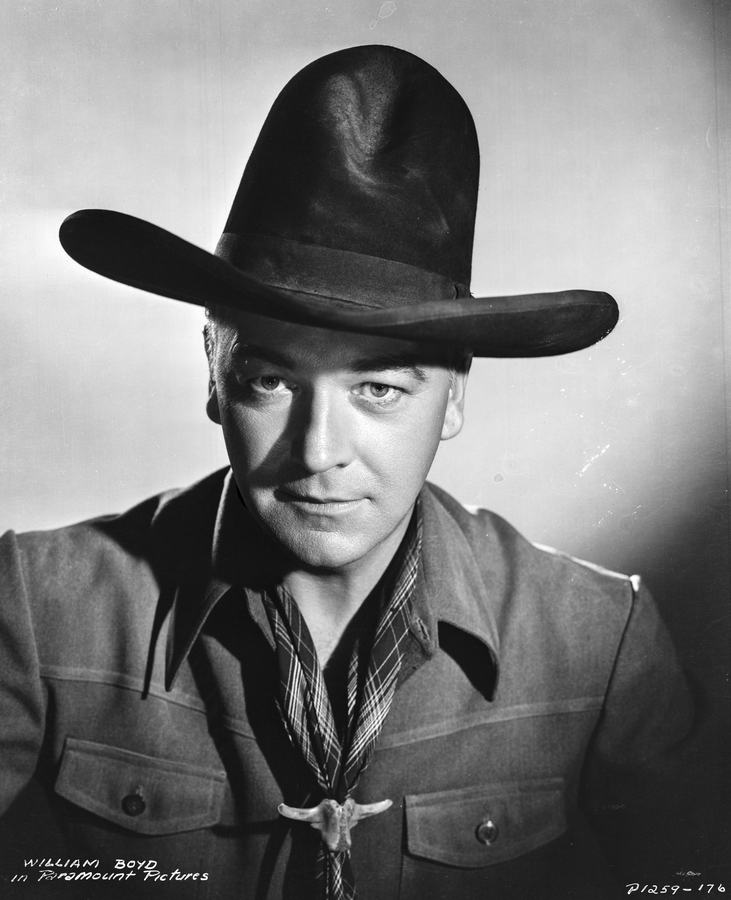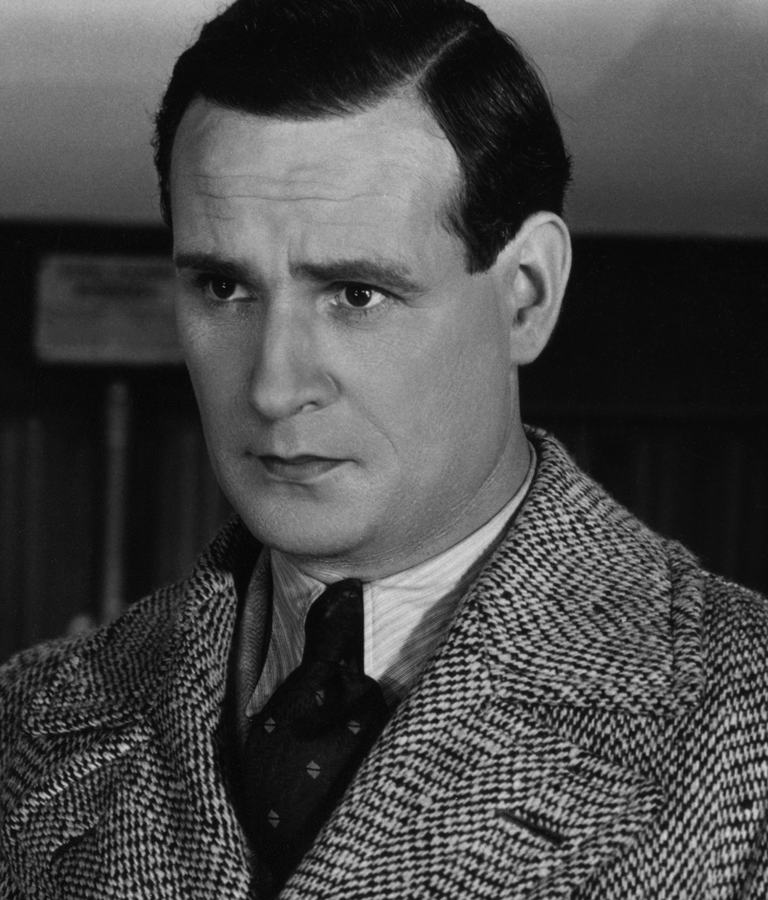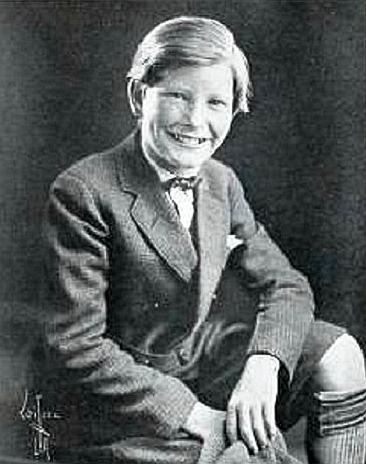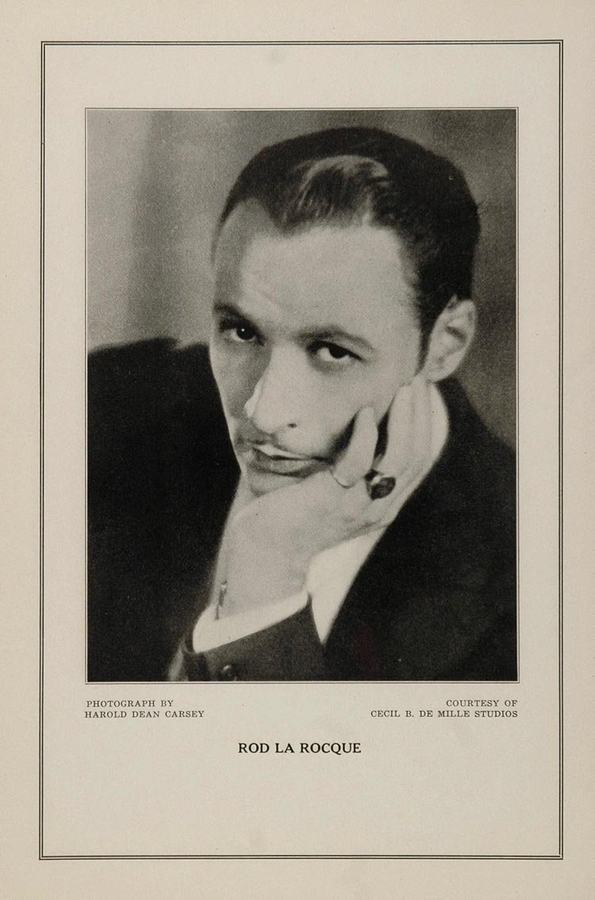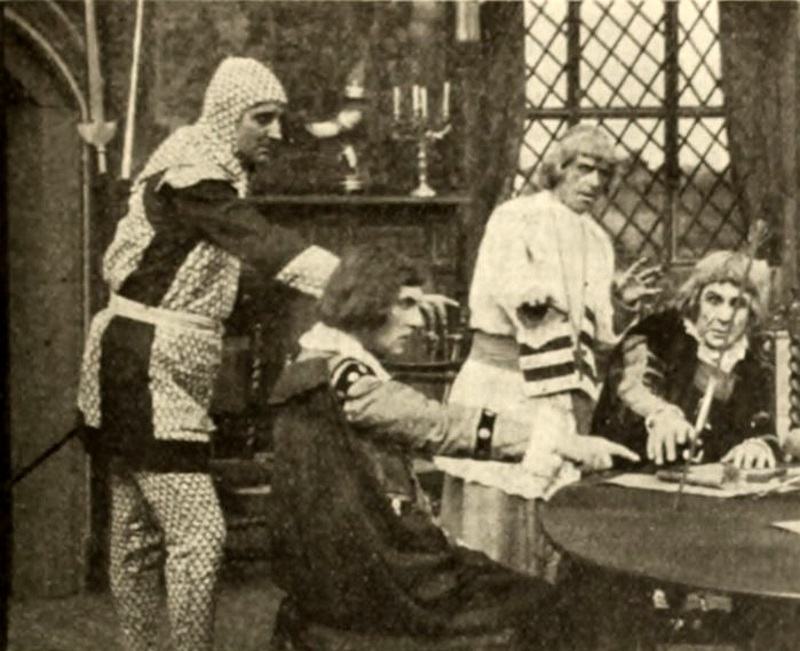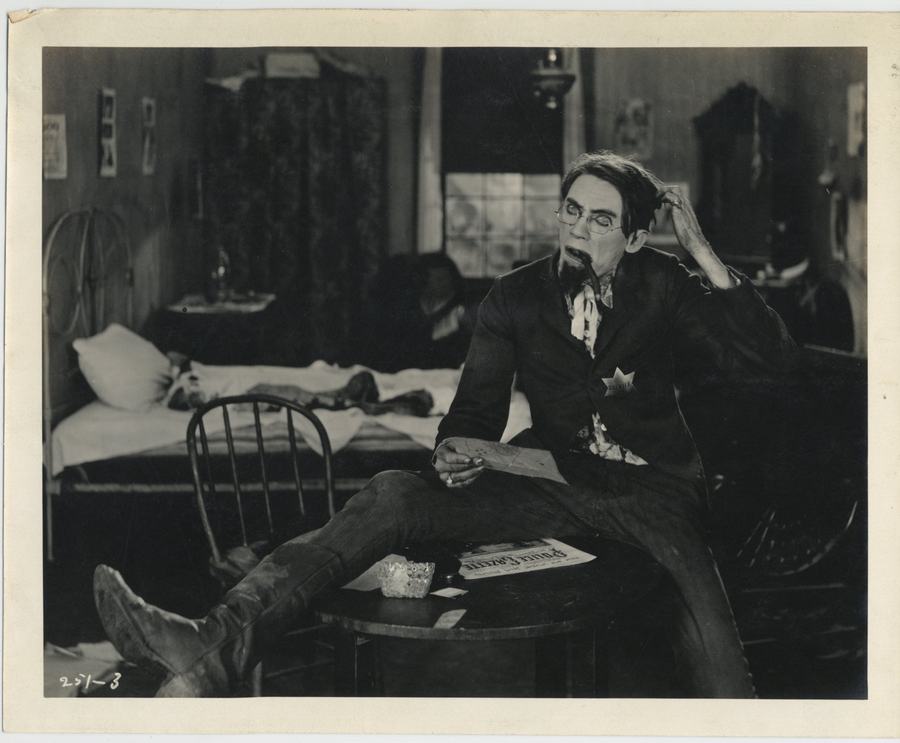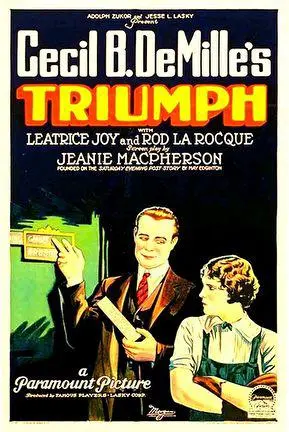
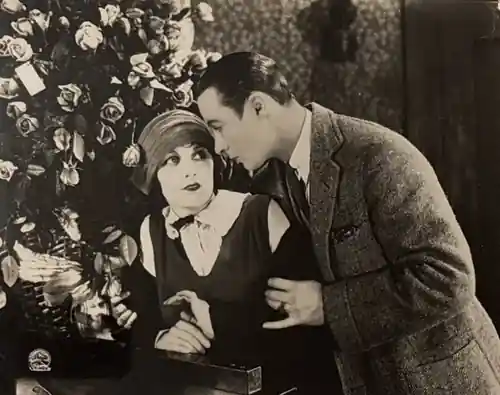
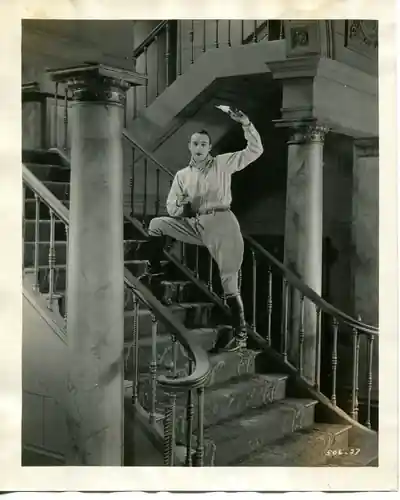
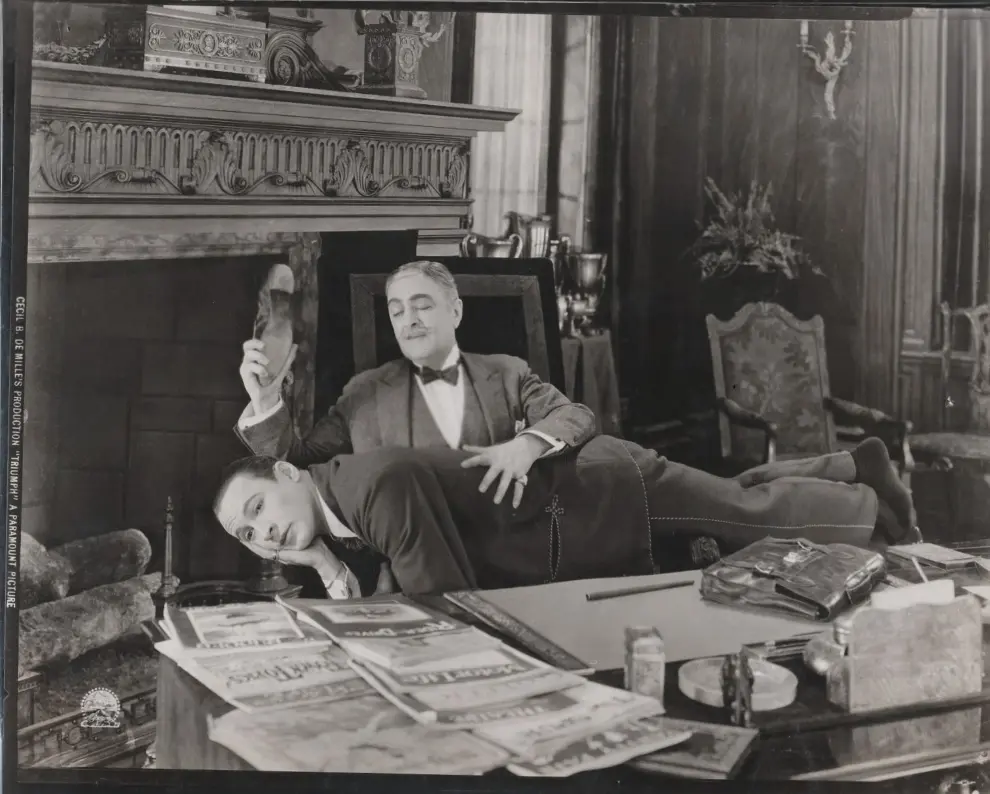
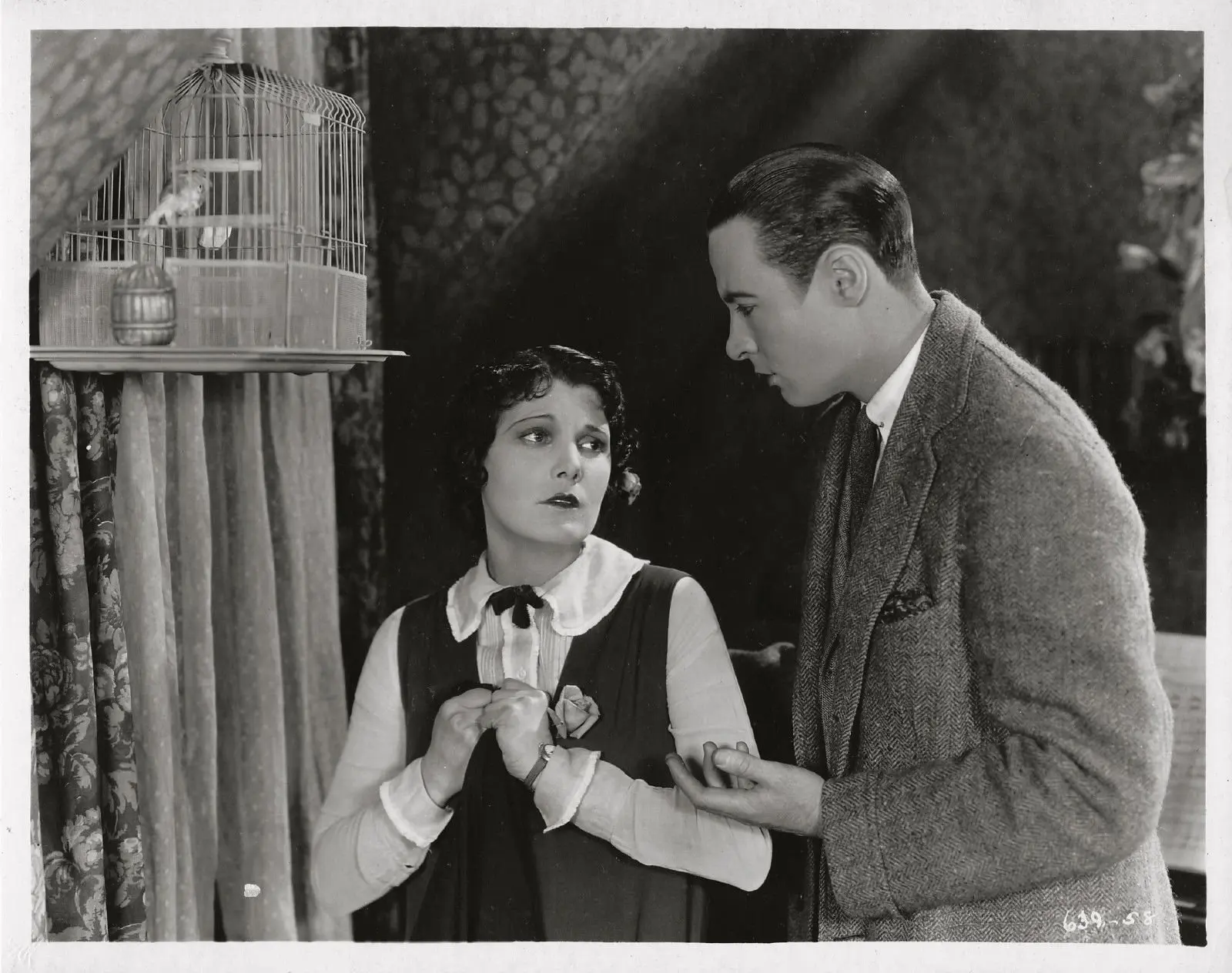
The will states that the tin factory goes to his wastrel son King if he'll settle down, or else to his son by another marriage, factory manager William. Both sons want factory forewoman Ann.
In the pantheon of silent cinema, few directors navigated the precarious bridge between high-concept spectacle and intimate character drama with the dexterity of Cecil B. DeMille. His 1924 opus, Triumph, stands as a fascinating artifact of an era grappling with the rapid mechanization of the American soul. It is a fi...
publicity
still_frame
publicity
still_frame

Comparing the cinematic DNA and archive impact of two defining moments in cult history.
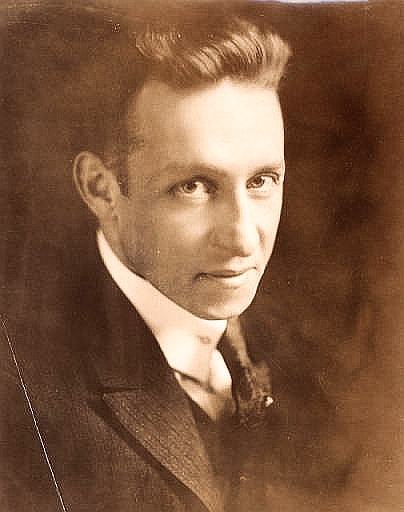
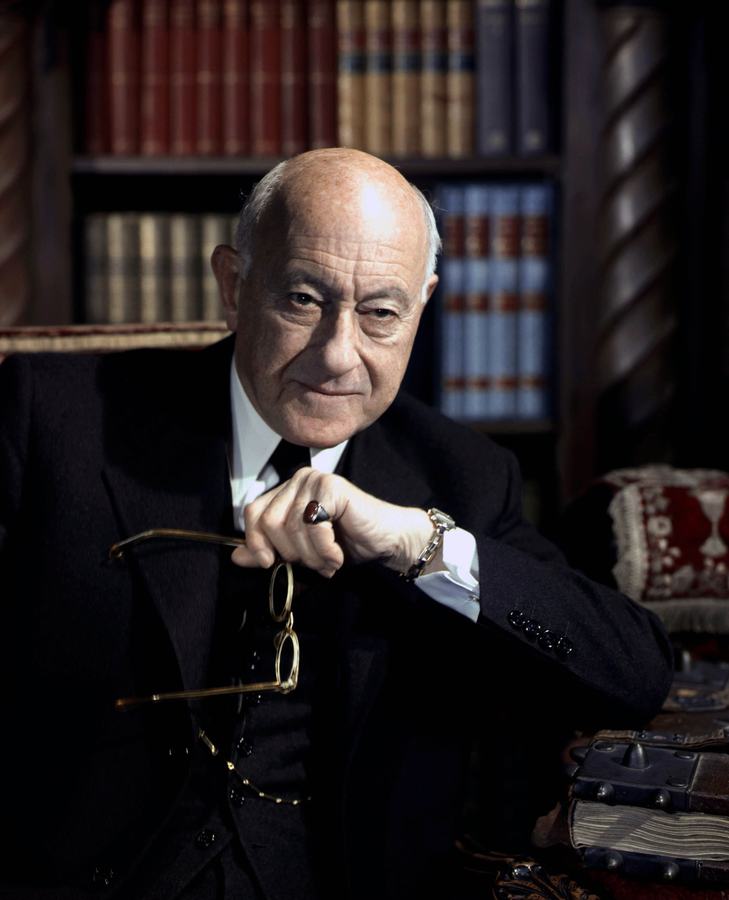
Cecil B. DeMille
Cecil B. DeMille
Community
Log in to comment.
" In the pantheon of silent cinema, few directors navigated the precarious bridge between high-concept spectacle and intimate character drama with the dexterity of Cecil B. DeMille. His 1924 opus, Triumph, stands as a fascinating artifact of an era grappling with the rapid mechanization of the American soul. It is a film that eschews the biblical grandiosity often associated with DeMille, opting instead for a gritty, soot-stained exploration of the industrial complex. Here, the clinking of tin c..."
Jeanie Macpherson, May Edginton
United States