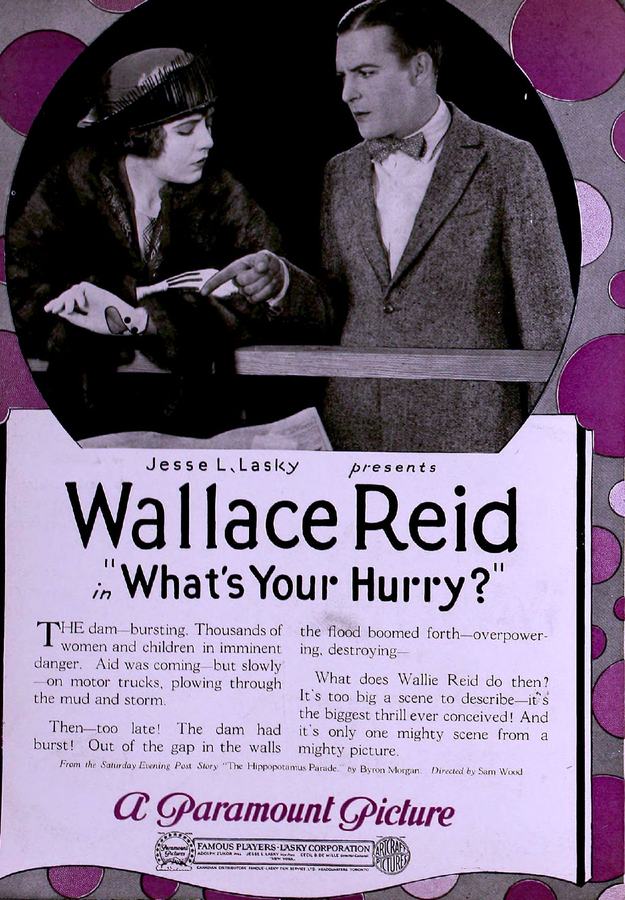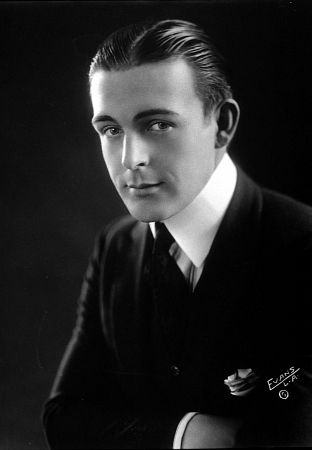
Wallace Reid
actor, director, writer
- Birth name:
- William Wallace Reid
- Born:
- 1891-04-15, St. Louis, Missouri, USA
- Died:
- 1923-01-18, Los Angeles, California, USA
- Professions:
- actor, director, writer
Biography
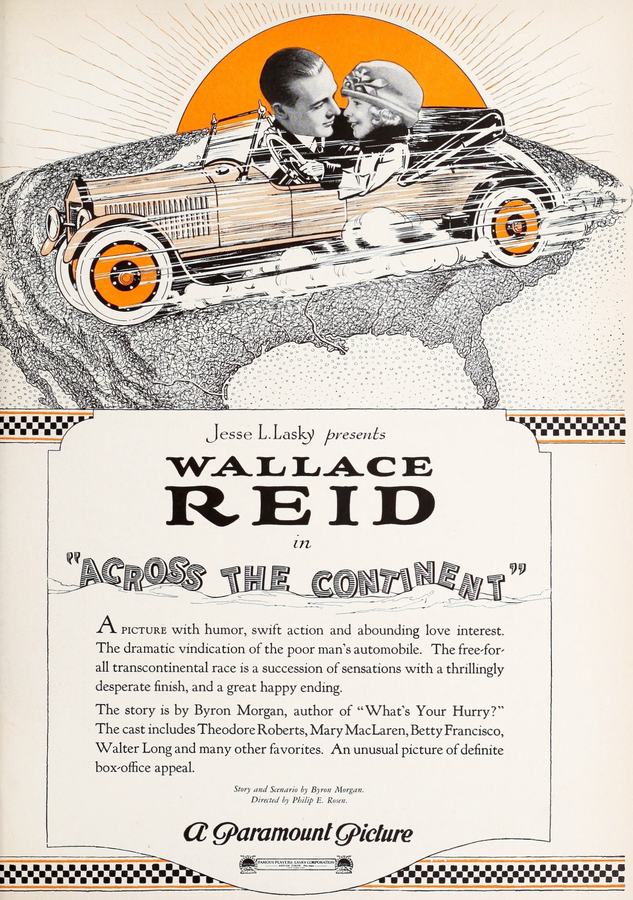
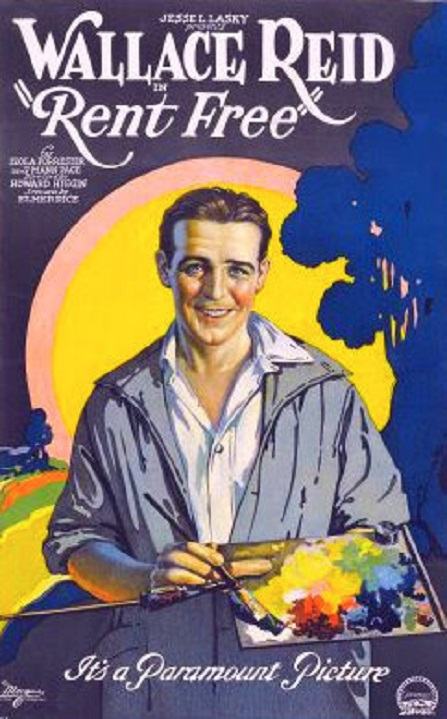
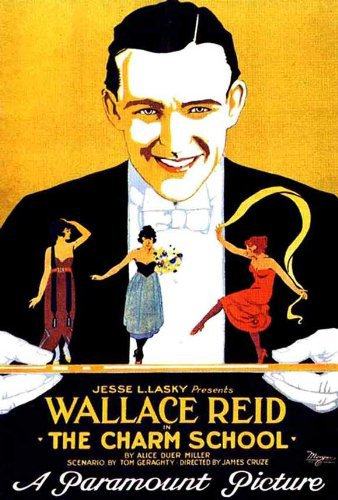
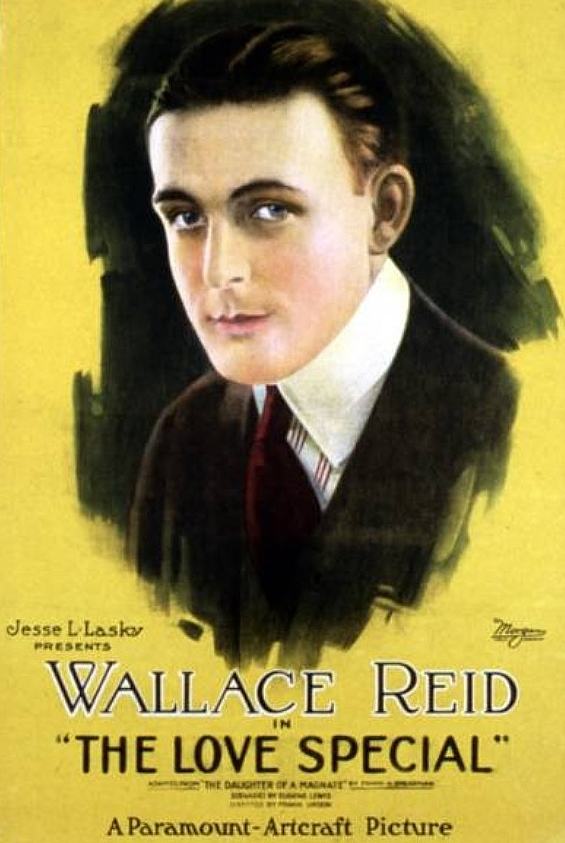
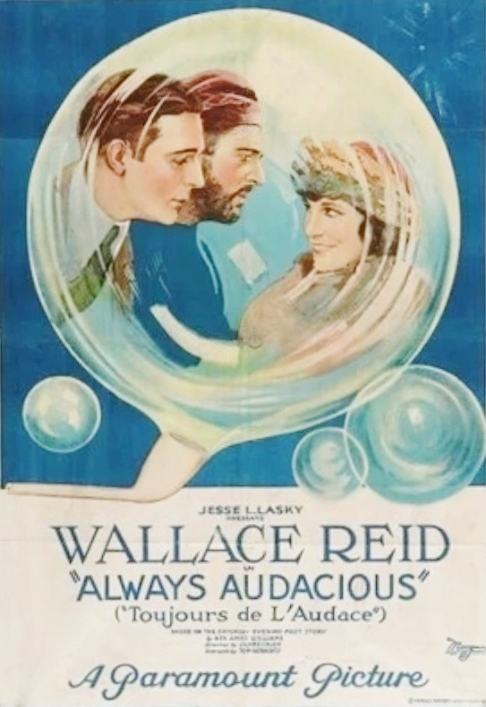
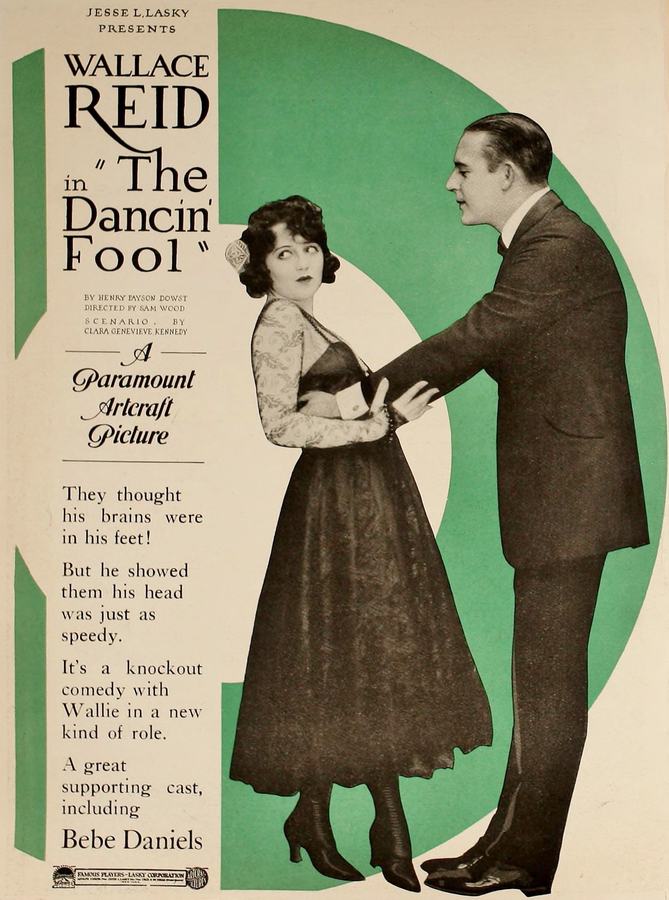
Wallace Reid, born into a family steeped in theatrical tradition, first graced stages as a toddler, sharing the spotlight with his actor-parents. While his early years saw him mastering music and sports in private schools, a pivotal shift occurred in 1910 when his father joined the Selig Polyscope Company in Chicago. Intrigued by the mechanics of filmmaking, Wallace aspired to be a cinematographer, but his striking physique repeatedly drew him into acting roles—a path he resisted. His screen debut in *The Phoenix* (1910), as a youthful reporter, marked an uneasy start; he craved the technical arts of direction or writing. Bringing his father’s play *The Confession* to Vitagraph, he sought creative control but was cast in the lead, a pattern that followed as he transitioned from minor roles to headlining films alongside Florence Turner. At Reliance, he balanced acting with scriptwriting, yet his true breakthrough came in Hollywood, where Universal’s Otis Turner hired him for a chaotic mix of roles—assistant director, camera operator, and scribe. Though he thrived in this behind-the-scenes chaos, he was soon lured back to center stage. In 1913, he wed Dorothy Davenport, a stage-trained star 17 years his junior, whom he both directed and co-starred with. As his acting roles expanded, he sacrificed salary and screen time to collaborate with D.W. Griffith on the groundbreaking *The Birth of a Nation* (1915), a decision that cemented his fame but sidelined his ambitions as a filmmaker. Under Jesse L. Lasky’s contract with Famous Players, Reid became a matinée idol, embodying American idealism in over 60 films, including *Intolerance* (1916) and *The Squaw Man’s Son* (1917). His daredevil car films, like *The Roaring Road* (1919) and *Double Speed* (1920), electrified audiences with high-speed chases and perilous stunts. Despite his stardom, Reid’s life unraveled in private. A 1919 train crash on *The Valley of the Giants* left him injured, and the studio’s morphine-laced solution to keep him working spiraled into addiction. By 1922, his health deteriorated as he battled morphine and alcohol, culminating in a string of hospital stays. His final film, *Thirty Days* (1922), saw him barely able to perform. On January 18, 1923, at age 31, he died in Dorothy’s arms at a San Francisco sanitarium, a casualty of fame’s hidden toll. Reid’s tragic arc mirrored Hollywood’s own rise, leaving a legacy of brilliance cut short.
Filmography
In the vault (13)