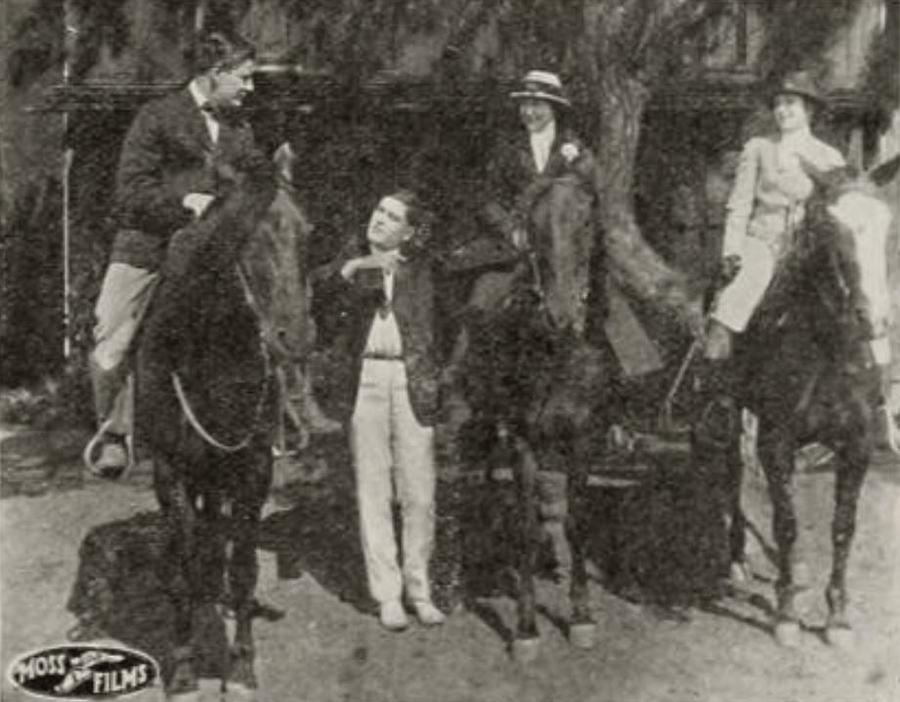
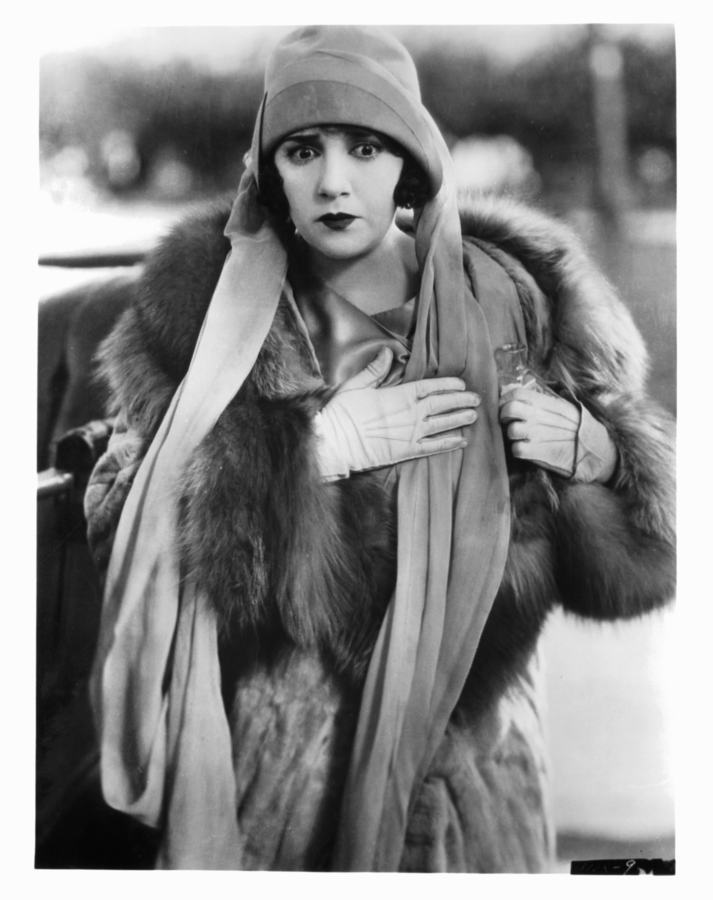
Fresh from the country, Sylvester Tibble secures a six dollar-a-week job at his Uncle Enoch Jones's antiquated jug business. One night he drifts into a cabaret and meets dancer Junie Budd who teaches him her profession.
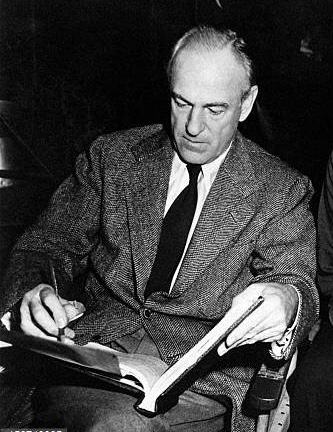
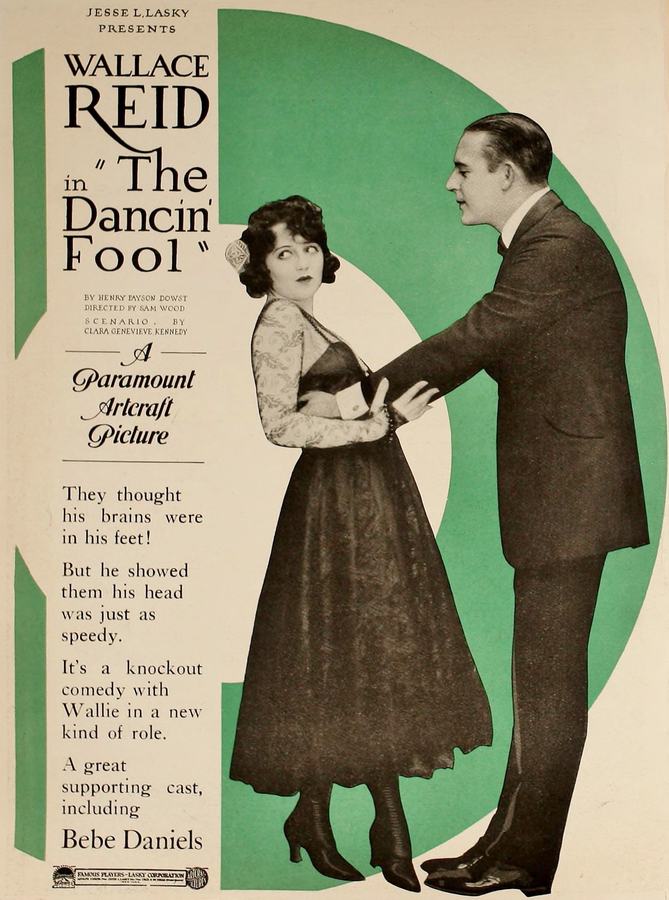
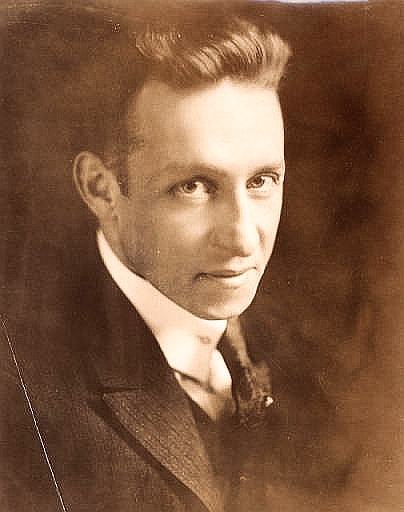
Broadway chandeliers once dripped with enough wattage to bleach ambition itself, yet few beams lingered on the lanky silhouette of Sylvester Tibble—the hero of The Dancin' Fool. Emerging in March 1922, this Paramount silent arrived when newspapers still hashed out whether jazz was sedition or salvation. Director Sam W...

still_frame
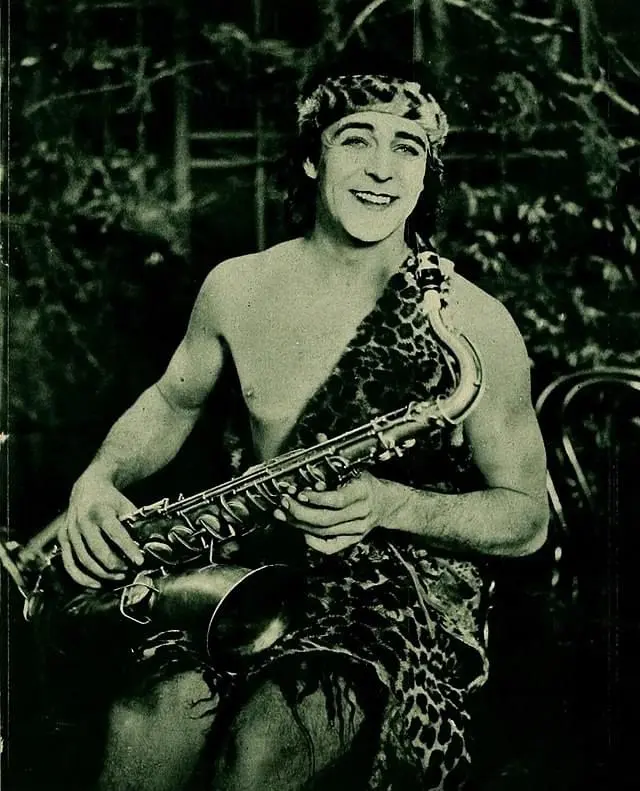
still_frame
Comparing the cinematic DNA and archive impact of two defining moments in cult history.
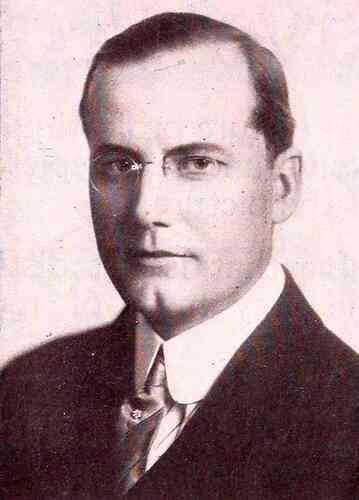
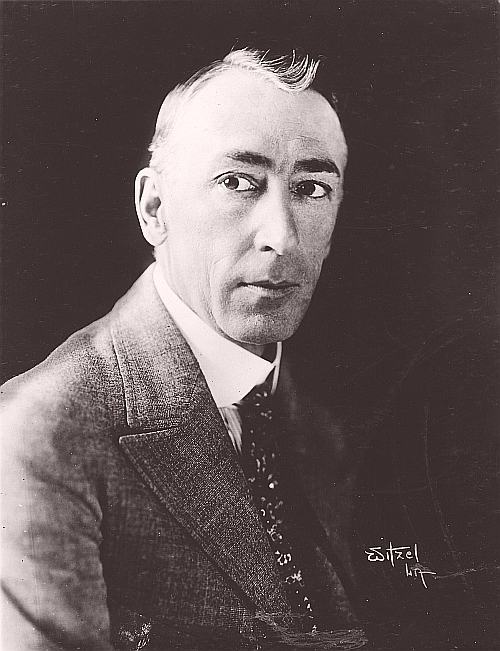
Sam Wood
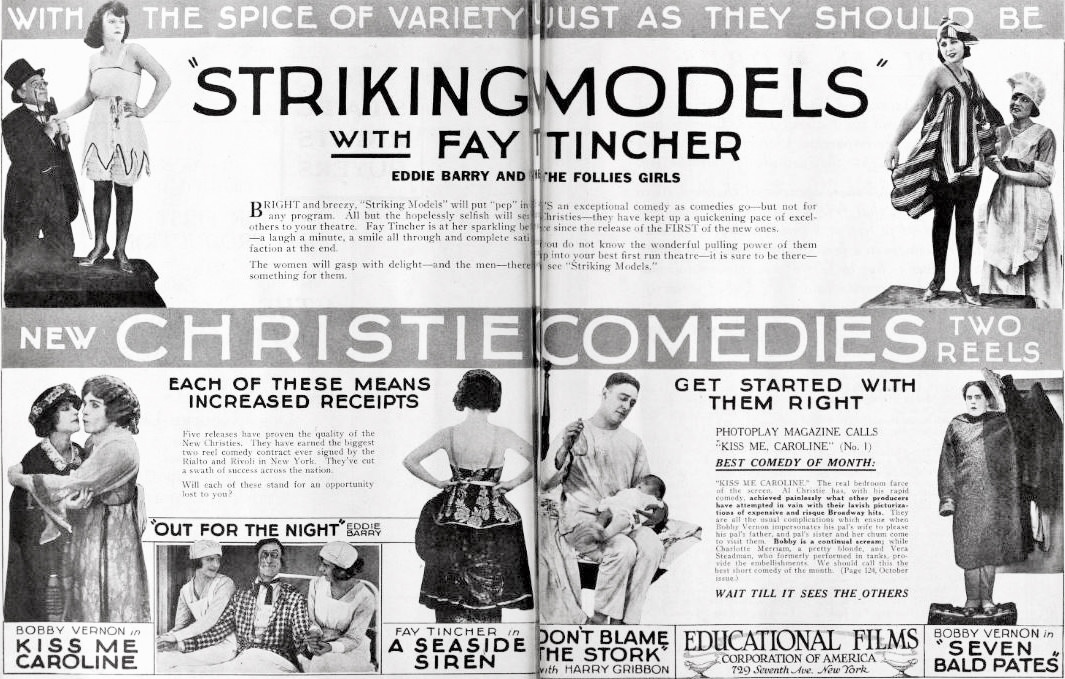
Reggie Morris
Community
Log in to comment.
" Broadway chandeliers once dripped with enough wattage to bleach ambition itself, yet few beams lingered on the lanky silhouette of Sylvester Tibble—the hero of The Dancin' Fool. Emerging in March 1922, this Paramount silent arrived when newspapers still hashed out whether jazz was sedition or salvation. Director Sam Wood, never shy about marrying populist sentiment to nimble-footed spectacle, treats the jug business like a church relic and the cabaret like a revival tent, letting each realm see..."
Henry Payson Dowst, Clara Genevieve Kennedy
United States