
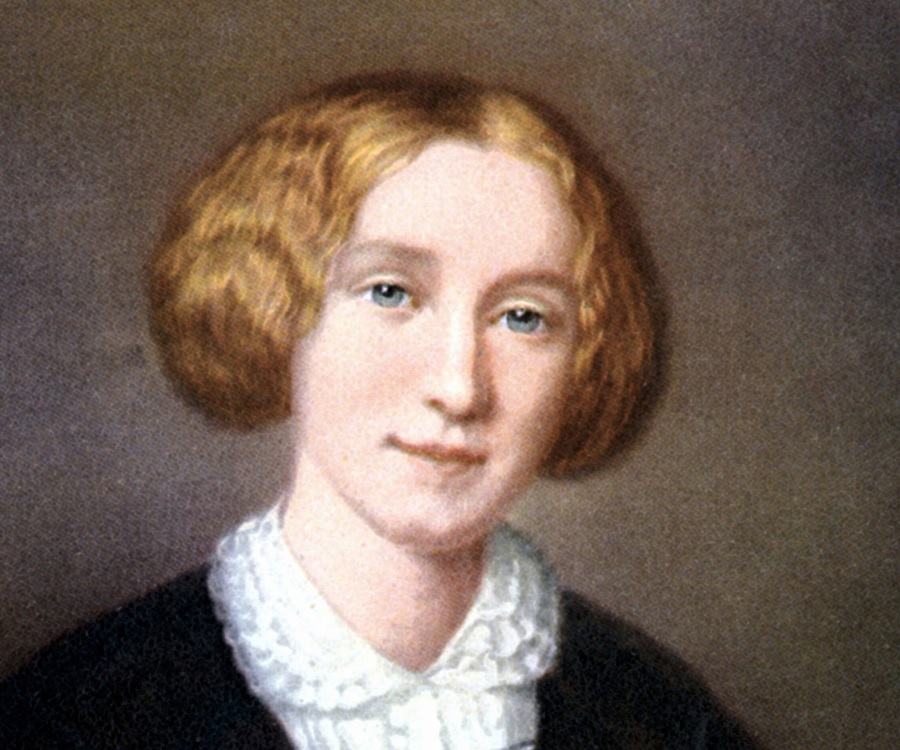
George Eliot
writer
- Birth name:
- Mary Ann Evans
- Born:
- 1819-11-22, Chilvers Coton, Warwickshire, England, UK
- Died:
- 1880-12-22, London, England, UK
- Professions:
- writer
Biography
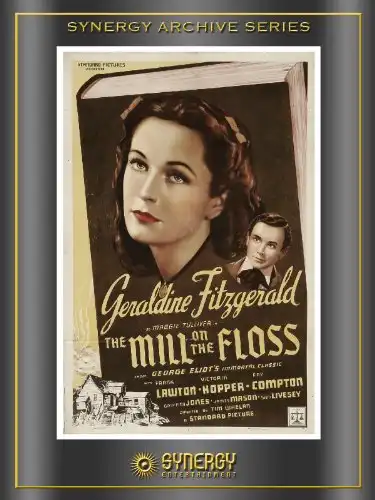
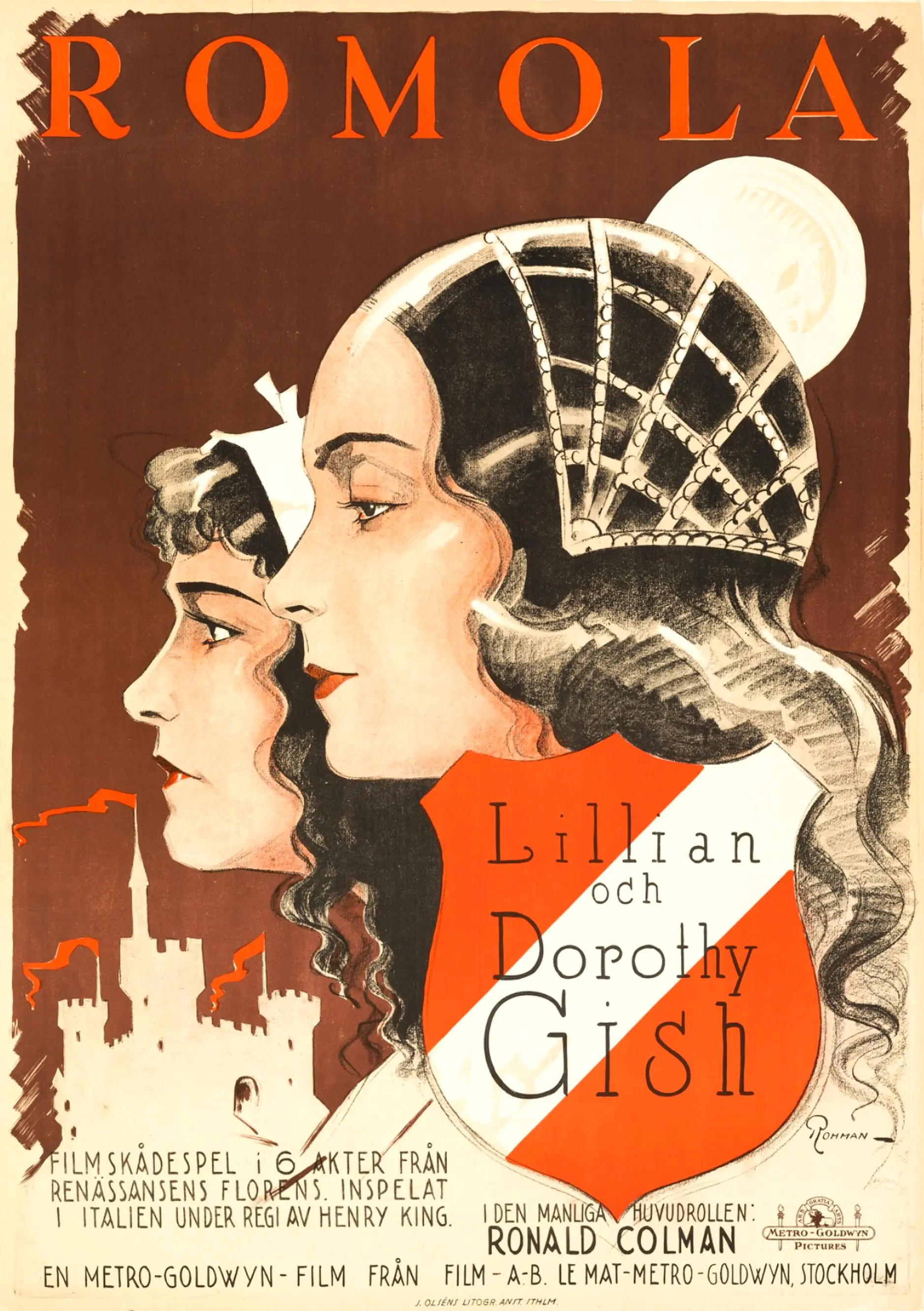
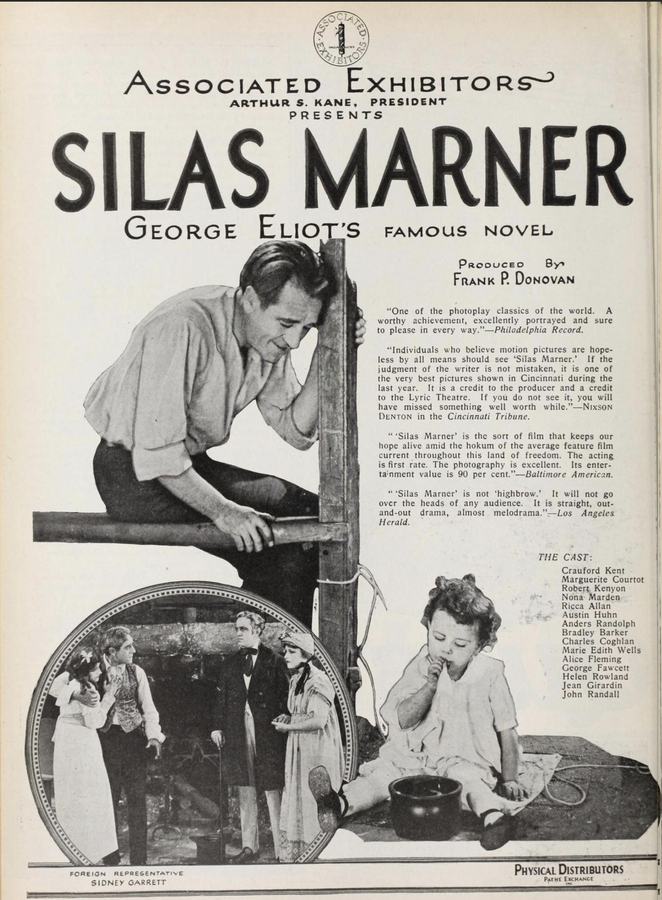
On a chill November day in 1819, among the grazing lands of Arbury Hall, Mary Anne Evans arrived—fifth child of estate-manager Robert Evans and his wife Christina. The rambling Warwickshire countryside became her first library: the child wandered the Hall’s shelves, devoured Greek myths by candle-glow, and quietly vowed that tragedy’s grandeur would one day live on her own pages. Boarding-school life began at Miss Latham’s, shifted in 1828 to Mrs. Wallington’s in Nuneaton, and later to Miss Franklin’s in Coventry. Between French verbs and piano scales, Mary Anne bonded with Maria Lewis, the evangelical governess whose fervor sharpened the girl’s appetite for moral questions. At nineteen, maternal death yanked her from classrooms. Home again, she traded mourning for manuscripts while her father funneled tutors—and Italian, German, and stacks of books—her way. When Robert Evans resettled the family at Foleshill, the parlor filled with freethinkers; pews, however, emptied of one congregant. Mary Anne’s break with the chapel strained ties with both her devout father and Maria Lewis, but it also nudged her toward the radical scholarship of David Strauss. By 1844 she was wrestling his *Das Leben Jesu* into English prose. Her father’s death loosed her abroad. Switzerland’s glaciers offered solace; Geneva’s salons offered ideas. Returning in 1850, she slipped into London’s intellectual swirl and, as Marian Evans, accepted John Chapman’s invitation to steer the *Westminster Review*. Circulation soared. Soon she met critic George Lewes—married in law only. Their minds sparked first, hearts second. In 1854 they eloped into unwed cohabitation, scandalizing drawing rooms across the capital and losing invitations overnight. To shield her fiction from the same prejudice, Marian resurrected a masculine alias: George Eliot. *Scenes of Clerical Life* (1856) slipped quietly into print; *Adam Bede* (1859) thundered. By *The Mill on the Floss* (1860) the masquerade was pierced, yet sales climbed. *Silas Marner* (1861) and the Italian epic *Romola* (1862-63) followed; after a three-year gestation, *Felix Holt, the Radical* (1866) rode the reformist tide. *Middlemarch*, released in eight bimonthly booklets (1871-72), crowned her reputation—and her fortune—even as kidney stones gnawed her strength. She closed her fictional career with *Daniel Deronda* (1876). Lewes’s death in 1878 hollowed her days. In May 1880 she wed John Walter Cross, a loyal friend of the couple; seven months later, on 22 December, she died quietly in Chelsea. The woman born Mary Anne Evans, who had become first Marian Evans and finally George Eliot, left behind not just a name but a reshaped landscape of English fiction.
Filmography
Written (3)
Knowledge Base