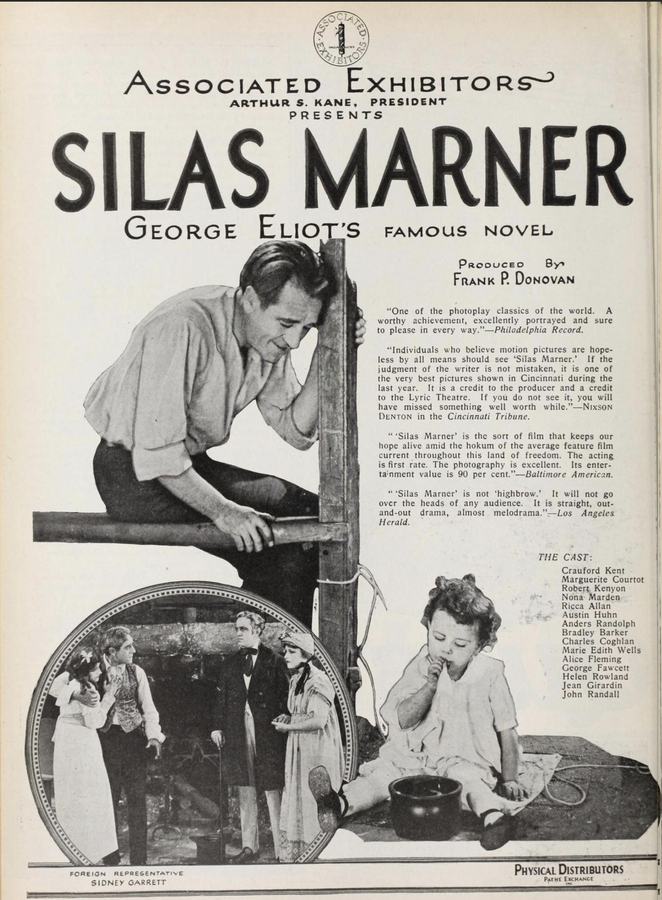
After being wrongly accused of robbery and murder, a kind, gregarious weaver becomes a nasty, bitter, lonely old miser..
A loom that once sang hymns now counts graves. The spindle flicks moon-dust across the frame, and every warp-thread tightens like a verdict. In Frank P. Donovan’s 1922 transcription of George Eliot’s moral fable, the camera itself becomes a weaver, shuttling between candle-gold and cellar-shadow, knotting trauma to t...
production_art
Comparing the cinematic DNA and archive impact of two defining moments in cult history.
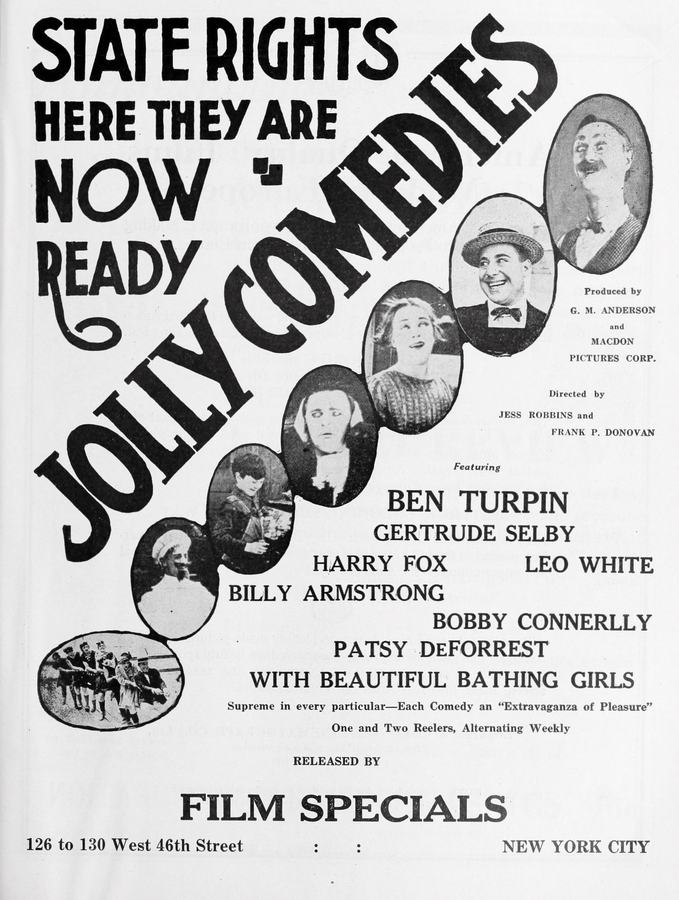
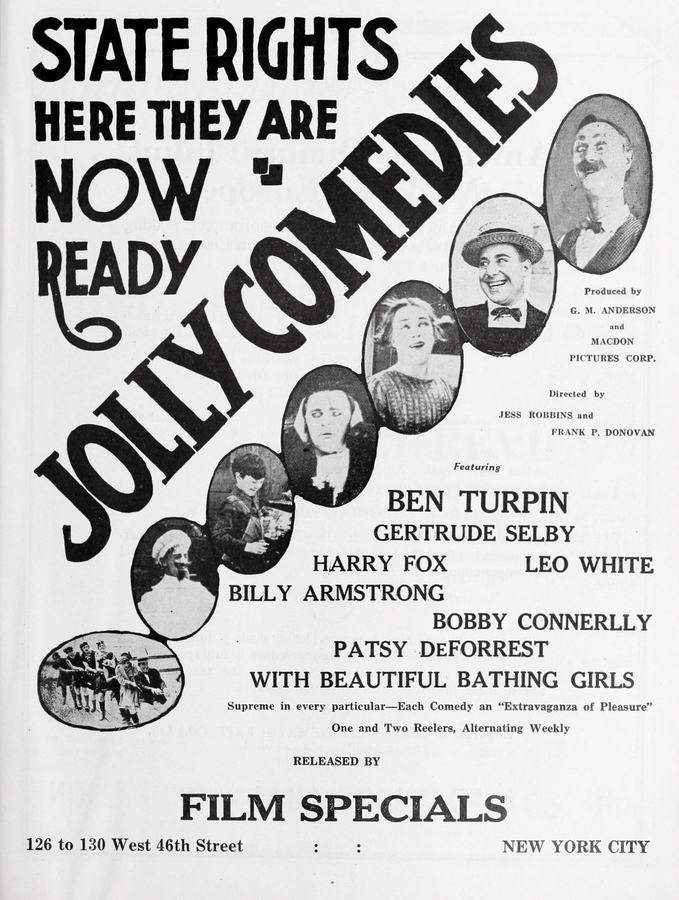
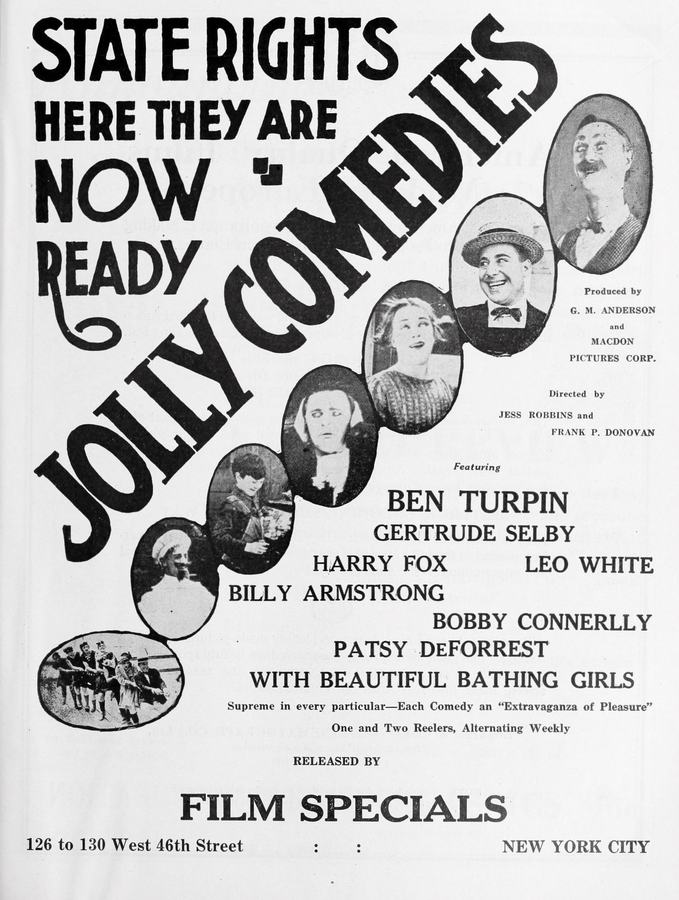
Frank P. Donovan
Wilfred Lucas
Community
Log in to comment.
" A loom that once sang hymns now counts graves. The spindle flicks moon-dust across the frame, and every warp-thread tightens like a verdict. In Frank P. Donovan’s 1922 transcription of George Eliot’s moral fable, the camera itself becomes a weaver, shuttling between candle-gold and cellar-shadow, knotting trauma to tenderness with a fluency most early silents never dared. John Randall’s Silas arrives onscreen half silhouette, half rumor: cheekbones honed by betrayal, eyes flickering like trap..."
Austin Hume
George Eliot, Frank P. Donovan
United States
Deep dive into the cult classic
Discover similar cinematic experiences
A Directorial Spotlight on Frank P. Donovan