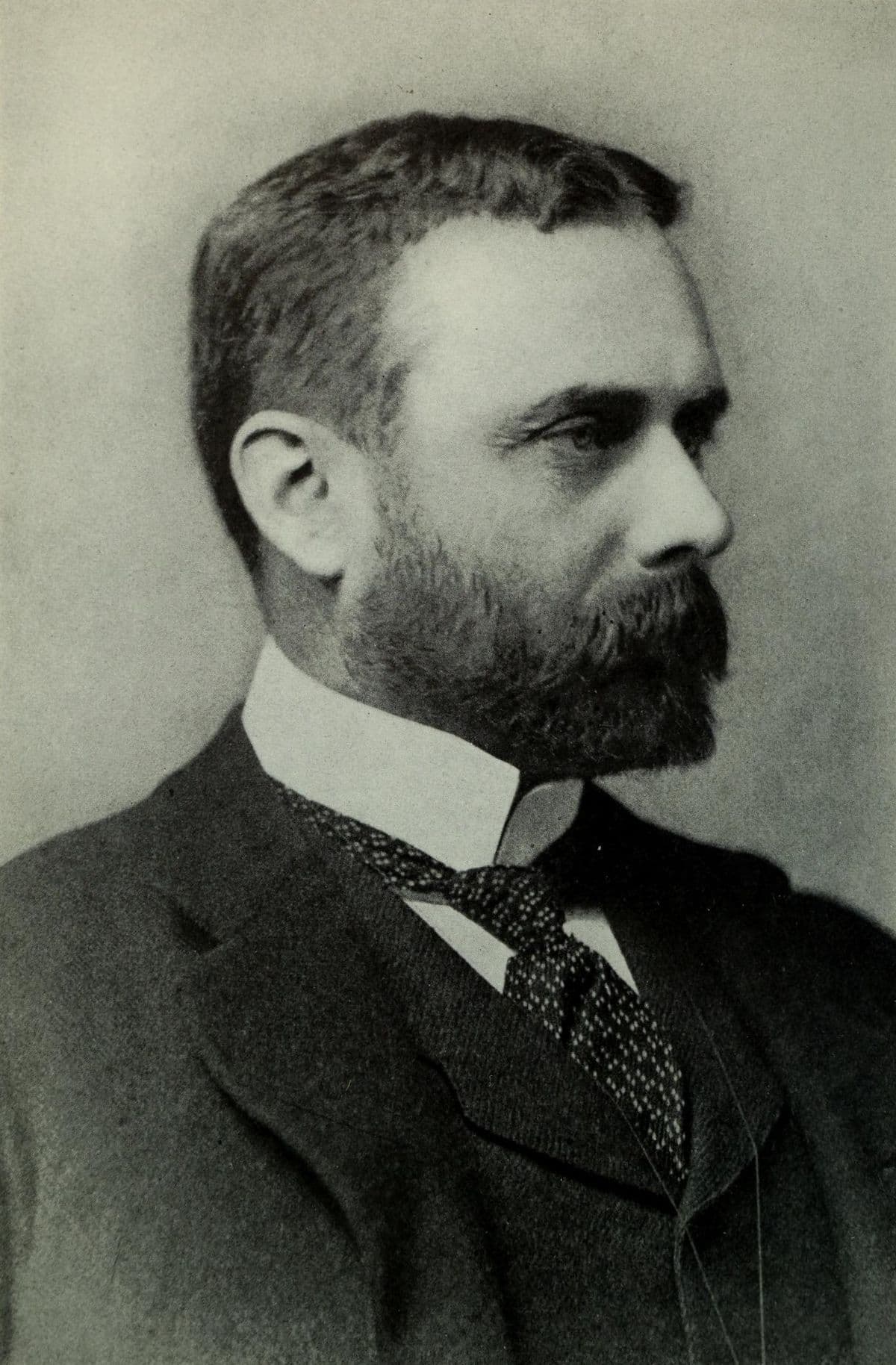
Gilbert Parker
writer
- Birth name:
- Horatio Gilbert George Parker
- Born:
- 1862-06-30, Camden East, Ontario, Canada
- Died:
- 1932-09-06, London, Ontario, Canada
- Professions:
- writer
Biography
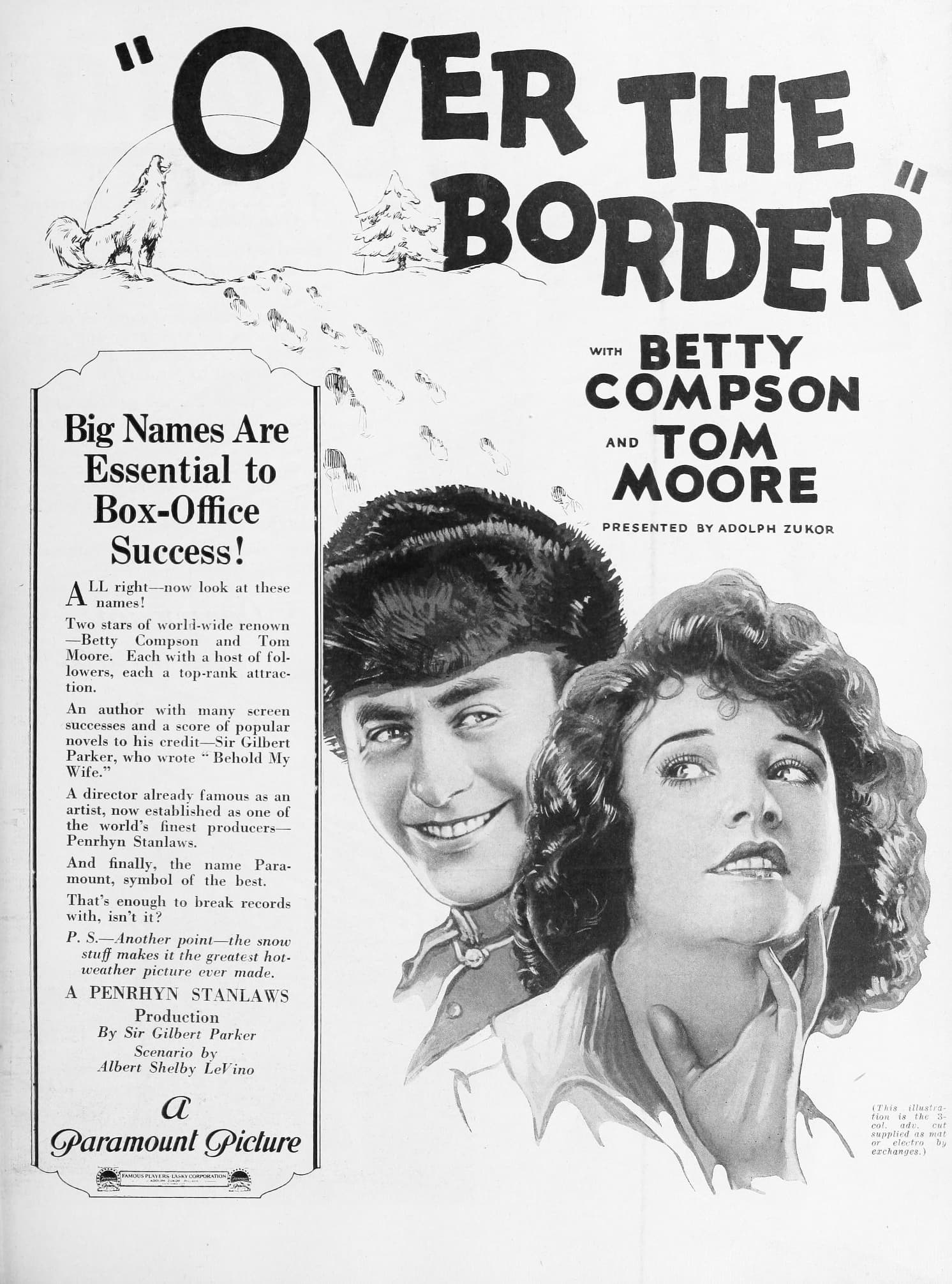
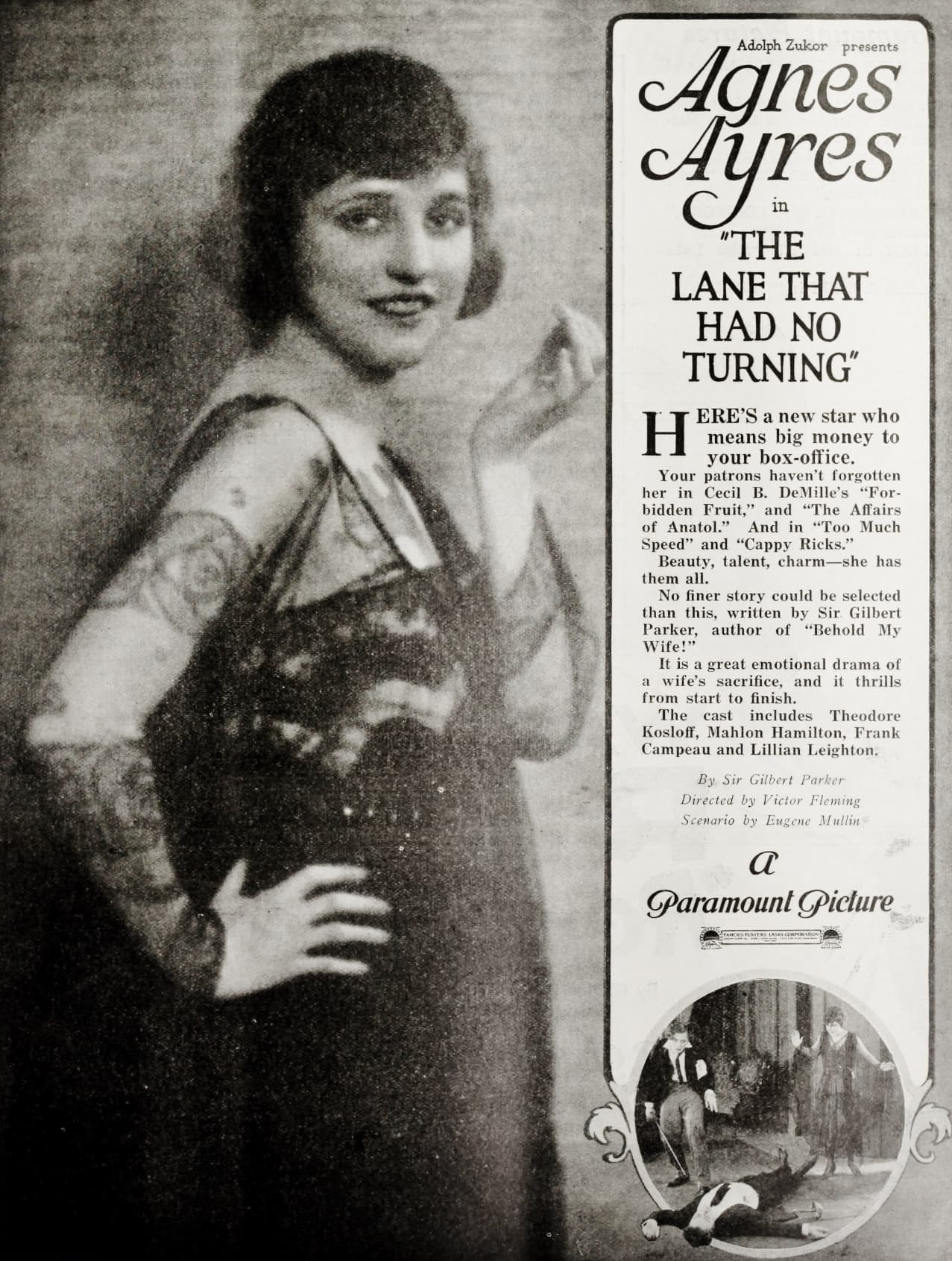
A log-crib cradle in Camden East, Ontario, rocked Gilbert Parker on 23 November 1862. By the time his pulse stilled seventy years later in London, Ontario, that same heart had beaten in Sydney newsrooms, along Arctic rivers, beneath Versailles chandeliers, and on the green benches of the British House of Commons. Schooling in Ottawa and Trinity College, Toronto, gave him Greek verbs; wanderlust handed him a steamer ticket to Australia in 1886. As associate editor of the Sydney Morning Herald he sharpened sentences and island-hopped the Pacific before turning north again, canoeing the Mackenzie and Yukon watersheds, filling notebooks with frost, pine resin, and the cadence of voyageurs. Back home he discovered Charles G. D. Roberts stirring a new national voice into Canadian letters; Parker answered with ink of his own. In 1889 he crossed the Atlantic for good, settling in London but writing the wild back-home rivers and timber camps into fiction that Londoners devoured—complete with the “aboot” that betrayed him every time he read aloud. The breakthrough came when he traded beaver pelts for powdered wigs: The Seats of the Mighty (1896) painted intrigue at the court of Louis XV and leapt onto American screens in 1914 with Lionel Barrymore glowering from the throne. French-Canada remained his first love—Pierre and His People (1892) galloped from page to Broadway to two Hollywood incarnations, 1914 and 1942. The Lane that Had No Turning (1900) sealed the verdict: no one else could wring such thunder out of a lonely settlement road. Marriage in 1895 to Amy Van Tine of New York bundled American railroad dollars with his own restless ambition. Elected Conservative MP for Gravesend in 1900, he swapped muslin crinolines for tariff tables, campaigning for Imperial Preference with the same flair he once conjured duels on the St. Lawrence. Knighted in 1902, he spent the next dozen years straddling fiction and Westminster, plotting political alliances by night and dictating chapters by dawn. The split focus cost him critical laurels but not popular sales: The Weavers nudged second place on the 1907 U.S. bestseller list and clung to tenth the following year; The Judgement House ranked seventh in 1913, rubbing shoulders with Churchill, Ferber, and Tarkington. Re-elected in 1906 and twice in 1910, he wielded backbench influence long after the ink in his pen had dried. On 6 September 1932 the heart that had raced through so many frontiers and parliaments finally rested in London, Ontario, leaving behind a shelf of novels whose French-Canadian heroes still stride, muskets glinting, across the snowfields of Canadian memory.
Filmography
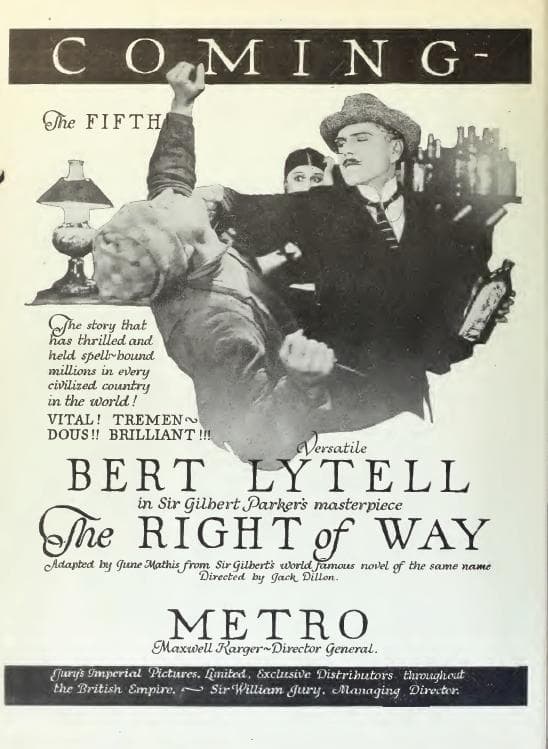
Written (5)