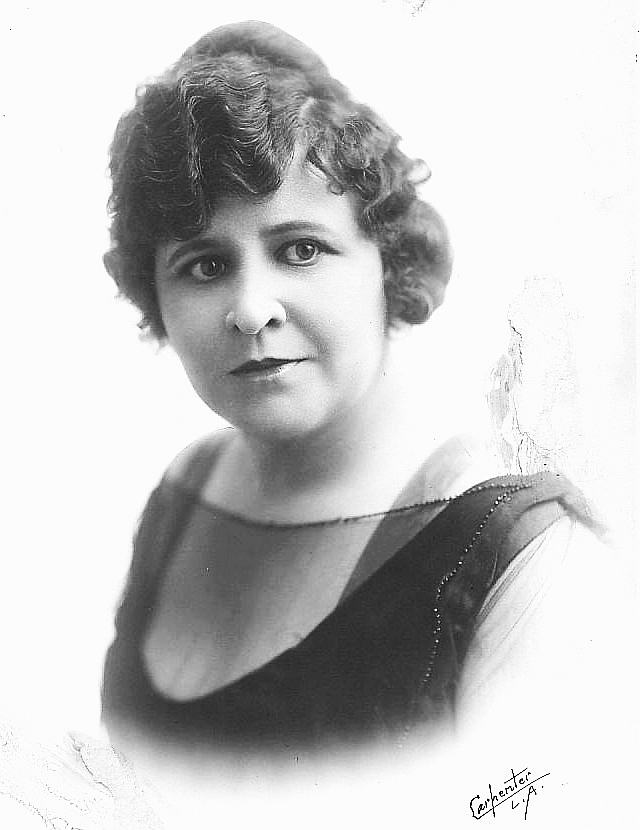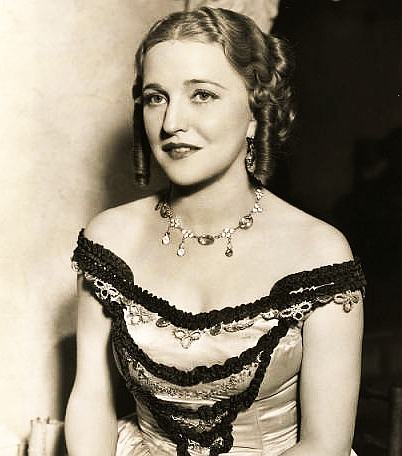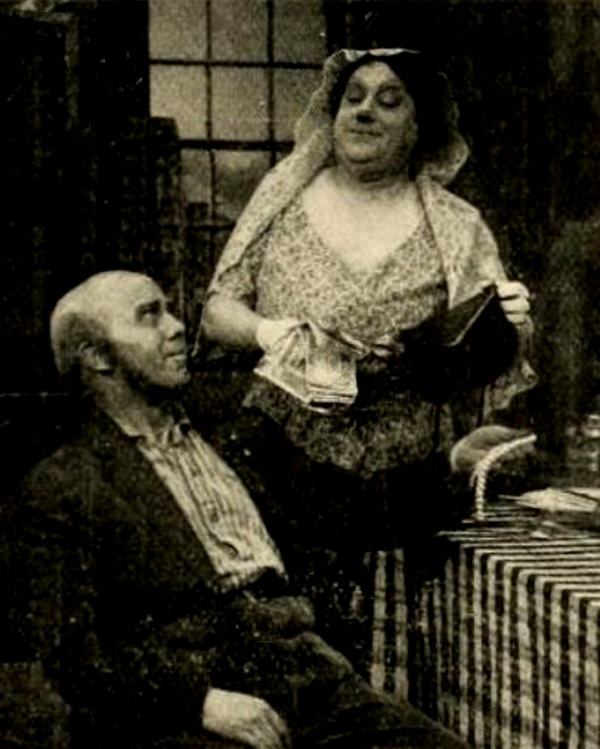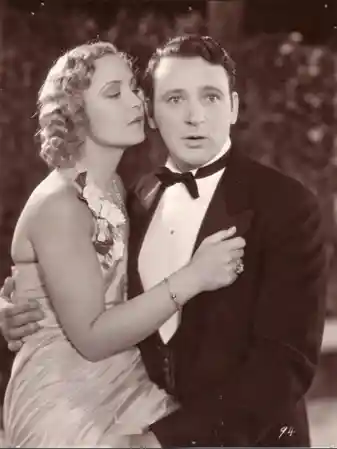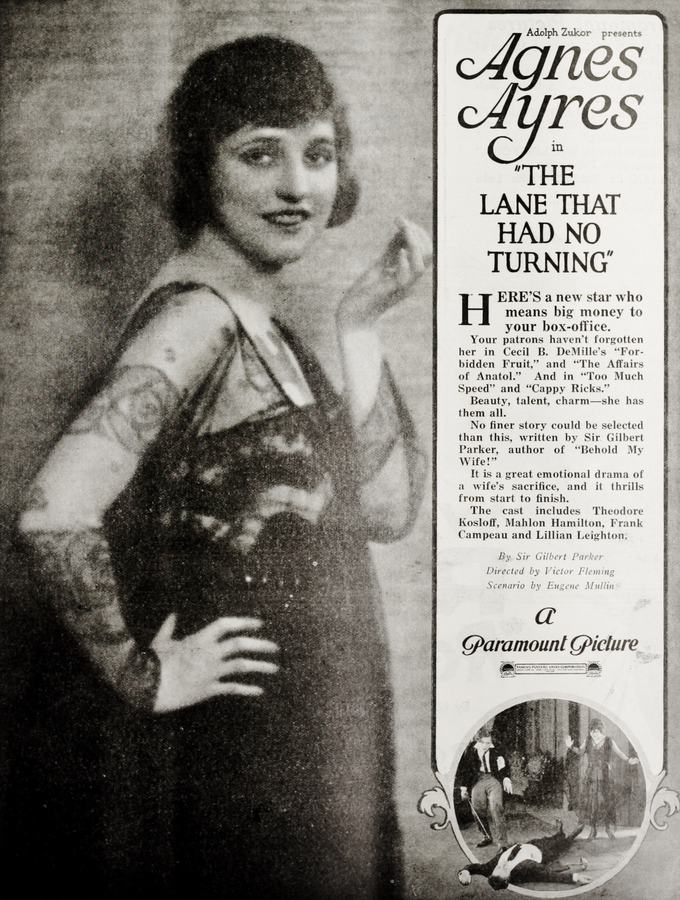
Louis Racine has inherited great wealth and married famed singer Madelinette, whom he passionately loves. But Louis carries a pair of secrets: his wealth may be taken from him if a contradictory will is found, and his health is deteriorating from a disease which will slowly turn him into a grotesquely deformed figure.
A frostbitten fever dream shot through with gold leaf and guilt—Maurice Tourneur’s 1922 curio feels like Edgar Allan Poe hitchhiking through a Québec winter clutching a valentine. There’s a moment, roughly midway through The Lane That Had No Turning, when Agnes Ayres’ Madelinette lifts her soprano against a backdrop o...
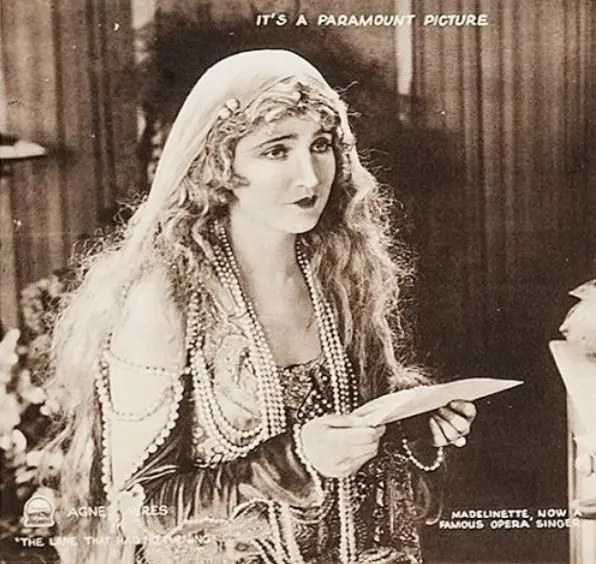
still_frame
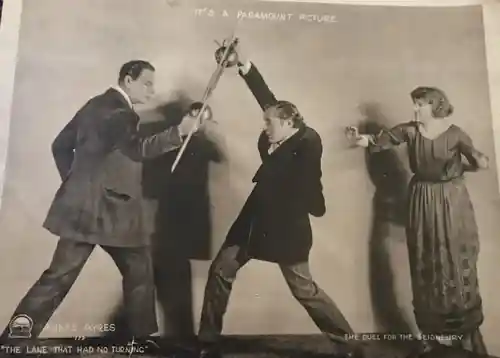
publicity
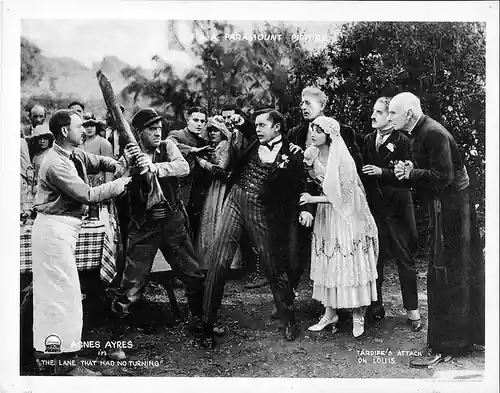
production_art
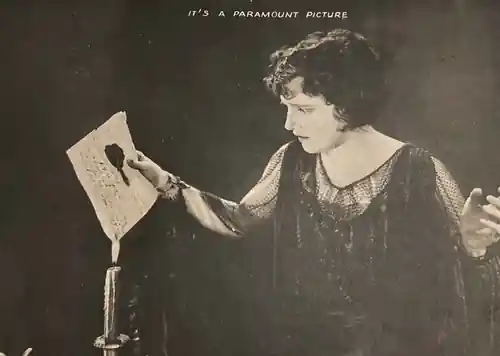
publicity
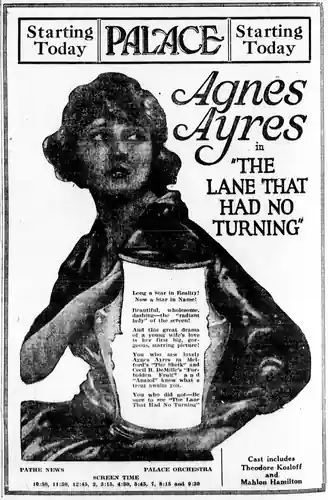
production_art
Comparing the cinematic DNA and archive impact of two defining moments in cult history.
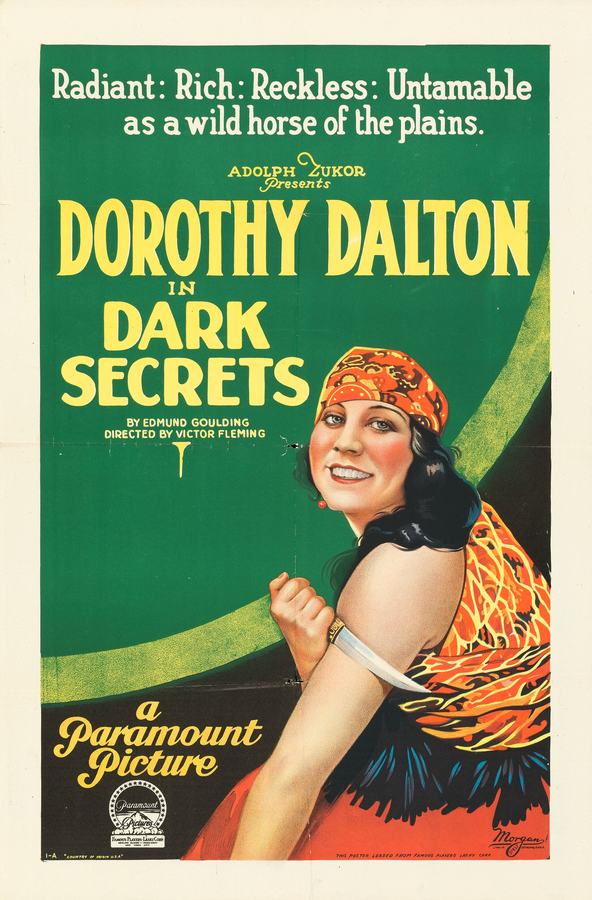
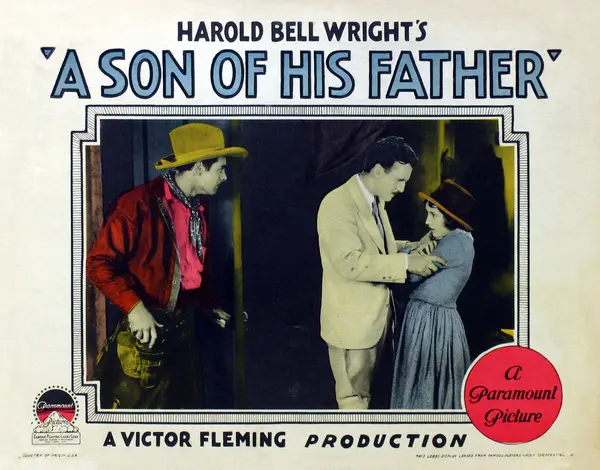
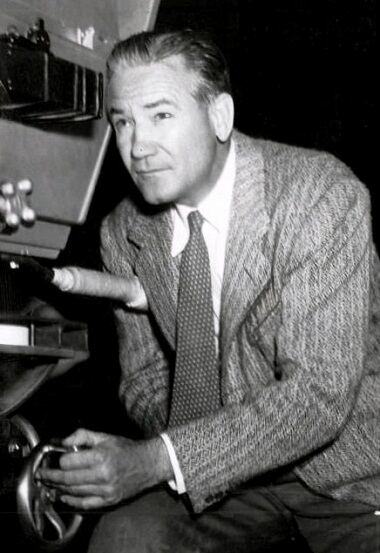
Victor Fleming
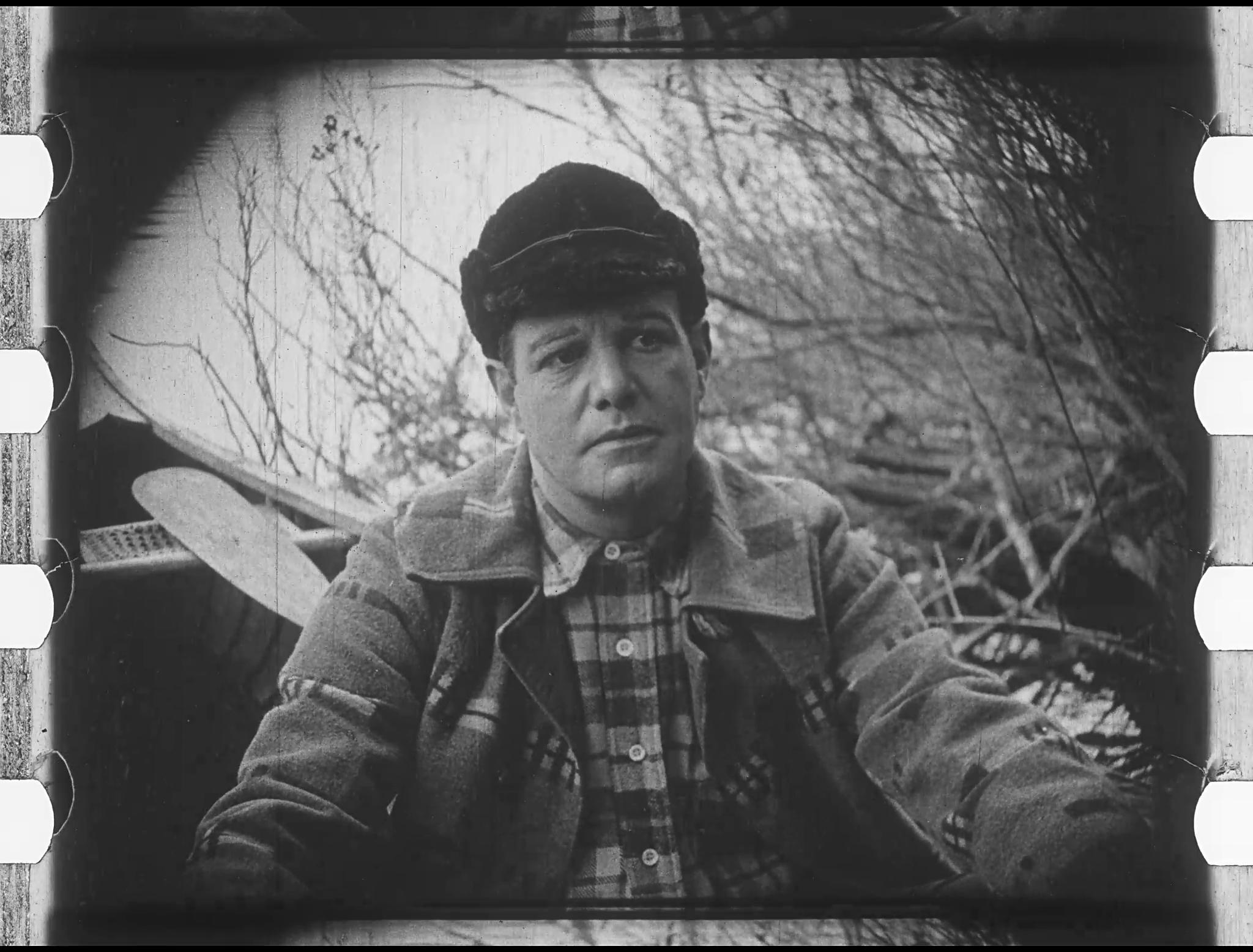
Edgar Jones
Community
Log in to comment.
" A frostbitten fever dream shot through with gold leaf and guilt—Maurice Tourneur’s 1922 curio feels like Edgar Allan Poe hitchhiking through a Québec winter clutching a valentine. There’s a moment, roughly midway through The Lane That Had No Turning, when Agnes Ayres’ Madelinette lifts her soprano against a backdrop of moonlit pine; the sound you almost hallucinate is the soft pop of champagne bubbles freezing mid-air. It’s the film’s emotional meridian—everything afterwards slides toward the a..."
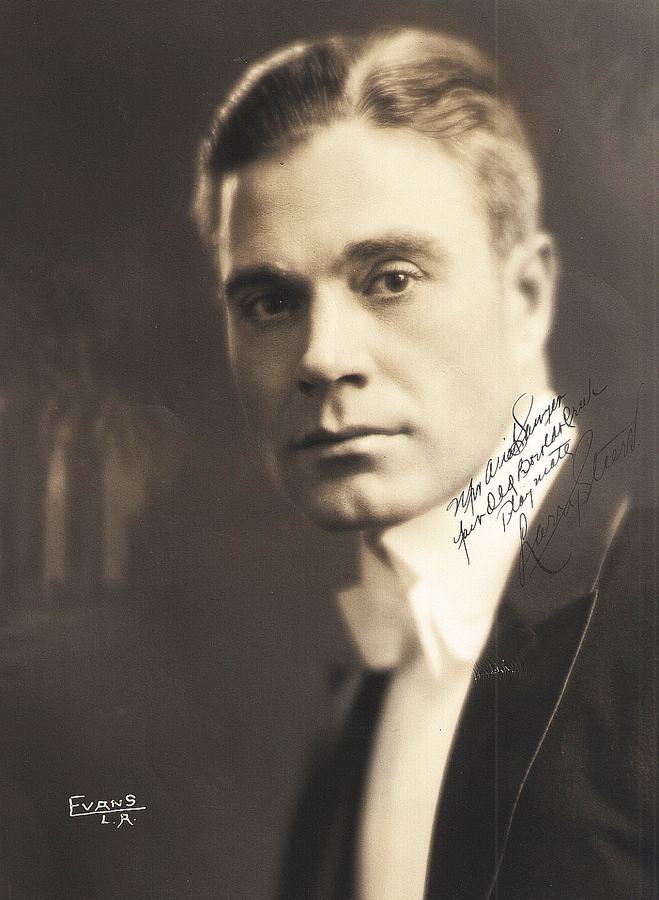
Larry Steers
Eugene Mullin, Gilbert Parker
United States
Deep dive into the cult classic
Discover similar cinematic experiences
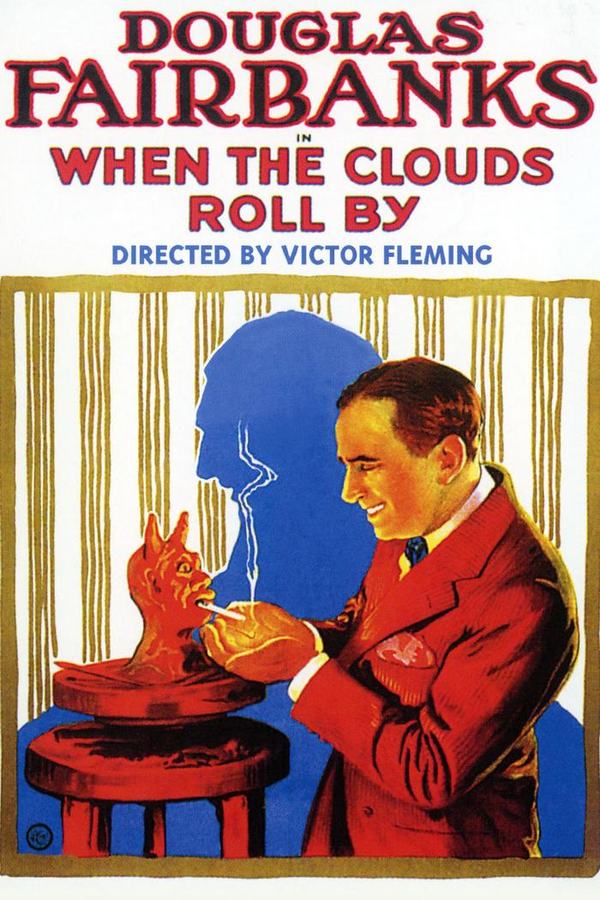
A Directorial Spotlight on Victor Fleming