
Cult Cinema
50 Forgotten Reels: How Carnival Parades, Factory Floors and Sparring Rings Secretly Wrote the DNA of Cult Cinema
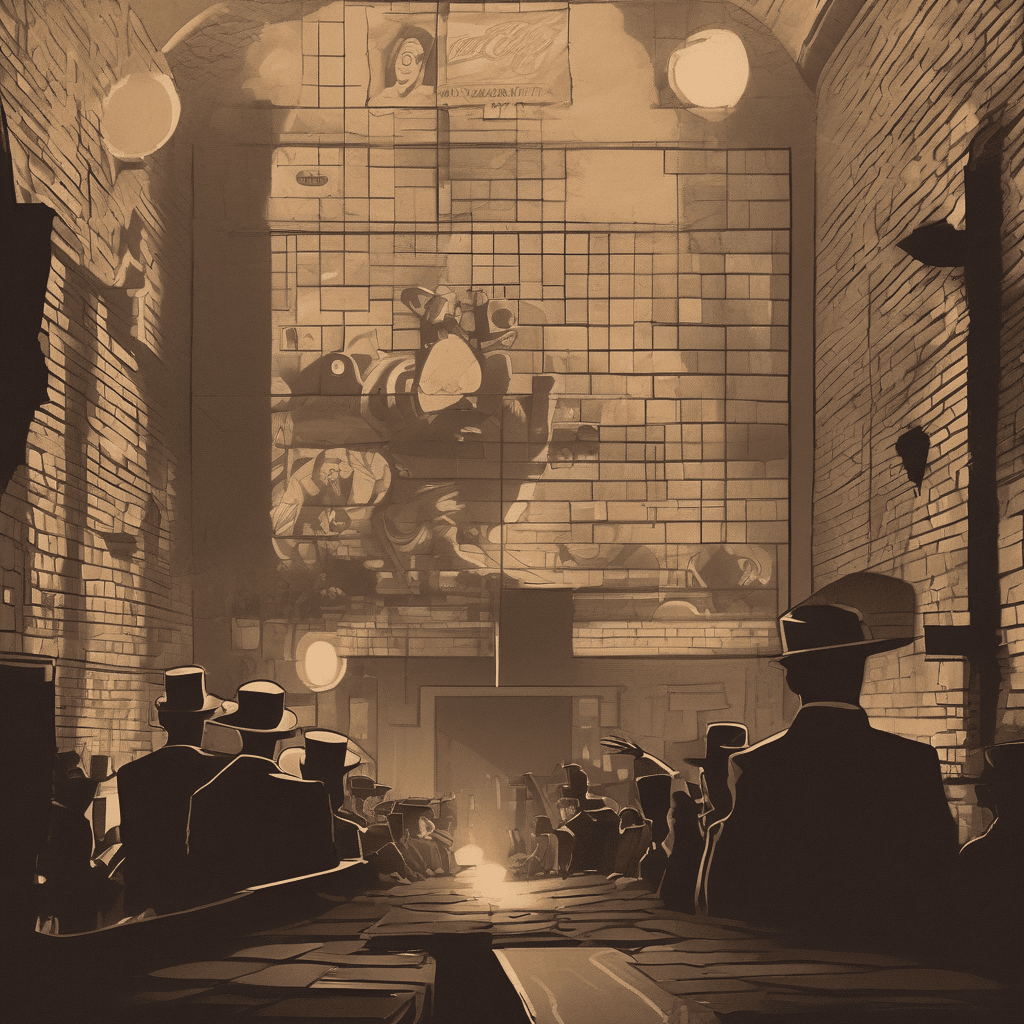
“Long before midnight movies, fifty one-reel oddities—parades, prize-fights, crucifixions—trained audiences to worship the weird, the banned and the beautiful.”
We throw the word “cult” around like popcorn, but every cult begins with a ritual—and rituals need relics. In the flickering twilight between 1896 and 1910, fifty forgotten reels slipped through nickelodeon projectors like contraband prayers: processions of Portuguese pilgrims, Westinghouse furnaces spitting molten steel, the 25-round bloodbath between Jeffries and Sharkey. Nobody billed them as “cult cinema”; nobody had invented the term. Yet these orphaned shorts forged the genetic code that would later mutate into The Rocky Horror Picture Show, Eraserhead and every midnight madness we now worship.
The First Congregation: Rituals, Relics and Repeat Viewings
Cult films are not born; they are resurrected. The resurrection starts when a reel survives obscurity, then demands to be rewatched, quoted, dressed-up to. Fifty frames scraped together by itinerant showmen, consular diplomats and factory publicists achieved exactly that. O Cortejo da Procissão da Senhora da Saúde (1896) did not merely record a Lisbon religious parade—it bottled incense, hoofbeats and candle-flame at 16 frames per second. Parishioners returned nightly, not for narrative but for the narcotic flicker of familiarity. Repeat custom is the proto-cult.
Compare that to Le défilé de la garde civique de Charleroi or De groote stoet ter vereering van Graaf F. de Mérode: uniformed bodies moving in hypnotic lockstep, the camera as ecstatic witness. The subjects are mundane—Belgian civic guards, obsequies for a nobleman—yet the act of filming converts civic duty into fetish spectacle. Fast-forward six decades and Kenneth Anger’s Scorpio Rising is doing the same to biker rituals. The bloodline is unbroken.
Factory Altars: Westinghouse Works and the Aesthetics of Machinery
If parades supplied devotion, Pittsburgh’s Westinghouse Works (1904) offered transcendence through repetition. Twenty-one one-reelers document turbines, coils and girls in gingham tightening bolts with ballet-like precision. The shots are static, but the machinery dances. Editors looped the footage for trade expos; laborers brought families back to see themselves haloed by Edison light. Audience identification fused with mechanical obsession—exactly the industrial eroticism later celebrated by Fritz Lang’s Metropolis and the machine-god montage of Koyaanisqatsi.
Cultists cherish process: the way Torgo shuffles in Manos, the way Eraserhead’s radiator sings. Westinghouse reels aestheticise process decades earlier. When molten steel explodes in a shower of sparks, that’s the 1904 equivalent of “the Torgo theme”—a visual hook that lodges in the neural pathways and demands repeat exposure like a drug.
Blood Sports as Liturgy: Boxing, Football and the Cult of Pain
Violence is the easiest ritual to monetise. Jeffries-Sharkey Contest (1899) and The Joe Gans-Battling Nelson Fight (1906) were literal pay-per-views: punters lined up to squint at flickering pugilists, often re-enacting the punches in the aisles. Prize-fight films were banned in several states, giving them the forbidden-fruit aura that cult cinema later weaponises. Bootleg prints circulated like samizdat; boxing fans narrated the rounds aloud, creating an early form of shadow-cast commentary Rocky Horror fans would perfect.
Note the communal call-and-response: audiences did not merely absorb; they annotated, hollered, blew smoke rings at the screen. The same hormonal circuitry fuels The Room screenings where spoons cascade like communion wafers.
From Gridiron to Grail
A Football Tackle (1899) lasts 24 seconds yet spawned memetic re-enactment on Princeton lawns for years. Students copied Captain Edwards’s flying tackle, bruising themselves in imitation. The film graduated from newsreel to ritual re-enactment—the same trajectory The Story of the Kelly Gang (1906) would follow in Australian outback towns where locals restaged Ned Kelly’s last stand with cardboard armour.
Sacred Gore: Crucifixions, Crowns and Carnivals
No cult canon is complete without sacrilege. The Life and Passion of Jesus Christ (1903) and its sibling Life of Christ (1906) offered ornate crucifixions complete with mechanically beating angel wings and garish hand-coloured blood. Church fathers endorsed them as evangelism, yet parishioners returned for the spectacle of agony—the same guilty thrill later supplied by The Passion of the Christ and, in inverted form, The Devils of Ken Russell.
Meanwhile carnivals in Nice, Mons and Niza inverted the sacred. El carnaval de Niza (1898) and Le carnaval de Mons (1903) capture grotesque masks, drag monarchs and confetti snowstorms. The crowd becomes both parade and audience—a Möbius strip of voyeurism later perfected by The Wicker Man and Midsommar. The lesson: cult cinema thrives where mask meets massacre, where the sacred and profane share the same float.
Imperial Hangover: War, Execution and the Gaze of Power
Colonial conquest sold tickets. The War in China (1900) and Le départ du contingent belge pour la Chine (1900) framed imperial slaughter as travelogue. Untitled Execution Films (1900) went further, exposing Japanese troops beheading Boxer rebels—arguably the first snuff footage. Censors confiscated reels, but bootlegs screened in Manila brothels and Marseilles docks, birthing a clandestine market for atrocity porn that exploitation cinema would mine for decades.
Viewers did not come for narrative closure; they came for the visceral jolt of the real, the same reason modern cultists seek Cannibal Holocaust or Faces of Death. The imperial camera pretends to objectivity, yet its true currency is the erotics of domination—a fetish cult cinema would later turn inward on itself.
Geography of Obsession: From Mallorca to the Arctic Circle
Cult cinema is tribal; it demands regional specificity that mainstream cinema flattens. Mallorca (1908) and Scotland (1909) functioned as proto-travel-ogues for armchair tourists, but locals adopted them as moving postcards of identity. Highland societies screened Scotland alongside bagpipers; Mallorcan fishermen supplied live commentary of their own coastline. The same regional pride later feeds The Evil Dead screenings in Tennessee cabins or Rocky Horror shadow-casts in Wollongong.
Coronation as Cult
Krunisanje Kralja Petra I Karadjordjevica (1904) documents the coronation of Serbia’s king in cathedral candlelight. Serb expats in Chicago rented the print every Saint Sava Day, morphing newsreel into liturgy. The reel vanished in WWI, yet memories persisted—the first known case of a lost cult artifact, predating London’s missing The Wicker Man print by sixty years.
When Fiction Infected the Flock: Violante to Kelly
Documentary dominated early cinema, but fiction quickly learned to infect audiences. Violante (1902) is a lost Italian melodrama whose sole surviving still—a dagger-clutching diva—inspired Turin factory girls to pin copies of the image on dorm walls. Merchandising before merchandising existed: the first cult poster.
The Story of the Kelly Gang, meanwhile, became Australia’s national scripture. Bushranger sympathisers narrated the 17 surviving minutes like gospel, inserting their own anti-authoritarian verses. Police tried to ban it; kids smuggled scraps of celluloid like saints’ knucklebones. Here is the complete outlaw-cult template: state censorship, grassroots defiance, relic fragmentation.
Comedy of the Damned: Solser en Hesse and the Birth of Quote-Alongs
Dutch vaudevillians Solser and Hesse filmed a one-act sketch in 1899. Audiences came to hear the jokes they already knew by heart, shouting punchlines before the intertitles. Sound familiar? It is the mechanical great-grandfather of The Room’s spoon-throw and Rocky Horror’s “Say it!” The comedy is regional, the delivery timing universal, the participatory virus eternal.
The Missing Reels: How Loss Creates Legend
Cult cinema worships absence. Poum à la chasse (1898) survives only in a Belgian archive’s rusty can; Halfaouine (1990) retroactively baptised itself “cult” when a Paris cinematheque screened it at midnight after Banlieue riots. Loss is lubricant: the less we see, the more we mythologise. Fifty forgotten reels taught us that.
Conclusion: The Eternal Return of the Weird
From windmills to Westinghouse, from Portuguese processions to coronations in Belgrade, these fifty fragments did more than prefigure narrative cinema—they programmed our neural firmware for devotional viewing. They trained us to fetishise the obscure, to excavate banned prints, to chant dialogue at screens. Every time you don a corset for Rocky Horror, every time you wince at Henry: Portrait of a Serial Killer, you are retracing the pilgrimage first marched by those anonymous faithful tracking candle-wax through Lisbon streets in 1896, chasing the ghost of a flickering saint.
Cult cinema was never about monsters or midnight. It was always about us—the congregation—kneeling in the dark, begging the beam of light to show us something we are not supposed to see, again and again and again.
Community
Comments
Log in to comment.
Loading comments…