
Film History
The Amber Gaze: How Silent Cinema's Exotic Fantasies, Forged in Colonial Shadows, Still Hypnotize the Cult Mind
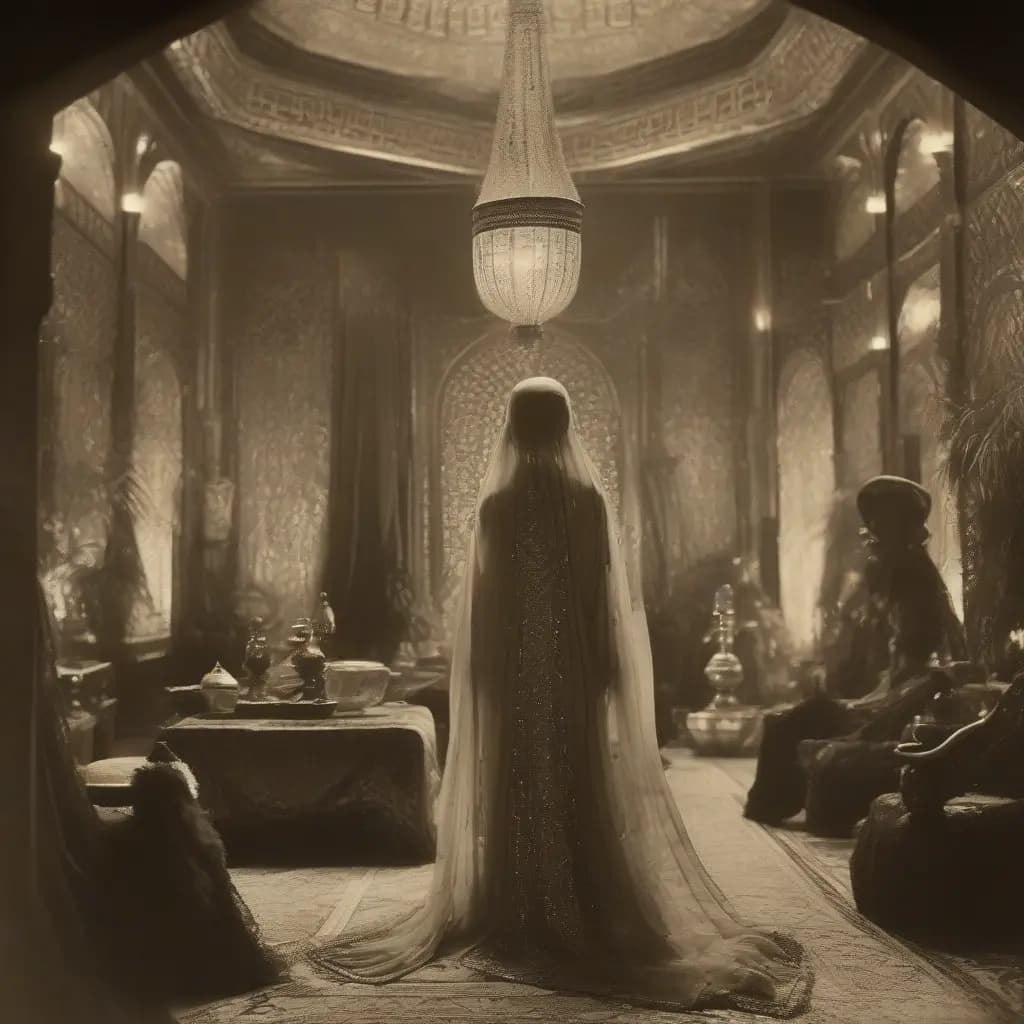
“Before the Hays Code, silent cinema ventured into forbidden lands, crafting elaborate 'exotic' fantasies that, despite their problematic colonial gaze, became unintended blueprints for a certain strain of cult obsession. We delve into how these visually opulent yet morally ambiguous films continue t…”
The early 20th century was a crucible of burgeoning modernity and lingering imperial ambition. As the world shrank under the relentless march of steamships and telegraph lines, cinema, still in its infancy, offered an unprecedented window into the vast, unknown beyond. But this window was rarely neutral; it was often a distorting mirror, reflecting Western anxieties, desires, and prejudices onto distant lands and cultures. This is the realm of the 'exotic fantasy' in silent film, a genre born of spectacle, adventure, and often, an unapologetically colonial gaze. Yet, within these problematic celluloid dreams, lies a fascinating, albeit uncomfortable, genesis for certain strains of cult obsession. These aren't just historical curiosities; they are primal texts, brimming with visual audacity and a raw, sometimes shocking, directness that continues to resonate with those who seek cinema's deeper, often darker, currents.
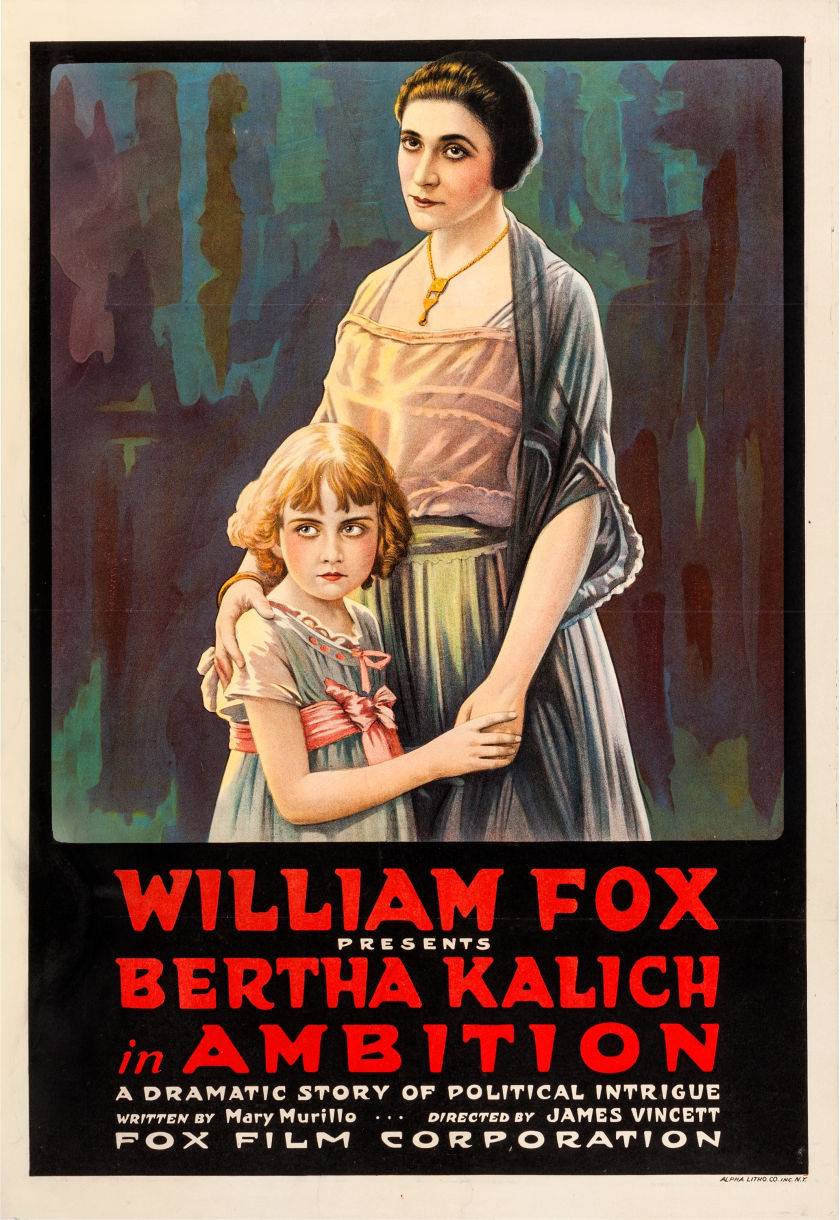
The Lure of the Distant Mirage: Escapism and the Other
In an era before ubiquitous air travel and readily accessible global media, the allure of the 'exotic' was potent. Audiences, often confined by societal norms and geographic limitations, yearned for escapism, for visions of worlds beyond their mundane existence. Silent cinema, with its inherent reliance on visual storytelling and grand gestures, was uniquely positioned to fulfill this craving. It didn't just tell stories; it conjured entire universes of rich tapestries, shimmering deserts, enigmatic temples, and veiled figures. These films promised a journey, a tantalizing glimpse into lives governed by different rules, passions, and perils.

The theatricality of silent film, unburdened by synchronous dialogue, allowed for a heightened sense of visual spectacle. Costumes were lavish, sets were elaborate, and lighting was often dramatic, designed to transport the viewer immediately. Consider the sumptuous grandeur depicted in films like Marc'Antonio e Cleopatra (1913), an Italian epic that, despite its European production, immersed audiences in a romanticized, ancient Egypt. While historical accuracy might have been secondary, the film's visual ambition was undeniable, offering a portal to a world of imperial intrigue and passionate romance. This was escapism rendered in sweeping strokes, a fantasy of power and seduction played out against a backdrop of imagined opulence. Such films weren't merely entertainment; they were invitations to dream, to project one's own desires onto a canvas of the unfamiliar.

The Colonial Lens: Constructing the Exotic Spectacle
Yet, this cinematic fascination with the 'other' was rarely innocent. It was deeply intertwined with the prevailing imperialist and colonial attitudes of the time. The concept of 'Orientalism,' as later articulated by Edward Said, describes how the West constructed a romanticized, often dehumanizing, image of the East to justify its own dominance. Silent cinema, being a mass medium, became a powerful vehicle for propagating these stereotypes, simplifying complex cultures into easily digestible, often sensationalized, archetypes.
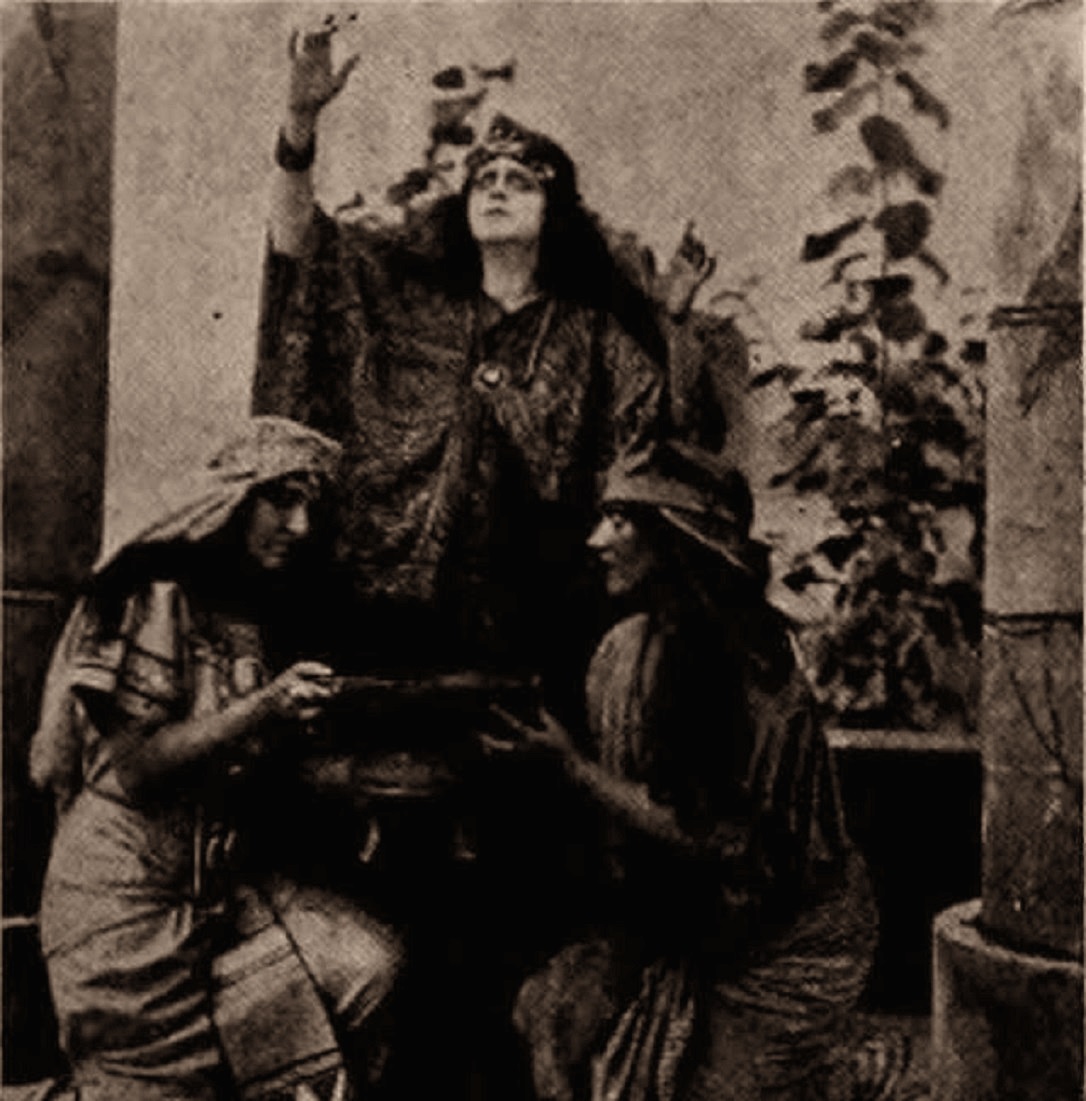
"The exotic became a canvas for Western anxieties and desires, a projection screen for what was both feared and fantasized, rarely a mirror for genuine cultural exchange."
The most glaring examples of this problematic gaze are found in films that ventured into overt exploitation. Take for instance, the infamous German adventure film Eine weisse unter Kannibalen (1921), which translates to 'A White Woman Among Cannibals.' The title alone is a stark testament to the era's uncritical embrace of racist tropes. Such films presented indigenous populations as savage, primitive, and often sexually predatory, existing primarily as foils for white protagonists or as a terrifying backdrop against which Western 'civilization' could be asserted. While deeply offensive by modern standards, these films, paradoxically, become objects of a certain morbid cult fascination today. They are not celebrated for their content, but studied as historical artifacts – stark, uncomfortable reminders of a pervasive cultural prejudice, their sheer audacity a testament to the era's moral blind spots. Viewing them now is a transgressive act in itself, a confrontation with a cinematic past that refuses to be ignored.
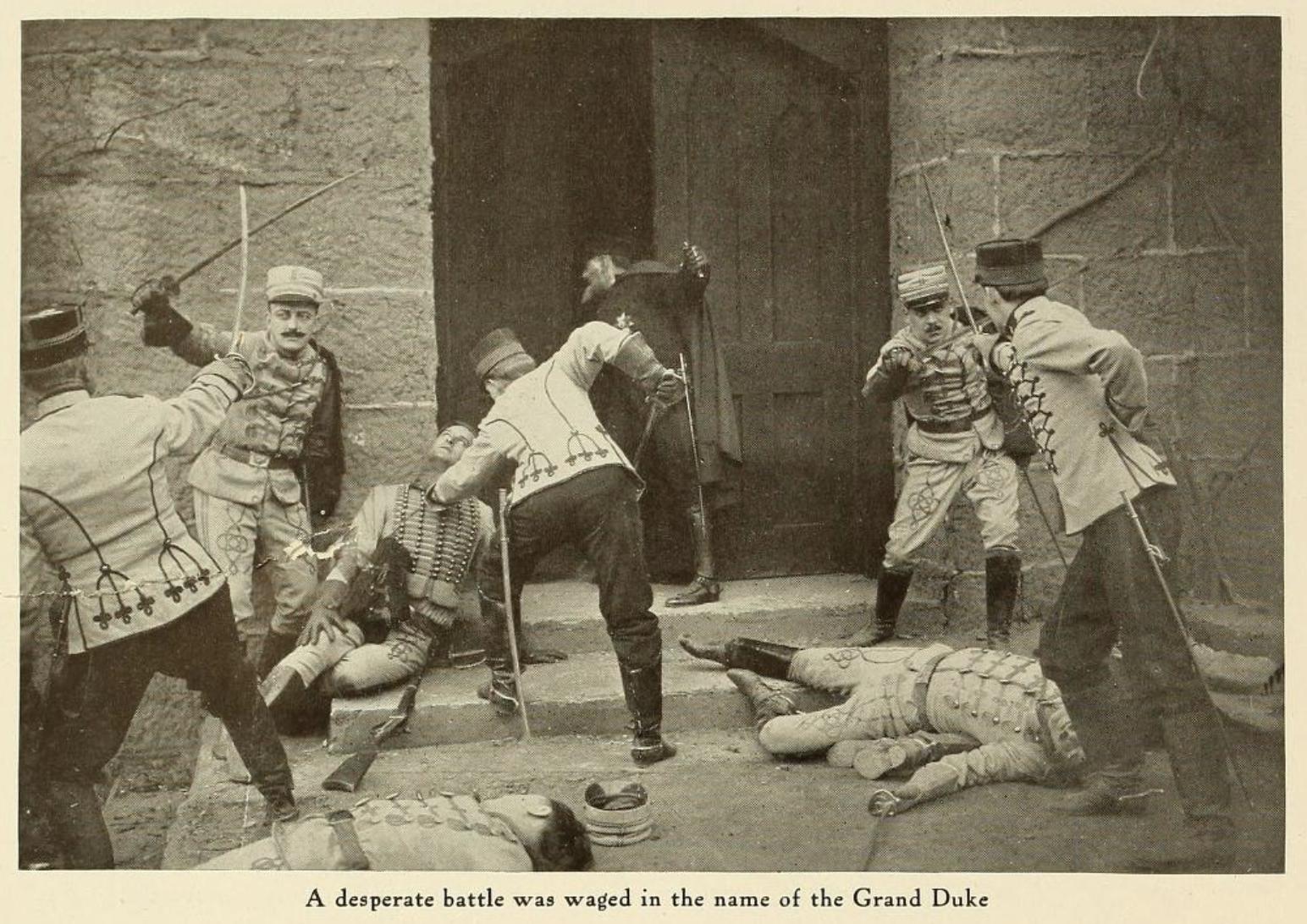
Even less overtly offensive films, like the American adventure drama Shifting Sands (1923), set in Tripoli, perpetuated a similar narrative. Here, a white protagonist with amnesia navigates a world of Arabs and danger, ultimately saving an artist's daughter. The foreign setting is less a place of genuine cultural interaction and more a stage for Western heroism, a backdrop of veiled threats and mysterious landscapes where white characters can prove their mettle. The 'other' exists to facilitate the protagonist's journey, to provide peril and exotic flavor, rather than possessing agency or a nuanced internal world.
Archetypes of Allure and Danger
Within this colonial framework, specific character archetypes emerged, becoming foundational elements of the 'exotic' narrative. The seductive temptress, often an 'Oriental' woman, embodied forbidden desire and danger, a challenge to Western morality. The 'noble savage' offered a romanticized, yet ultimately subservient, portrayal of indigenous peoples. The dangerous despot, usually a foreign ruler, served as a clear antagonist, justifying Western intervention or conquest.
Films like The Marked Woman (1914), while set in Russia rather than the typical 'Orient,' plays into similar tropes of the foreign 'other' as both alluring and dangerous. Olga Petcoff, a Nihilist, becomes the romantic interest of military men, her radical political affiliation adding a layer of exotic danger to her femininity. This extends the concept of 'exotic' beyond strict geography to encompass political and cultural 'otherness' that deviates from perceived Western norms. Her foreignness, her political radicalism, and her allure all combine to create a character that is simultaneously fascinating and threatening, a potent mix for cult fascination.
Architects of the Anomalous: Directors and Their Visions
Despite the often-regressive narratives, some filmmakers, whether intentionally or not, imbued these 'exotic' films with a visual and narrative sensibility that transcended their immediate context. Their artistic choices, the sheer scale of their productions, and sometimes, the unintentional ambiguity woven into their stories, laid groundwork for a different kind of appreciation. These were often ambitious projects, pushing the boundaries of cinematic technique for their time.
The directors of these films, though often working within the confines of popular taste and prevailing prejudices, were nonetheless artists. They were experimenting with new forms of visual storytelling, mastering the power of montage, elaborate set design, and dramatic performance. The very artificiality of the 'exotic' settings, the painted backdrops, and the meticulously crafted costumes, now contribute to their peculiar charm for cult audiences. They become studies in early cinematic world-building, fascinating precisely because of their dated artifice.
Consider the sheer spectacle of a film like The Dictator (1922), an adventure-comedy featuring Wallace Reid as a millionaire's son who finds himself embroiled in South American politics. While undoubtedly a product of its time in its portrayal of foreign nations, the film's energetic pacing, grand set pieces, and the sheer audacity of its premise—a rich American stumbling into a revolution—speaks to a primal cinematic urge for adventure and chaos. These films, despite their cultural baggage, often possess a raw, untamed energy, a willingness to embrace the fantastical that can feel more daring than many contemporary blockbusters.
From Spectacle to Subversion: The Unintended Cult Resonance
So, why do these films, often laden with problematic content, find a place in the cult canon, even if a contested one? The answer lies in their complex interplay of visual power, historical significance, and unintentional transgression. Cult films often thrive on the unusual, the overlooked, and the morally ambiguous. These 'exotic' silent films hit all those notes.
- Visual Opulence and Aesthetic Otherness: Regardless of the narrative's shortcomings, the sheer visual artistry—the costumes, the sets, the dramatic lighting—is often breathtaking. These films offer a unique aesthetic, a window into a bygone era's cinematic imagination. The artificiality itself can be captivating, a handcrafted dreamscape.
- Historical Artifact Value: They serve as invaluable documents of cultural attitudes, artistic trends, and technological limitations of their time. For film historians and dedicated cinephiles, watching these films is an act of archaeological discovery, unearthing the foundations upon which modern cinema was built. They reveal not just how stories were told, but what stories society deemed acceptable to tell.
- Unintentional Subversion: Sometimes, the sheer outlandishness of the plots, the over-the-top performances, or the moral complexities (even if unintended) can resonate with a cult sensibility. The melodrama of Darkest Russia (1917), for instance, with its tale of a Jewess in love with Russian aristocracy and themes of persecution, taps into powerful, if broad, emotional currents that can be re-contextualized by modern viewers seeking heightened drama.
- The Forbidden Fruit Effect: Films like Eine weisse unter Kannibalen, precisely because of their controversial and offensive nature, attract a certain kind of cult viewership. This isn't about celebrating the racism, but about confronting it, understanding its historical context, and studying the mechanisms of cinematic exploitation. They become case studies in the darker corners of film history, films that demand critical engagement rather than passive consumption.
These films, once mainstream spectacles, now occupy a liminal space. They are not universally beloved, nor should they be uncritically embraced. Instead, they are viewed through a prism of historical awareness, their flaws as compelling as their triumphs. Their status as 'cult' objects stems from this complex relationship, a fascination born of both admiration for their craft and discomfort with their ideology. They are the cinematic equivalent of a deeply flawed, yet historically significant, antique.
Echoes in the Modern Fringe: Legacy and Reappraisal
The legacy of silent cinema's 'exotic fantasies' is not a straightforward one of direct influence, but rather a more subtle, thematic resonance. The primal urge to explore the unknown, to confront the 'other,' and to revel in visual spectacle, all found early expression in these films. This foundational cinematic grammar of adventure and cultural clash, even when problematic, laid certain aesthetic and narrative pathways that later cult films would traverse, albeit with different intentions and often greater self-awareness.
We see echoes in the enduring appeal of 'lost world' narratives, the fascination with secret societies in distant lands, or the visual maximalism of certain genre films that prioritize atmosphere over realism. The idea of journeying to a strange, often dangerous, land to confront an enigmatic force or discover a hidden truth is a trope that owes much to these early cinematic excursions. While modern films strive for more respectful and nuanced portrayals of diverse cultures, the sheer visual audacity and the sense of stepping into a completely alien world, first perfected in the silent era, continues to draw audiences.
Reappraising these films today requires a critical eye, an understanding of their historical context, and an acknowledgement of their often-harmful representations. Yet, to ignore them is to overlook a vital, if uncomfortable, part of cinematic history. They are not just relics; they are complex texts that challenge us to consider the origins of our visual desires, the power of cinematic illusion, and the uncomfortable truths embedded in our collective cultural memory. They compel us to ask: what exactly are we drawn to when we seek out the 'exotic' on screen, and what does that reveal about ourselves?
The amber gaze of silent cinema's exotic fantasies, therefore, remains fixed upon us. It's a gaze that is both enchanting and unsettling, a testament to the early power of film to conjure worlds, however flawed, and to inadvertently lay the groundwork for a peculiar, demanding form of cinematic devotion. These films, in their problematic splendor, remind us that the roots of cult cinema are often tangled, reaching into uncomfortable depths of history and human fascination.
Community
Comments
Log in to comment.
Loading comments…