
Cult Cinema
The Phantom's Guise: How Early Cinema’s Masters of Disguise Forged Our Cult of the Unknowable Protagonist
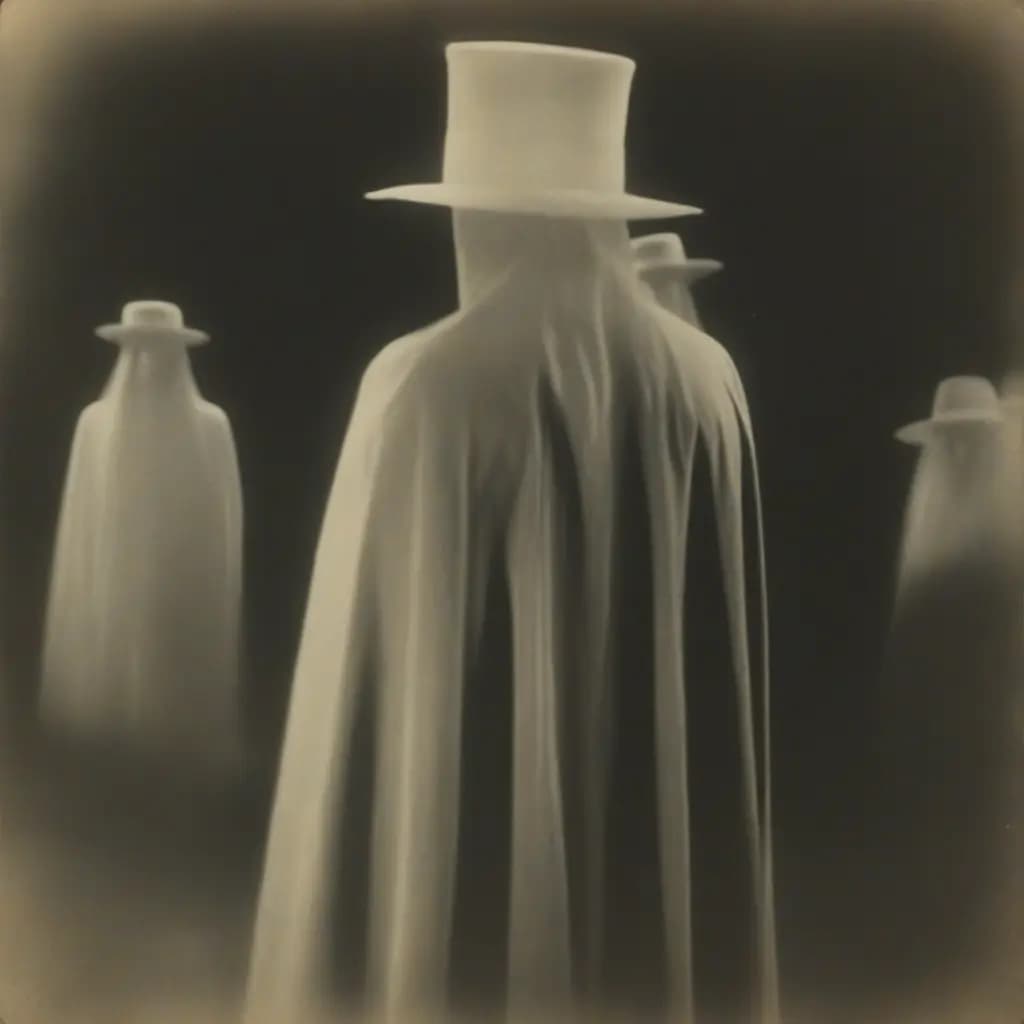
“Before noir or cyber-thrillers, early cinema's master illusionists captivated audiences with their chameleon-like transformations. These enigmatic figures, constantly shifting identities, didn't just entertain; they laid the crucial groundwork for our enduring fascination with the fluid self and the…”
Long before the tangled webs of a Hitchcockian spy thriller or the existential dread of a Lynchian identity crisis, cinema was already playing a dangerous game with the very concept of self. In the flickering shadows of the early 20th century, a new breed of cinematic figure emerged from the nascent medium’s embrace of illusion: the master of disguise. These were not merely actors in costume; they were architects of deception, weaving narratives where protagonists and antagonists alike shed identities like snakeskin, leaving audiences thrilled, bewildered, and utterly hooked. This wasn't just about plot twists; it was a profound, almost primal engagement with the fluidity of identity, an exploration that laid the foundational stones for what we now recognize as the cult of the unknowable protagonist. This early, audacious flirtation with the masked self, the hidden agenda, and the shifting persona didn't just entertain; it sculpted a new kind of cinematic devotion, a fascination with the enigmatic that continues to resonate deep within the darkest corners of cult cinema.
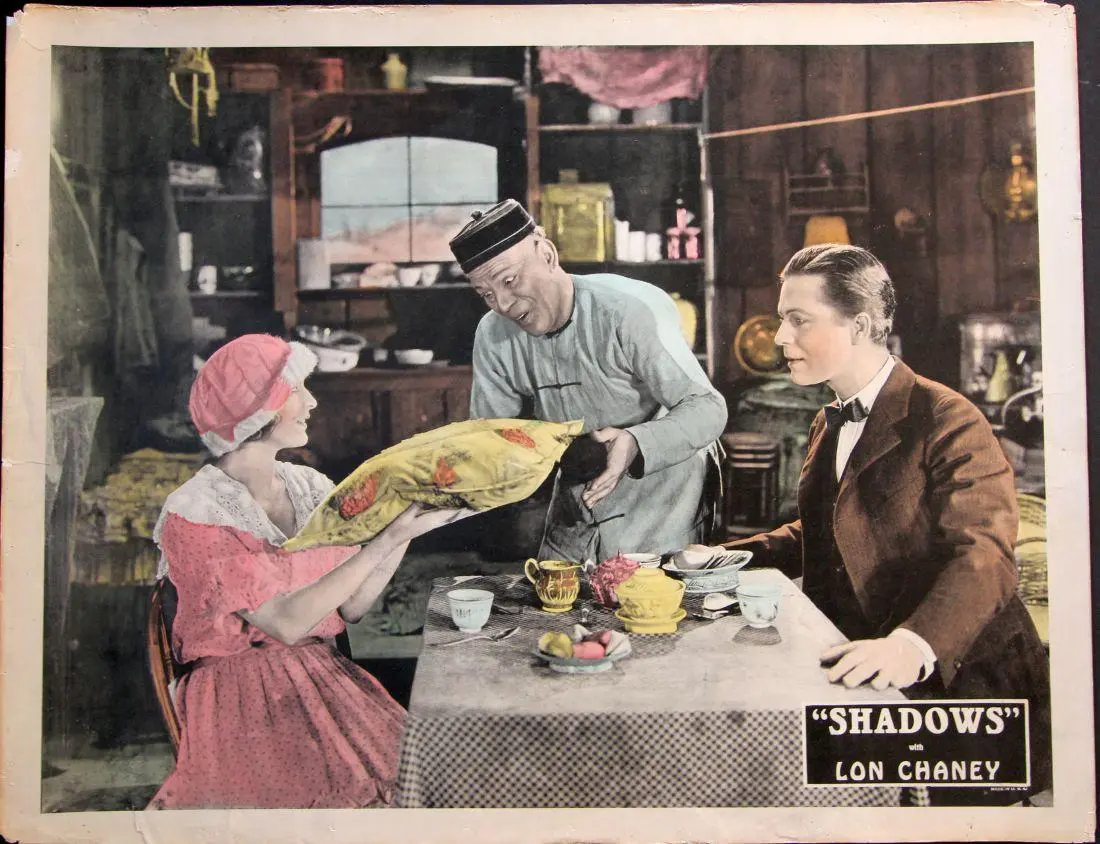
The Shifting Sands of Self: Cinema's First Chameleons
The turn of the 20th century was a period of immense societal upheaval, where traditional identities were being challenged by urbanization, industrialization, and rapid technological advancement. Cinema, born into this maelstrom, became an immediate mirror, albeit a distorted one, reflecting these anxieties and fascinations. The very act of film-making was, in itself, an act of illusion – light and shadow conjuring life from stillness. It was a natural progression, then, for this medium of magic to explore the ultimate illusion: the transformation of self. Early filmmakers quickly grasped that nothing was quite as captivating as a character who could be anyone, anywhere, at any time. This wasn't just about a simple change of clothes; it was about a fundamental disruption of perception, a deliberate dismantling of the audience's trust in what they saw on screen.
The primitive camera, with its often static gaze, lent an almost voyeuristic quality to these early acts of deception. Audiences, accustomed to the straightforward narratives of stage plays, were suddenly confronted with characters who defied easy categorization, whose true motives and allegiances remained tantalizingly out of reach. This created a powerful new dynamic: the spectator was no longer just an observer, but an active participant in the unraveling of identity, constantly questioning, constantly seeking the authentic self beneath the layers of artifice. This nascent cinematic language, still finding its footing, discovered a potent theme in identity manipulation, transforming simple narratives into complex psychological puzzles, long before the term 'psychological thriller' was even conceived.
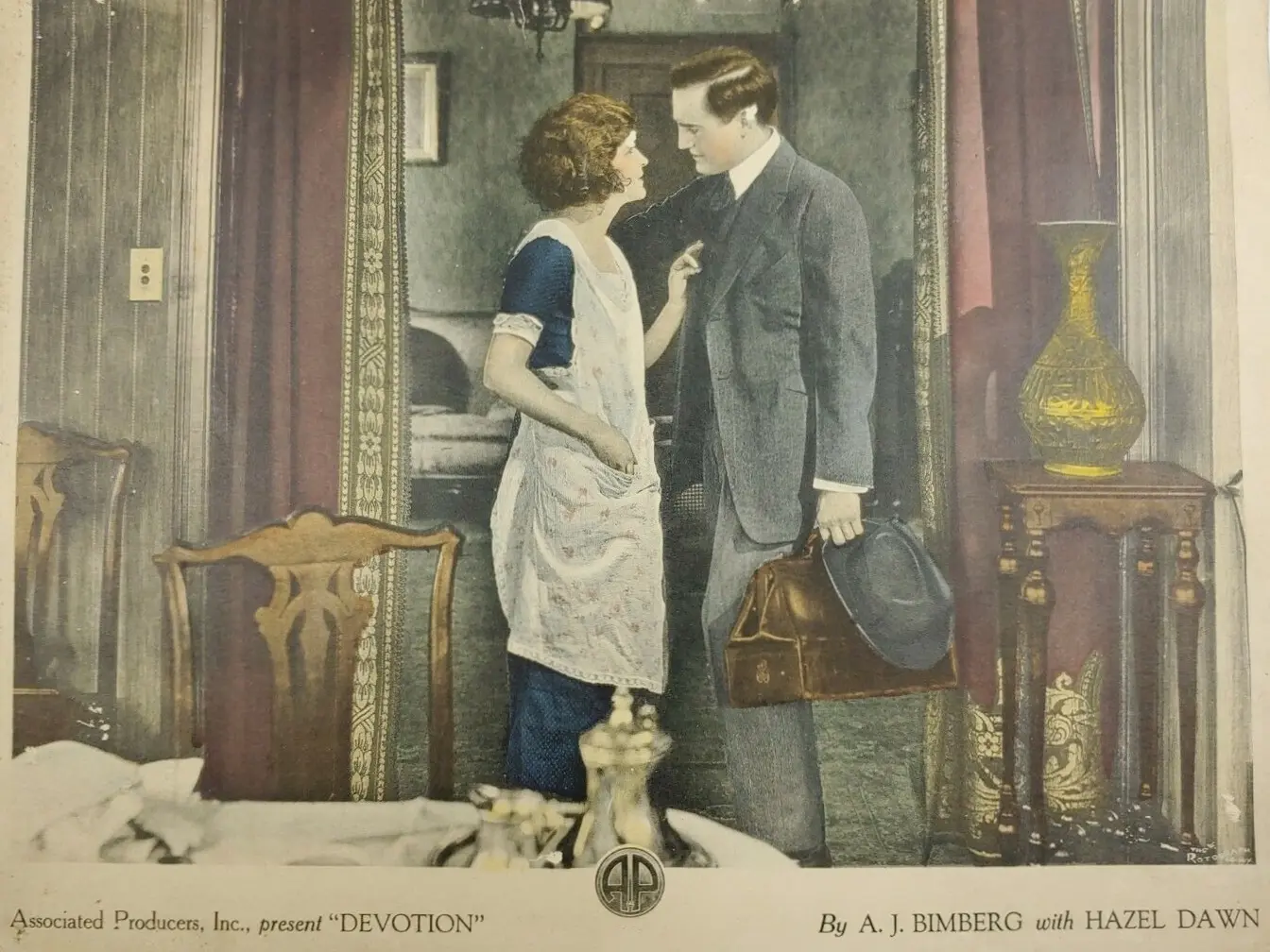
Beyond the Greasepaint: The Visual Language of Transformation
The visual vocabulary for disguise in early cinema was often rudimentary but incredibly effective. A false beard, a pair of spectacles, a change of gait, or even just a shadowed face was enough to signal a complete transformation. Yet, it was the actors' ability to convey a shift in inner persona that truly sold the illusion. They were the original method actors of deception, embodying not just a new look, but a new soul. This reliance on subtle physical acting and minimalist makeup forced audiences to engage their imagination, making them complicit in the conjuring trick. The thrill was not just in seeing the disguise, but in the internal struggle or cunning intelligence that the actor projected through the altered exterior.
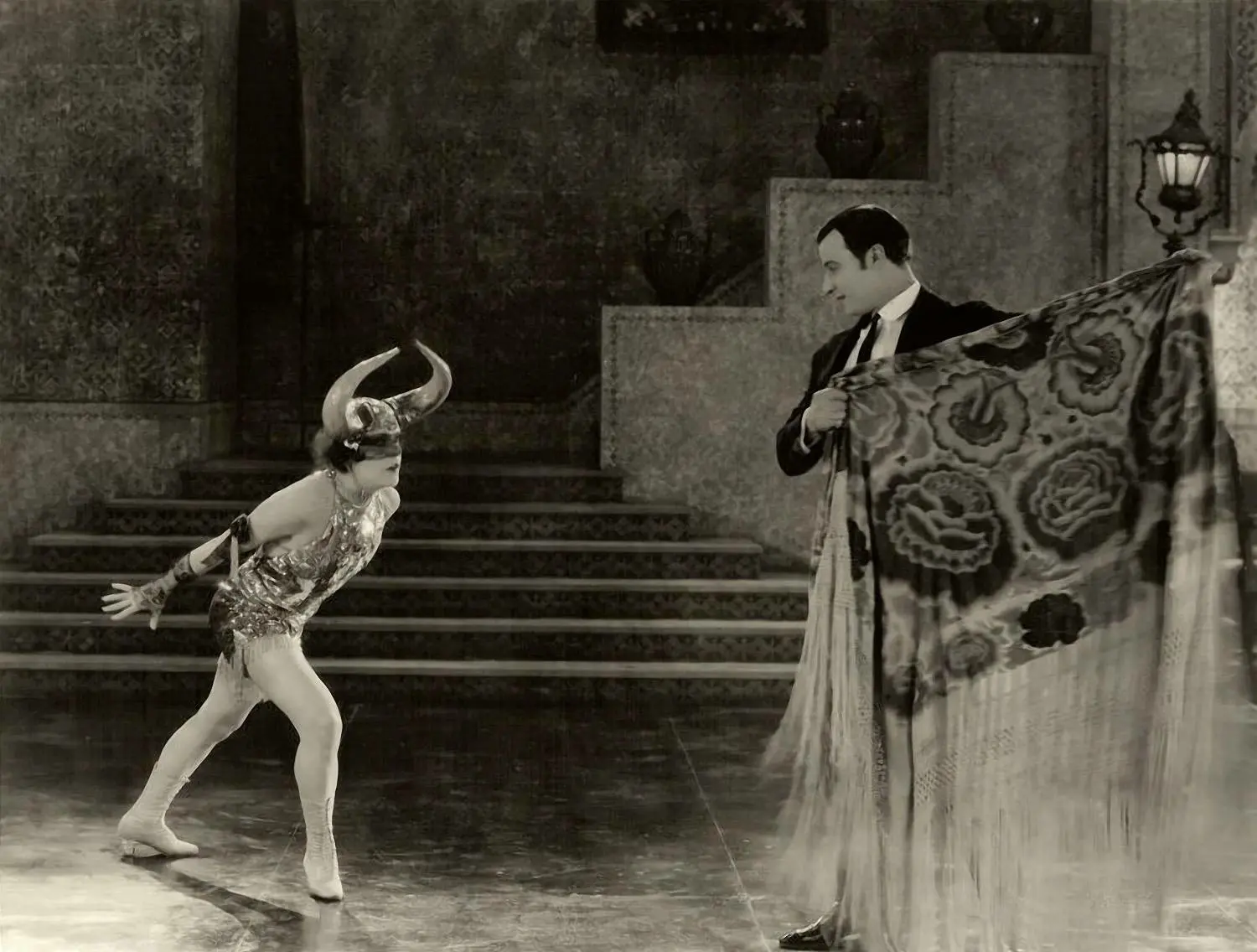
Consider the power of a simple shadow. In the hands of a skilled director, a hat brim pulled low or a figure silhouetted against a doorway could instantly transform a known character into an anonymous threat or a mysterious benefactor. This aesthetic of obfuscation became a hallmark of early thrillers and serials, creating an atmosphere of pervasive uncertainty. The audience learned to distrust what they saw, to look for the tells, to become detectives themselves. This visual rhetoric of concealment laid the groundwork for the more elaborate visual trickery of later eras, proving that sometimes, less is indeed more, especially when dealing with the unsettling prospect of a fluid, unknowable identity.
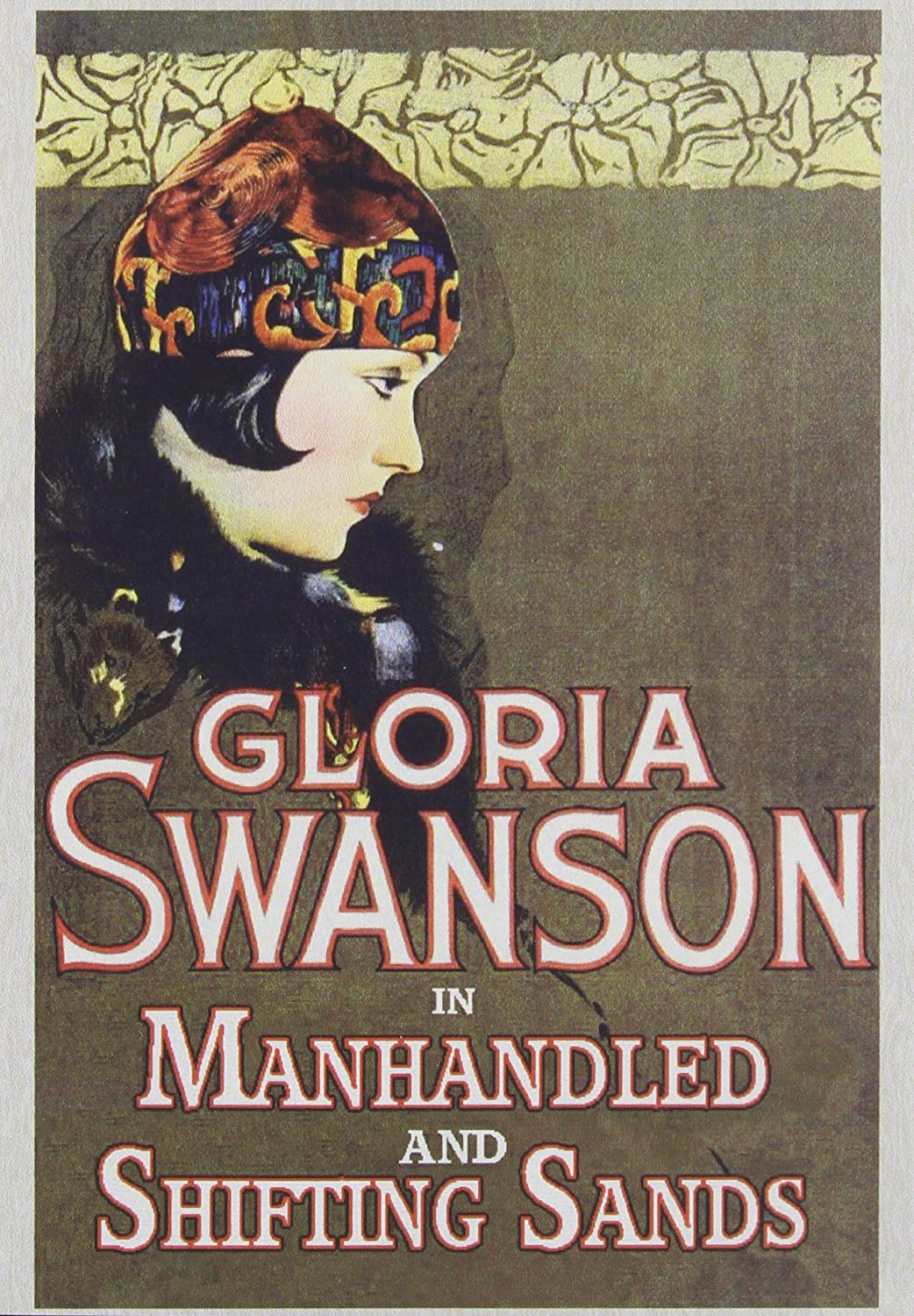
The Rogue's Gallery: Criminals, Spies, and Impostors
The most fertile ground for these early identity forgers was often found in the burgeoning crime and adventure genres. Detective serials, in particular, thrived on the cat-and-mouse game between a brilliant sleuth and an equally cunning master criminal. The French serial Zigomar contre Nick Carter (1913) exemplifies this perfectly. Here, the titular Zigomar, a shadowy gang leader, is a veritable phantom, constantly eluding the famous detective Nick Carter through elaborate disguises and cunning subterfuge. He is not merely a villain; he is an enigma, a living embodiment of chaos who can slip into any role, any persona, to achieve his ends. This wasn't just about catching a bad guy; it was about trying to pin down a mirage, a figure whose very existence challenged the stability of identity itself. Audiences were captivated by Zigomar's audacity, his ability to manipulate reality, making him a proto-cult figure whose appeal lay precisely in his unknowability.
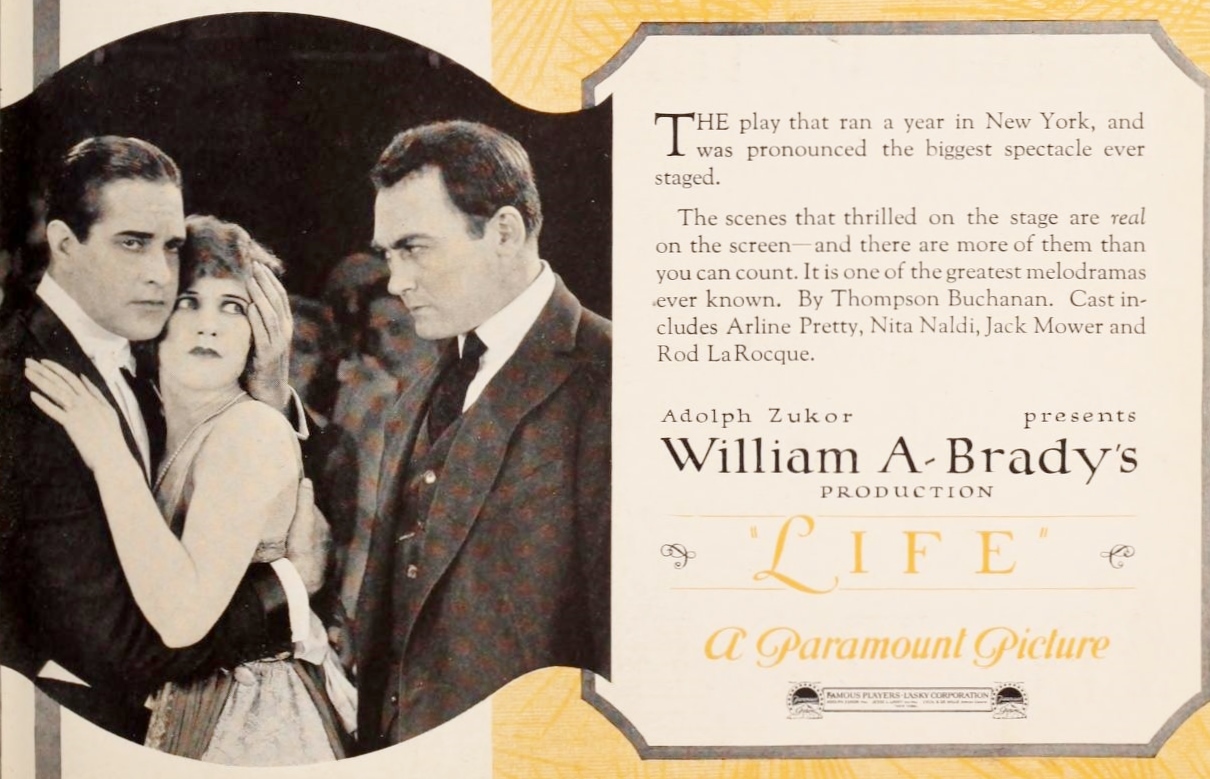
Beyond the overtly criminal, there were characters who used impersonation for survival, revenge, or even social climbing. In The Black Panther's Cub (1921), the daughter of a former Parisian gambling queen impersonates her mother to reopen the establishment, driven by financial necessity. This isn't a villainous act in the same vein as Zigomar, but it still taps into the potent theme of assuming a false identity to navigate a treacherous world. The stakes are personal, and the deception carries a heavy emotional toll, yet the allure of stepping into another's shoes, particularly one with a scandalous past, is undeniable.
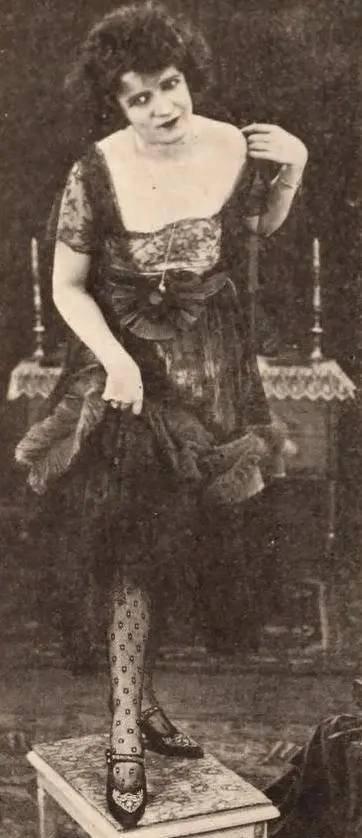
Even comedic or melodramatic narratives were not immune to the power of the shifting self. The German film Die Prinzessin von Neutralien (1917) features a plot where rejected lovers hire a struggling actor to woo and then abandon a wealthy heiress as an act of revenge. The entire premise hinges on a meticulously crafted deception, with the actor assuming a fabricated persona. The audience is privy to the scheme, yet the tension and fascination stem from watching the intricate dance of falsehood, and the potential for the deceiver to become entangled in his own web. These films, regardless of genre, demonstrated a nascent understanding that identity, particularly on screen, could be a malleable construct, a tool for both power and vulnerability.
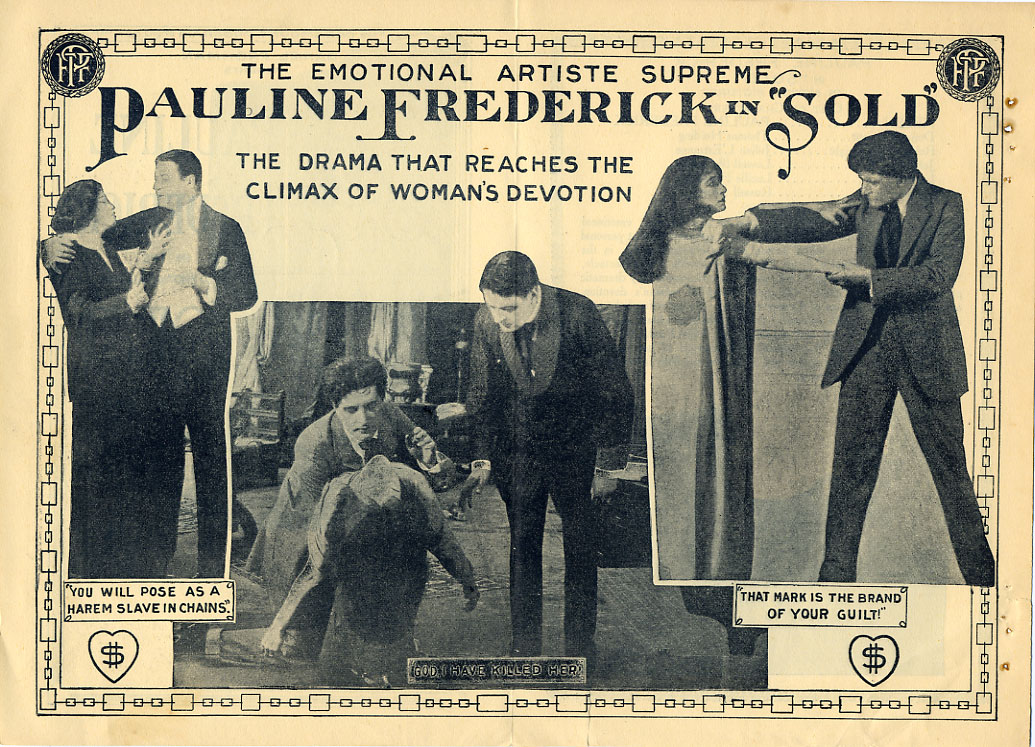
The Psychological Mirror: Audience as Accomplice
What truly distinguishes these early explorations of identity from mere plot devices is the psychological contract they forged with the audience. When a character's true self is obscured, the viewer becomes a detective, a confidante, and often, an unwitting accomplice in the deception. We are invited to peer behind the mask, to decipher the subtle cues, and to question the very nature of authenticity. This active engagement creates a deeper, more visceral connection to the narrative, transforming passive spectatorship into an almost ritualistic quest for truth.
"The greatest trick the devil ever pulled was convincing the world he didn't exist." In early cinema, the greatest trick was showing us a face and then whispering that it wasn't the real one, forcing us to doubt everything. That's where the cult begins.
Consider films where deception isn't a deliberate act but a cruel twist of fate or circumstance. In Body and Soul (1915), a character suffering from memory loss essentially becomes an entirely different person, wandering through the woods and seeking shelter. While not a 'master of disguise' in the conventional sense, her condition creates a profound sense of a fractured or shifting identity. The audience witnesses her transformation, her struggle to reconcile her past self with her present state, and the emotional turmoil this brings. This involuntary 'disguise' or loss of self is deeply unsettling, inviting empathy while simultaneously playing on anxieties about personal continuity and the fragility of consciousness.
Even simpler narratives often hinged on hidden truths or assumed roles. In The Unknown Ranger (1920), a man named Chandler arrives in a border town claiming to be a novelist, but his true intentions and identity are shrouded in mystery. This seemingly innocuous disguise sets the stage for dramatic tension and potential betrayal. The audience is immediately put on alert, searching for inconsistencies, trying to discern the 'real' Chandler. This constant state of questioning, of looking beyond the surface, became a powerful narrative engine, drawing viewers deeper into the cinematic world and fostering a lasting appreciation for characters who defy easy definition.
Similarly, films like The Lair of the Wolf (1917), where a widow marries a man unaware of his abusive nature, or The Governor's Ghost (1917), involving political intrigue and hidden love affairs, demonstrate how the concealment of a character's true nature, motives, or past could drive an entire plot. These aren't necessarily 'disguises' in the physical sense, but they are profound acts of identity deception, forcing the audience to grapple with the unsettling reality that people are not always who they appear to be. This foundational distrust of surface appearances, cultivated in early cinema, became a cornerstone of cult appeal, drawing in viewers who relished narratives that challenged conventional morality and clear-cut hero/villain dichotomies.
From Masked Men to Midnight Icons: The Legacy of the Unknowable
The fascination with the master of disguise and the fluid self didn't end with the silent era; it evolved, deepened, and permeated the very fabric of cult cinema. These early cinematic experiments provided the blueprint for countless anti-heroes, enigmatic figures, and morally ambiguous protagonists who would later captivate midnight audiences. The seed planted by Zigomar's elusive criminality blossomed into the complex psychological profiles of film noir's femme fatales and double-crossing schemers, where identity was a weapon and loyalty a fleeting illusion.
The early cinema's exploration of fragmented identity, whether through deliberate disguise or psychological trauma, foreshadowed the existential dilemmas that would later define much of cult film. Think of the protagonists of David Lynch, whose very grasp on reality and self is constantly shifting, or the unreliable narrators who force us to question everything we believe. These modern cult figures owe a debt to their silent-era predecessors who first dared to suggest that identity was not a fixed point, but a constantly moving target.
The cult appeal of these characters lies precisely in their unknowability. We return to them, re-watch their films, not just to understand the plot, but to try and grasp the essence of a being that defies easy definition. They are reflections of our own anxieties about authenticity, about the roles we play, and the hidden selves we all possess. The master of disguise, in his various forms, became a metaphor for the human condition itself, a constant performance, a perpetual negotiation between who we are and who we present ourselves to be.
The Enduring Allure of the Phantom Self
The legacy of early cinema's fascination with the fluid self is undeniable. It taught us to look beyond the surface, to question appearances, and to embrace the unsettling thrill of the unknown. These pioneers of cinematic deception didn't just create memorable characters; they cultivated a specific kind of audience engagement, a devotional quest for understanding that lies at the heart of cult cinema. They showed us that the most compelling stories aren't always about what's revealed, but what remains stubbornly, tantalizingly hidden.
From the shadowy figures of silent serials to the complex, psychologically tormented protagonists of contemporary cult films, the thread of the unknowable protagonist runs deep. It's a testament to the enduring power of illusion, the primal fear and fascination with what lies beneath the mask, and cinema's unique ability to tap into these profound human curiosities. The phantom's guise, first donned in the grainy reels of a bygone era, continues to haunt and captivate us, proving that sometimes, the most enduring identities are the ones we can never quite pin down.
- The master of disguise isn't just a character; he's a narrative device that constantly challenges audience perception.
- Early cinema's unique visual language, from subtle acting to strategic use of shadow, made these transformations profoundly convincing.
- The fascination with shifting identities speaks to deeper societal anxieties about authenticity and the roles we play in a rapidly changing world.
- These proto-cult figures paved the way for the complex, morally ambiguous anti-heroes that define much of modern cult cinema.
- The enduring appeal lies in the invitation to become an active participant, a detective in the unraveling of a character's true self.
Community
Comments
Log in to comment.
Loading comments…