
Cult Cinema
The Esoteric Lens: How Europe's Occult Revival Forged Cinema's First Cult Visions
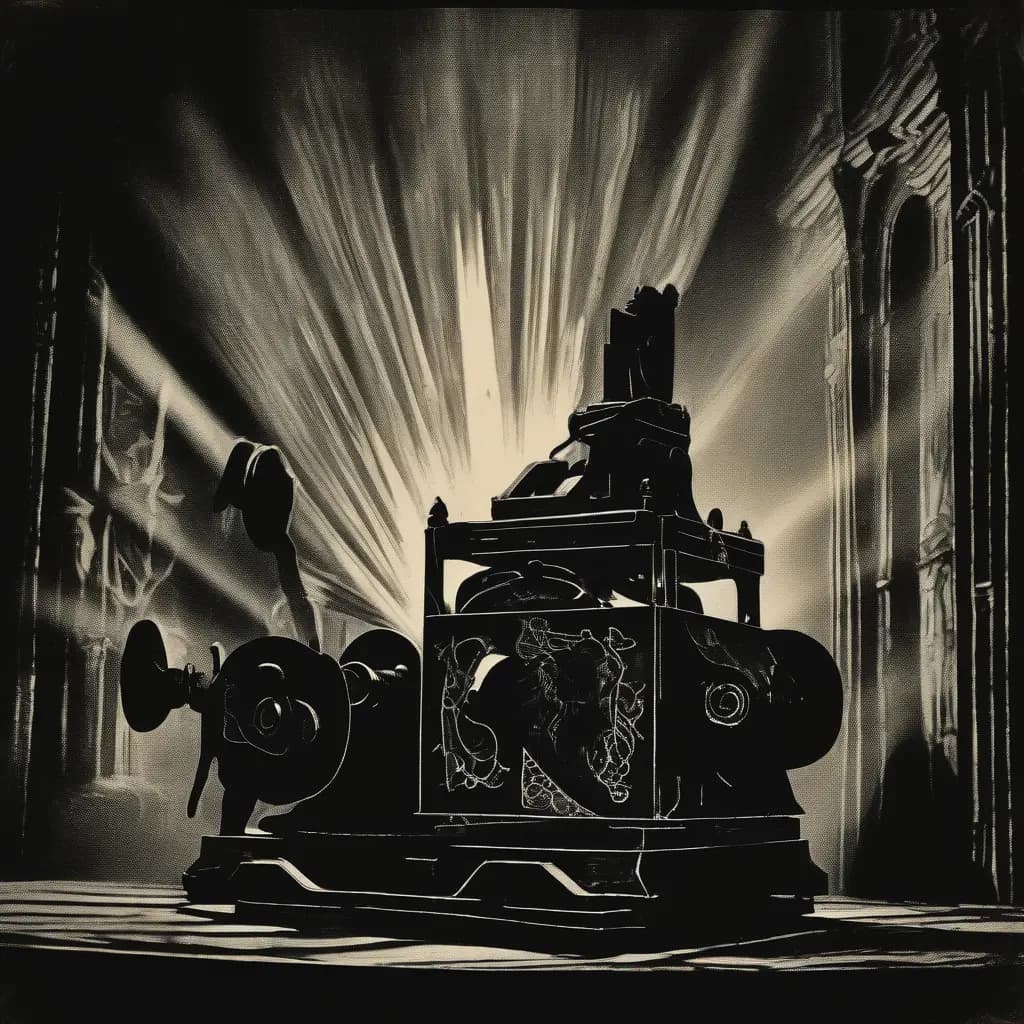
“Long before midnight screenings and devoted fan bases, the seeds of cult cinema were sown in the fertile, often unsettling, ground of early 20th-century European occultism and mysticism. This was an era where the unseen was as real as the tangible, and the nascent art of film became its most potent,…”
We often trace the lineage of cult cinema to the transgressive counter-culture of the 60s and 70s, to the midnight movie circuit, or to the VHS-era discoveries that built fervent, niche followings. But to truly understand the deep, almost primal magnetism of films that defy mainstream categorization, we must cast our gaze further back, into the smoky, gaslit salons and shadowed studios of early 20th-century Europe. Here, amidst a fervent revival of occultism, spiritualism, and esoteric philosophy, a generation of filmmakers, artists, and thinkers began to forge a cinematic language steeped in the unseen, the psychological, and the deeply unsettling. This wasn't just about horror; it was about a profound, often disturbing, exploration of existence itself, laying the very groundwork for what we now understand as the cult film aesthetic.
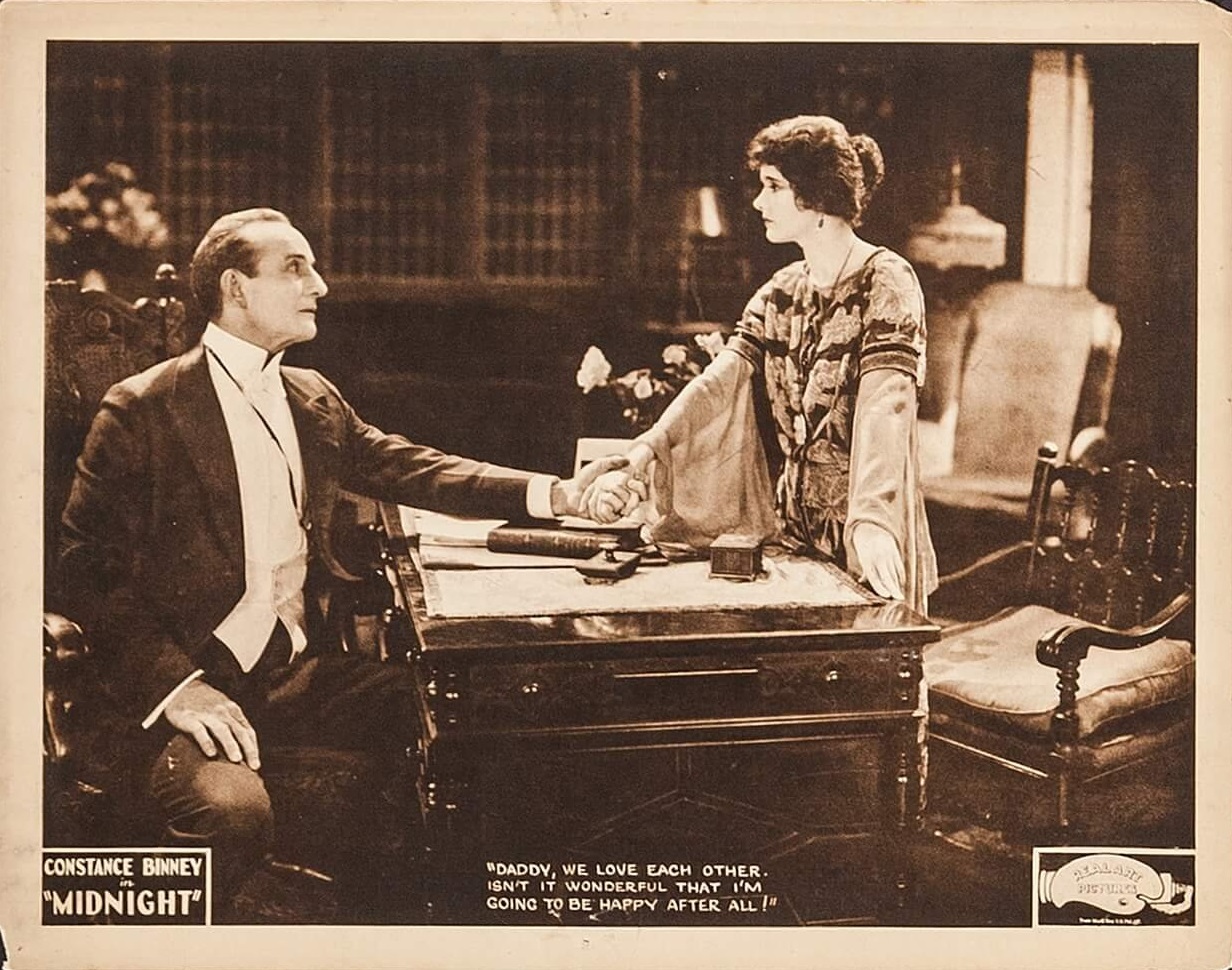
The Veiled World: Europe's Fin-de-Siècle Fascination with the Occult
The turn of the 20th century in Europe was a cauldron of anxiety and innovation. Scientific advancements clashed with spiritual yearning, industrialization alienated individuals, and the impending shadow of global conflict fueled a desperate search for meaning beyond the material. This was the era of the Fin-de-Siècle, characterized by a deep cultural malaise, a fascination with decadence, and a profound interest in the occult. Secret societies like the Hermetic Order of the Golden Dawn flourished, figures like Aleister Crowley courted notoriety, and the writings of Helena Blavatsky and Rudolf Steiner captivated intellectuals. Spiritualism, mesmerism, and various forms of mysticism permeated art, literature, and philosophy, providing an escape from, or an explanation for, a world in flux.
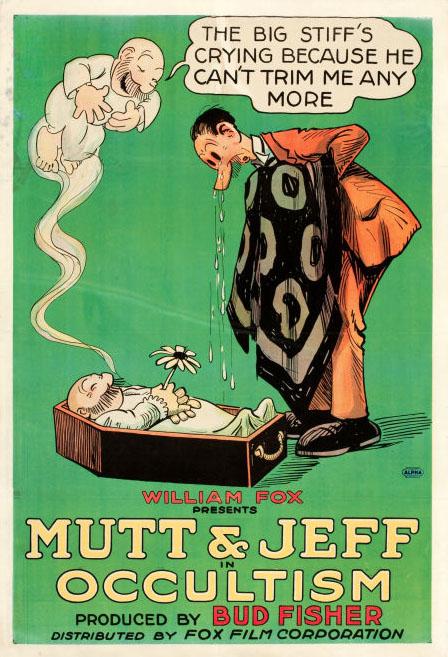
It's crucial to understand that cinema, as a nascent medium, emerged precisely into this atmosphere. Unlike theater, which relied on tangible sets and actors, film possessed an inherent, almost supernatural ability to manipulate reality. It could conjure ghosts, animate the inanimate, distort perception, and transport audiences into dreamscapes with an immediacy no other art form could match. The flickering images on a screen felt like magic, a modern séance, capable of revealing hidden truths or terrifying subconscious fears. Filmmakers, many of whom were artists first, intuitively grasped this potential, using the camera not just to record, but to conjure.
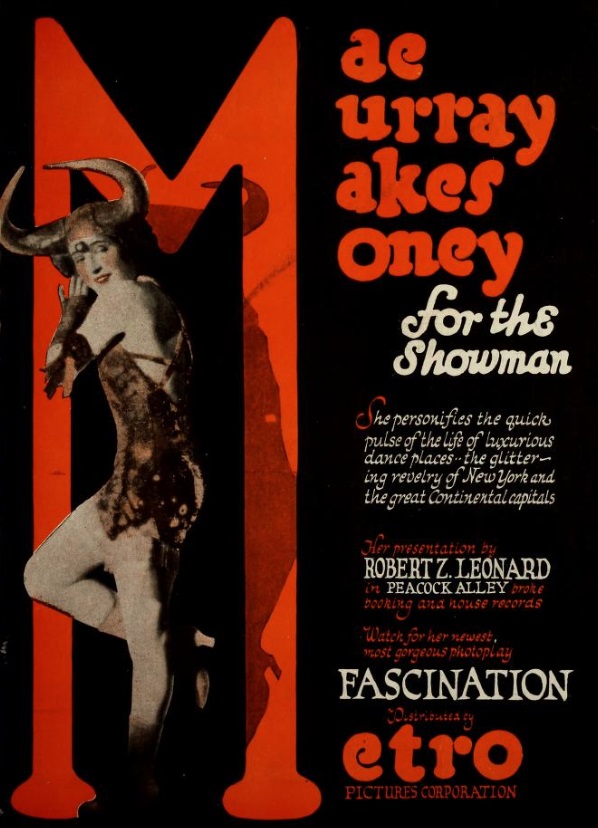
The moving image wasn't merely entertainment; it was a new form of ritual, a collective dream-space where the boundaries between the real and the spectral blurred, perfectly mirroring the era's occult preoccupations. This inherent quality, the medium's very DNA, made it a natural canvas for exploring themes of the hidden, the fated, and the psychologically complex – elements that would become cornerstones of cult cinema.
Shadows and Symbols: German Expressionism's Mystical Core
Nowhere was this esoteric influence more pronounced than in Germany, giving rise to the visually arresting movement known as German Expressionism. Films like Robert Wiene's The Cabinet of Dr. Caligari (1920) are often cited for their distorted sets and psychological horror, but their deeper resonance lies in their embrace of a world governed by unseen forces, madness, and a pervasive sense of predestination. The jagged angles, painted shadows, and non-naturalistic performances were not just stylistic choices; they were attempts to externalize inner states, to make the spiritual and psychological turmoil of the characters palpable.

Consider the themes: manipulation, hypnosis, the blurring of sanity and madness, the oppressive weight of destiny. These are not merely narrative devices; they echo the era's fascination with mesmerism, the power of suggestion, and the idea of a hidden, controlling will. F.W. Murnau’s Nosferatu (1922) is another prime example, not just as a vampire film, but as a chilling meditation on a primal, ancient evil seeping into the modern world, a supernatural force of pestilence and despair. The film's stark visuals and creeping dread tap into a deeply superstitious and fatalistic worldview, one where rational thought offers little defense against the encroaching darkness.
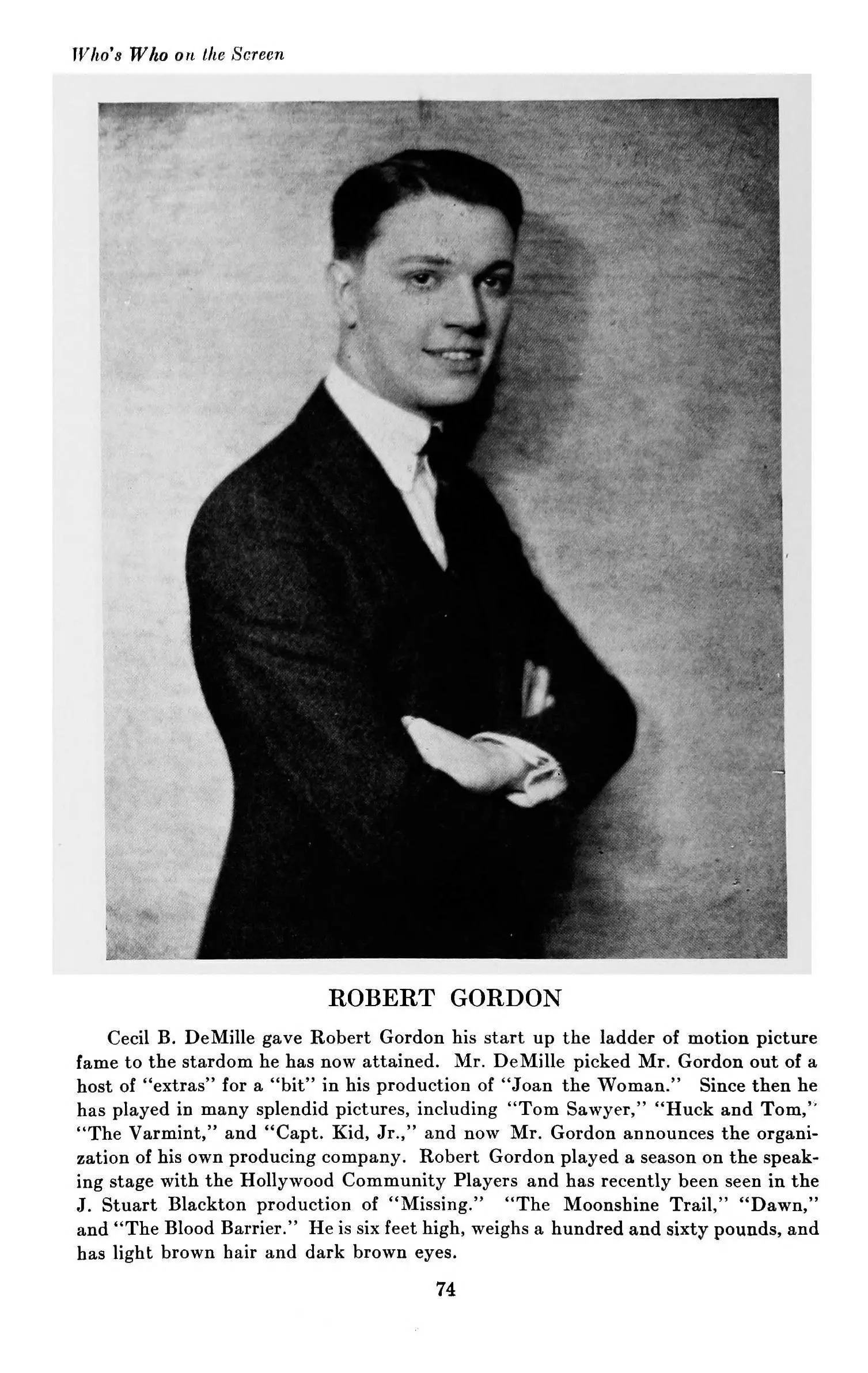
Even less overtly supernatural films from this period carried an esoteric weight. Dramas exploring moral descent or the crushing grip of fate often resonated with a sense of predetermined destiny, a concept central to many mystical traditions. Take for instance, a film like Der Weg, der zur Verdammnis führt, 1.Teil - Das Schicksal der Aenne Wolter (1918). While its narrative focuses on a young woman's journey down a 'wrong path' in the big city, leading to seduction and abduction, the very title — 'The Way That Leads to Damnation, Part 1 - The Fate of Aenne Wolter' — speaks volumes. It’s not just about poor choices, but a 'fate' (Schicksal) that feels preordained, a descent into a 'quagmire' that evokes a karmic or spiritual downfall. This fatalism, the sense of an inescapable trajectory, aligns perfectly with certain esoteric views on destiny and the consequences of actions, whether seen or unseen. This profound sense of a fated existence, where characters are swept along by forces beyond their control, is a recurring motif that lends a proto-cult resonance, inviting audiences to ponder deeper philosophical questions about free will and cosmic design.
Beyond the Séance: French Avant-Garde and the Alchemical Image
Across the Rhine, the French Avant-Garde, particularly Surrealism, also delved deep into the esoteric, albeit through a different lens. Influenced by Freudian psychoanalysis and the automatic writing experiments of André Breton, these filmmakers sought to unlock the subconscious mind, to explore dreams, desire, and the irrational. This was an alchemical cinema, transforming the mundane into the miraculous, the logical into the dreamlike. Directors like Germaine Dulac with The Seashell and the Clergyman (1928) or Luis Buñuel and Salvador Dalí with Un Chien Andalou (1929) created films that defied conventional narrative, instead operating on a dream logic that resonated deeply with esoteric concepts of the collective unconscious, archetypes, and hidden realities.
The Surrealists, with their fascination for the bizarre juxtaposition and the unsettling beauty of the irrational, were essentially cinematic alchemists, seeking to transmute everyday reality into something higher, stranger, and more profound. Their films weren't meant to be understood in a linear fashion but to be experienced, felt, and pondered, much like a mystical text or a symbolic dream. This rejection of conventional sense-making and embrace of ambiguity directly prefigures the kind of challenging, enigmatic cinema that cult audiences would later embrace.

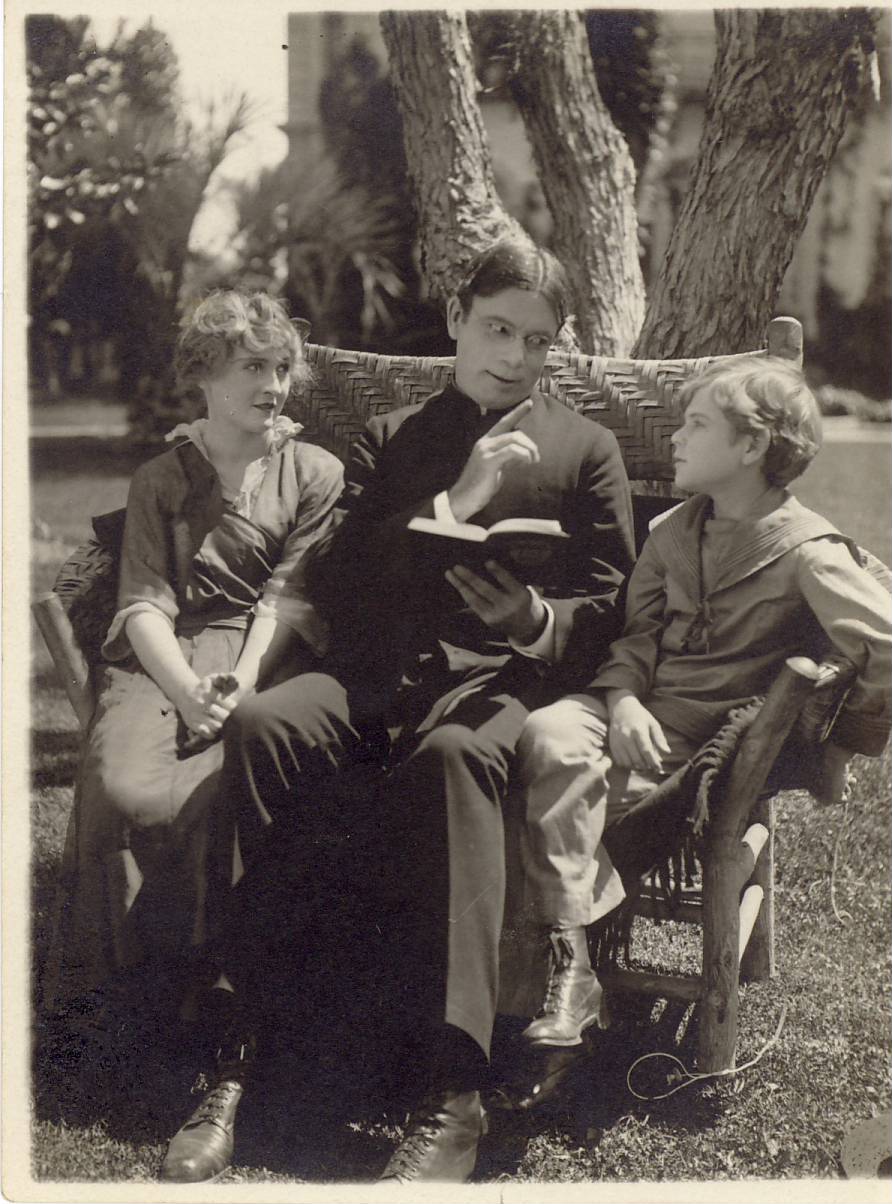
Even within more conventional narrative structures, the undercurrent of hidden knowledge and clandestine operations often mirrored esoteric concerns about veiled truths and secret hierarchies. Films like I Want to Forget (1918), where a dancer is part of the Austrian secret service, or the serials like The Seven Pearls (1915) or The Secret Kingdom (1916), with their elaborate plots of intrigue, hidden agendas, and powerful secret figures, tap into a similar vein. While not explicitly occult, they explore worlds governed by unseen hands, where appearances are deceiving, and true power lies in the shadows – a narrative framework that resonates deeply with the esoteric fascination for hidden knowledge and control. The very allure of uncovering these 'secrets' or understanding the 'hidden kingdom' is a proto-cult impulse, drawing viewers into a conspiratorial world that feels both fantastical and unsettlingly real.
The Unseen Architect: How Esoteric Visions Shaped Cinematic Language
What's truly remarkable about these early esoteric-influenced films is how they pushed the boundaries of cinematic language. They experimented with editing, camera angles, lighting, and set design not for mere shock value, but to convey a deeper, often uncomfortable, reality. The use of superimposition to suggest ghosts or psychological states, the manipulation of speed to evoke altered perceptions, the construction of sets that mirrored internal landscapes – these were all innovations born from a desire to communicate the ineffable. This wasn't just about telling a story; it was about creating an experience, a ritual, that transcended the screen.
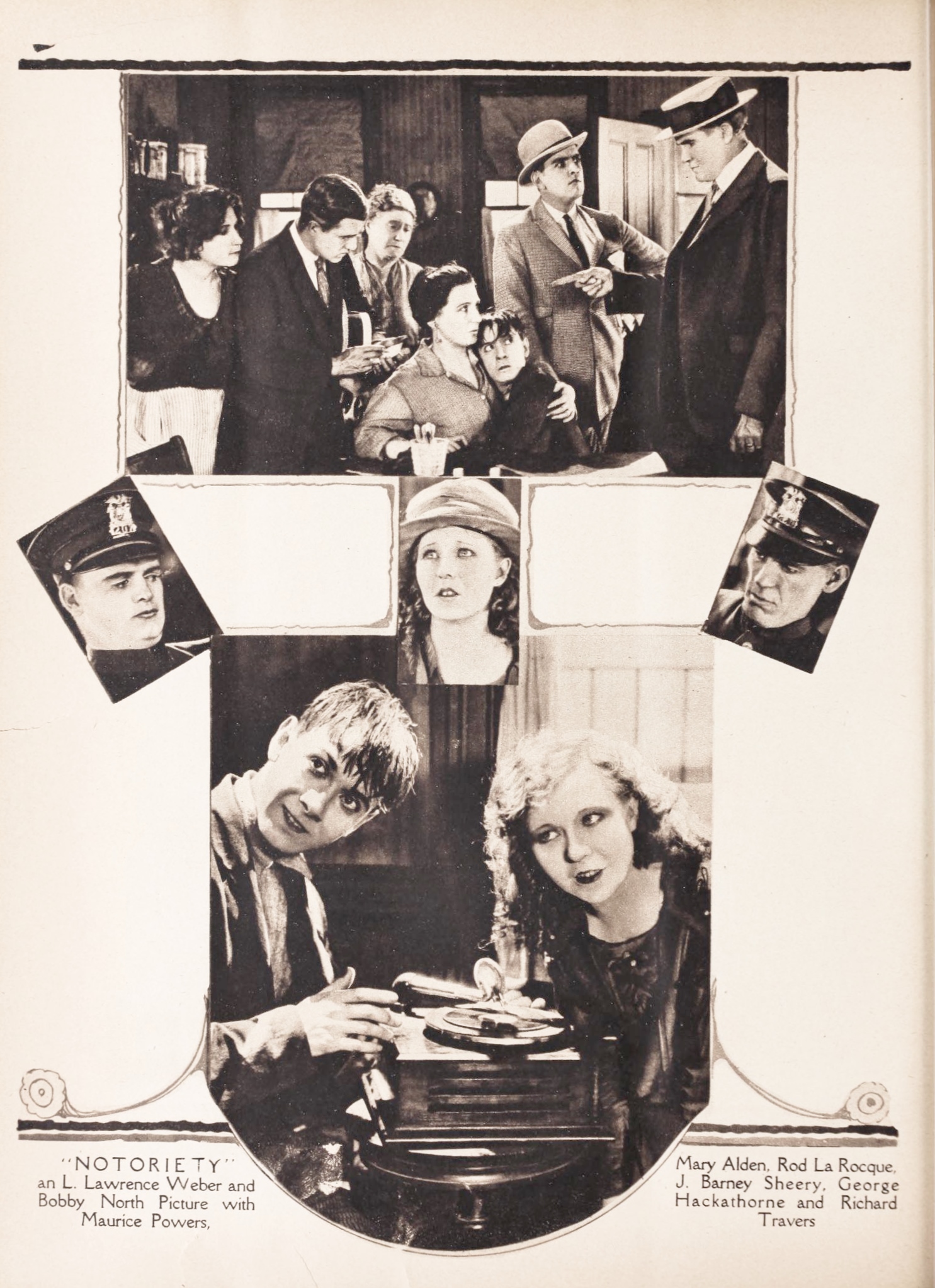
Consider the subtle ways even seemingly straightforward narratives adopted this esoteric undercurrent. A film like the Dutch production Op hoop van zegen (1911), depicting a poor fisherman's wife sending her sons out to sea on a dilapidated boat, embodies a profound sense of fatalism and the struggle against overwhelming, unseen forces – in this case, the unforgiving sea and economic hardship. This struggle against a 'fate' that feels larger than human agency is a universal theme, but in the context of the era's spiritual anxieties, it takes on a deeper, almost biblical, resonance. The relentless, often tragic, outcomes reflect a worldview where human will is often subservient to cosmic or natural law, a perspective echoed in many esoteric philosophies.
These films, whether overtly mystical or subtly fatalistic, demanded a different kind of spectatorship. They weren't passive entertainment; they required engagement, interpretation, and a willingness to confront unsettling ideas. They cultivated an audience attuned to subtext, symbolism, and the emotional resonance beyond the plot – precisely the kind of audience that would form the bedrock of cult fandoms decades later. The ambiguous endings, the unresolved psychological tensions, the visual metaphors that lingered long after the credits rolled – these were the early blueprints for a cinema designed to provoke thought and discussion, not just consumption.
Echoes in the Ether: The Enduring Resonance of Early Esoteric Cinema
The influence of this early esoteric cinema is pervasive, even if often unacknowledged. The stylized visuals of German Expressionism would directly inspire Hollywood film noir, lending a dark, fated quality to its crime narratives. The dream logic of Surrealism would seep into the works of directors from David Lynch to Alejandro Jodorowsky, artists whose films are unequivocally cult phenomena. The very idea of cinema as a medium for psychological exploration, for delving into the darker recesses of the human psyche, owes an immense debt to these early pioneers.
When we watch a modern cult film that challenges our perceptions, that uses visual metaphor to convey complex emotions, or that presents a world governed by forces beyond our understanding, we are, in a very real sense, engaging with the legacy of this esoteric lens. The attraction to films that are unsettling, that demand multiple viewings, that invite deep interpretation and discussion – this isn't a new phenomenon. It's an echo of the collective yearning for meaning in a chaotic world, a desire to peer behind the veil, that has been present since cinema's earliest days.
These were films that dared to look inward, to explore the spiritual anxieties and hidden desires of an entire continent on the brink of profound change. They didn't just reflect the era's fascination with the occult; they became a part of it, offering audiences a new, powerful way to confront the mysteries of existence. In their shadowy figures, their distorted realities, and their profound sense of destiny, we find the true ancestral home of cult cinema – a place where the screen became an altar, and the flickering light a conduit to the unseen.
Rediscovering the Roots of Rebellion
To dismiss these early films as mere historical curiosities is to miss a vital piece of cult cinema's genetic code. They were the original outsiders, films that challenged the burgeoning conventions of the medium and the prevailing rationalism of their time. They spoke to a part of the human experience that craves mystery, that seeks patterns in chaos, and that finds profound resonance in the struggle between visible and invisible forces. Their legacy isn't just in their stylistic innovations, but in their very spirit of inquiry, their willingness to venture into the unsettling, the ambiguous, and the deeply psychological.
So, the next time you find yourself drawn to a film that defies easy explanation, a cinematic riddle that lingers in your mind, remember the flickering shadows of early European cinema. Remember the artists and thinkers who, driven by an esoteric hunger, transformed the nascent medium into a portal to the unseen. They didn't just make films; they forged a cinematic philosophy, a way of seeing that continues to resonate with those of us who seek something more, something deeper, in the darkness of the movie theater. This is the true, enduring power of the esoteric lens, a foundational element in the enduring, rebellious heart of cult cinema.
Community
Comments
Log in to comment.
Loading comments…