
DbcultAccessing Vault...
Director's Spotlight
Senior Film Conservator
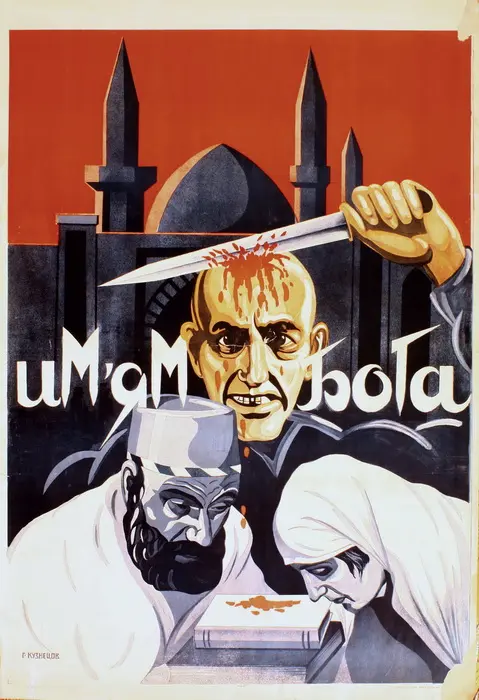
Director's Spotlight: Soviet Union
A Deep Dive into the 1925 Vision of Abbas Mirza Sharifzadeh
The History DNA of Bismillah is a reflection of Soviet Union's the historical context that Abbas Mirza Sharifzadeh weaves into the History fabric. Challenging the viewer to find meaning in the History shadows, it transcends regional boundaries to tell a universal story.
In Bismillah, Abbas Mirza Sharifzadeh pushes the boundaries of conventional narrative. The film's unique approach to its subject matter has sparked endless debates and interpretations among cinephiles and critics alike.
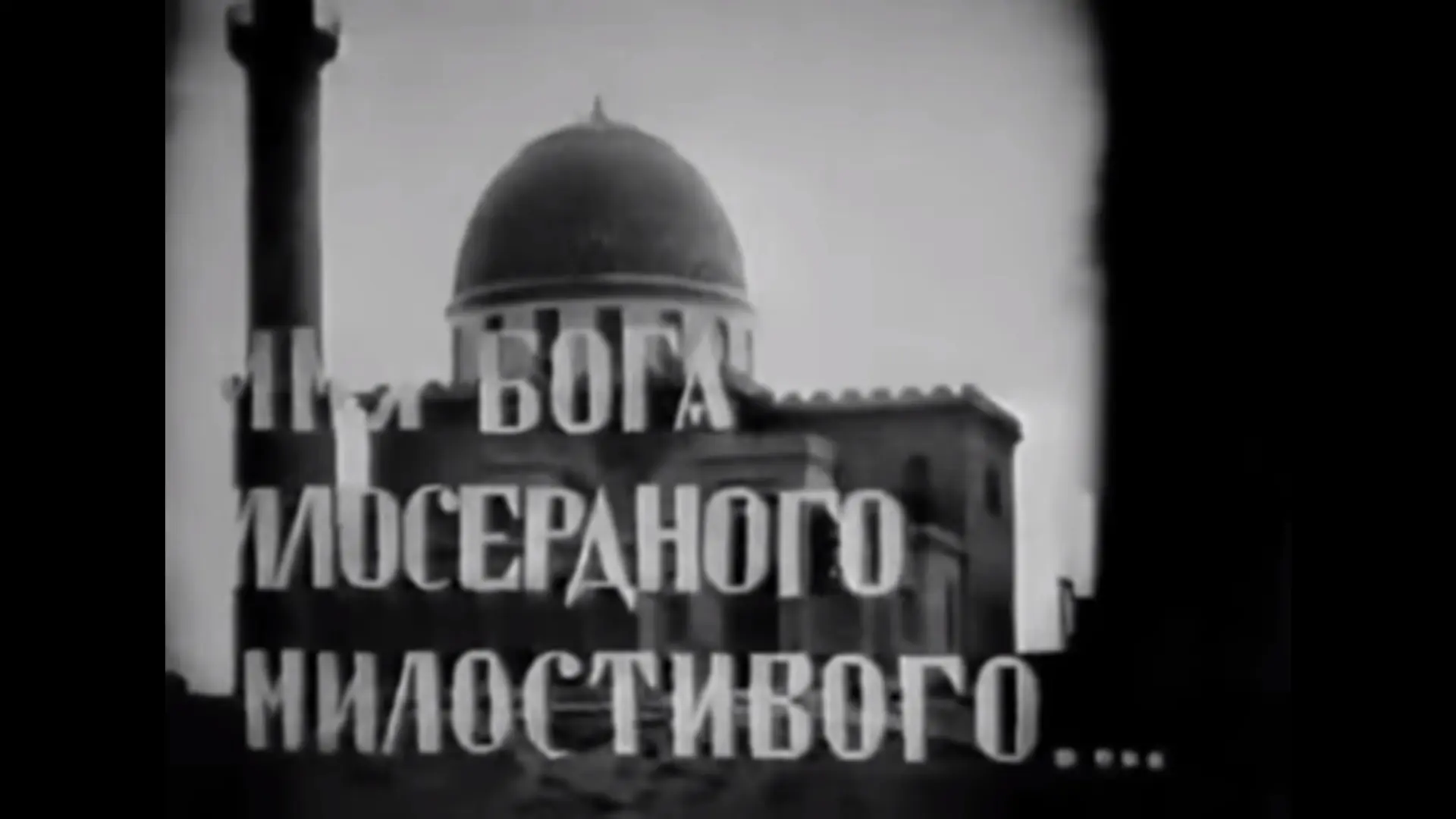
In this work, Abbas Mirza Sharifzadeh explores the intersection of History and Soviet Union cultural identity. The meticulous attention to detail suggests a deep-seated commitment to pushing the boundaries of the medium, ensuring that Bismillah remains a relevant topic of study for History enthusiasts.
| Cinematography | High-Contrast |
| Soundtrack | Experimental |
| Editing | Invisible |
| Art Direction | Kitsch |
Visualizing the convergence of Abbas Mirza Sharifzadeh's style and the core History narrative.
Religiously themed early Soviet propaganda film in Azerbaijan against Islam. Unlike earlier propaganda films in the region, this was actually made by an (nearly) all Azeri cast and crew and directed by an Azeri filmmaker that would go on to be famous amongst his own people, despite his early collusion with the new ruling government. At the center of the film is a greed Molla (holy man in Azeri Islam) who has been cheating one of the local peasants for years out of all types of goods and services, and then delighting over his success in an very un-religious, specifically un-Islamic, way. Once the Revolution takes place and the Bolsheviks arrive, the peasant is empowered and realizes the deception on the part of the Molla and takes him to the newly set up "People's Court," where is finds justice and the Molla is punished.
Decades after its release, Bismillah remains a vital piece of the cinematic puzzle. Its influence can be seen in countless modern works, solidifying Abbas Mirza Sharifzadeh's status as a master of the craft in Soviet Union and beyond.