
Film History
The Altar of the Isolated: How Silent Cinema’s Frontier Outposts and Coastal Solitude Scripted the DNA of the Modern Survivalist Cult
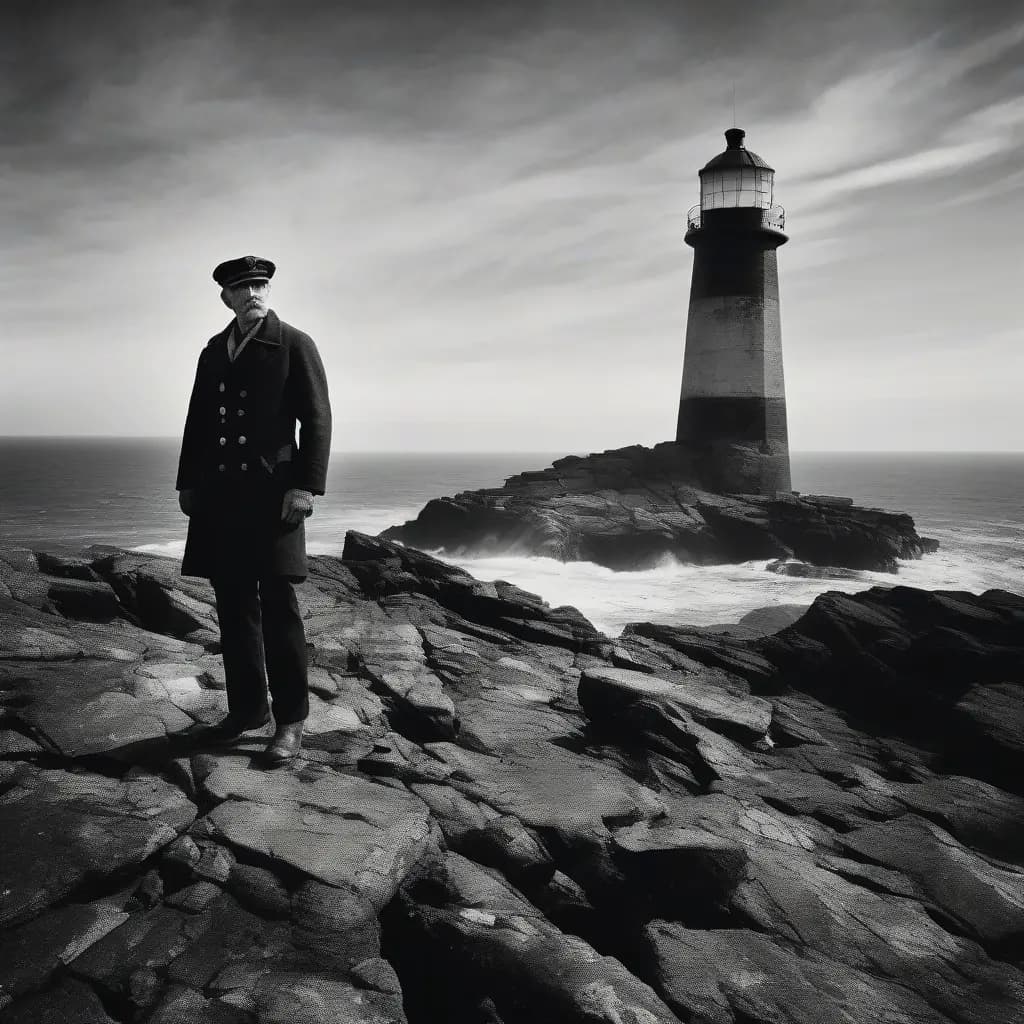
“Long before 'The Lighthouse' or 'The Revenant', the silent era utilized isolated geographies to explore the psychological collapse and radical autonomy of the cinematic outlier.”
There is a specific, haunting frequency found only in the grain of early nitrate film when it captures the absolute stillness of a landscape. It is a visual silence that precedes the literal silence of the medium, a sense that the characters on screen are not merely in a location, but are being digested by it. Before the advent of the blockbuster or the standardized hero’s journey, the early masters of the frame understood that the most compelling drama wasn’t found in the crowded parlors of the city, but in the 'non-spaces' of the world: the lighthouses, the frozen borderlands, and the islands where the law of man is replaced by the law of the elements. These films, often dismissed as simple melodramas or adventure shorts, actually provided the foundational blueprint for what we now recognize as the cult of the survivalist—the cinematic obsession with the individual who, by choice or by fate, exists entirely outside the social contract.

The Lighthouse as a Sanctuary of the Subversive
In the 1924 production of Captain January, we are presented with a lighthouse keeper who discovers a child washed ashore. On the surface, it is a sentimental tale of adoption, but through a cult-historian’s lens, it is something much more radical. The lighthouse functions as a liminal space—a vertical fortress positioned between the crushing weight of the ocean and the encroaching 'civilization' of the mainland. The keeper’s refusal to surrender the child to her 'real' family is not just a plot point; it is an early cinematic manifesto for the autonomy of the outsider. It suggests that the bonds formed in isolation, under the rhythmic pulse of the beacon, are more authentic than those dictated by blood or bureaucracy.

This theme of the 'found family' in a forbidden or isolated space is a recurring heartbeat in cult cinema. It challenges the viewer to question who truly has the right to claim a life. The lighthouse, much like the desert islands of later exploitation films, acts as a crucible. It strips away the performative aspects of social class and leaves only the raw necessity of care and survival. When the family finally arrives to 'rescue' the child, they are framed not as saviors, but as intruders—agents of a stale world coming to extinguish a unique, isolated spark. This inversion of the rescue trope is a hallmark of the cult mindset: the idea that being 'lost' is often the only way to be truly found.

The Frozen Purgatory: Survivalism in the Land of Long Shadows
If the lighthouse represents a vertical sanctuary, the frozen north of the 1917 film The Land of Long Shadows represents a horizontal purgatory. Here, the setting is described as a place where the 'Sun hangs low and the hungry wolves' shadows play ominously.' This is not mere set dressing; it is an externalization of the protagonist’s internal struggle. Joe Mauchin, the trapper at the center of the story, is a prototype for the modern survivalist anti-hero. He is a man defined by the 'everlasting snow,' a blank canvas upon which the violence of human nature is writ large.
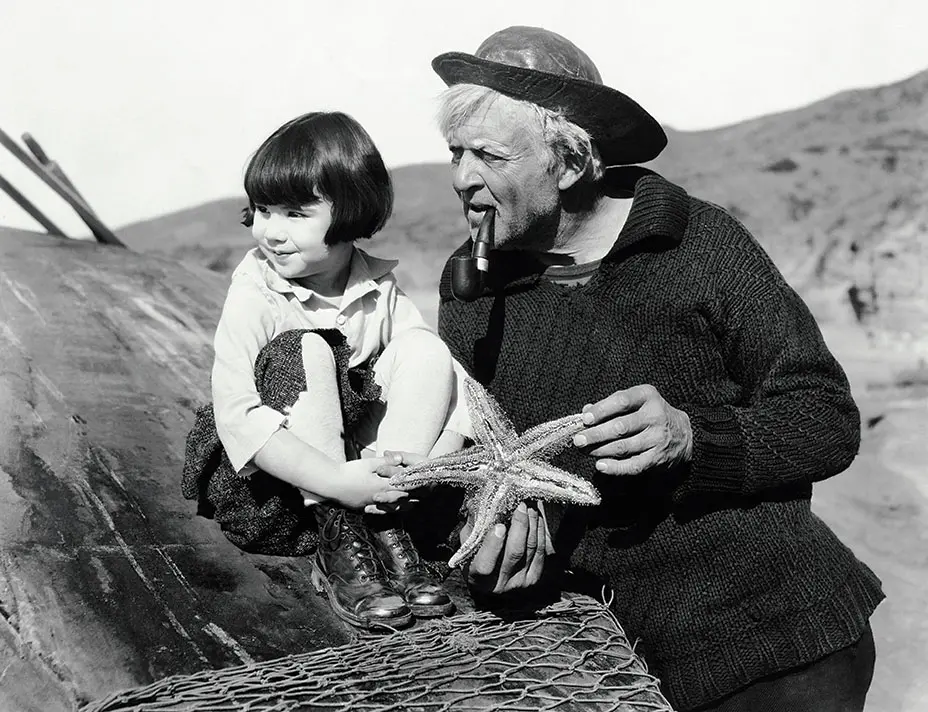
The silence of the frontier didn't just mute the voice; it amplified the animal instincts that society spends centuries trying to suppress.
In these early wilderness dramas, the environment is the primary antagonist, yet it is also the only place where the characters can achieve a state of 'primitive grace.' The cult of the survivalist relies on this paradox: the wilderness is brutal, yes, but it is honest. In The Land of Long Shadows, the threat of the wolves is constant, but the threat of human betrayal is what truly drives the tension. This narrative structure—man against nature as a mask for man against his own shadow—would eventually evolve into the survival horror genre. The 'long shadows' of the title are the precursors to the psychological hauntings of modern psychological thrillers, where the isolation of the setting forces a confrontation with the self that the city’s noise would otherwise drown out.
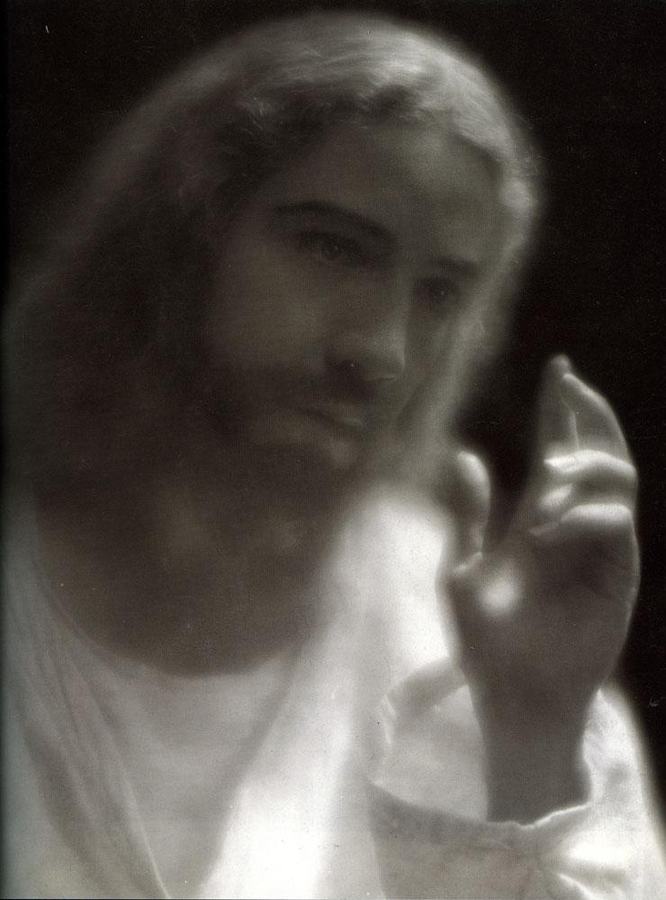
The Island of the Purity Trap: Moral Decay in The Dancing Girl
Isolation isn't always about the physical distance from others; sometimes it is about the cultural distance created by rigid belief systems. In the 1915 film The Dancing Girl, we see a young Quaker girl, Drusilla Ives, living on an isolated island. The island is a 'purity trap'—a space so shielded from the 'vices' of the world that its inhabitants have no defense against them when they finally encounter them. When Drusilla leaves the island to become a servant in London, the transition is not just a change of scenery; it is a descent into a decadent, spendthrift hell.
The cult appeal of The Dancing Girl lies in its subversion of the 'pure' space. The island, while ostensibly a paradise of faith, is actually a site of repression. This theme resonates deeply with the cult cinema tradition of exploring closed communities—cults, communes, and religious sects—where the isolation intended to preserve virtue actually breeds a peculiar kind of vulnerability. Drusilla’s journey from the 'isolated island' to the 'lord of the village' in London mirrors the trajectory of the classic cult protagonist: the naive outsider who enters a corrupt system and is either destroyed by it or transformed into something unrecognizable. The island remains in the background as a ghost of what was lost, a symbol of an impossible return to innocence.
The Outpost as a Site of Fracture: The Military Deserter
The military outpost, as seen in the 1912 film The Deserter, provides a different kind of isolation: the isolation of the man who is 'among' others but fundamentally 'apart' from them. Lieutenant Parker, stationed at a Western outpost, is driven to desertion not by cowardice, but by a fracture of the heart and a conflict with his commanding officer. The 'outpost' here is a pressure cooker, a site where the rigid hierarchies of the army collide with the untamed reality of the frontier.
- The Outpost as Purgatory: A place where one's past and future are held in a state of permanent tension.
- The Act of Desertion: A radical reclaiming of the self from the machinery of the state.
- The Liminal Hero: A character who belongs to two worlds and is therefore accepted by neither.
Parker’s flight from the outpost is the ultimate act of the cult outlier. By deserting, he enters a social vacuum where he must forge a new identity. This 'outlaw' status is a recurring motif in cult cinema, from the rogue samurai to the post-apocalyptic drifter. The early silent films understood that the frontier was not just a place of expansion, but a place of subtraction. To survive the outpost, one had to lose a part of themselves; to survive the desertion, one had to become someone else entirely.
The Legacy of the Nitrate Outlier
Why do these flickering, century-old tales of lighthouses and snowdrifts still hold such a mesmeric grip on the cult imagination? It is because they touch upon the primal anxiety of being truly alone. In an era of hyper-connectivity, the 'isolated soul' of silent cinema feels more relevant than ever. Films like Anne of Little Smoky, which depicts a struggle over a government-mandated game preserve, show that the battle for the 'wild' has always been a battle for the soul. The Brocktons’ challenge to the government’s right to the land is a proto-libertarian cult narrative, a scream against the enclosure of the individual spirit.
The silent era didn't just give us the grammar of film; it gave us the geography of the outlier. It taught us that the most profound stories are often those told at the very edge of the map, where the light of the beacon fades and the long shadows begin. These films are the ancestors of every midnight movie that celebrates the freak, the hermit, and the survivor. They remind us that while society may provide safety, it is only in the silence of the outpost that we truly discover what we are made of. The nitrate may be decaying, but the spirit of the isolated soul—refusing to be tamed, refusing to be 'rescued'—remains as vivid and dangerous as a wolf's shadow on the snow.
Community
Comments
Log in to comment.
Loading comments…