
DbcultAccessing Vault...
Director's Spotlight
Senior Film Conservator
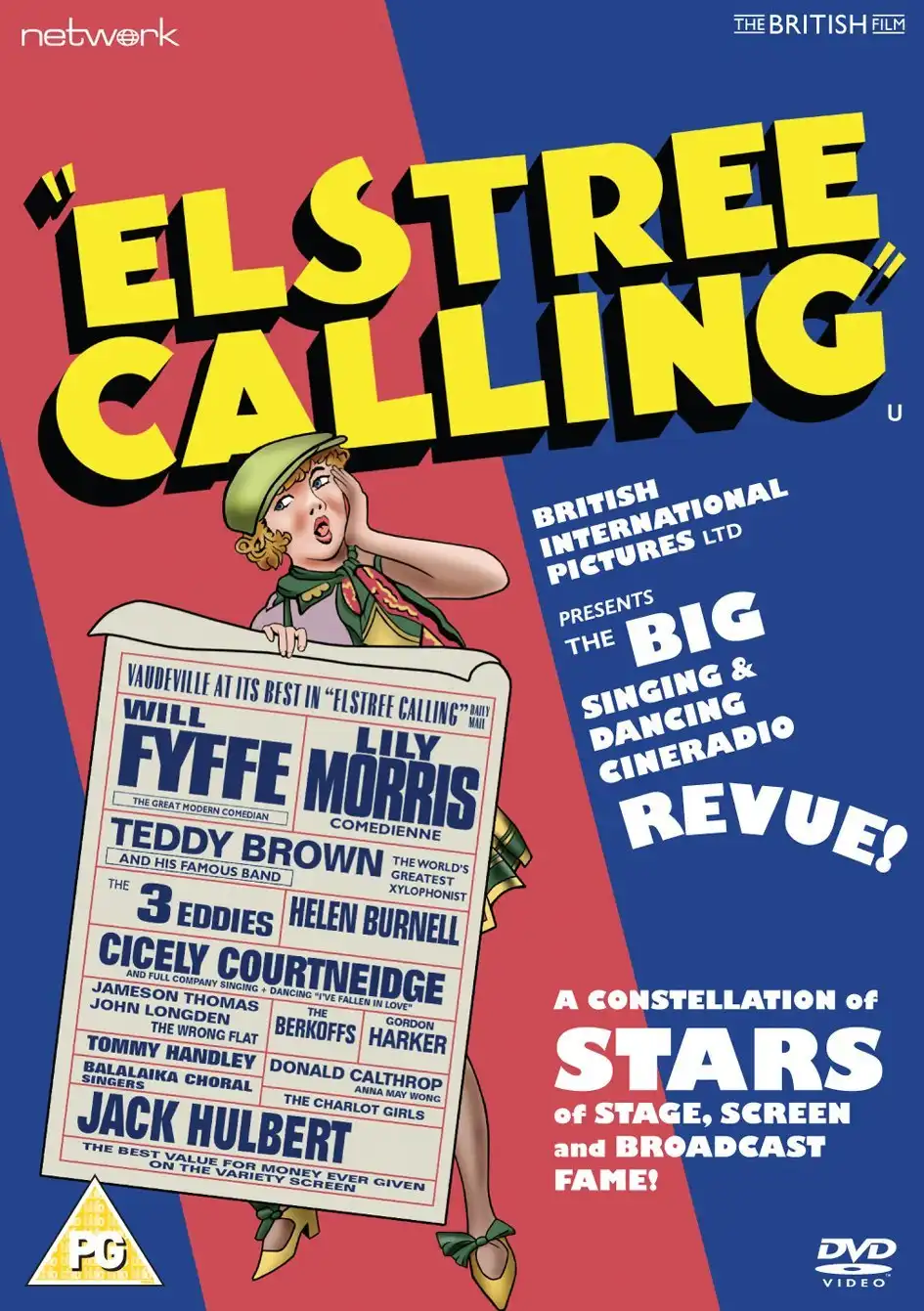
Director's Spotlight: United Kingdom
A Deep Dive into the 1930 Vision of Adrian Brunel
Few works in United Kingdom cinema carry the same weight as Elstree Calling, especially regarding the technical innovation that Adrian Brunel introduced to the Comedy format. Subverting the expectations of the typical 1930 audience, it bridges the gap between traditional Comedy and contemporary vision.
In Elstree Calling, Adrian Brunel pushes the boundaries of conventional narrative. The film's unique approach to its subject matter has sparked endless debates and interpretations among cinephiles and critics alike.
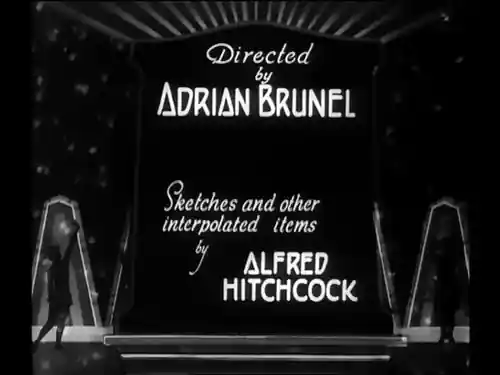
In this work, Adrian Brunel explores the intersection of Comedy and United Kingdom cultural identity. The meticulous attention to detail suggests a deep-seated commitment to pushing the boundaries of the medium, ensuring that Elstree Calling remains a relevant topic of study for Comedy enthusiasts.
| Cinematography | Noir-Inspired |
| Soundtrack | Synth-Heavy |
| Editing | Disjunctive |
| Art Direction | Baroque |
Visualizing the convergence of Adrian Brunel's style and the core Comedy narrative.
A series of nineteen musical and comedy "vaudeville" sketches presented in the form of a live broadcast hosted by Tommy Handley (as himself). There are two "running gags" which connect the sketches. In one, an actor wants to perform Shakespeare, but he is continually denied air-time. The other gag has an inventor trying to view the broadcast on television. Four of the sketches are in color (in shades of yellow and brown only).
Decades after its release, Elstree Calling remains a vital piece of the cinematic puzzle. Its influence can be seen in countless modern works, solidifying Adrian Brunel's status as a master of the craft in United Kingdom and beyond.