
DbcultAccessing Vault...
Listicle
Senior Film Conservator
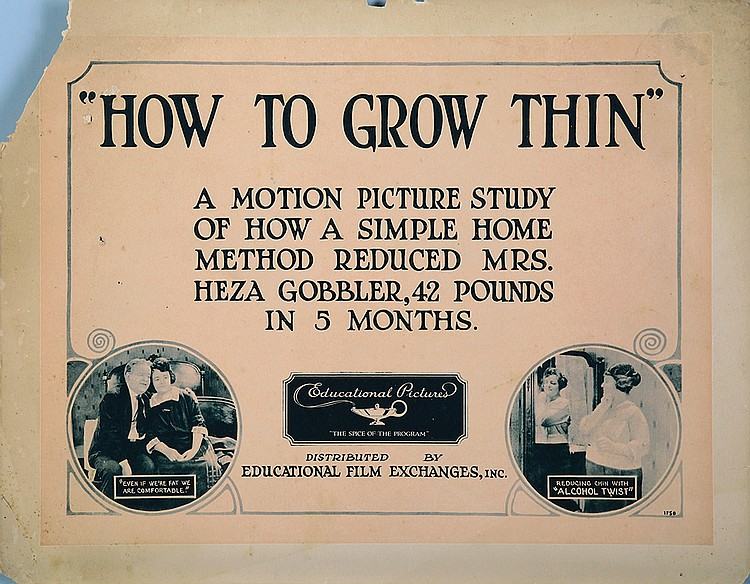
In the early 1920s, experimental shorts were often used to convey satirical social commentary, and How to Grow Thin remains a fascinating artifact of that era. This film utilizes the unique visual grammar of silent comedy to poke fun at the burgeoning obsession with health and diet culture, a theme that feels surprisingly modern today. Its snappy pacing and creative use of title cards showcase how early filmmakers mastered the art of visual storytelling without uttering a single word. Read full review of How to Grow Thin
Few adaptations of Robert Louis Stevenson's classic tale capture the sheer dread and psychological torment as effectively as this 1920 silent horror masterpiece. John Barrymore delivers a legendary performance that relies heavily on extreme facial expressions and lighting techniques that were revolutionary at the time. It is a haunting exploration of human duality, proving that the silent screen was the perfect canvas for the gothic and the grotesque. Read full review of Dr. Jekyll and Mr. Hyde
At the Ringside offers a visceral look at the world of early 20th-century boxing. The camera work here is surprisingly kinetic, capturing the raw intensity of the sport with a level of engagement that makes the viewer feel like they are sitting in the front row. It remains a key piece of sports cinema, highlighting how silent films captured physical movement long before the advent of sound and high-speed photography. Read full review of At the Ringside
A gripping drama that weaves a complex web of moral ambiguity, Thou Art the Man is a testament to the sophistication of screenwriting in the early 1920s. The film excels at character development, using subtle gestures and expressive cinematography to build tension that eventually culminates in a powerful resolution. It is a masterclass in how silent film directors built suspense through silence and atmosphere. Read full review of Thou Art the Man
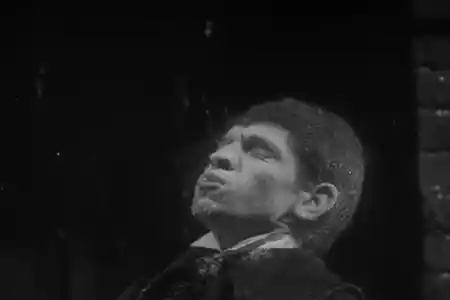
As the silent era transitioned into the age of talkies, films like Im Auto durch zwei Welten provided a bridge, offering audiences a grand, sweeping narrative about travel and exploration. The cinematography captures vast landscapes with an ambition rarely seen at the time, turning the journey into a character of its own. It is an adventurous epic that captures the spirit of early global exploration on celluloid. Read full review of Im Auto durch zwei Welten
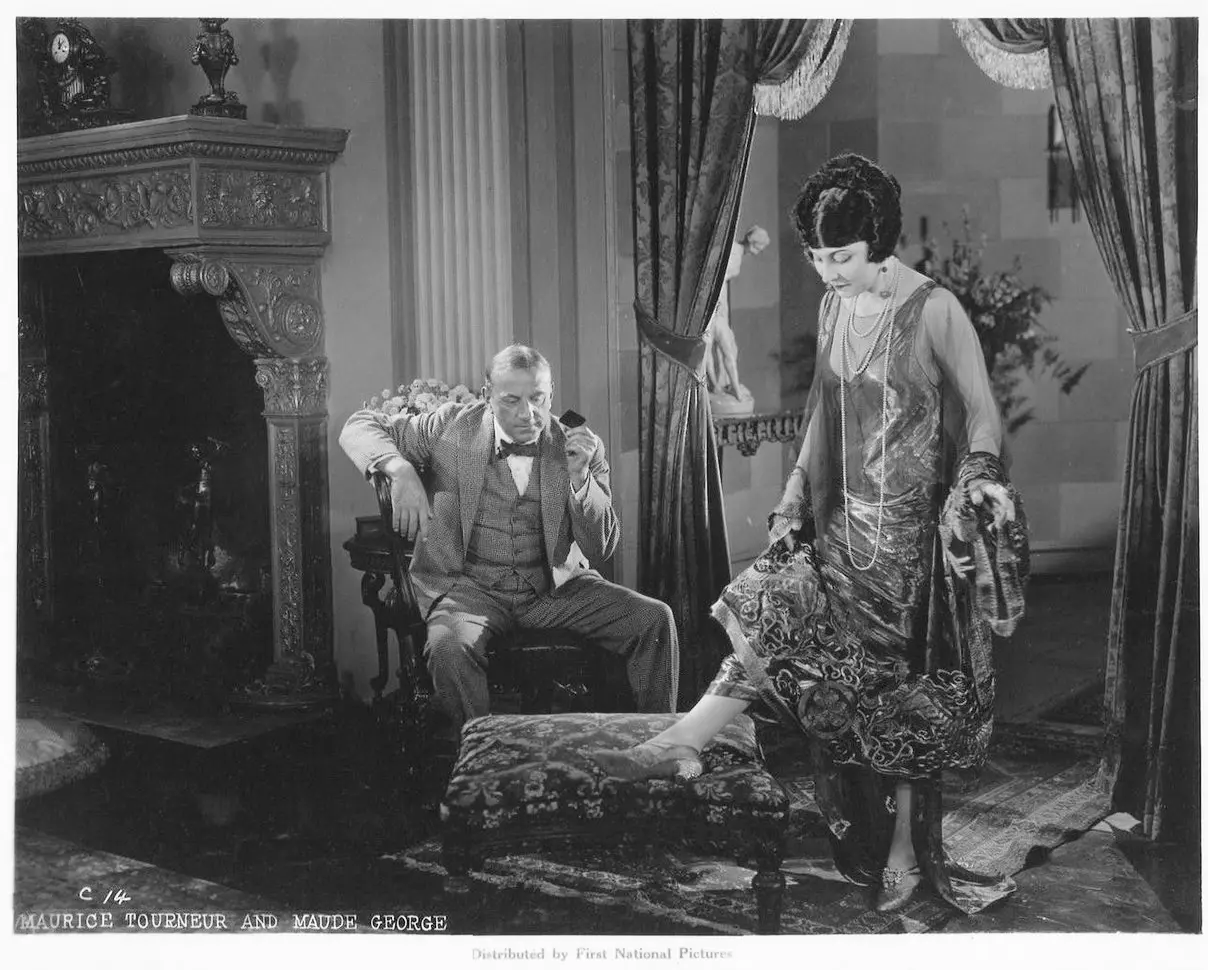
Steeped in the occult and dark atmosphere, El protegido de Satán is a rare look at the European horror landscape of the late 1910s. The production design is exceptionally dark, utilizing shadows and stark contrasts to tell a story of corruption and temptation. It stands as a chilling reminder that the foundations of horror were being built on the silent screen long before the genre became a commercial staple. Read full review of El protegido de Satán
A poignant and visually stunning drama, Das sterbende Modell explores themes of art, mortality, and the passage of time. The film uses the medium to evoke deep emotional resonance, focusing on the intimate lives of its characters rather than grand spectacle. Its aesthetic quality is high, showcasing the influence of Expressionism in early German cinema and its ability to convey complex inner states through visual composition. Read full review of Das sterbende Modell
As the 1920s reached their peak, City of Shadows emerged as a definitive urban drama, capturing the loneliness and mystery inherent in the bustling metropolis. The use of cityscapes as a backdrop for human conflict is expertly handled, creating an almost noir-like atmosphere that was ahead of its time. It is a stunning visual document of the era's urban anxiety. Read full review of City of Shadows
Breakers Ahead is an early example of disaster-inflected drama that focuses on the fragility of human relationships in the face of inevitable calamity. The film’s ability to create stakes through pacing and tension is noteworthy, proving that even in the earliest days of cinema, filmmakers understood the mechanics of the thrill ride. It remains an essential watch for those interested in the structural history of drama. Read full review of Breakers Ahead
La reine Lumière is a lush, artistic endeavor that highlights the French contribution to the silent medium. The film focuses on aesthetics, lighting, and performance, resulting in a dream-like quality that distinguishes it from the harder-edged dramas of the time. It is a beautiful, ethereal experience that emphasizes the 'art' in cinema, leaving a lasting impression on the viewer's visual imagination. Read full review of La reine Lumière