
DbcultAccessing Vault...
Listicle
Senior Film Conservator
The silent film era was a period of boundless creativity, frantic experimentation, and unparalleled visual storytelling. Before the arrival of synchronized dialogue, filmmakers had to rely entirely on expressive acting, innovative camera techniques, and pioneering special effects to capture the imaginations of audiences worldwide. Sadly, a staggering percentage of these early films have been lost to time, decay, or neglect. Yet, the legacy of this golden age lives on through the surviving reels and historical records of cinematic treasures that shaped the medium we love today.
In this curated listicle, we are shining a long-overdue spotlight on ten forgotten masterpieces from the silent and early transition eras. Ranging from 1914 to 1930, these films span genres from gripping detective mysteries and wild frontier Westerns to whimsical animations and early sound-era thrillers. Let us take a journey back in time and rediscover these ten incredible cinematic artifacts.
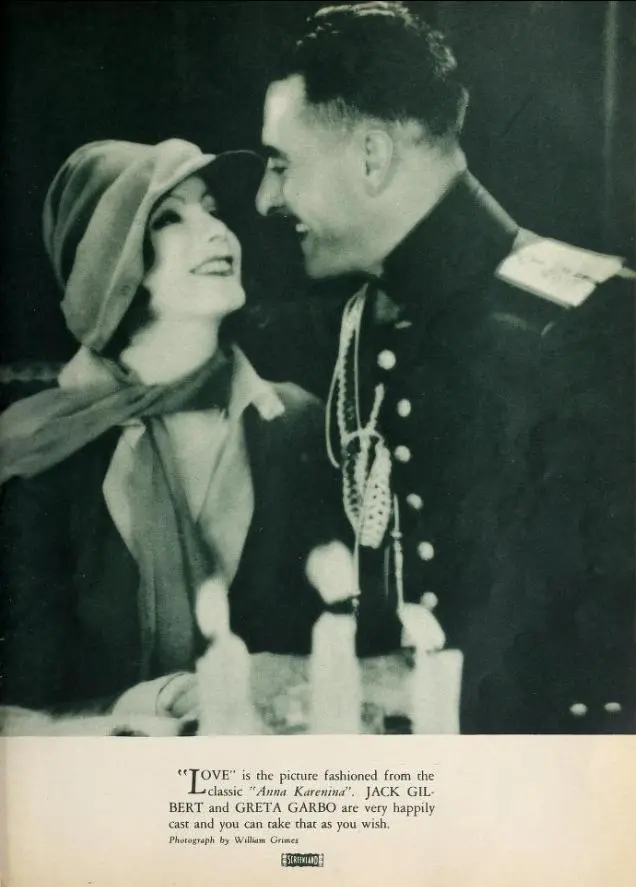
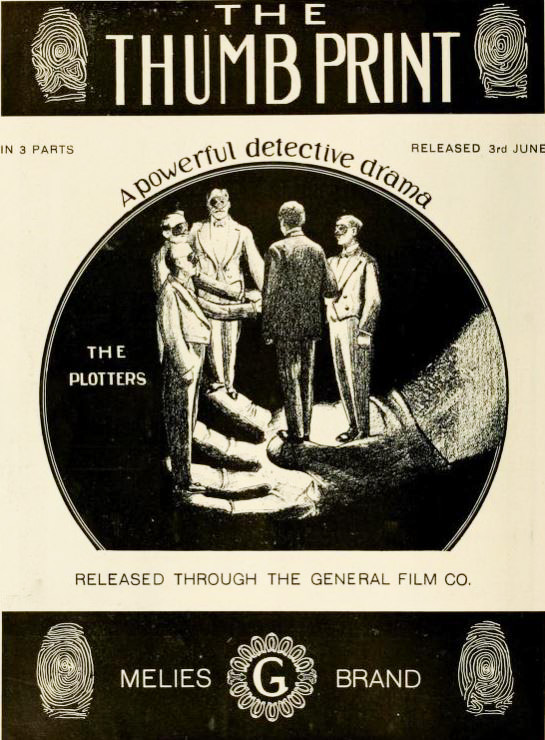
Long before the modern obsession with true crime and forensic science, The Thumb Print (1914) introduced nickelodeon audiences to the cutting-edge world of fingerprint identification. This early silent short captures the dawn of forensic detective work, wrapping it in a thrilling narrative of suspense and deduction. At a time when cinema was still finding its narrative footing, this film proved that intellectual puzzle-solving could be just as gripping as melodramatic action. It remains a vital milestone for fans of the mystery genre.
Read full review of The Thumb Print
As the First World War raged across Europe, American cinema was undergoing a massive shift toward feature-length dramatic storytelling. A Man's Man (1917) is a powerful, character-driven drama that explores themes of masculinity, personal honor, and redemption. Set against a backdrop of rugged adventure, the film challenges its protagonist to rise above his shortcomings and prove his worth in a unforgiving world. The nuanced performances and striking location photography make it an excellent representation of late-1910s dramatic filmmaking.
Read full review of A Man's Man
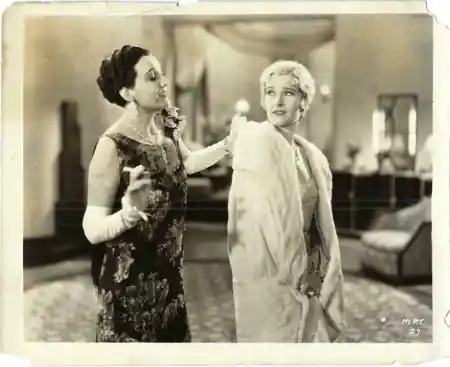
When we think of early Westerns, we often picture stoic cowboys riding into the sunset. However, the silent era also featured fierce, independent women who dominated the frontier. Tempest Cody Rides Wild (1919) is a stellar example, starring the legendary Marie Walcamp as the titular Tempest Cody. Packed with thrilling horse chases, daring stunts, and a charismatic lead performance, this film shattered gender norms of the era and proved that women could command the action-packed landscapes of the American West just as fiercely as their male counterparts.
Read full review of Tempest Cody Rides Wild
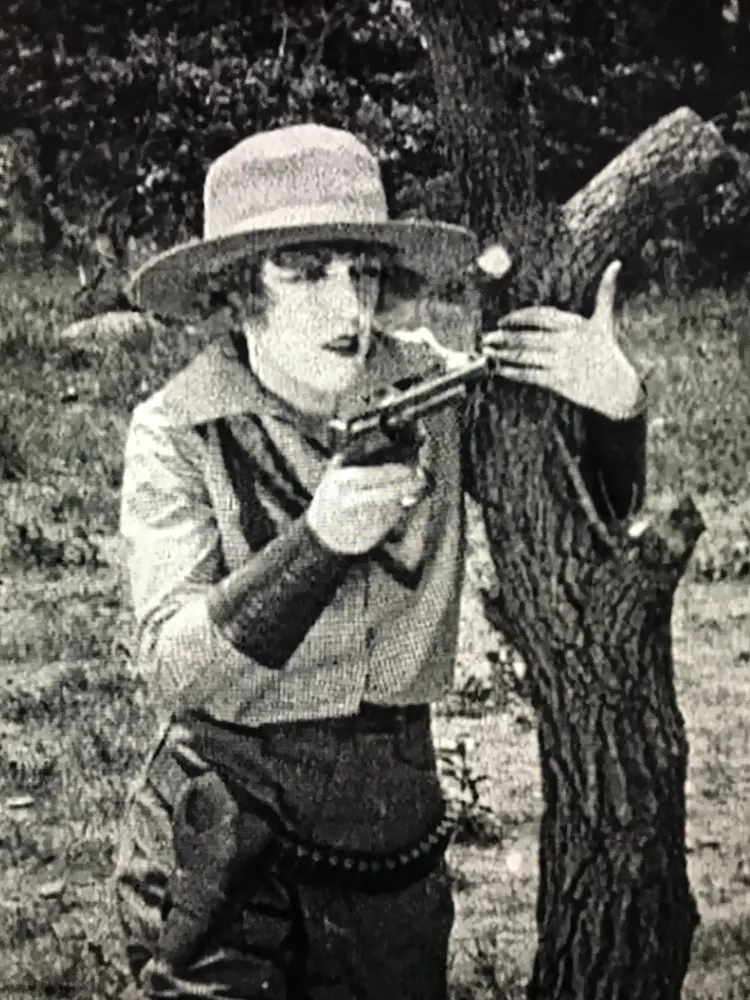
Animation in the 1910s was a wild frontier of hand-drawn experimentation. Created by animation pioneer Earl Hurd, the Bobby Bumps series was incredibly popular for its fluid movement and cheeky humor. In Bobby Bumps' Pup Gets the Flea-enza (1919), the series tackles the cultural anxieties of the era—specifically the infamous 1918 influenza pandemic—through a comedic, cartoon lens. Watching Bobby deal with his infected pup's flea problems is not only historically fascinating but still genuinely funny over a century later.
Read full review of Bobby Bumps' Pup Gets the Flea-enza
Entering the Roaring Twenties, audiences craved sophisticated dramas dealing with morality, high society, and deception. The Cheater (1920) delivers on all fronts. This gripping silent drama tells a story of moral compromise, social climbing, and the inevitable consequences of living a double life. With its moody lighting and intense close-ups, the film showcases the rapidly evolving visual language of 1920s cinema, delivering a psychological punch that still resonates today.
Read full review of The Cheater
Slapstick and lighthearted romantic comedies were the lifeblood of the silent era. Torchy and Orange Blossoms (1922) belongs to the beloved "Torchy" comedy short series, known for its fast-paced physical comedy, witty title cards, and charm. This particular installment follows the red-headed protagonist through a series of chaotic romantic mishaps and misunderstandings. It is a delightful time capsule of 1920s humor, fashion, and social etiquette.
Read full review of Torchy and Orange Blossoms
By the mid-1920s, the silent comedy had reached its absolute zenith of technical sophistication. Fun's Fun (1925) is a joyous, energetic romp that perfectly captures the carefree, rebellious spirit of the decade. Utilizing clever editing, visual gags, and charismatic performances, this film is a testament to the universal power of visual humor. It stands as a masterclass in how to tell a hilariously engaging story without uttering a single spoken word.
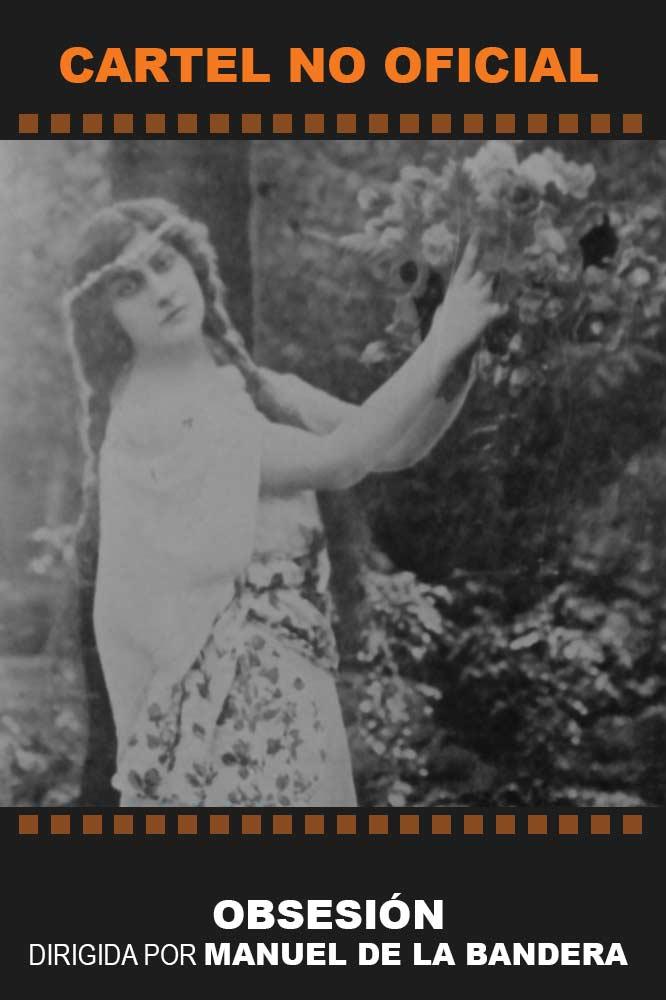
Art-house and avant-garde sensibilities frequently crossed over into mainstream silent cinema. Marionettes (1925) is a beautiful, visually poetic film that uses the metaphor of puppetry to explore themes of control, fate, and human relationships. Featuring stunning set designs, expressionistic lighting, and a deeply emotional narrative core, this film appeals to the cinephile looking for artistic depth and philosophical introspection in early cinema.
Read full review of Marionettes
Released at the absolute twilight of the silent era, The Honeymoon (1929) represents the pinnacle of silent romantic melodrama. As Hollywood was beginning its hasty transition to "talkies," films like this pushed the silent visual medium to its absolute limit. With sweeping cinematography, lavish set designs, and deeply passionate performances, the film captures the bittersweet nature of romance on the brink of a major technological revolution in filmmaking.
Read full review of The Honeymoon
As the 1930s dawned, sound had officially arrived, forever changing the landscape of cinema. The Last of the Lone Wolf (1930) serves as a fascinating bridge between two eras. Featuring the legendary gentleman thief Michael Lanyard, also known as the "Lone Wolf," this early talkie blends the suspenseful visual storytelling of silent thrillers with the exciting new world of spoken dialogue and sound effects. It is a thrilling adventure that marked the end of one era and the thrilling birth of another.
Read full review of The Last of the Lone Wolf
These ten films represent just a fraction of the incredible artistry, innovation, and passion that defined the early decades of cinema. By exploring these forgotten gems, we gain a deeper appreciation for the foundation upon which modern filmmaking was built. Let us continue to preserve, watch, and celebrate these vital pieces of film history.