
DbcultAccessing Vault...
Film History
Senior Film Conservator
When we talk about cult cinema, we often retreat to the comfortable safety of the 1970s—the grindhouse grit, the tax-shelter gore, and the neon-soaked midnight circuits. But this is a sanitized history. The true origin of the cult mindset lies in the nitrate-scarred, morally fluid, and structurally chaotic landscape of the silent era. If you want to understand why we obsess over outsiders, masquerades, and the grotesque, you have to look at the films that the censors of 1920 were desperate to bury.
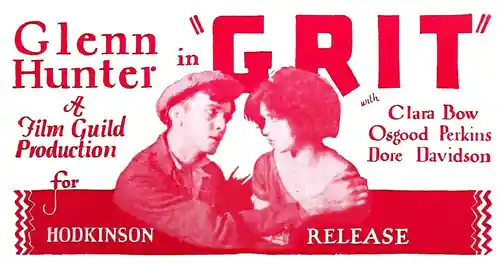
Cult cinema survives on the magnetism of the social renegade. We see this in the 1927 French curiosity Maurin des Maures, where the protagonist is not merely a poacher but a structural irritant to the state. He isn't fighting for a cause; he is fighting for the pleasure of the act itself. This is the blueprint for the cult anti-hero. The film plays with the idea that the law is a performance, a conceit we see mirrored in the 1927 comedy Poker Faces, where marital identity itself is treated as a disposable commodity for corporate gain. These films were the first to suggest that the 'respectable' world was a house of cards, a recurring theme in every midnight classic that followed.
Consider Potseluy Meri Pikford (1927). It remains one of the most brilliant, weirdest meta-commentaries on celebrity culture ever filmed. By inserting real footage of Mary Pickford into a narrative about a man whose life is upended by a single kiss, the film forces the audience to confront the absurdity of the screen-reality divide. It isn't just comedy; it's a frantic, proto-surrealist critique of how we project our desires onto the celluloid image. It is arguably more 'cult' than anything produced during the height of the 80s splatter wave because it acknowledges the audience's own obsession with the spectacle.
While the industry was chasing the prestige of historical epics, the real subversives were busy documenting the weird. Galloping Fury (1927) might look like a standard western on paper, but its central plot device—a beauty mud-pack made of ranch clay—is a bizarre, almost fetishistic observation on vanity that feels entirely out of place for the genre. It’s this specific, oddball visual choice that defines the cult experience. When a director chooses a strange texture or a bizarre behavioral tick over coherent narrative, they are signaling to the audience that the film is not for the masses.
The obsession with the 'imperfect body' didn't start with body horror; it began in the silent era, where physical difference was often the only shorthand for moral complexity.
If you think exploitation films were a post-code invention, you have never sat through the 'social hygiene' reels of the 1910s. Films like The Woman Under Cover (1919) use the guise of moral guidance to peddle raw voyeurism. The tension between the film's stated moral purpose and its actual, lurid content creates a friction that is the engine of all cult cinema. This is the same logic that drove the success of Reefer Madness decades later. We don't watch these films to learn; we watch them to see the system fail to maintain its own pretense.
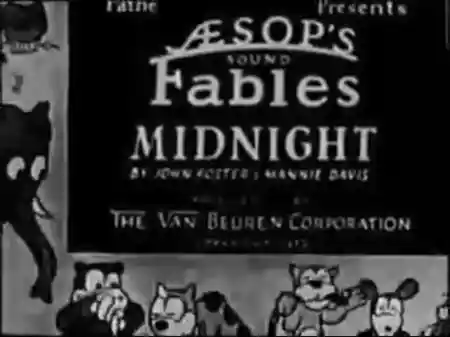
We need to stop pretending that cult cinema is a 'genre.' It is a mode of consumption. Whether it's the frantic, manic energy of an early Felix the Cat short like Futuritzy or the grim, fatalistic undertones of a 1920s border thriller, the core appeal remains the same: the sense of being an outsider looking at a forbidden, unpolished truth. The silent era was not a precursor to cult film; it was its laboratory. If you are ignoring these nitrate-soaked nightmares, you are missing the foundation of everything you claim to love about cinema’s fringe.