
DbcultAccessing Vault...
Director's Spotlight
Senior Film Conservator
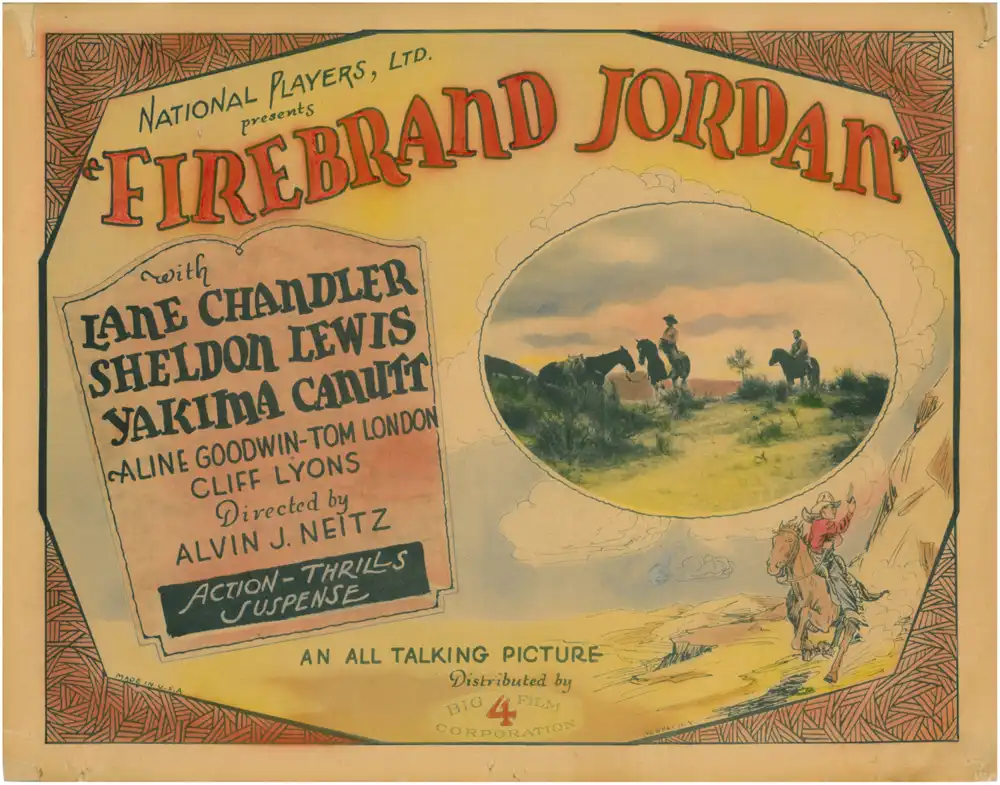
Director's Spotlight: United States
A Deep Dive into the 1930 Vision of Alan James
To understand the modern evolution of United States film, one must first look at Firebrand Jordan and the collaborative alchemy between Alan James and the 1930 creative team. Subverting the expectations of the typical 1930 audience, it remains a vital reference point for anyone studying the evolution of Alan James.
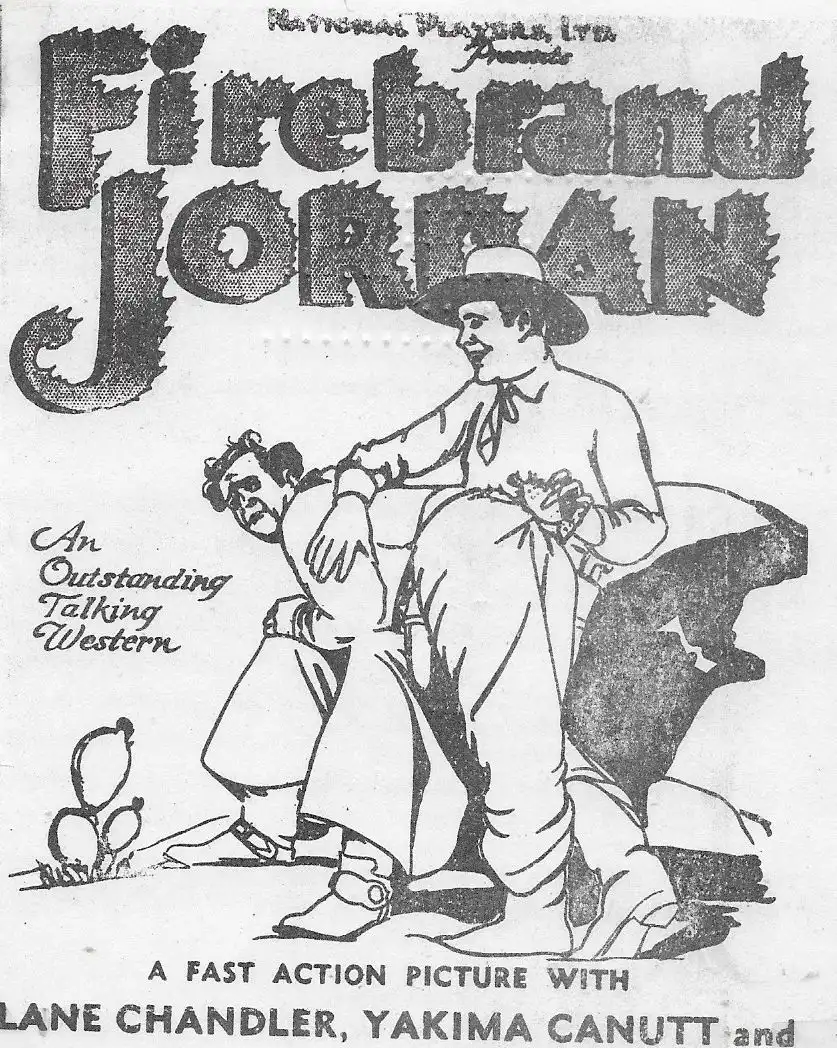
In Firebrand Jordan, Alan James pushes the boundaries of conventional narrative. The film's unique approach to its subject matter has sparked endless debates and interpretations among cinephiles and critics alike.
| Cinematography | Handheld |
| Soundtrack | Orchestral |
| Editing | Slow-Burn |
| Art Direction | Brutalist |
Visualizing the convergence of Alan James's style and the core Drama narrative.
'Firebrand' Jordan is a ranger sent into the high Sierras to assist the local Sheriff Ed Burns in capturing a mysterious band of counterfeiters. His coming is made known to the gang leader, who sends three of his henchmen to get the ranger and gets three empty horses back. Meanwhile, back at the ranch, Judd Howe has disappeared, leaving his two daughters, Joan and Peggy, worried and in financial distress. The big-moneyed man of the district, David Hampton, lying that their father owes him money, attempts to make Joan accede to his less-than-honorable wishes.Jordan discovers that Hampton is really the gang leader he is hunting, succeeds in capturing the outlaws in an old mine, frees Howe who was being held prisoner, and wins the hand of Joan.
Decades after its release, Firebrand Jordan remains a vital piece of the cinematic puzzle. Its influence can be seen in countless modern works, solidifying Alan James's status as a master of the craft in United States and beyond.