
DbcultAccessing Vault...
Film History
Senior Film Conservator
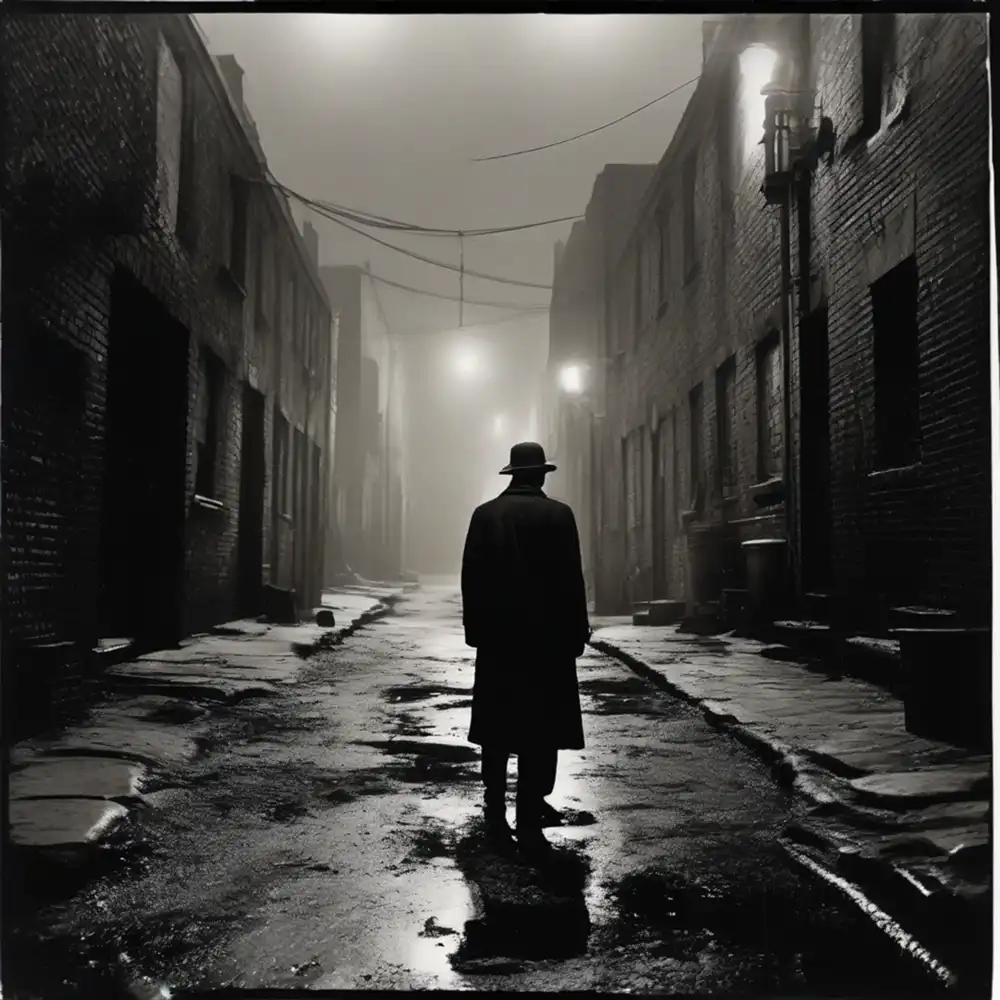
Before the neon-soaked rain of 1970s New York or the rain-slicked alleys of 1940s Los Angeles, there was the nitrate rot of the 1910s and 20s. We often treat silent cinema as a collection of flickering ghosts in tuxedoes, but the true soul of cult obsession was born in the gutter. It was forged in the 'Sittenfilme' of Germany and the 'vice reels' of the American East Side. These weren't just movies; they were structural autopsies of social failure. If you want to understand the modern cult fascination with the transgressive and the broken, you have to stop looking at the polished classics and start looking at the films that smelled like damp wool and industrial smoke. The silent era didn't just invent the hero; it perfected the pariah.
Take a film like The Bitter Truth (1917). It opens on what it describes as the 'big, helpless humanity' of Blossom Street in the East Side slums. The name 'Blossom Street' is a cruel joke, a bit of ironic naming that predates the cynical geography of modern noir by decades. Here, we find Anne, a 'sweet spirit' trapped in a machine of poverty. But the film isn't just a moralizing lecture. It captures a specific visual texture—the crowded stoops, the grime of the tenements—that would later define the gritty realism of 1970s urban thrillers. The camera in these films doesn't just record; it reeks. It captures a version of the city that is hungry, a theme that resonates through every cult film about the 'lonely man' in the city.
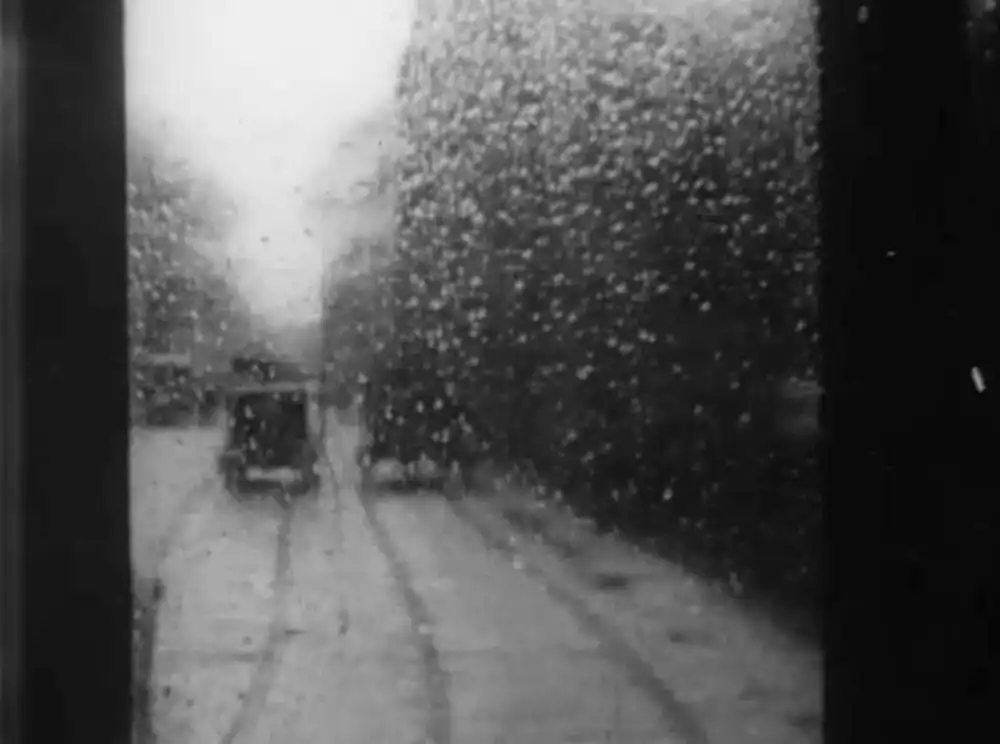
There is a debatable opinion that modern 'gritty' reboots are actually much cleaner and more sanitized than these hundred-year-old relics. When you watch the East Side depicted in The Bitter Truth, you aren't seeing a set designer's idea of dirt; you are seeing the actual, unwashed reality of a pre-sanitized world. This isn't 'elevated' drama; it’s a direct transmission from the social basement. The cult appeal lies in this raw, uncurated exposure to a world that was supposed to be hidden from the middle-class gaze.
The French 'Apache' subculture is perhaps the most vital and overlooked ancestor of the modern street gang aesthetic. In A Child of the Paris Streets (1916), we see the blueprint for the 'us vs. them' mentality that fuels everything from The Warriors to City of God. When the son of an Apache leader is arrested and the judge refuses mercy, the response isn't a legal appeal—it's a kidnapping. The underworld family retaliates by snatching the judge’s own child. This is pure cult logic: the law is a weapon of the elite, and the only response is a total rejection of the social contract.
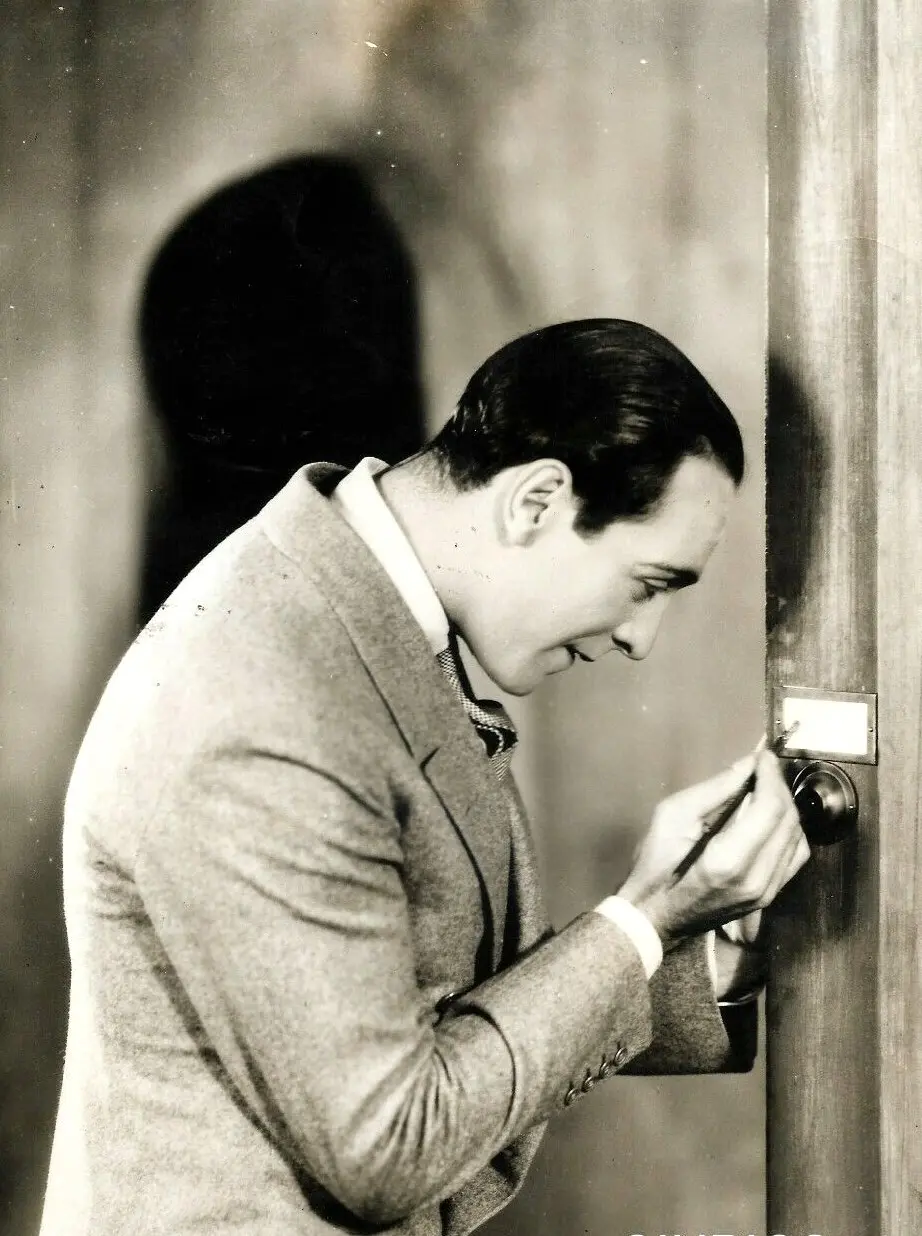
The Apaches were the original punks. They had their own slang, their own dance (the brutal, violent Apache dance), and their own visual signifiers. In A Child of the Paris Streets, the tension between the 'clean' world of the judge and the 'dirty' world of the Apaches isn't just a plot point; it’s a visceral conflict. The film forces the audience to sit with the criminals, to understand their tribalism. This is a far cry from the 'good vs. evil' simplicity of later Hollywood. Here, the 'evil' is a response to institutional cruelty. It’s a theme that would become the backbone of transgressive cinema: the criminal as a mirror to the corrupt state.
Cult cinema has always been obsessed with the idea that the 'sane' world is a trap. We see this early on in Chasing Through Europe (1929), where an American heiress, Linda Terry, is threatened with an insane asylum by her guardian simply because she wants her independence. This isn't just a plot device; it's a terrifyingly accurate reflection of how the asylum was used as a tool for social control, particularly against women. The threat of being 'placed' in an institution is the ultimate horror in a society that values the performance of normalcy above all else.
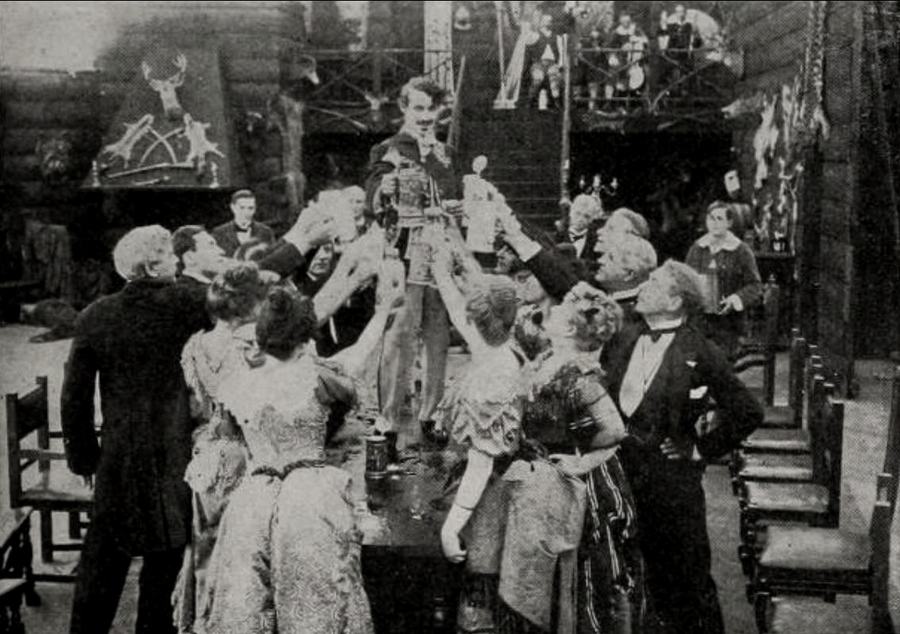
This institutional paranoia is a recurring motif in films like That Sort (1916). When a man tires of his wife after their child is born and returns to his 'old way of living,' the woman is discarded. The social structure is designed to protect the man's agency while pathologizing the woman's suffering. The cult fan recognizes this as the 'gaslighting' thriller in its embryonic form. There is something profoundly modern about the fear depicted in Chasing Through Europe—the idea that your own family can legally erase your identity and lock you away for being inconvenient. It’s a theme that would later be explored with more gore but perhaps less psychological precision in the 'hospitals of horror' subgenre.
Long before Clara Bow became the 'It Girl,' she starred in Grit (1924), a film that captures the soul of the 'reformed' gangster trope. Bow plays Orchid McGonigle, a name that sounds like it was pulled straight from a 1970s exploitation poster. Alongside 'Kid' Hart, she attempts to go straight despite the crushing weight of their past. The tragedy of Grit is the realization that the world won't let you be 'good' once it has decided you are 'bad.' This is the fatalism that defines the best cult noir.

The tragedy of the silent-era slum film isn't that the characters are poor; it's that they are visible. They are the spectacles of a society that wants to watch them suffer while pretending to offer them a way out.
The performance of Bow in Grit is a revelation of nervous energy. She isn't a passive victim; she is a survivor with 'grit' in her bones. The film avoids the easy sentimentality of the era, focusing instead on the 'hardship' that follows those who try to leave the gang life. It’s a direct ancestor to the 'one last job' films and the 'urban survival' narratives that cult audiences crave. The grit here isn't just a title; it's a texture. It’s in the way they look at each other, the way they walk—a defensive, coiled posture that says they expect a blow from every corner.
By the late 1920s, the slum melodrama had gone international. Männer ohne Beruf (1929) takes us to Marseille, the original city of sin for European cinema. A police deputy tails an international trafficking gang, encountering Madeleine, a girl controlled by the gang. Here, we see the 'global rot'—the idea that the underworld isn't just a local problem, but a vast, interconnected network. This is the proto-Bond, proto-Bourne world of international intrigue, but stripped of the gadgets and the glamour. It’s about people without professions ('men without jobs'), drifting through a world that has no place for them.
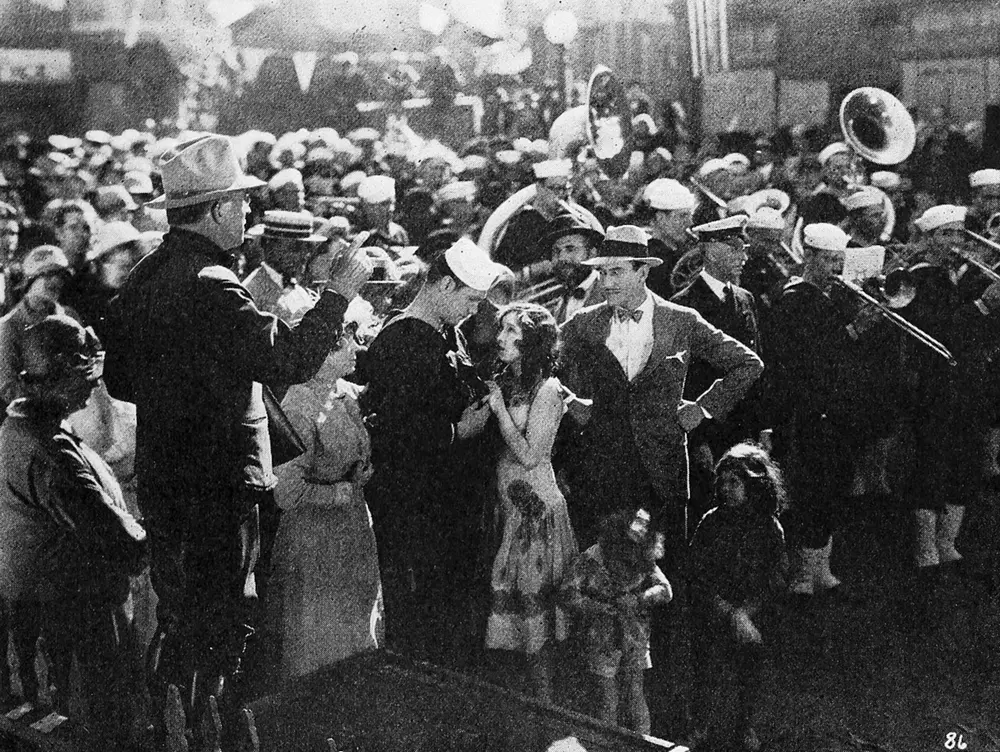
Marseille in Männer ohne Beruf is a labyrinth of docks and shadows. The film uses the setting to heighten the sense of displacement. Madeleine isn't just a damsel in distress; she is a commodity in a market of human lives. This is where the 'white slavery' panics of the early 20th century met the burgeoning thriller genre. While many of these films were sold as 'educational' warnings, they were clearly designed to titillate and shock. They were the first exploitation films, masquerading as social hygiene. This hypocrisy is exactly what makes them so fascinating to a cult historian—they are the moment cinema realized that 'sin' sells better than 'virtue.'
We need to stop pretending that silent cinema was 'purer' than what came after. If anything, it was more obsessed with moral insolvency. Films like Jim the Penman (1921), where a bank clerk forges a check to help his girlfriend's father and ends up joining a gang of forgers, show a world where a single mistake leads to a total descent into the underworld. There is no redemption arc, only a deeper immersion in the crime. This lack of a 'moral safety net' is what gives these films their cult edge. They are bleak, unforgiving, and deeply suspicious of the social structures they supposedly uphold.
In the end, the 'Gutter Gospel' of the 1920s reminds us that the city has always been a character in itself—a hungry, indifferent machine that eats the poor and spits out the transgressive. These films don't offer a 'cinematic journey'; they offer a face-first fall into the dirt. And for those of us who find more truth in the shadows than in the spotlight, that dirt is exactly where the most interesting stories are buried. The silent era didn't just give us the tools to tell stories; it gave us the permission to look where we weren't supposed to. It taught us that the most compelling narratives aren't found in the palaces, but in the places like Blossom Street, where the humanity is helpless, but the grit is real.