
DbcultAccessing Vault...
Director's Spotlight
Senior Film Conservator
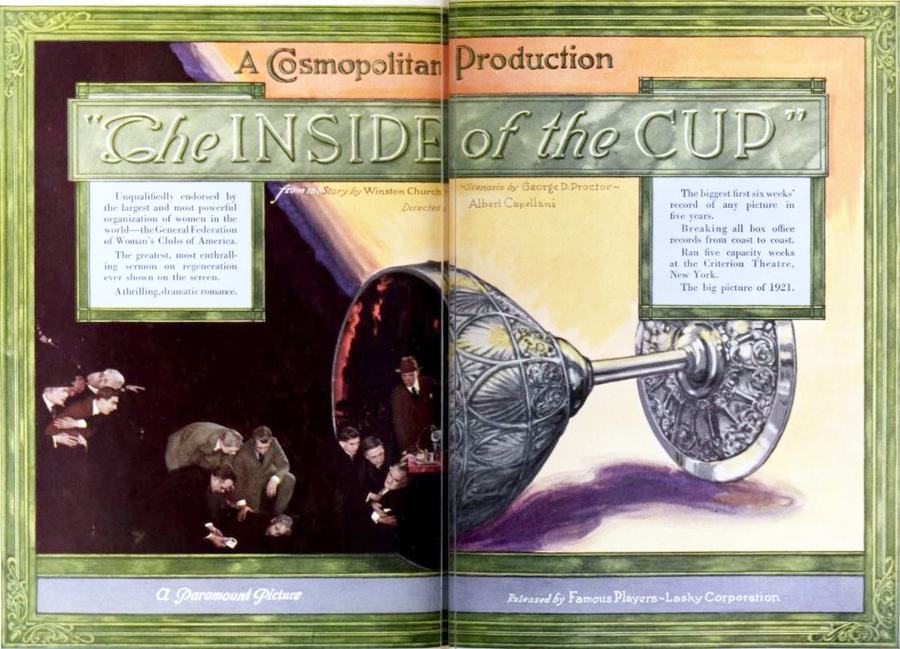
Director's Spotlight: United States
A Deep Dive into the 1921 Vision of Albert Capellani
Few works in United States cinema carry the same weight as The Inside of the Cup, especially regarding the cultural zeitgeist captured so perfectly by Albert Capellani in 1921. Utilizing a 1921-specific aesthetic that remains timeless, it serves as a blueprint for future generations of Drama directors.
In The Inside of the Cup, Albert Capellani pushes the boundaries of conventional narrative. The film's unique approach to its subject matter has sparked endless debates and interpretations among cinephiles and critics alike.
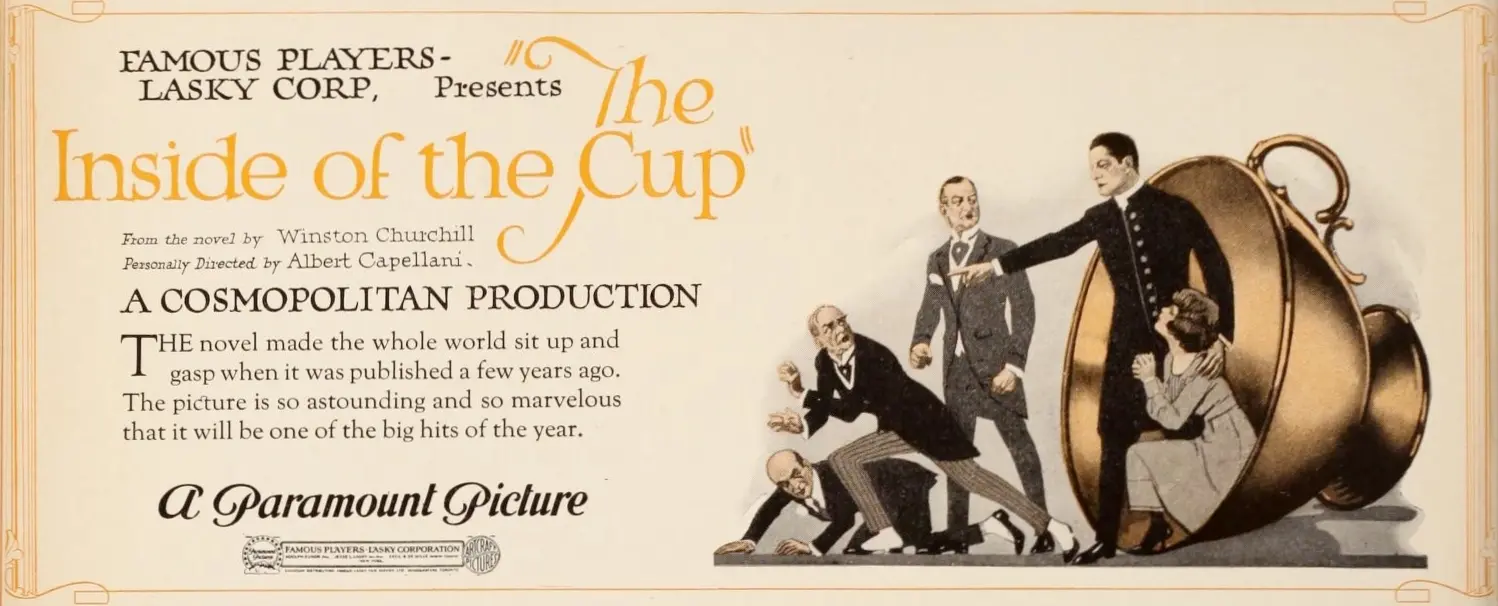
To fully appreciate The Inside of the Cup, one must consider the cinematic climate of 1921. During this period, United States was undergoing significant artistic shifts, and Albert Capellani was at the forefront of this Drama movement, often challenging established norms.
| Cinematography | Deep Focus |
| Soundtrack | Synth-Heavy |
| Editing | Disjunctive |
| Art Direction | Baroque |
Visualizing the convergence of Albert Capellani's style and the core Drama narrative.
John Hodder becomes rector of St. John's, a fashionable church, situated near a slum neighborhood, in the town of Bremerton. Eldon Parr, a wealthy and prominent member of the parish, drives his daughter, Alison, and son, Preston, from home by his dishonest scheming. The girl becomes a settlement worker, and the son, forbidden to marry salesgirl Kate Marcy, is demoralized. Rector Hodder from the pulpit exposes the infamy of his congregation, pointing out the individuals and specifying their crimes, and refuses the elder Parr's demand that he resign, thus winning the heart of Parr's daughter. Garvin, a man ruined by Parr financially, shoots Parr, then kills himself. Kate and Preston are reclaimed, and the parish becomes popular with the poor as well as with the rich.
Decades after its release, The Inside of the Cup remains a vital piece of the cinematic puzzle. Its influence can be seen in countless modern works, solidifying Albert Capellani's status as a master of the craft in United States and beyond.