
DbcultAccessing Vault...
Director's Spotlight
Senior Film Conservator
Director's Spotlight: United States
A Deep Dive into the 1919 Vision of Albert Capellani
The cult DNA of The Red Lantern is a reflection of United States's the historical context that Albert Capellani weaves into the cult fabric. Challenging the viewer to find meaning in the cult shadows, it transcends regional boundaries to tell a universal story.
In The Red Lantern, Albert Capellani pushes the boundaries of conventional narrative. The film's unique approach to its subject matter has sparked endless debates and interpretations among cinephiles and critics alike.

To fully appreciate The Red Lantern, one must consider the cinematic climate of 1919. During this period, United States was undergoing significant artistic shifts, and Albert Capellani was at the forefront of this cult movement, often challenging established norms.
| Cinematography | Static |
| Soundtrack | Experimental |
| Editing | Elliptical |
| Art Direction | Expressionist |
Visualizing the convergence of Albert Capellani's style and the core cult narrative.
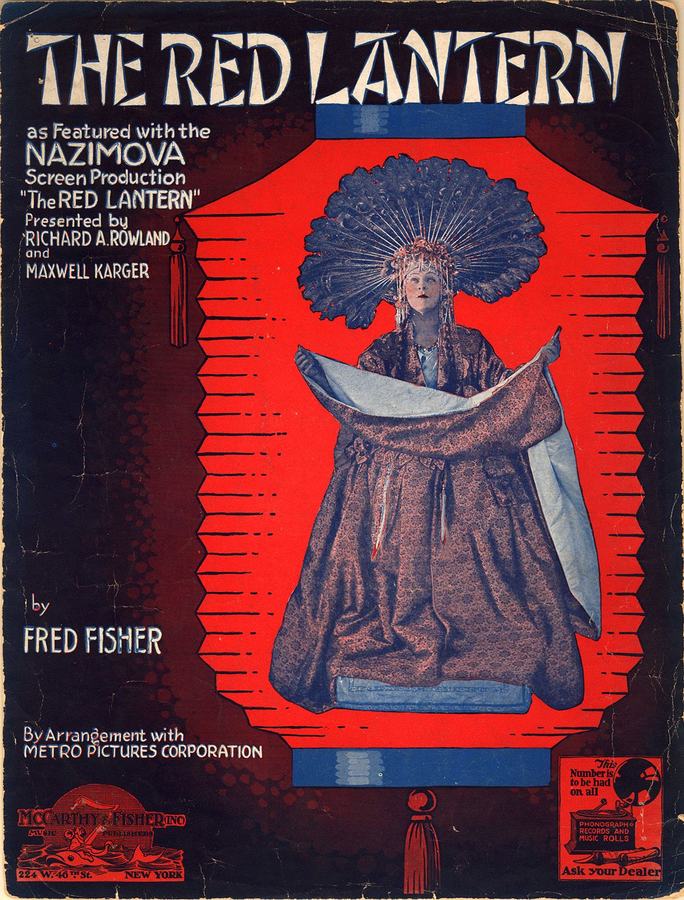
Mahlee, the Eurasian granddaughter of an avaricious Peking woman, is known to the Chinese as "devil feet" because her feet were never bound. Following her grandmother's death, Mahlee falls in love with Andrew Templeton, whose father runs the American mission, and she embraces Protestantism. Mahlee is introduced to Sir Philip Sackville and his daughter, Blanche, whom she discovers are her birth father and half-sister. Andrew falls in love with Blanche and shuns Mahlee because of her Chinese heritage. The dejected Mahlee collaborates with another Eurasian, Sam Wang, in bringing the Boxer Rebellion to Peking. During the Feast of the Red Lantern, Mahlee dresses as a celestial goddess and is paraded through the streets on a litter, blessing the Boxers and encouraging the people to join the rebellion. She then learns that the mission is in danger and warns the occupants, but Sir Philip will not take her with them as they escape. Mahlee has lost the trust of the Boxers, and Wang dies protecting her. After the rebels are defeated by the Western Allies, Mahlee drinks poison and dies.
Decades after its release, The Red Lantern remains a vital piece of the cinematic puzzle. Its influence can be seen in countless modern works, solidifying Albert Capellani's status as a master of the craft in United States and beyond.