
DbcultAccessing Vault...
Film History
Senior Film Conservator
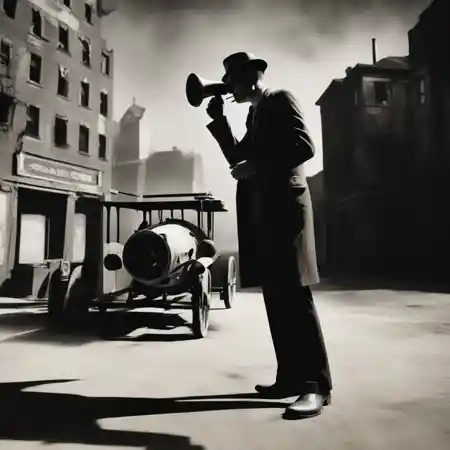
We have been lied to by the standard textbooks. Most film historians want you to believe that 'cult' cinema was a post-war phenomenon, a messy byproduct of the 1960s counter-culture and the subsequent midnight movie explosion. They point to the grit of the 70s or the neon-soaked transgression of the 80s. But they are looking at the fruit, not the root. The true architecture of the cult mindset—that specific, twitchy devotion to the anomaly, the outcast, and the socially engineered nightmare—was actually drafted in the 1920s. This was an era where the cold gears of the industrial revolution ground against the dying gasps of Victorian mysticism. It created a series of ‘industrial-mythic’ hybrids that are far more disturbing and deeply 'cult' than anything birthed in a 1970s grindhouse.
These films weren't trying to be weird; they were trying to be 'educational' or 'moral,' which makes their accidental descent into the uncanny even more potent. When we watch a film like Comrade John (1920), we aren't just seeing a drama about an architect; we are witnessing the blueprint for the cult-leader archetype that would later define films like The Wicker Man or Midsommar. The 1920s didn't just give us cinema; it gave us the manual on how to obsess over the fringes of human behavior.

In Comrade John, the plot centers on John Chance, an architect tasked with building a 'Dream City' for a religious cult leader known as Prophet Stein. This isn't just a background detail; it is the central anxiety of the era. The 1920s were obsessed with the idea that society could be redesigned from the ground up, often by charismatic madmen with aesthetic fixations. The scene where John Chance rescues Cynthia Grey from the riotous masqueraders in Paris isn't just a heroic beat—it’s a collision of the old-world chaos and the new-world 'order' that Stein represents. The 'Dream City' is a prototype for the gated communities of horror cinema, a place where the social contract is replaced by a singular, autocratic will.
What makes this 'cult' in the truest sense is the visual rigidity. The way the cult members move, the geometric precision of the sets, and the underlying threat that any deviation from the Prophet’s vision results in total erasure. It’s a film that anticipates our modern obsession with high-control groups. If you find the folk-horror of the 70s unsettling, you need to see how the 20s treated the 'utopia'—not as a dream, but as a sterile, terrifying factory for the soul.

While some were building cities, others were rebuilding the body. Satan’s Rhapsody (1918/1920s circulation) is a Faustian nightmare that feels like a direct ancestor to the body-horror of David Cronenberg. An old woman makes a pact with Mephisto to regain her youth, with the caveat that she must never love. It sounds like a standard fable, but the execution is drenched in a decadent, sickly atmosphere that modern directors can’t replicate without looking like they are trying too hard. The transformation isn't just magical; it’s framed with a clinical, almost surgical detachment that reflects the era’s burgeoning fascination with rejuvenation and 'social hygiene.'
The 1920s did not see the body as a temple; it saw it as a machine that could be hacked, traded, or discarded. This is the true origin of the transgressive gaze.
The scene where the rejuvenated woman meets the two brothers who will eventually destroy her peace is shot with a lingering, voyeuristic lens that feels entirely 'cult.' It’s the visual language of the forbidden. Most 'cult' fans obsess over the 1980s for its practical effects, but they miss the fact that the 1920s mastered the *psychological* grotesque. The horror isn't in the blood; it's in the realization that the self is a currency that can be spent. I would argue that Satan’s Rhapsody is more transgressive than most modern horror because it treats the loss of the soul not as a tragedy, but as a business transaction.
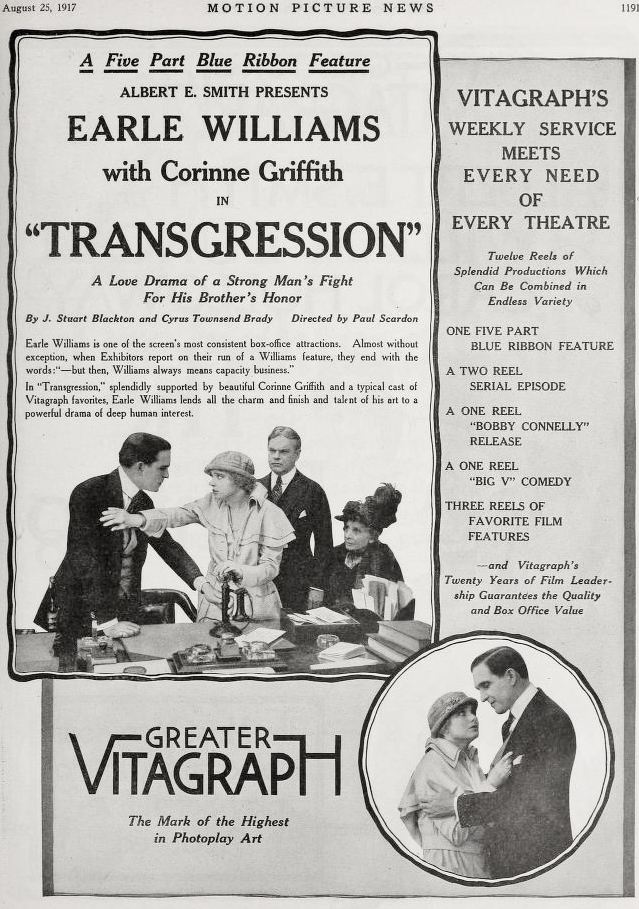
Cult cinema often thrives on the 'loser-hero'—the person who discovers a secret power and proceeds to ruin their life with it. Look no further than The Rainmaker. It’s the story of a racetrack tout who discovers his prayers can actually change the weather, affecting the track conditions and the betting odds. He doesn't use this power to save the world; he uses it to rig the races. This is the 'Gospel of the Grift' that would later define the noir and exploitation genres.
The film’s cynicism is startling. When he loses the power and bets the wrong way, the fallout isn't just financial—it’s existential. This film predicts the modern cult obsession with characters who are fundamentally broken and morally bankrupt. In the 1920s, the idea that the divine could be used for a $20 payout at the track was the height of subversion. It stripped the 'miracle' of its sanctity and turned it into a commodity. This is a recurring theme in the 'Dbcult' canon: the intersection of the sacred and the profane in a way that makes the audience feel like they are watching something they shouldn't.
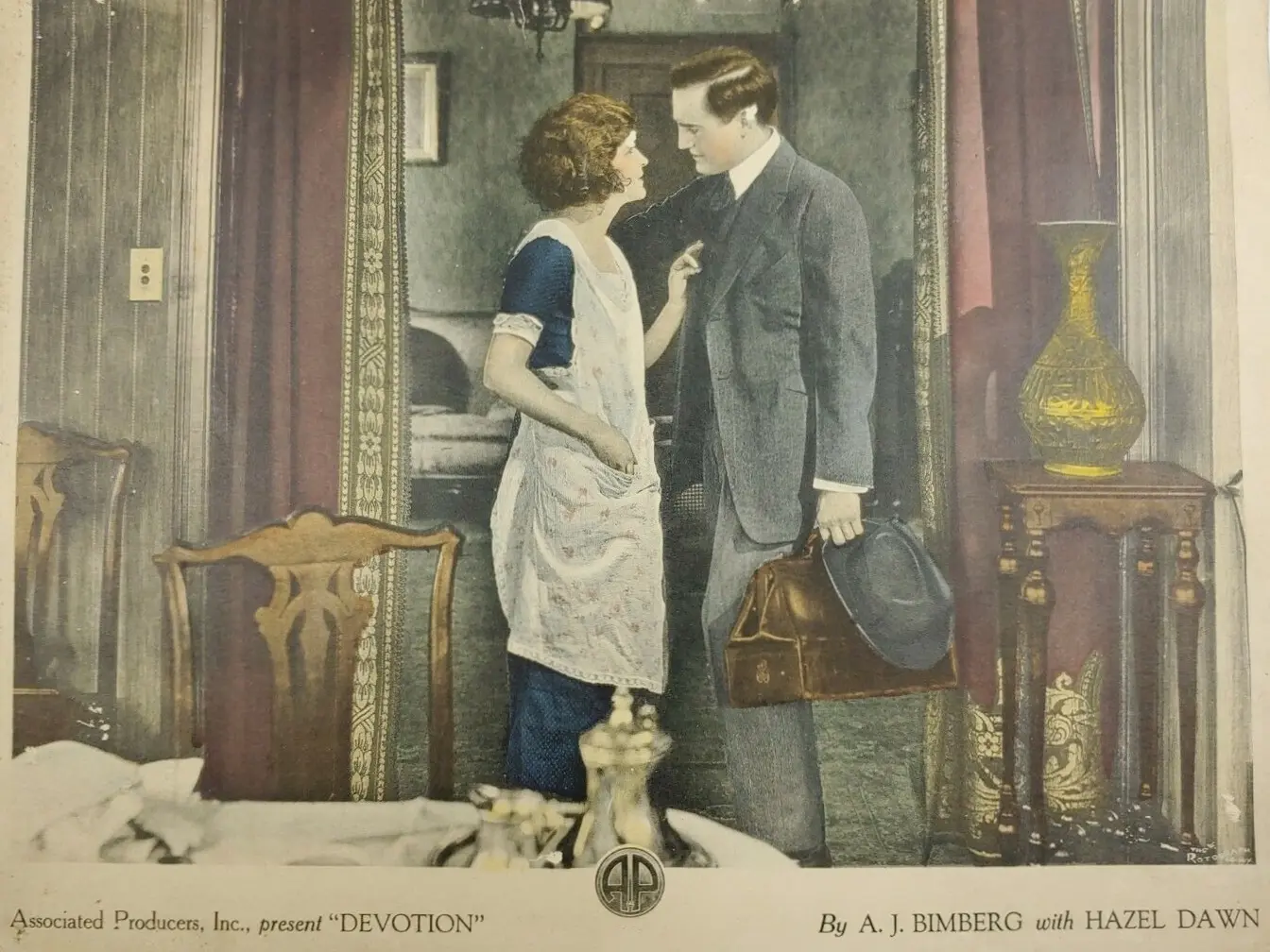
One of the most recurring tropes in cult cinema is the 'innocent trapped by an uncaring system.' Usually, we think of Kafkaesque thrillers or 1970s conspiracy films. But The Unknown Wife presents a scenario so bleak it makes most modern thrillers look like Disney productions. An ex-convict tries to go straight, marries a stenographer, and on the *first night of their honeymoon*, the past catches up. He is arrested, and the wife is left in a city that doesn't know her, essentially erased by the law.
The sheer cruelty of the timing—the honeymoon arrest—is a masterclass in narrative sadism. It positions the State (the police, the legal system) not as a protector, but as an arbitrary monster that devours domestic happiness. This is a vital component of the cult psyche: the belief that the system is fundamentally 'wrong' or rigged against the individual. The visual of the bride alone in the city, her status as a 'wife' now a liability, is a haunting image of social displacement that resonates with the 'urban paranoia' subgenre we see in later cult classics.
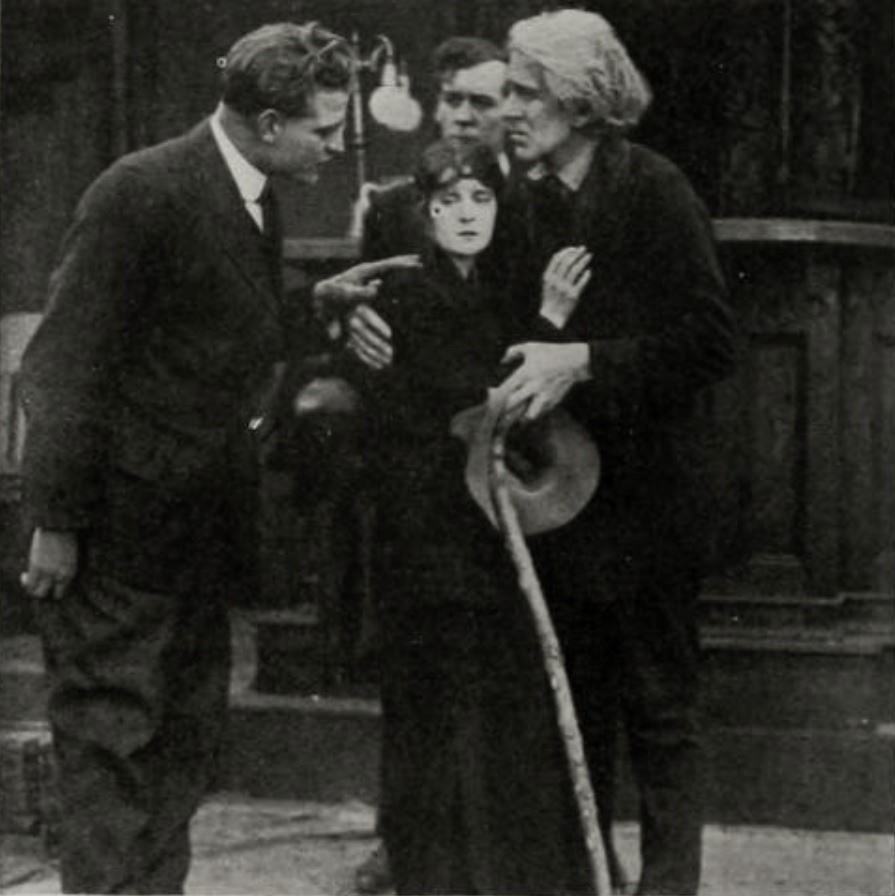
If you want to talk about true social transgression, you have to look at the international fringe. Sevil (1929), coming out of Azerbaijan, is a radical document of female liberation. It isn't just a drama; it's a visual assault on centuries of patriarchal tradition. The scene where Sevil discards her veil is shot with the intensity of a revolutionary act. For a cult audience, this is the 'hero moment'—the point where the protagonist breaks the frame of their reality.
Here is the hard truth: calling these films 'classics' is a form of erasure. The word 'classic' implies something safe, dusty, and respectable. These films were anything but. They were experiments in a new medium that was still figuring out how to handle the dark corners of the human mind. When we watch Miracle of the Wolves, we shouldn't be looking at it as a historical artifact of King Louis XI. We should be looking at it as a brutal exploration of political manipulation and the 'wolves' that exist within the social structure.
I firmly believe that the 1920s produced the most 'dangerous' films in history because the boundaries of what was 'allowed' on screen hadn't been fully solidified yet. The 'educational' label was often a Trojan horse for the most perverse and unsettling imagery of the century. If you watch these films looking for a 'cinematic journey,' you’ll miss the point. You should be looking for the moments where the director’s obsession with control, body, and machine spills over the edge of the frame. That is where the cult lives.
Cult cinema isn't about what happened in 1968. It’s about the realization that the world we built in the 1920s—the world of industrial efficiency and social engineering—is a house of cards. The films of this era didn't just record that realization; they celebrated the collapse. Stop looking for cult at the midnight showing. Start looking for it in the nitrate. The anomaly has always been there, waiting in the flicker.