
DbcultAccessing Vault...
Director's Spotlight
Senior Film Conservator
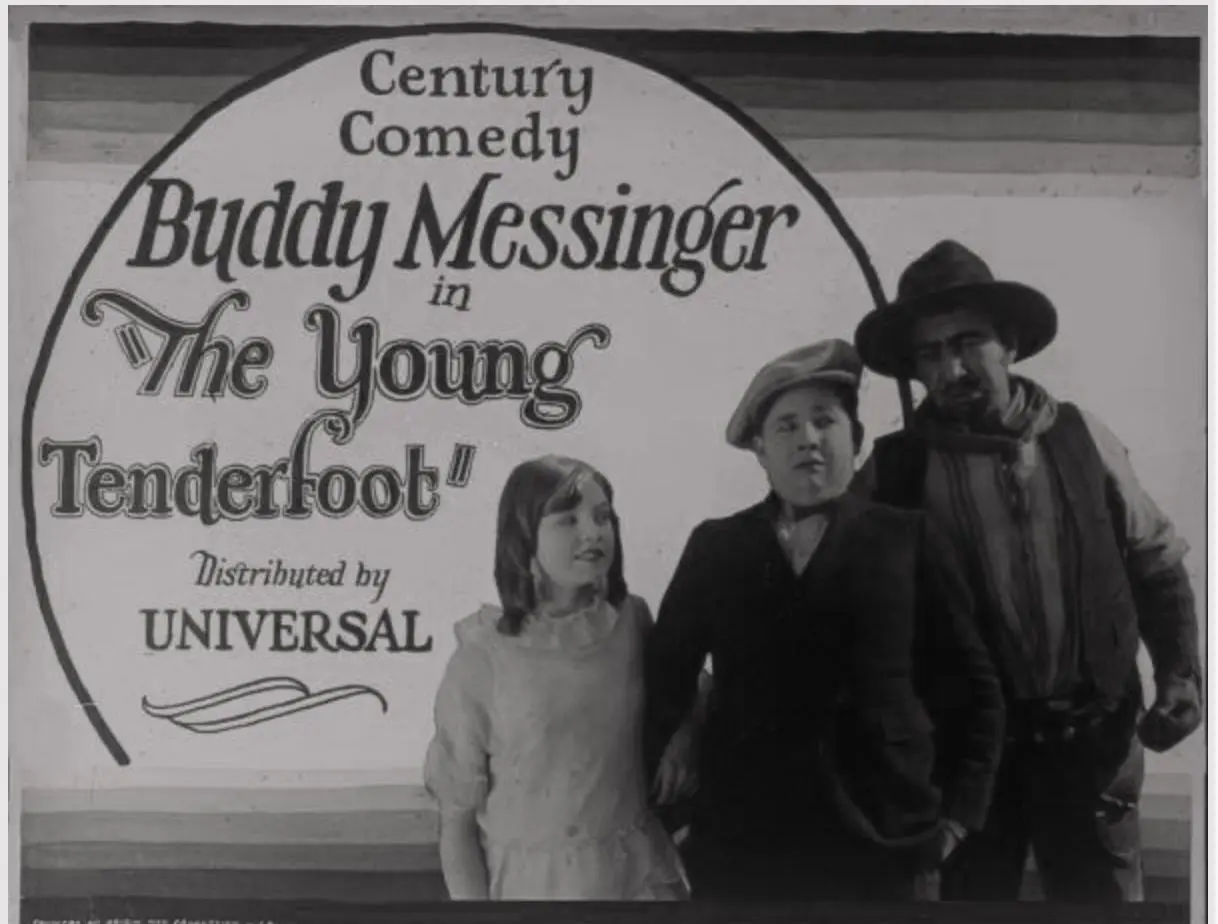
Director's Spotlight: United States
A Deep Dive into the 1924 Vision of Albert Herman
Under the meticulous guidance of Albert Herman, A Young Tenderfoot became the cultural zeitgeist captured so perfectly by Albert Herman in 1924. Driven by an uncompromising commitment to Short excellence, it remains a vital reference point for anyone studying the evolution of Albert Herman.
In A Young Tenderfoot, Albert Herman pushes the boundaries of conventional narrative. The film's unique approach to its subject matter has sparked endless debates and interpretations among cinephiles and critics alike.
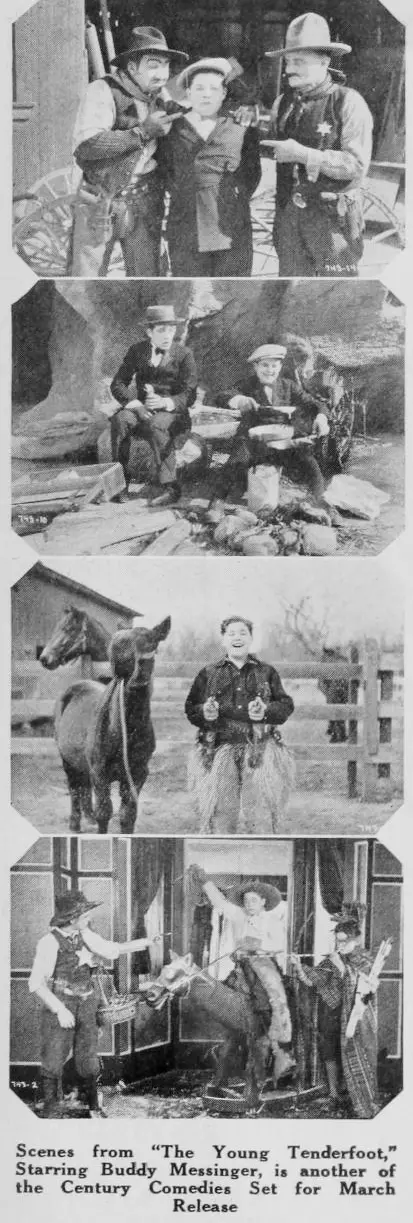
The visual language of A Young Tenderfoot is defined by its use of shadows and framing, a hallmark of Albert Herman's style. By utilizing a 1924-era palette, the film creates an immersive experience that perfectly complements its Short themes.
| Cinematography | Noir-Inspired |
| Soundtrack | Synth-Heavy |
| Editing | Disjunctive |
| Art Direction | Baroque |
Visualizing the convergence of Albert Herman's style and the core Short narrative.
Buddy is sent west with a bodyguard for misbehaving and on the way they meet and capture Terrible Pete, the bad man of the west. He escapes the Sheriff next day and runs across Buddy. Then starts some real fast action with Buddy using all the tricks of the city youth to evade the wrath of the bandit. Failing to avenge himself upon Buddy, the bad man kidnaps Sadie, Buddy's sweetheart, and carries her off into the hills. Buddy follows and after a fierce fight knocks out the bandit, captures him and becomes a real hero.
Decades after its release, A Young Tenderfoot remains a vital piece of the cinematic puzzle. Its influence can be seen in countless modern works, solidifying Albert Herman's status as a master of the craft in United States and beyond.