
DbcultAccessing Vault...
Director's Spotlight
Senior Film Conservator
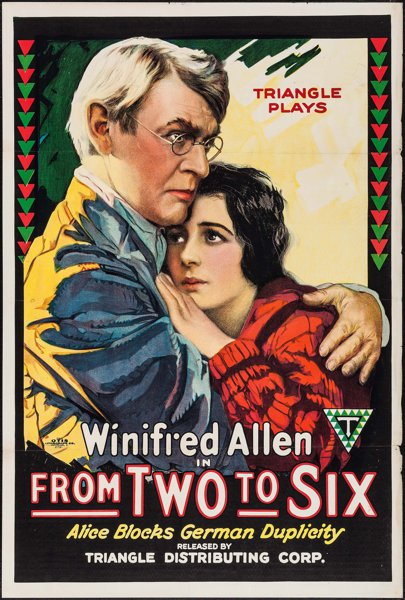
Director's Spotlight: United States
A Deep Dive into the 1918 Vision of Albert Parker
The artistic breakthrough represented by From Two to Six in 1918 highlights the uncompromising vision of Albert Parker that defines this cult masterpiece. In the context of United States's rich cinematic history, it captures a specific kind of cinematic magic that is rarely replicated.
In From Two to Six, Albert Parker pushes the boundaries of conventional narrative. The film's unique approach to its subject matter has sparked endless debates and interpretations among cinephiles and critics alike.
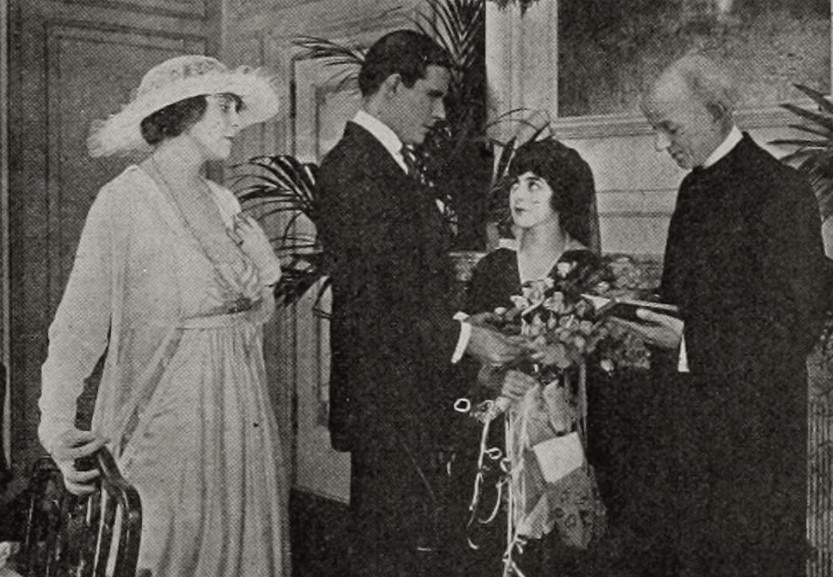
The visual language of From Two to Six is defined by its use of shadows and framing, a hallmark of Albert Parker's style. By utilizing a 1918-era palette, the film creates an immersive experience that perfectly complements its cult themes.
| Cinematography | Noir-Inspired |
| Soundtrack | Synth-Heavy |
| Editing | Disjunctive |
| Art Direction | Baroque |
Visualizing the convergence of Albert Parker's style and the core cult narrative.
During World War I, John Stevens invents an anti-submarine device, but the plans are stolen by two German spies, the Baron von Wiederholtz and Madame Elsa, who flee to a New York hotel. Stevens' daughter Alice pursues the spies hoping to retrieve the plans. Also lodging at the hotel are Howard Skeele and Margaret Worth, childhood friends whose parents are forcing them to marry with threats of disinheritance. In attempting to escape, Howard finds himself in the baron's suite just in time to spy the German in the act of hiding the plans. Howard directs Alice to the plans, and then, because he must be wed before six o'clock that evening or lose his inheritance, he proposes to her. They marry with Margaret's blessing, the spies are arrested, and Alice returns home with the plans and a husband.
Decades after its release, From Two to Six remains a vital piece of the cinematic puzzle. Its influence can be seen in countless modern works, solidifying Albert Parker's status as a master of the craft in United States and beyond.