
DbcultAccessing Vault...
Film History
Senior Film Conservator
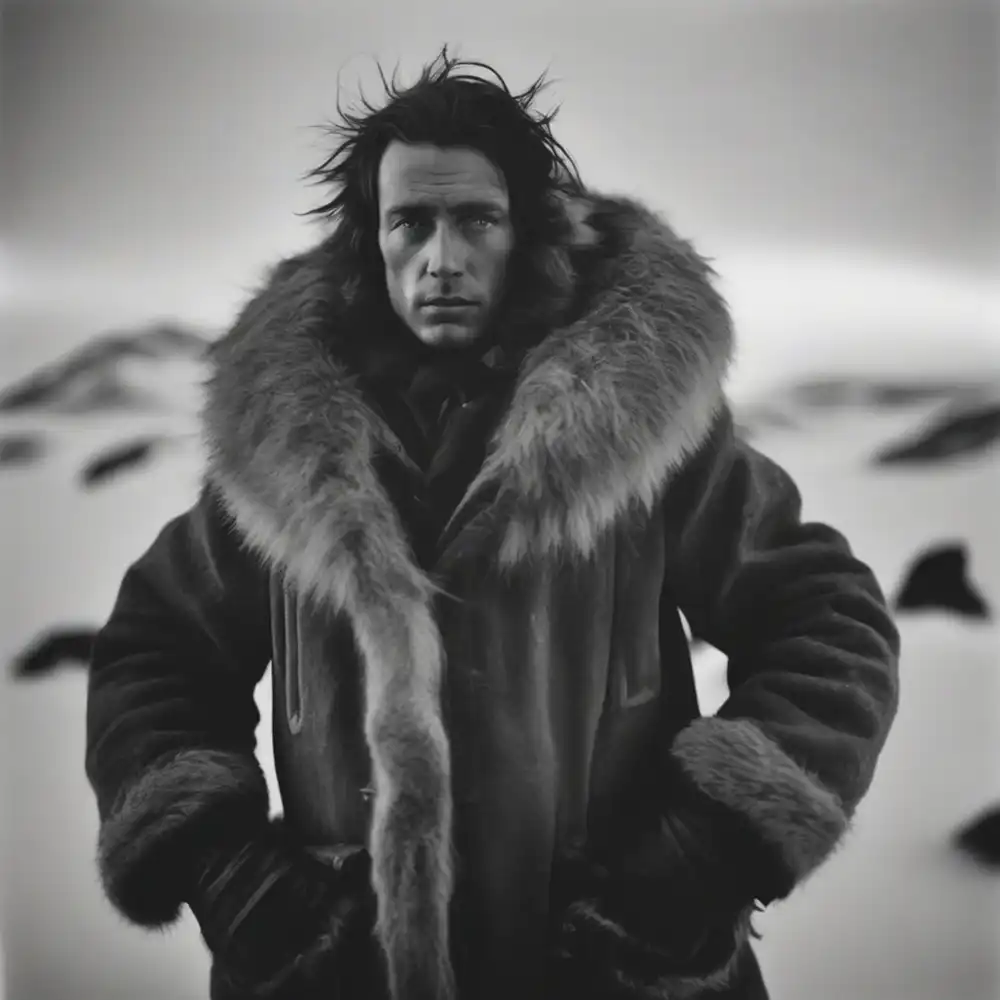
Cult cinema didn't start with midnight screenings of leather-clad punks or radioactive monsters. It began in the dirt. Long before the 1970s gave us the backwoods nightmare, the silent era was already churning out a specific, localized brand of isolationist dread. We often talk about the German Expressionist cityscapes as the root of cult aesthetics, but that’s a lazy shorthand. The real, raw nerves of the genre were exposed in the 'North West' thrillers and frontier survival dramas of the 1910s and 20s. These weren't just adventure stories; they were psychological deconstructions of what happens when the social contract freezes solid and snaps.
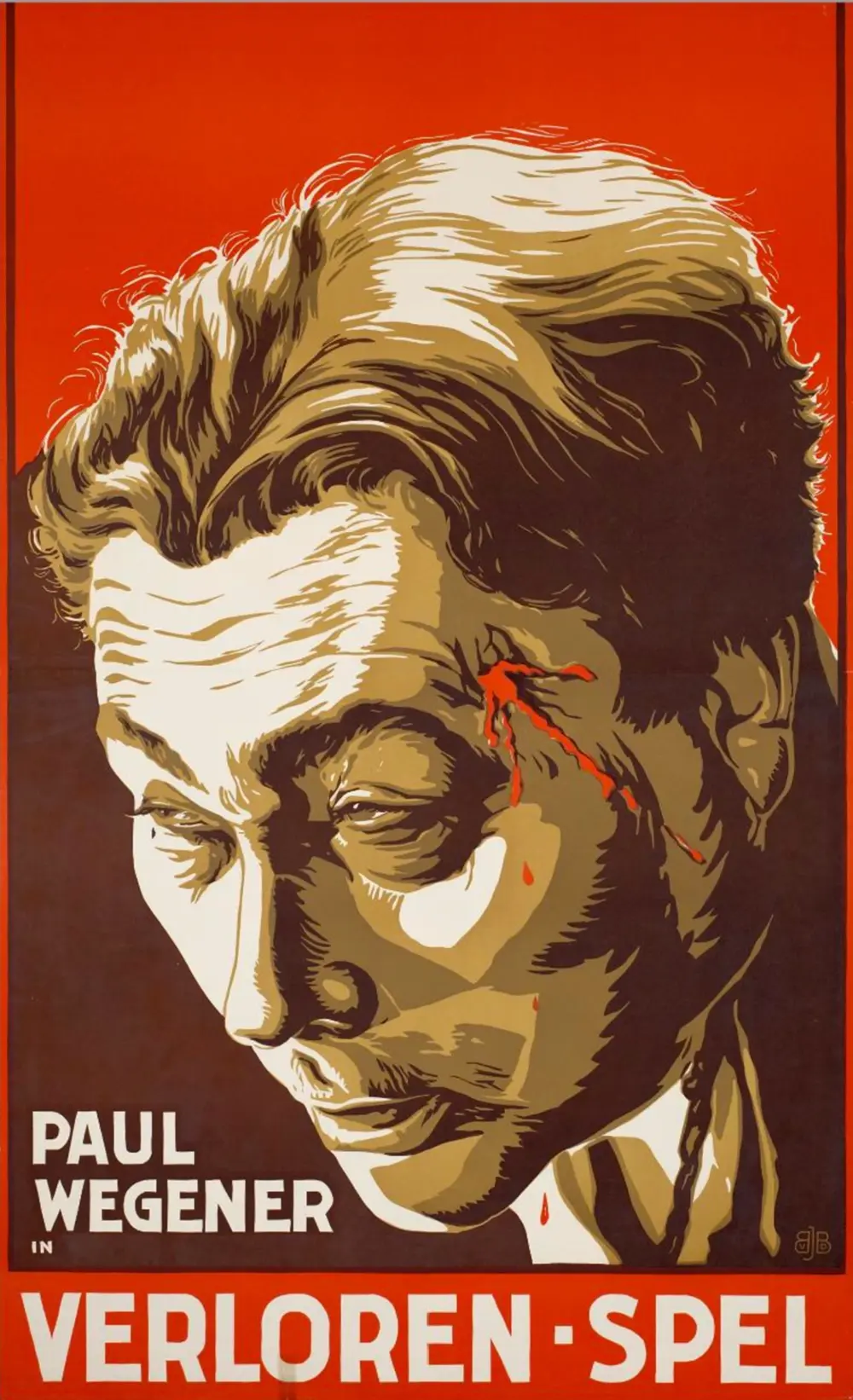
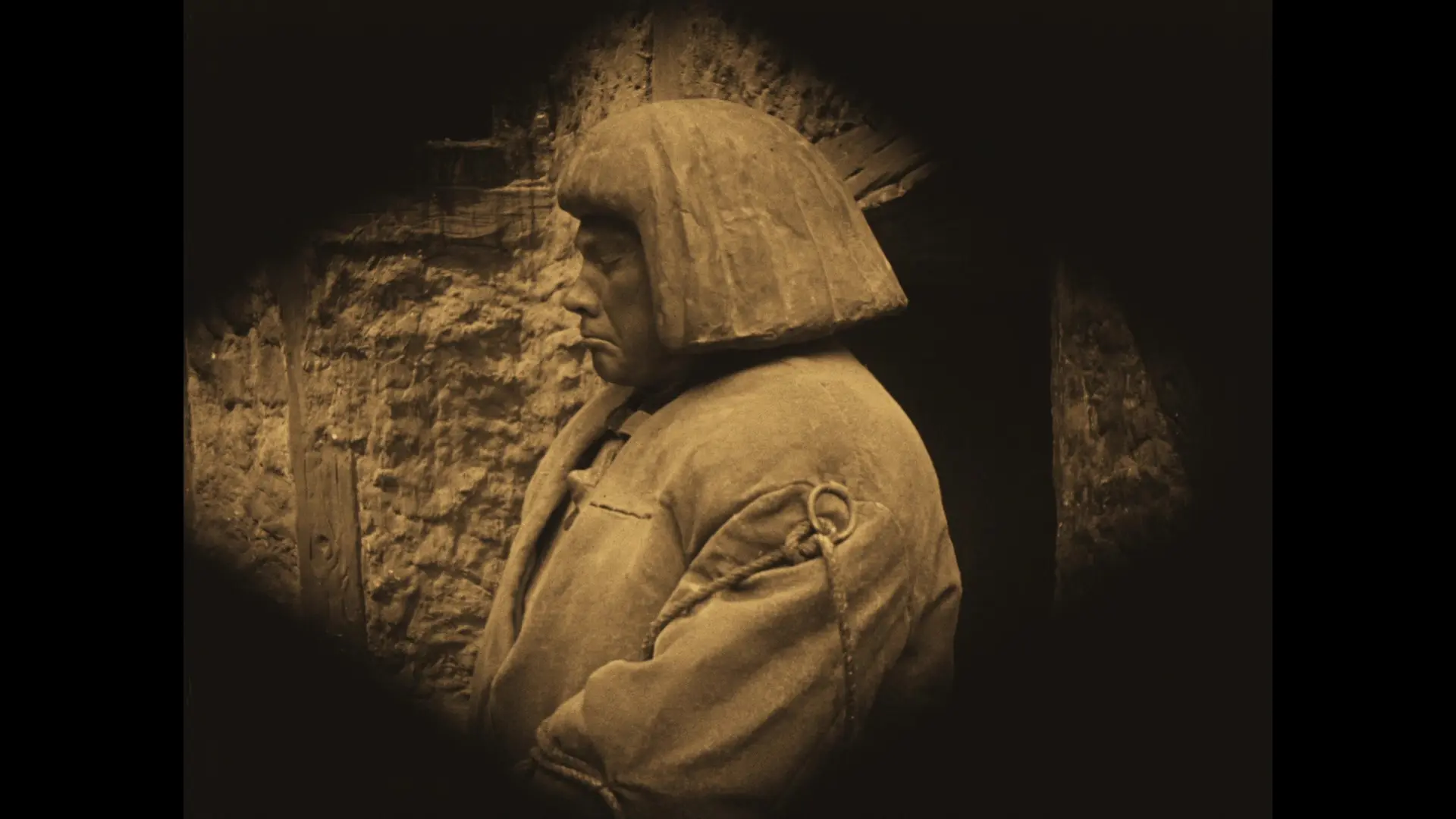
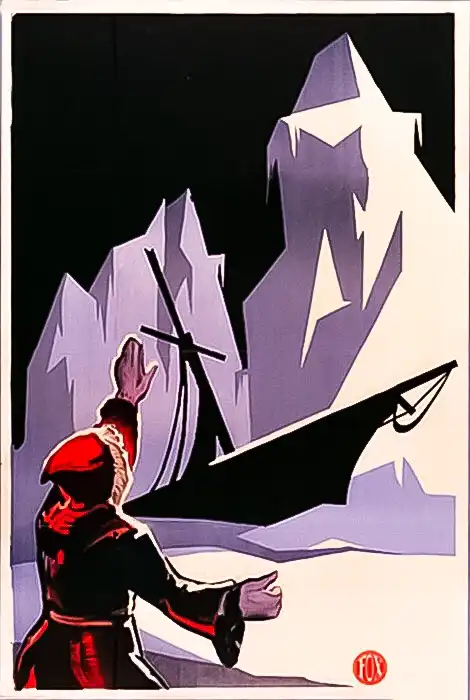
Take a hard look at The Strange Case of Captain Ramper (1927). This isn't just a drama; it’s a proto-horror masterpiece that predates the 'feral human' trope by decades. Paul Wegener—the same man who gave us the Golem—plays a man lost in the Arctic wastes who practically regresses into an animal. When he finally encounters 'civilization' again, he isn't a hero returning home; he’s a specimen. The crowd sees him as a yeti, a freak, a thing to be gawked at. This is the foundational moment for the cult 'outsider.' Ramper’s tragedy is that he survived the wilderness only to be destroyed by the voyeurism of the modern world. It’s a bitter, jagged pill of a movie that rejects the happy ending in favor of a bleak, existential howl.

In the scene where Ramper first sees his reflection after years in the ice, the camera lingers on his matted hair and vacant, predatory eyes. It’s a moment of body horror that feels more visceral than many modern prosthetic-heavy films. Wegener’s performance is a masterclass in physical degradation. He doesn't act like a man playing a beast; he acts like a man who has forgotten that language ever existed. This is the same energy we see in the later survivalist cults of the 70s—the realization that the 'civilized' man is just a thin veneer over a very hungry animal.
If The Primal Lure (1916) were released today, it would be labeled a 'slow-burn corporate thriller.' William S. Hart plays Angus McConnell, a factor for the Hudson Bay Company at Fort Lu Cerne. This isn't the romanticized West. This is a story about a disastrous summer for trappers and the crushing debt they owe to a company that views their lives as line items. The tension in the outpost is palpable—a suffocating atmosphere of desperation and impending violence. When McConnell is accused of a crime he didn't commit, the film shifts from a trade drama into a survivalist nightmare.
The silence of the snowy wastes in these films isn't peaceful; it's an active, predatory force that waits for the first sign of human weakness.
The scene where the trappers realize the company won't bail them out is filmed with a stark, documentary-like coldness. There are no sweeping orchestral swells here—just the visual weight of men realizing they are worth more dead than alive to their employers. This is a debatable point, but I’d argue that The Primal Lure is the true ancestor of the 'anti-capitalist' horror subgenre. It strips away the myth of frontier cooperation and replaces it with a grim reality of exploitation. Hart’s stony face is the perfect canvas for this; he represents the last shred of integrity in a landscape that has traded its soul for pelts.
A recurring theme in these 'survivalist' silents is the impossibility of returning to the fold. In Up and Going (1922), David Brandon is a man caught between two worlds. Born in the Canadian Northwest, he is whisked away to England to inherit a title and a fortune. But the 'civilized' world is a hollow theater of manners and rejection. When he fails to win the woman he loves, he doesn't mope; he flees back to the North. The film treats his return to the wilderness not as a failure, but as a necessary retreat to the only place that makes sense.
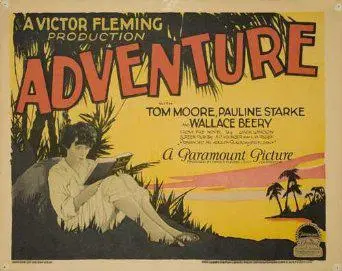
Tom Mix brings a surprising level of melancholy to the role of Brandon. There’s a specific sequence where he stands in an English garden, looking entirely out of place in his formal wear, his eyes scanning the horizon for a mountain range that isn't there. It’s a punchy, visual shorthand for the 'cult' mindset: the feeling of being an alien in your own society. The final act, set back in the rugged Northwest, feels like a sigh of relief, even as the action ramps up. It suggests that for some, the only survival is in the escape from the structure itself.
Contrast this with Kentucky Days (1923) or A Daughter of the West (1918). In these films, the frontier isn't a refuge; it’s a black hole for capital and morality. In Kentucky Days, Don Buckner heads west to recoup a dwindling fortune, only to lose contact with his wife and nearly lose his mind. The 'gold' isn't a reward; it’s a curse that separates families. I find the moralizing in these films occasionally insufferable, yet their depiction of the West as a void that swallows identities is more honest than the polished Westerns of the 1940s. In A Daughter of the West, Hell’s Gulch is exactly what the name implies—a pit of human greed where even a mining interest can become a death sentence.
One of the strangest tropes of this era—and one that modern cult cinema has largely lost—is the use of animals as the only reliable moral barometers. In The Four-Footed Ranger, Jack Dunne’s dog, Dynamite, is more of a protagonist than the humans. When cattle rustlers threaten the order of the range, it’s the dog who sniffs out the corruption. Similarly, in Nobody's Wife (1918), the dog Zippy accompanies Mary Wade as she flees the advances of a lecherous farmer to the city. These animals aren't just pets; they are the last remnants of an objective ethics in a world of human betrayal.
Here is a debatable opinion: The 'Good Boy' dog trope in early silents like The Four-Footed Ranger is actually a cynical commentary on the unreliability of human ethics. The filmmakers are essentially saying that if you want a hero, you have to look outside the human race. This cynicism is the bedrock of the cult film. It’s the same logic that leads us to root for the monster or the masked killer. Humans are fickle, greedy, and prone to 'social engineering' (as seen in the weirdly prophetic Married in Haste where a man’s inheritance is faked away to teach him a lesson). The dog, however, just wants the truth.
Not all survival was grim. Sometimes it was absurd. His Jonah Day (1920) offers a surrealist counterpoint to the frozen trauma of Ramper. Jimmy gets swallowed by a whale, fights an octopus, and tangles with a palm tree. It sounds like a standard comedy, but the execution is hallucinatory. The octopus fight is more than a gag; it’s a precursor to the tactile, rubbery monster effects that would define the 1980s cult boom. It treats the natural world not as a setting, but as an aggressive, illogical antagonist.
Even in the realm of thrillers like The Sealed Room, survival is a matter of sensory deprivation and isolation. Paul Craig, an aviator-inventor, goes blind from overwork and stumbles into a murder he can only 'witness' through sound and touch. It’s a claustrophobic, high-concept premise that wouldn't feel out of place in a modern Blumhouse production. The film forces the audience to inhabit Craig’s darkness, turning a standard murder mystery into a sensory nightmare.
We need to stop treating these early silents as museum pieces. They are the blueprints for every 'man vs. nature' and 'man vs. himself' cult classic that followed. Whether it’s the physical transformation in Captain Ramper or the corporate cynicism of The Primal Lure, the DNA is the same. These films understood that the greatest horror isn't a ghost or a ghoul, but the realization that when you are stripped of your title, your money, and your sight, there is only the animal left. And sometimes, the animal is the only part of you worth saving.
The silent era's wilderness was a purgatory of pines where the modern cult anti-hero was born. He wasn't born in a leather jacket; he was born in a heavy parka, covered in nitrate grime, staring into a blizzard that never ended. If you want to understand the soul of cult cinema, you have to look back at these forgotten survivors. They were the first ones to realize that the world was broken, and that the only way to live was to walk away from it, straight into the whiteout.