
DbcultAccessing Vault...
Listicle
Senior Film Conservator
The silent era of cinema, spanning roughly from the late 19th century until the late 1920s, was a period of incredible innovation and visual storytelling. Without the aid of synchronized dialogue, filmmakers had to rely on expressive acting, innovative cinematography, and powerful musical scores to convey emotion and narrative. While giants like Chaplin and Keaton dominate the history books, there is a treasure trove of lesser-known works that deserve your attention. Today, we are diving deep into the archives to highlight ten remarkable films from 1918 to 1928 that showcase the diversity and artistry of early filmmaking.
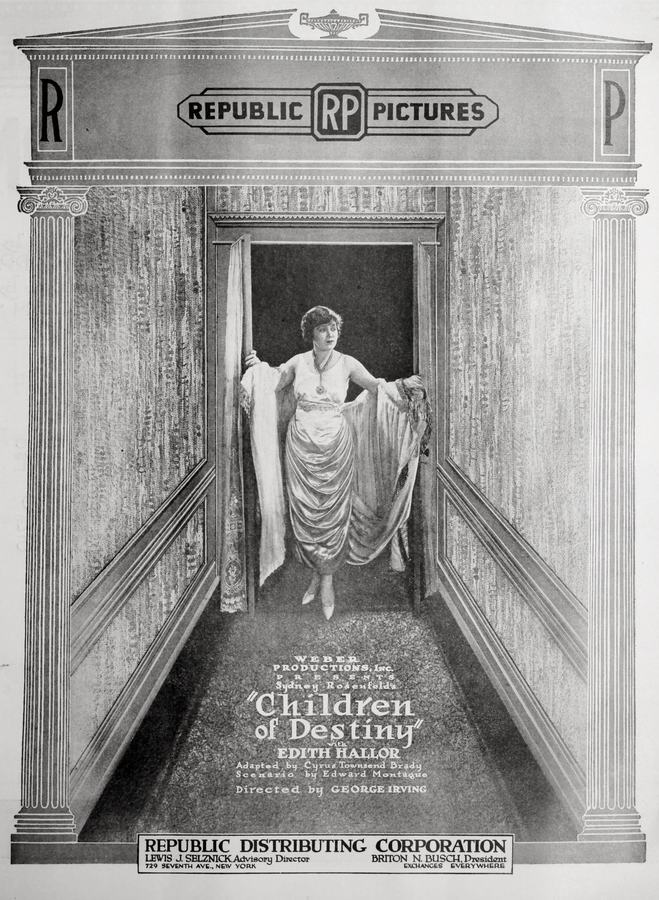
Directed by George Irving, Children of Destiny is a poignant drama that explores the intricate web of fate and social expectation in the early 20th century. Set against the backdrop of Monte Carlo and the bustling streets of New York, the film follows a complex narrative of inheritance and hidden identities. The visual style of the film is remarkably sophisticated for its time, utilizing grand sets to emphasize the divide between the elite and those struggling to find their place in the world. As a piece of social commentary, it offers a fascinating glimpse into the post-WWI psyche, where destiny seemed both malleable and fixed by the rigid structures of the past. The lead performances are nuanced, conveying a wealth of emotion through subtle gestures that remain effective even a century later.
Read full review of Children of Destiny
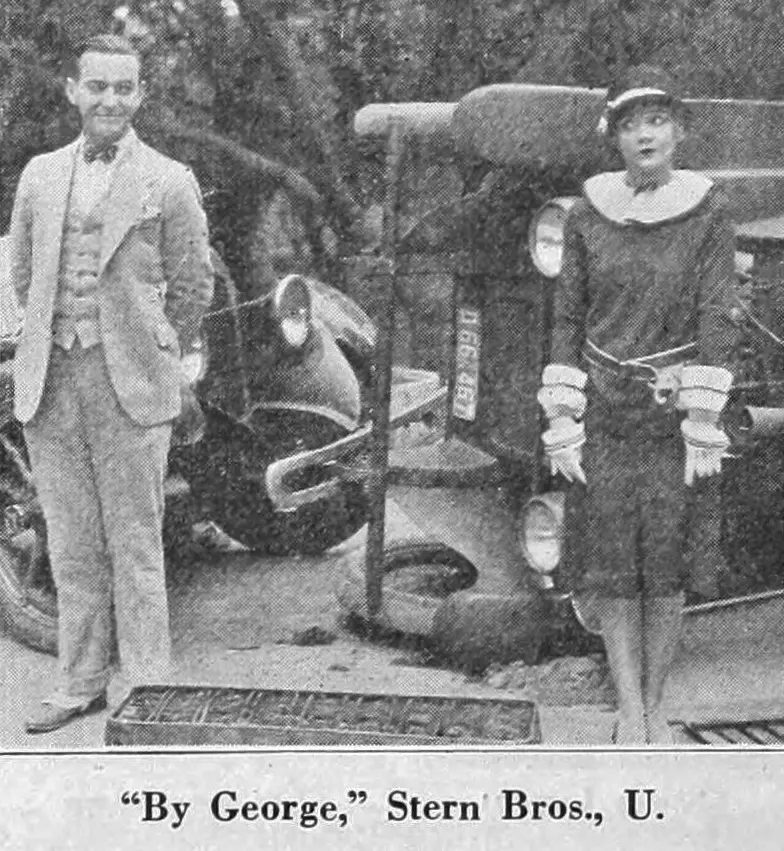
In the vibrant landscape of 1920s cinema, Miss Nobody stands out as a quintessential 'working girl' narrative. Directed by Francis J. Grandon, the film tells the story of a young woman navigating the challenges of urban life and the search for true identity. It blends elements of romance and social drama, reflecting the era's changing perceptions of women's independence. The film is notable for its location shooting, capturing the raw energy of early 20th-century cityscapes. Its protagonist’s journey from anonymity to self-discovery mirrored the aspirations of many audience members of the time, making it a relatable hit. Today, it serves as a beautiful time capsule of fashion, architecture, and the evolving social mores of the early Jazz Age.
Read full review of Miss Nobody
Based on the clever short stories of O. Henry, The Hiding of Black Bill is a delightful mix of Western adventure and dry wit. Directed by Joe De Grasse, the film centers on a ranch owner and a mysterious stranger who may or may not be the notorious outlaw 'Black Bill.' The film excels in its pacing and the characteristic O. Henry 'twist' ending that keeps the audience guessing until the final frames. De Grasse’s direction makes excellent use of the rugged landscapes, creating a sense of isolation that heightens the tension between the characters. For fans of early Westerns that prioritize character development and plot over simple action, this film is a mandatory watch.
Read full review of The Hiding of Black Bill
Directed by Robert Ensminger, Restless Souls is a gripping domestic drama that delves into the psychological complexities of marriage and societal pressure. The film follows a couple whose relationship is strained by modern temptations and the fast-paced nature of the 1920s. Ensminger utilizes clever lighting and shadow play to reflect the internal turmoil of his protagonists, a technique that predates some of the more famous German Expressionist works. The narrative is surprisingly modern in its exploration of emotional dissatisfaction and the search for meaning in a materialistic world. It is a quiet, reflective piece that proves silent cinema was capable of handling heavy, mature themes with grace.
Read full review of Restless Souls
Coming at the very tail end of the silent era, Devil Dogs, directed by Fred Windemere, is a high-energy tribute to the United States Marine Corps. This action-comedy follows the misadventures of recruits as they undergo rigorous training and eventually find themselves in the heat of conflict. The film is technically impressive, featuring large-scale military maneuvers and impressive stunt work that signaled the growing scale of Hollywood productions. While it contains plenty of the physical comedy popular in the 1920s, it also carries a sincere patriotic undertone. As a transition piece between the silent and sound eras, it showcases a highly polished visual language that was at its peak just before the industry changed forever.
Read full review of Devil Dogs
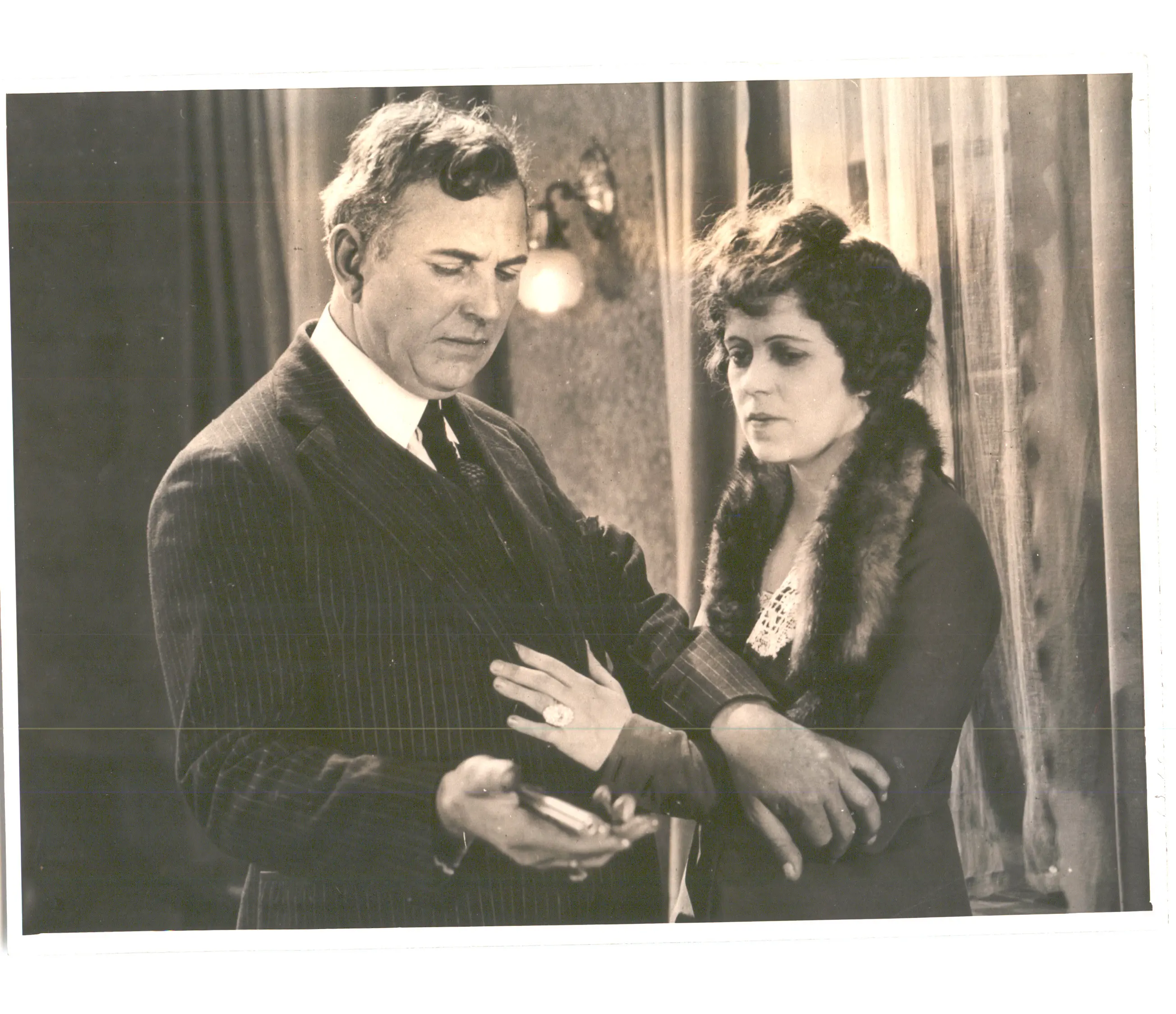
Directed by Rowland V. Lee, The Silver Treasure is an ambitious adaptation of Joseph Conrad’s classic novel Nostromo. This is an epic adventure set in a fictional South American country, dealing with themes of revolution, greed, and the corrupting power of wealth. The film is a visual marvel, featuring expansive sets and a large cast that brings Conrad’s complex world to life. Rowland V. Lee manages to condense the sprawling narrative into a tight, visually compelling experience that captures the atmosphere of the source material. It is a testament to the scale and ambition of 1920s filmmaking, proving that silent films were more than capable of handling high-concept literary adaptations.
Read full review of The Silver Treasure
James W. Horne was a master of the comedy-thriller, and A Man of Action is a prime example of his talent. Starring Douglas MacLean, the film follows a young man who finds himself inadvertently caught up in a series of dangerous yet hilarious situations involving a gang of thieves. The film is characterized by its breakneck speed and inventive gags. MacLean’s athletic performance is a joy to watch, blending the physical comedy of Buster Keaton with a more sophisticated, everyman persona. It’s a perfect example of the 'light' entertainment of the era that still manages to thrill with its well-choreographed chase sequences and witty intertitles.
Read full review of A Man of Action
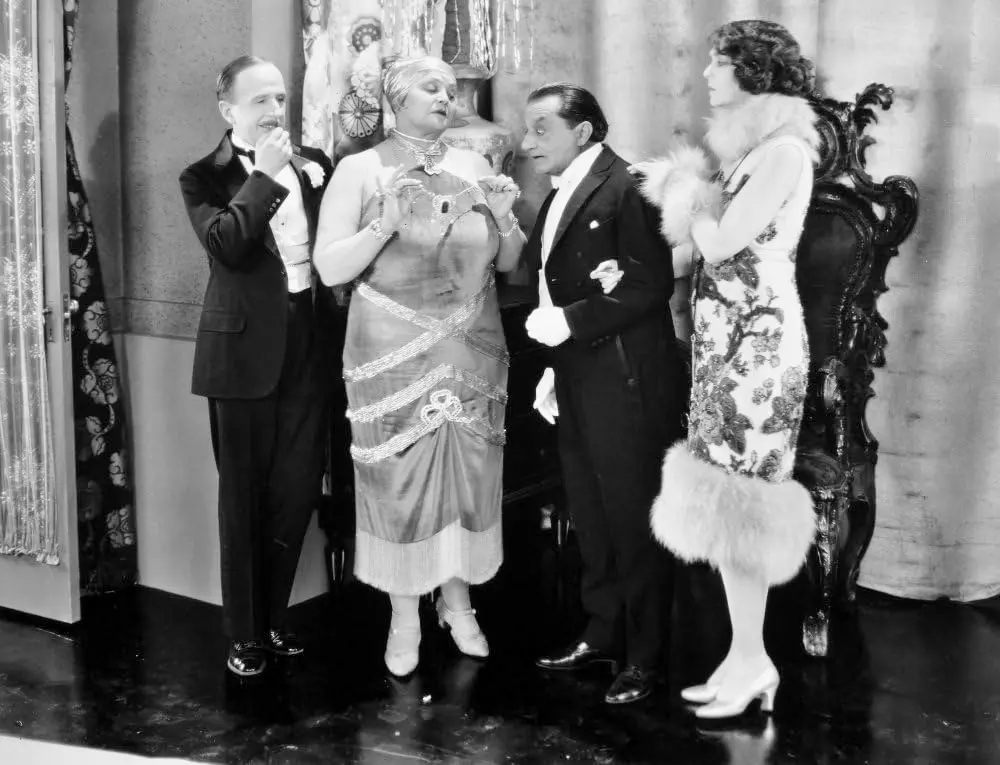
Another collaboration featuring the direction of James W. Horne, The Fast Mail-Man is an action-packed tribute to the heroism of the postal service. Starring Buck Jones, the film centers on a mail carrier who must overcome treacherous terrain and villainous plots to ensure the mail gets through. The film is essentially an extended chase, utilizing trains, horses, and early automobiles to create a sense of constant movement and peril. It reflects the era's fascination with speed and the shrinking of distances through technology. For fans of pure, unadulterated action and early stunt work, this film provides an exhilarating ride from start to finish.
Read full review of The Fast Mail-Man
Directed by James W. Horne, Somewhere in Somewhere is a whimsical comedy that showcases the lighter side of mid-20s cinema. The film plays with situational irony and the absurdities of social climbing. While many films of the era focused on grand dramas, this movie excels in its small, character-driven moments. The direction focuses on the expressive faces of its leads, using the silent format to highlight the comedy of errors that ensues when a simple misunderstanding spirals out of control. It remains a charming example of how early filmmakers could create engaging, funny stories out of the most basic human interactions.
Read full review of Somewhere in Somewhere
Rounding out our list is the German production Leichte Kavallerie (Light Cavalry), directed by Rolf Randolf. This film is a fascinating example of the international reach of silent cinema. Influenced by the popular operetta of the same name, the film is a vibrant, romantic adventure set within the world of the circus and the military. It features the rhythmic editing and stylized art direction that the Weimar-era German film industry was famous for. Even without the music of the operetta playing aloud, the film has a distinct 'musical' quality in its movement and choreography. It serves as a reminder of the rich cinematic history outside of Hollywood during the 1920s.
Read full review of Leichte Kavallerie
These ten films represent just a fraction of the incredible creativity of the silent era. By revisiting these works, we not only honor the pioneers of the medium but also discover that the emotions and stories they captured are truly timeless. Whether you are a seasoned cinephile or a newcomer to black-and-white film, these titles offer a perfect starting point for exploring the origins of the silver screen.