
DbcultAccessing Vault...
Director's Spotlight
Senior Film Conservator
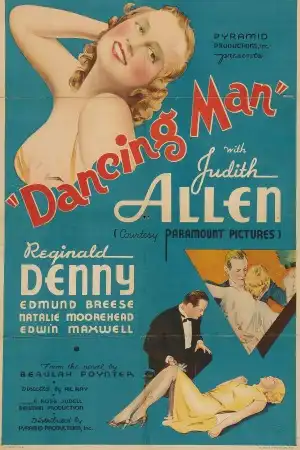
Director's Spotlight: United States
A Deep Dive into the 1934 Vision of Albert Ray
The Mystery DNA of Dancing Man is a reflection of United States's the historical context that Albert Ray weaves into the Mystery fabric. Challenging the viewer to find meaning in the Mystery shadows, it transcends regional boundaries to tell a universal story.
In Dancing Man, Albert Ray pushes the boundaries of conventional narrative. The film's unique approach to its subject matter has sparked endless debates and interpretations among cinephiles and critics alike.
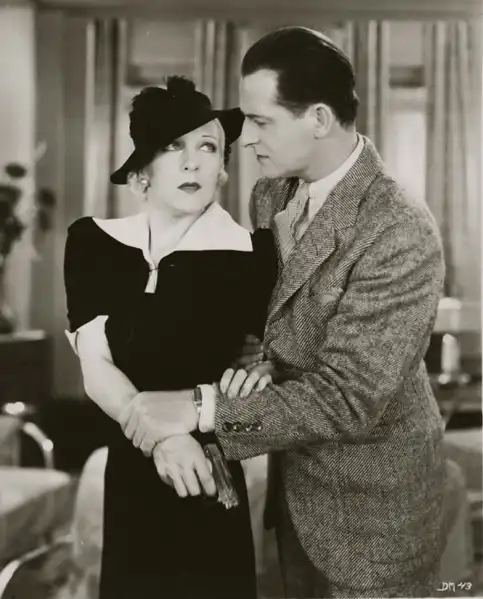
While deeply rooted in United States, Dancing Man has achieved a global reach, influencing directors from various backgrounds. Its ability to translate Mystery tropes into a universal cinematic language is why it remains a cult staple decades after its 1934 release.
| Cinematography | Static |
| Soundtrack | Minimalist |
| Editing | Disjunctive |
| Art Direction | Baroque |
Visualizing the convergence of Albert Ray's style and the core Mystery narrative.
Gigolo Paul Dtexel (Reginald Denny) makes his living escorting wealthy women to dance halls. One night he meets Diana Trevor (Judith Allen), they fall in love, but much to Diana's horror, she discovers that her stepmother, Tamara (Natalie Moorhead), is one of Paul's longtime clients. When Tamara mysteriously ends up dead, Paul is suspected of murder. Diana works desperately to clear his name.
Decades after its release, Dancing Man remains a vital piece of the cinematic puzzle. Its influence can be seen in countless modern works, solidifying Albert Ray's status as a master of the craft in United States and beyond.