
DbcultAccessing Vault...
Director's Spotlight
Senior Film Conservator
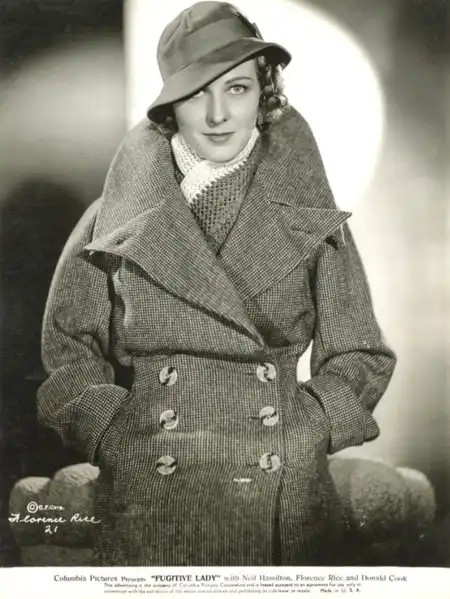
Director's Spotlight: United States
A Deep Dive into the 1934 Vision of Albert S. Rogell
Analyzing Fugitive Lady (1934) requires a deep dive into the unique directorial voice that Albert S. Rogell brought to the screen. By challenging the status quo of 1934 cinema, it continues to spark endless debates among critics and cinephiles alike.
In Fugitive Lady, Albert S. Rogell pushes the boundaries of conventional narrative. The film's unique approach to its subject matter has sparked endless debates and interpretations among cinephiles and critics alike.
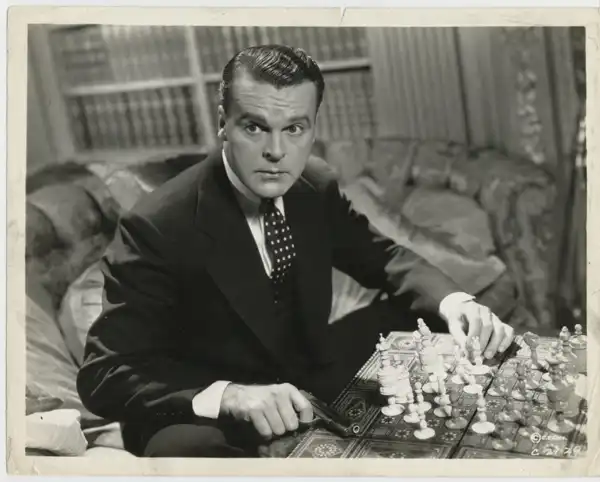
While deeply rooted in United States, Fugitive Lady has achieved a global reach, influencing directors from various backgrounds. Its ability to translate Drama tropes into a universal cinematic language is why it remains a cult staple decades after its 1934 release.
| Cinematography | Noir-Inspired |
| Soundtrack | Diegetic |
| Editing | Rhythmic |
| Art Direction | Naturalist |
Visualizing the convergence of Albert S. Rogell's style and the core Drama narrative.
When the beautiful Ann Duncan loses her job, she finally accepts Jack Howard's marriage proposal and agrees to elope with him. Ann is soon made aware of Jack's criminal past when Jack flees from the police and she is caught in possession of his stolen goods and sent to prison. The train transporting Ann to the prison wrecks, and she is mistaken for Mrs. Howard, one of the killed passengers, who was on her way to meet her mother-in-law for the first time. Ann is taken to the home of Donald Howard, where she tells Donald and his mother what has happened. Donald decides to conceal Ann in his home and soon falls in love with her, but Ann, fearful that the Howards will be punished for giving her sanctuary, decides to leave. Donald insists on going with Ann when he learns of her plans, but before the couple departs, they stumble upon Jack and two of his henchmen trying to rob Donald's safe. The police arrive and Ann, hoping to protect Donald, pretends to be Jack's confederate, but Donald's Aunt Margaret explains what truly happened. With Ann's innocence proven, she and Donald resume their romance.
Decades after its release, Fugitive Lady remains a vital piece of the cinematic puzzle. Its influence can be seen in countless modern works, solidifying Albert S. Rogell's status as a master of the craft in United States and beyond.