
DbcultAccessing Vault...
Director's Spotlight
Senior Film Conservator
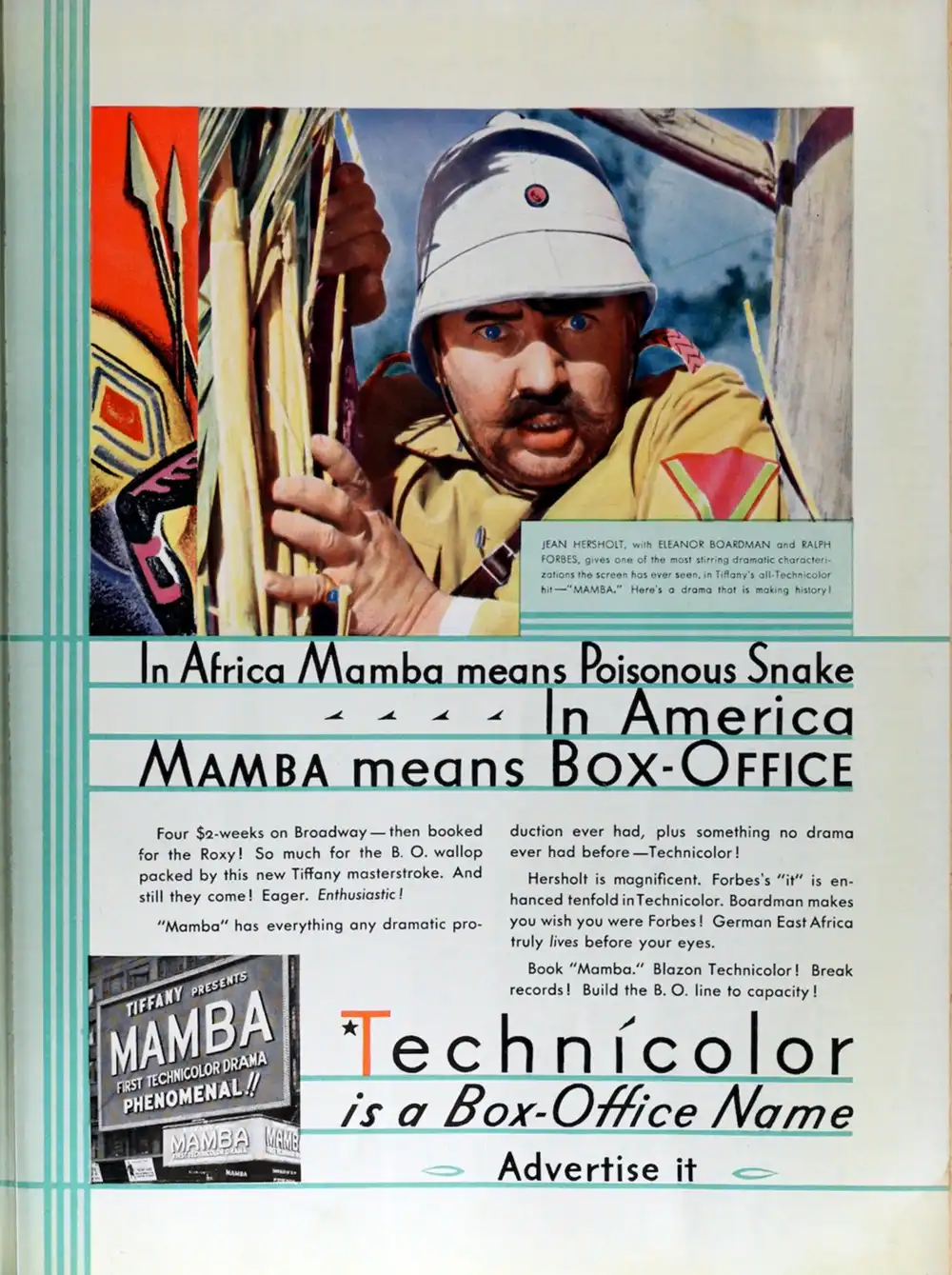
Director's Spotlight: United States
A Deep Dive into the 1930 Vision of Albert S. Rogell
When we examine the cinematic landscape of United States, Mamba emerges as a landmark work of the enduring legacy of Albert S. Rogell's artistic contribution to the genre. Through a lens of existential fatalism and Drama tropes, it captures a specific kind of cinematic magic that is rarely replicated.
In Mamba, Albert S. Rogell pushes the boundaries of conventional narrative. The film's unique approach to its subject matter has sparked endless debates and interpretations among cinephiles and critics alike.
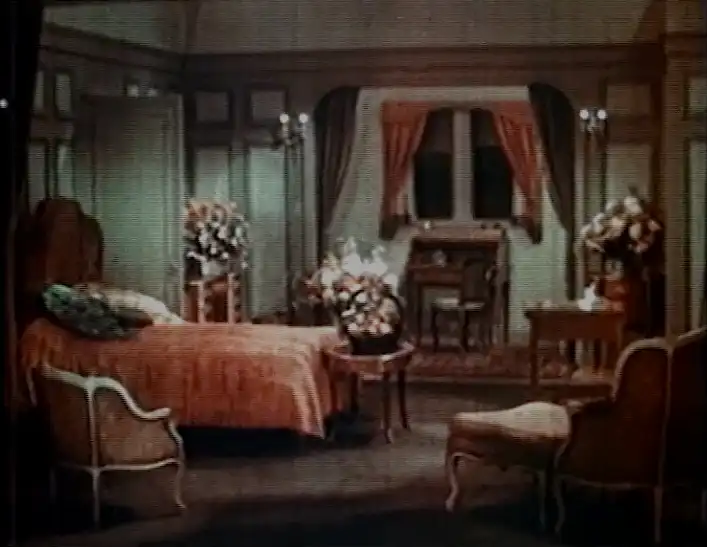
In this work, Albert S. Rogell explores the intersection of Drama and United States cultural identity. The meticulous attention to detail suggests a deep-seated commitment to pushing the boundaries of the medium, ensuring that Mamba remains a relevant topic of study for Drama enthusiasts.
| Cinematography | Deep Focus |
| Soundtrack | Minimalist |
| Editing | Disjunctive |
| Art Direction | Baroque |
Visualizing the convergence of Albert S. Rogell's style and the core Drama narrative.
August Bolte, the richest man in a settlement in German East Africa in the period before World War I, is called "Mamba" by the locals, which is the name of a deadly snake. Despised by the locals and the European settlers alike for his greed and arrogance, Bolte forces the beautiful daughter of a destitute nobleman to marry him in exchange for saving her father from ruin. Upon her arrival in Africa, she falls in love with an officer in the local German garrison. When World War I breaks out, Bolte, unable to avoid being conscripted, foments a rebellion among the local natives.
Decades after its release, Mamba remains a vital piece of the cinematic puzzle. Its influence can be seen in countless modern works, solidifying Albert S. Rogell's status as a master of the craft in United States and beyond.