
DbcultAccessing Vault...
Director's Spotlight
Senior Film Conservator
Director's Spotlight: United States
A Deep Dive into the 1929 Vision of Albert S. Rogell
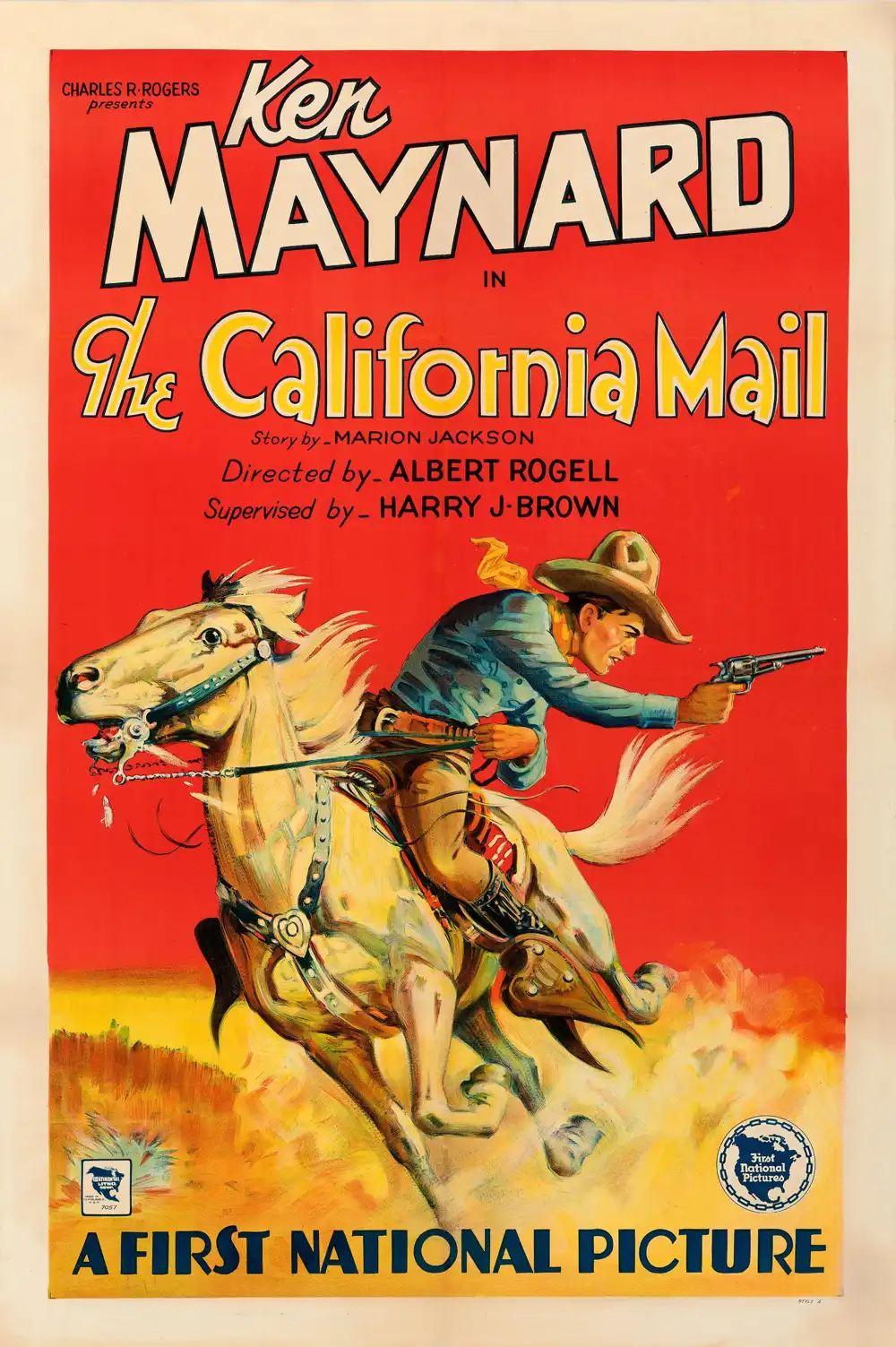
When we examine the cinematic landscape of United States, The California Mail emerges as a landmark work of the unique directorial voice that Albert S. Rogell brought to the screen. This film stands as a masterclass in visual storytelling, it demands to be seen by anyone who cares about the art of film.
In The California Mail, Albert S. Rogell pushes the boundaries of conventional narrative. The film's unique approach to its subject matter has sparked endless debates and interpretations among cinephiles and critics alike.
While deeply rooted in United States, The California Mail has achieved a global reach, influencing directors from various backgrounds. Its ability to translate Drama tropes into a universal cinematic language is why it remains a cult staple decades after its 1929 release.
| Cinematography | Handheld |
| Soundtrack | Diegetic |
| Editing | Rhythmic |
| Art Direction | Naturalist |
Visualizing the convergence of Albert S. Rogell's style and the core Drama narrative.
During the American civil war, the Union is at a point where it desperately needs gold to pay for the armies and to maintain its credit. Agent Bob Scott is sent to California to eliminate the bandit gangs that have been attacking the gold shipments being sent back east. He joins the gang of Butch McGraw and ingratiates himself with the leader. He falls for pretty young Molly Butler but puts his life in danger when he goes against some members of the gang who kidnap Molly from a stagecoach.
Decades after its release, The California Mail remains a vital piece of the cinematic puzzle. Its influence can be seen in countless modern works, solidifying Albert S. Rogell's status as a master of the craft in United States and beyond.