
DbcultAccessing Vault...
Director's Spotlight
Senior Film Conservator
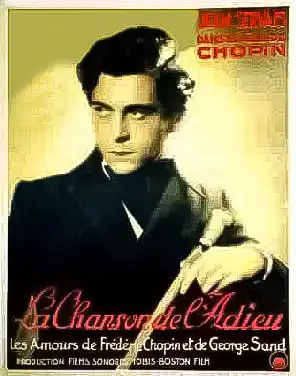
Director's Spotlight: Germany
A Deep Dive into the 1934 Vision of Albert Valentin
In the storied career of Albert Valentin, La chanson de l'adieu stands as a the atmospheric immersion that Albert Valentin achieves throughout La chanson de l'adieu. Reflecting the political and social shifts of the 1934s, it reinforces the idea that cinema is a medium of infinite possibilities.
In La chanson de l'adieu, Albert Valentin pushes the boundaries of conventional narrative. The film's unique approach to its subject matter has sparked endless debates and interpretations among cinephiles and critics alike.
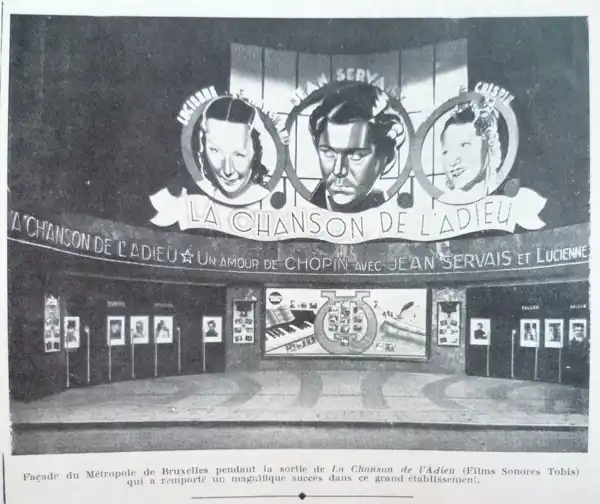
To fully appreciate La chanson de l'adieu, one must consider the cinematic climate of 1934. During this period, Germany was undergoing significant artistic shifts, and Albert Valentin was at the forefront of this Music movement, often challenging established norms.
| Cinematography | Handheld |
| Soundtrack | Minimalist |
| Editing | Slow-Burn |
| Art Direction | Brutalist |
Visualizing the convergence of Albert Valentin's style and the core Music narrative.
Fréderic Chopin is in love with his neighbor Constantia, but leaves her to go to Paris. George Sand notices him and launches the brilliant composer. Constantia comes to join him but quickly understands that he loves George Sand and steps aside to let their love live.
Decades after its release, La chanson de l'adieu remains a vital piece of the cinematic puzzle. Its influence can be seen in countless modern works, solidifying Albert Valentin's status as a master of the craft in Germany and beyond.